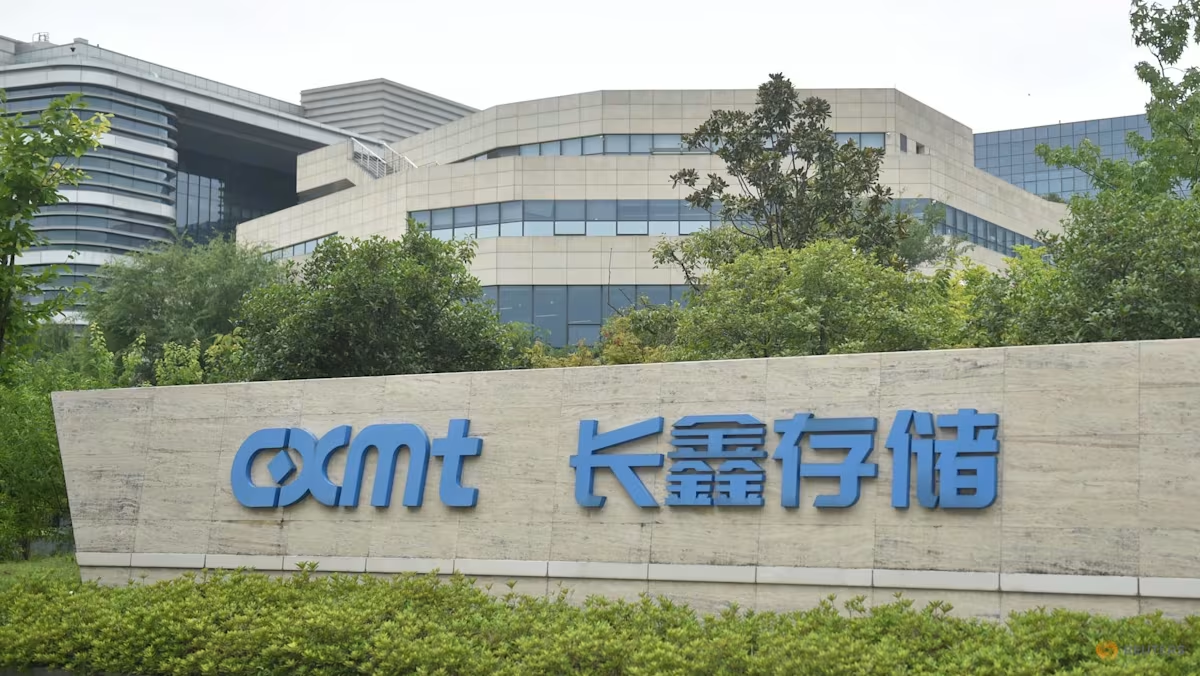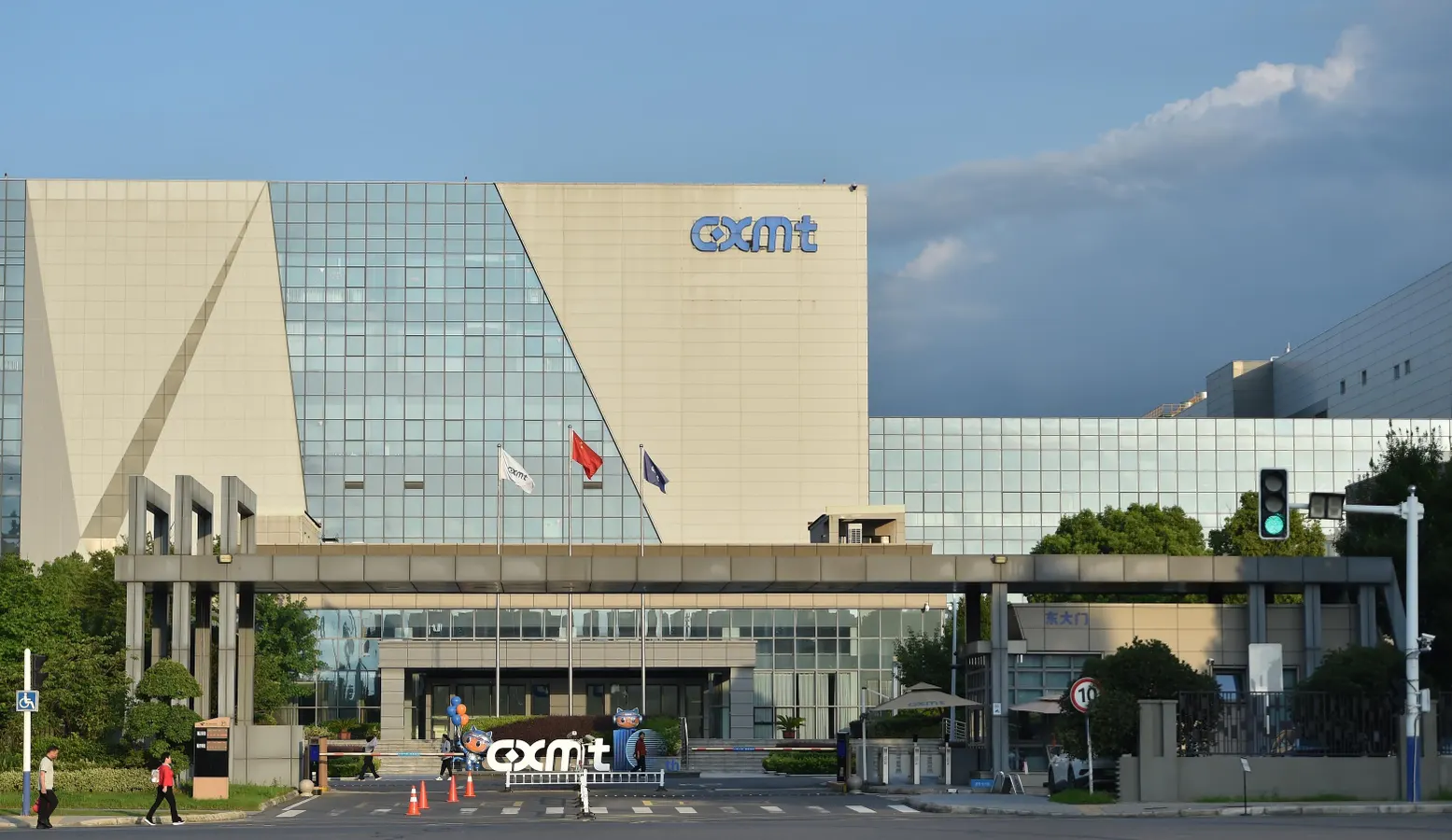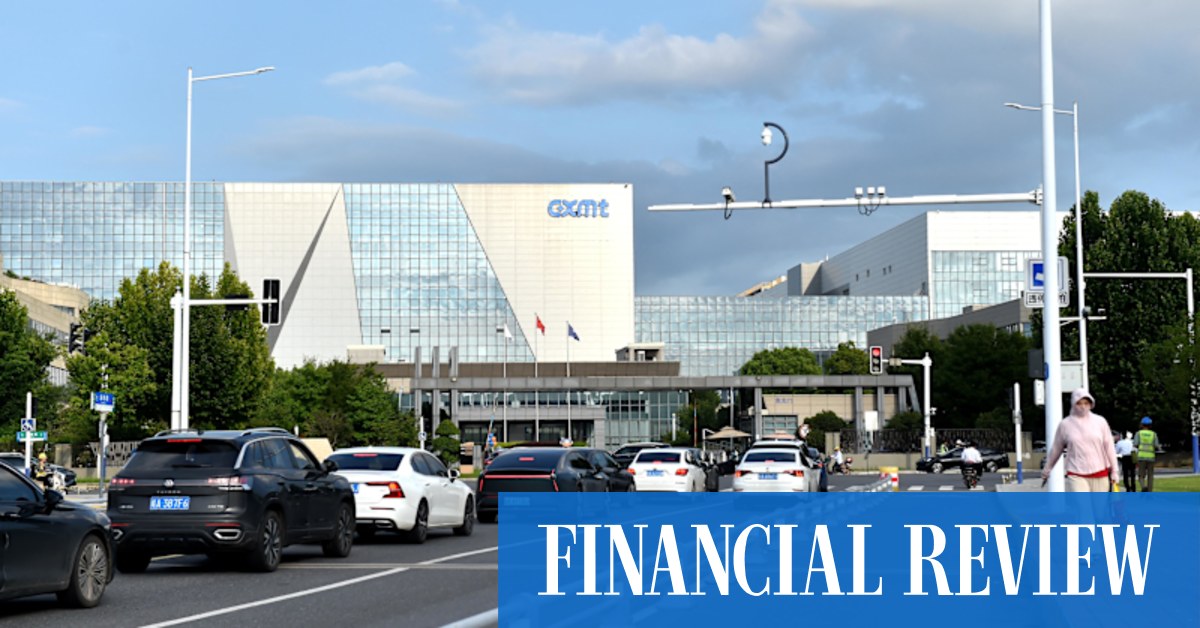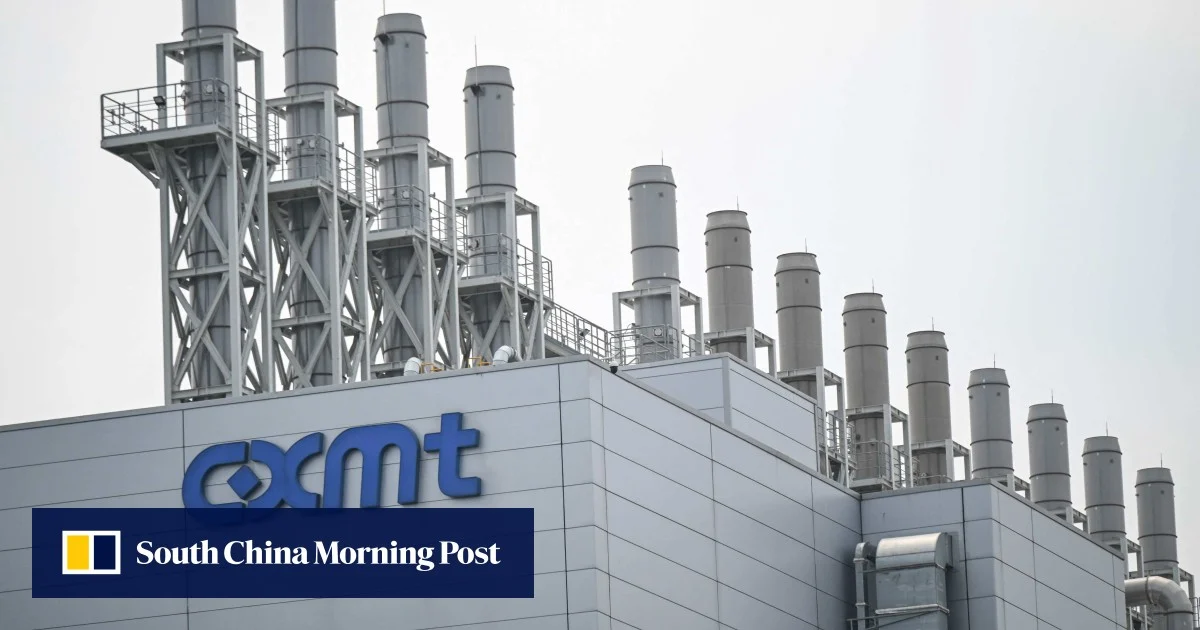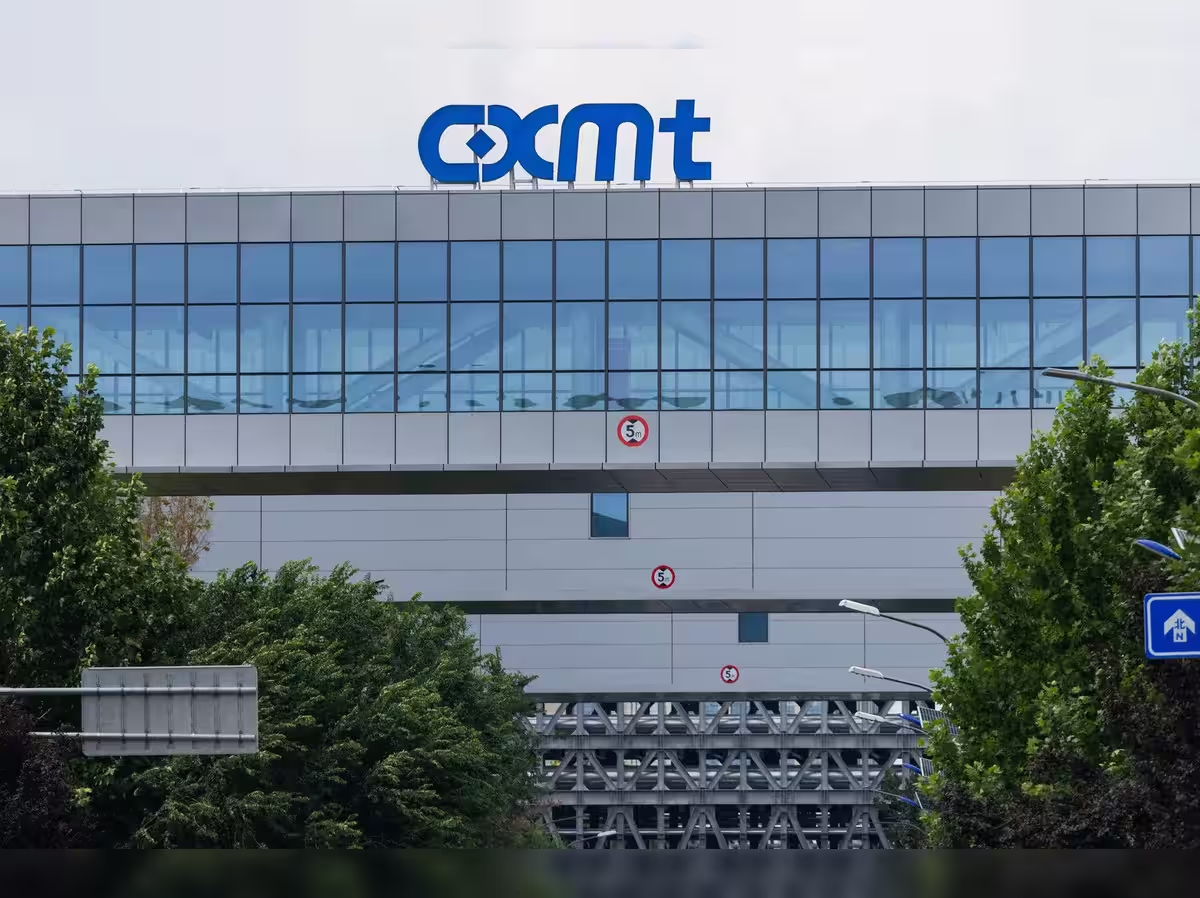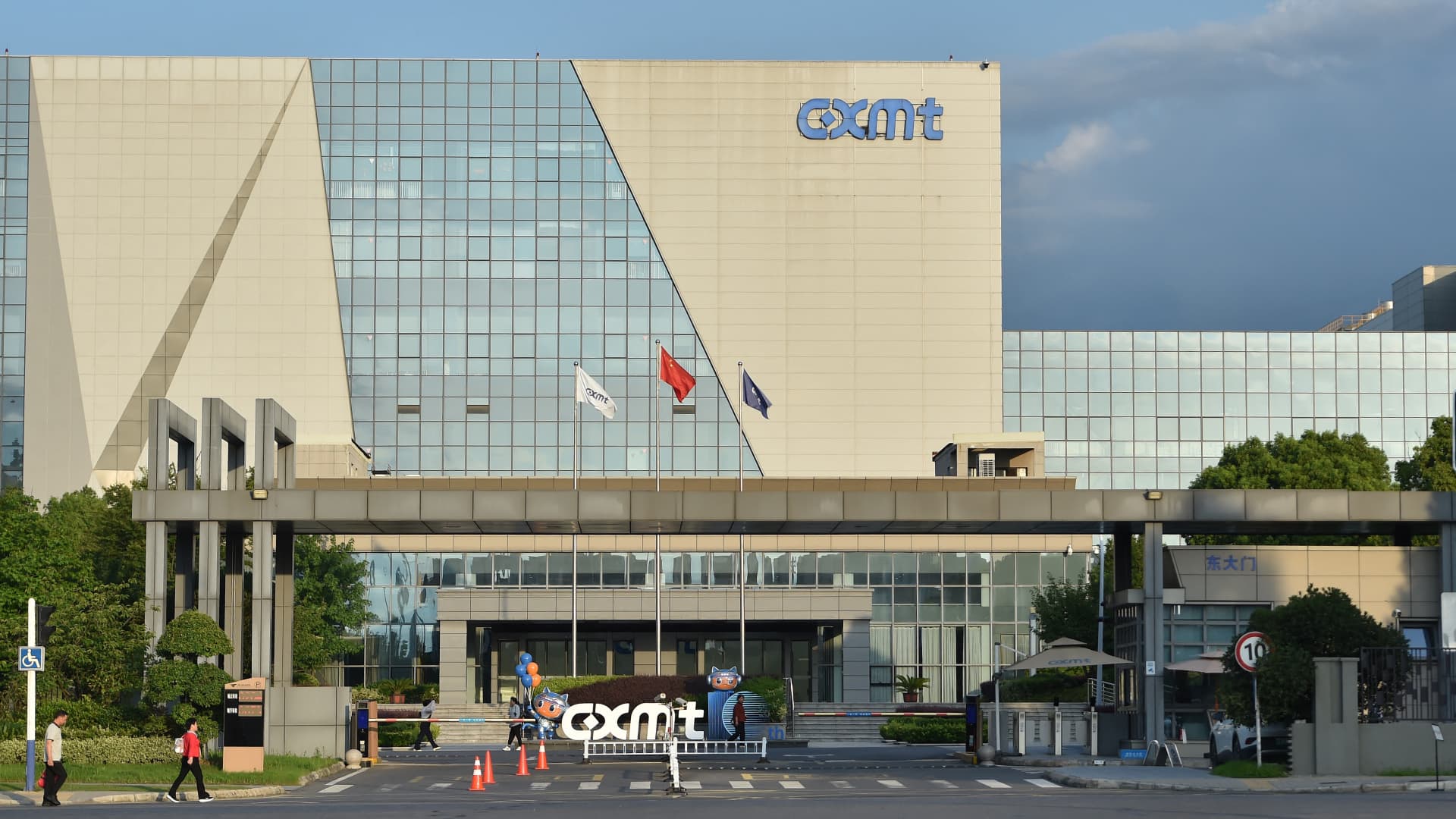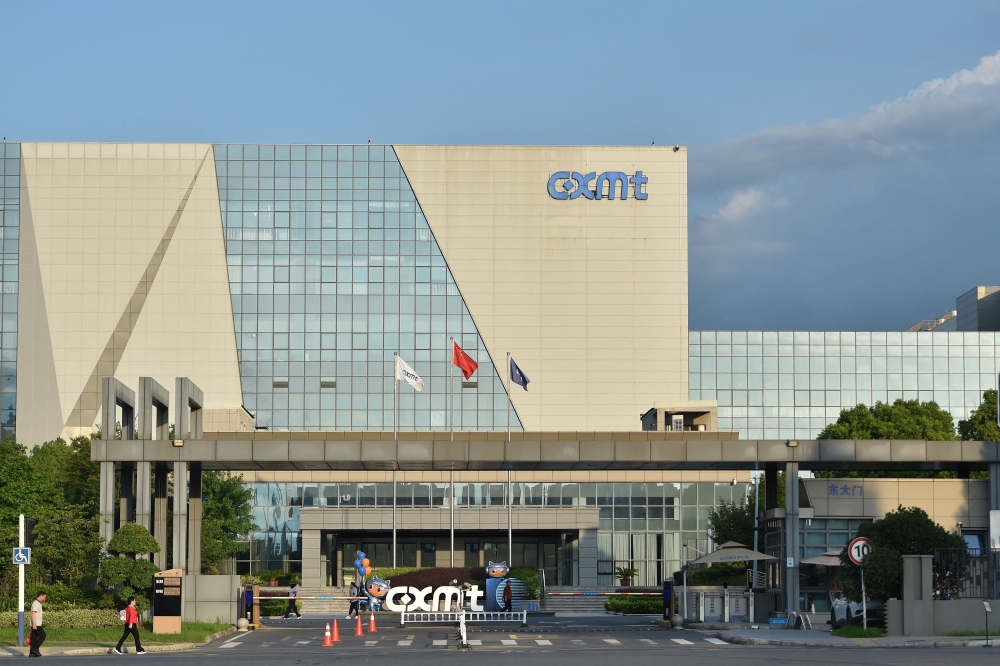
The headquarters of Chinese memory chip maker ChangXin Memory Technologies (CXMT) is more than 1,000 kilometers away from the country’s tech hubs in Beijing or Shenzhen. The sprawling campus, surrounded by walls with electrified fencing for security, sits in the eastern city of Hefei, which is poised to reap hefty rewards from its bet on the company.
CXMT began trading on Shanghai’s tech-focused Star Market on July 27 after raising more than USD 8.5 billion in its IPO. Its gains since opening day has lifted the value of the roughly 30% stake held by Hefei-owned companies and investment funds to several tens of billions of US dollars.
The results also cemented Hefei’s reputation as a savvy tech investor. The city’s investment in CXMT dates to the company’s founding in 2016. Hefei also invested in display maker BOE in 2008 and, in 2020, led a USD 1 billion wager on electric vehicle maker Nio when it was still bleeding cash.
Today, the “Hefei model” of municipalities and provinces becoming venture capitalists has swept across China. With the traditional approach of driving economic growth—debt-financed infrastructure and real estate development—under intense scrutiny from Beijing amid a property downturn, local government financing vehicles, known as LGFVs, are racing to fund startups producing everything from drones and rockets to humanoid robots. This is making them key providers of early-stage capital at a time when the US-China tech rivalry has strained foreign venture capital flows.