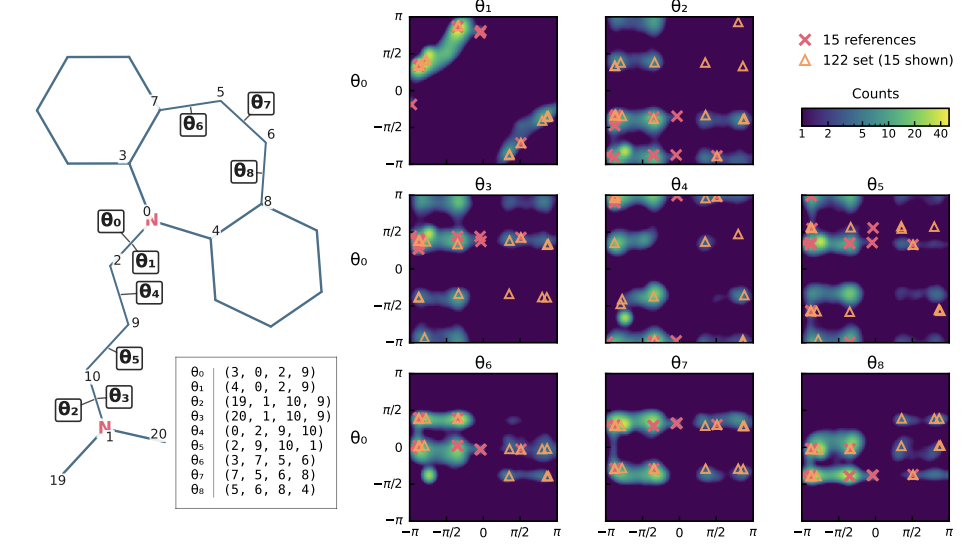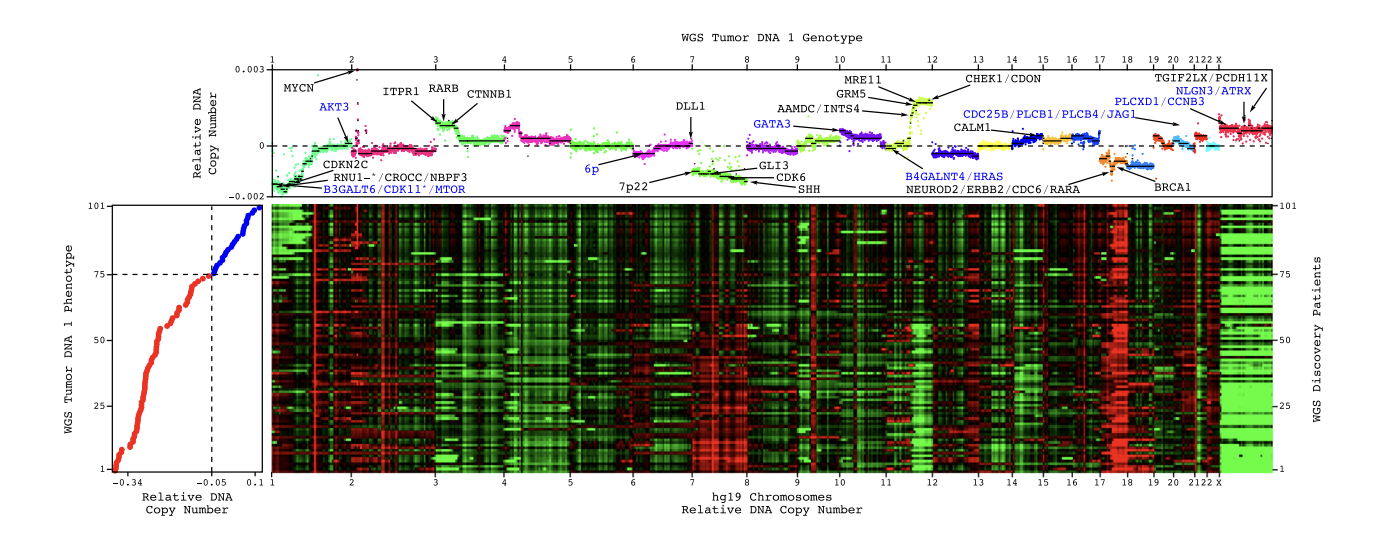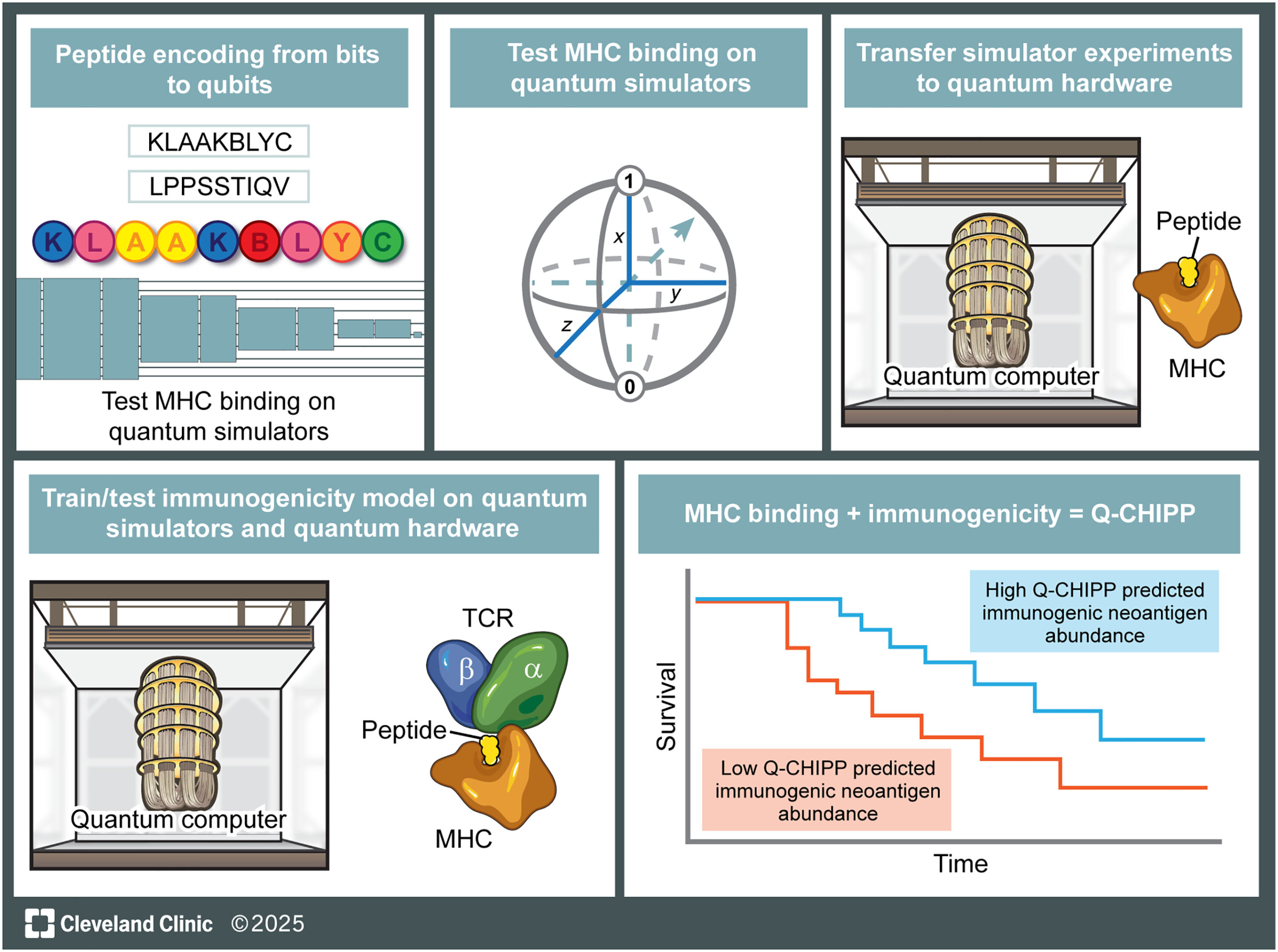
Summary of Q-CHIPP development. Credit: Science Advances (2026). DOI: 10.1126/sciadv.aec3824
Cleveland Clinic and IBM researchers are using quantum computing to tackle one of the most challenging problems in immuno-oncology: predicting which tumor mutations will trigger an immune response.
Their framework, Quantum Convolutional HLA Immunogenic Peptide Prediction (Q-CHIPP), combined predictions of antigen presentation and immunotherapy response into a unified framework. It outperformed classical computing methods by improving accuracy under data-limited conditions, according to results published in Science Advances.
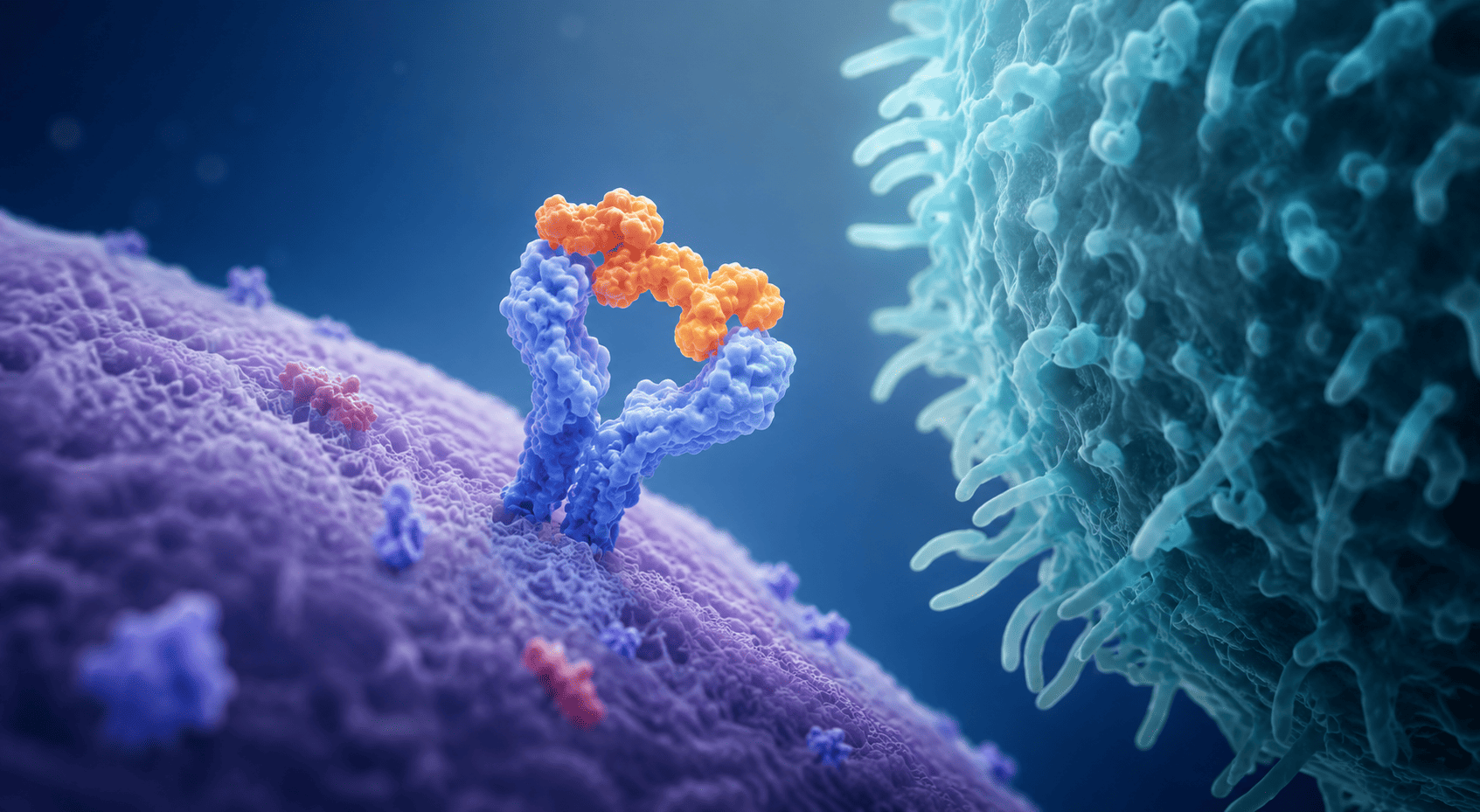
Neoantigens are abnormal proteins produced on a cancer cell's surface when the cell acquires mutations in its DNA. Neoantigens signal the immune system that a cell is foreign or harmful to the body. An essential part of immunotherapy is teaching the body to recognize and attack neoantigens.
The challenge is that there can be thousands of potential neoantigens in one tumor, but very few will be recognized by the immune system. It's also now well understood that these well-recognized (immunogenic) neoantigens are a primary driver of response to immunotherapy.