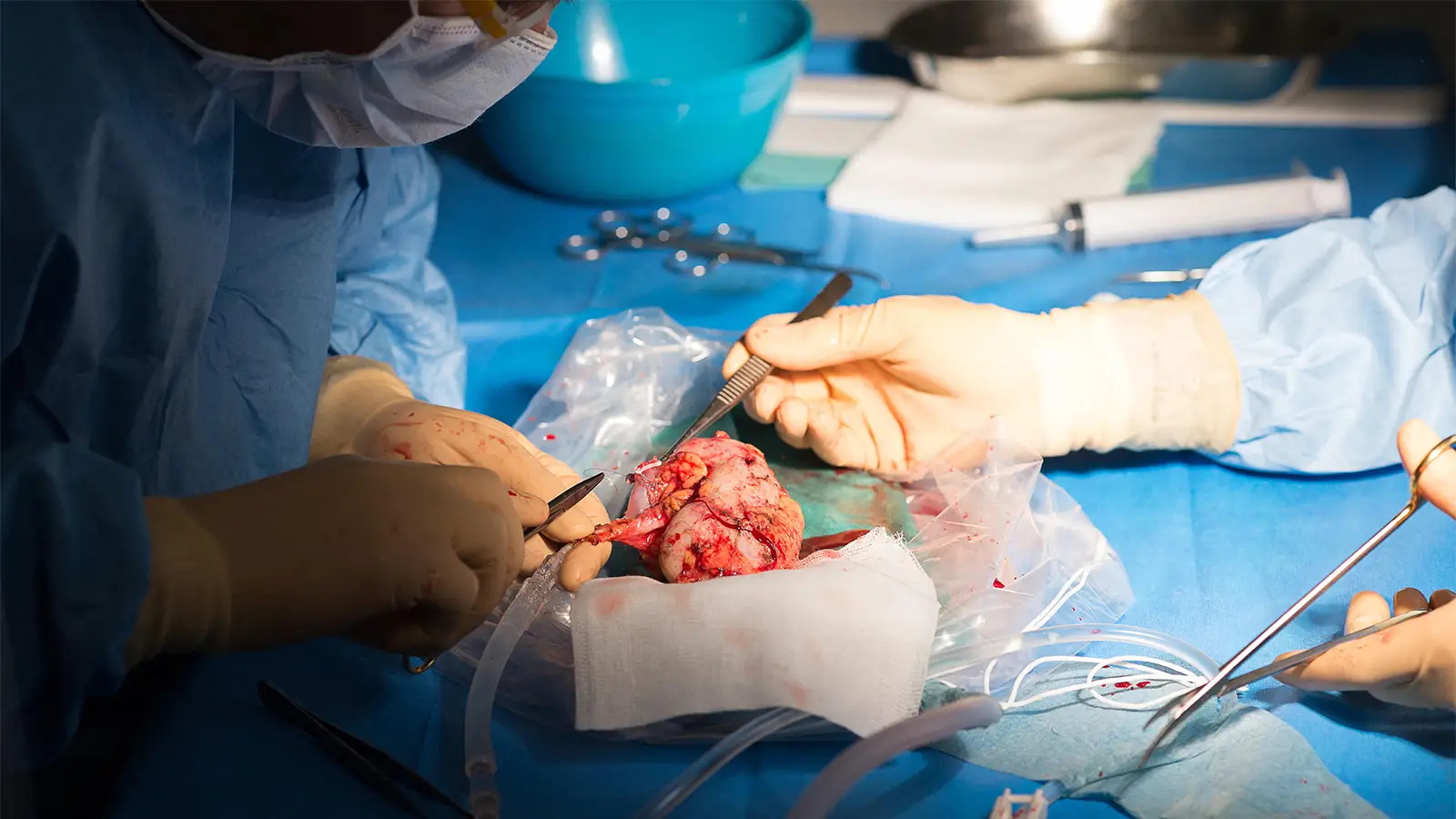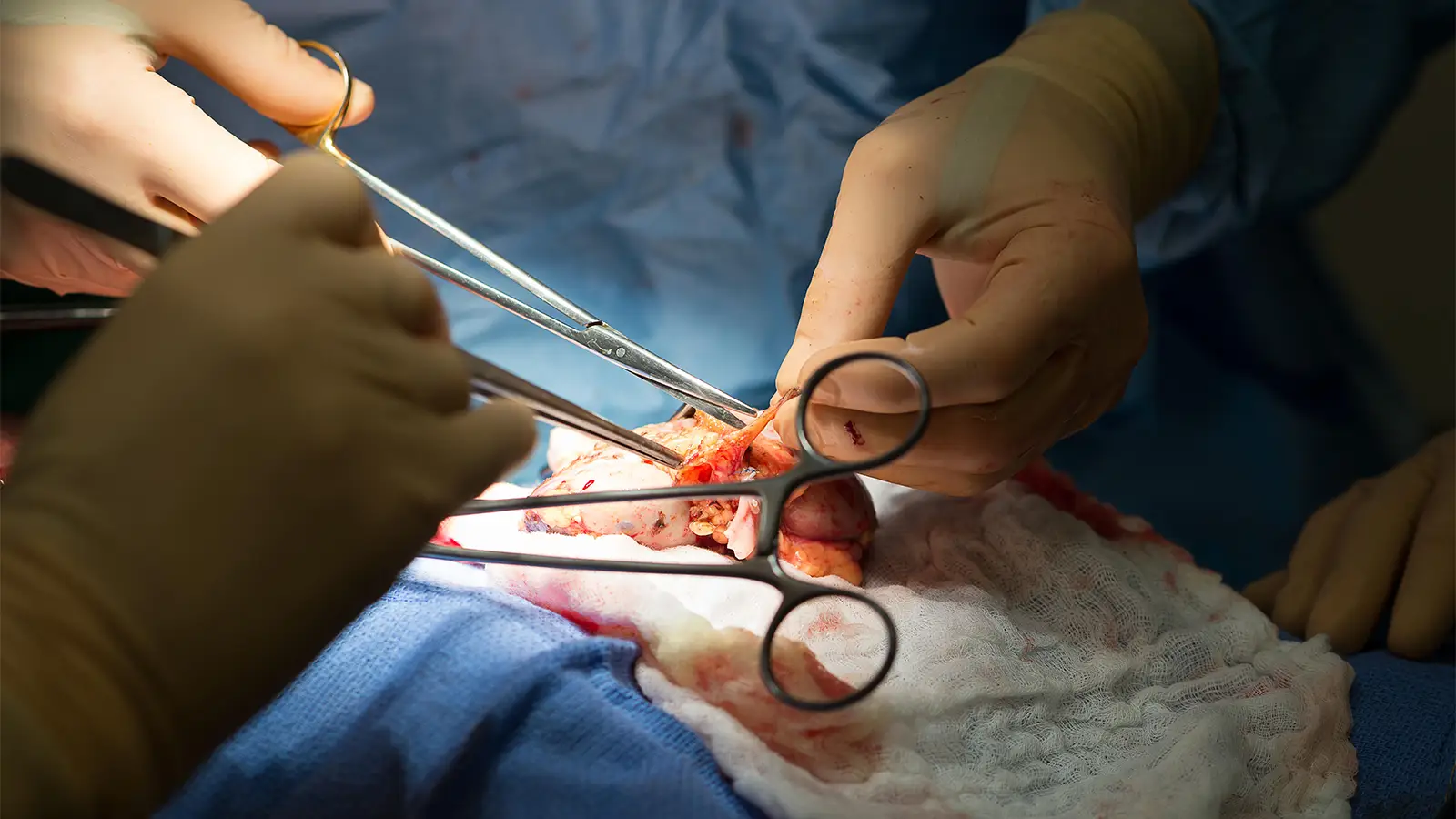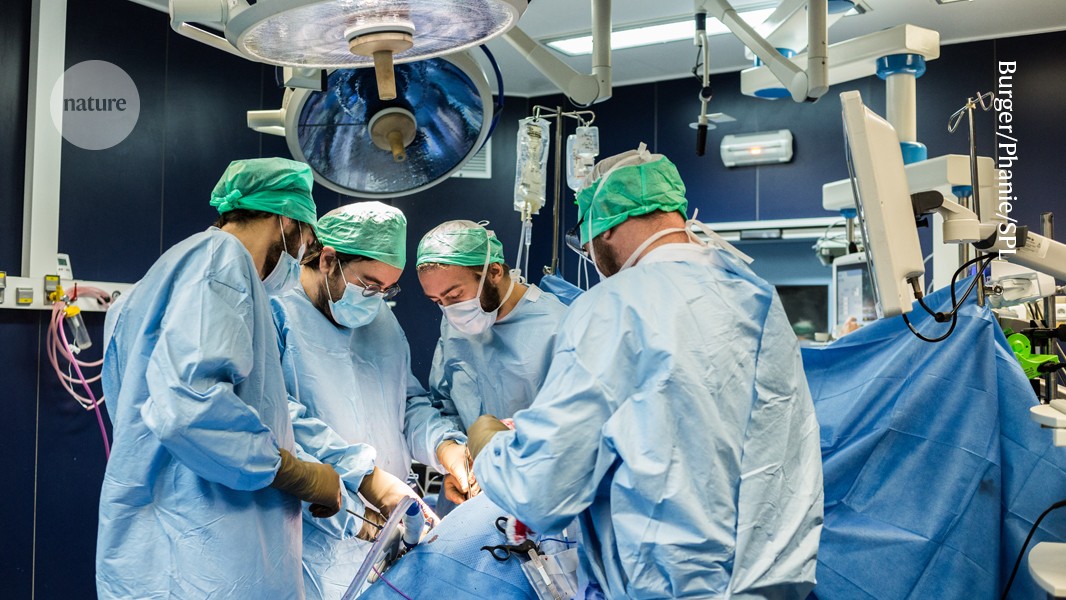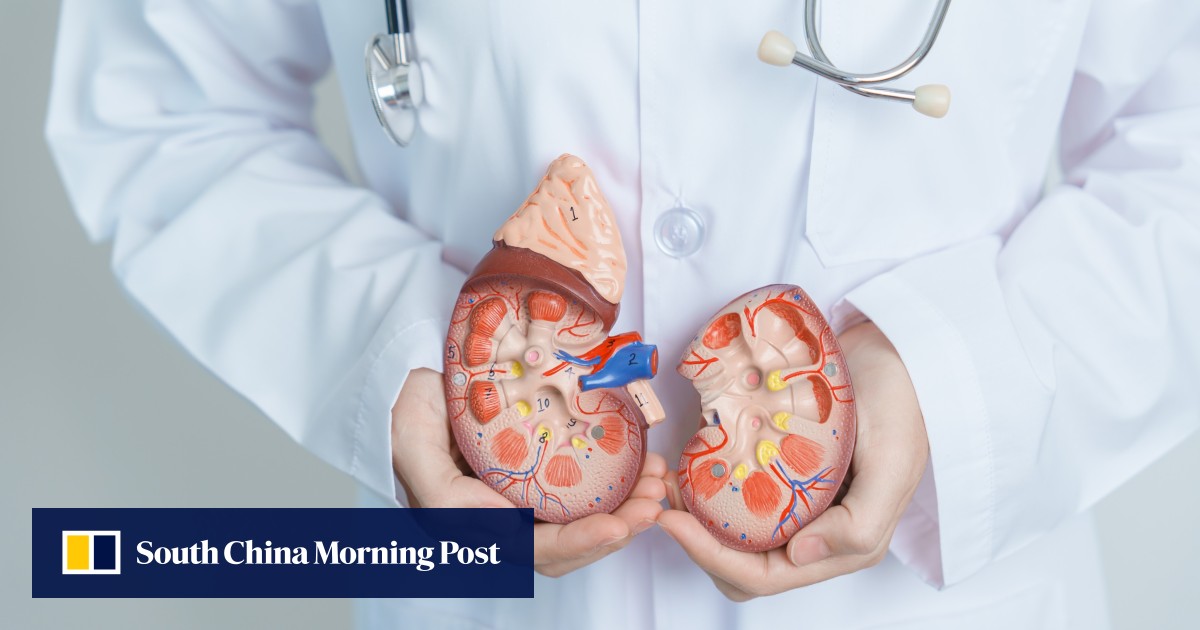
An international research team led by the Medical University of Vienna reports on a new treatment strategy that has made kidney transplantation possible for a patient with no realistic chance of receiving a suitable donor organ.
As the case study demonstrates for the first time, the use of a new drug from cancer medicine can achieve a substantial and sustained reduction in antibodies against potential transplants, a level not previously attained. This significantly improves the prospects for a successful organ transplant, even in cases with a particularly unfavorable initial immunological profile. The results were recently published in the New England Journal of Medicine and could open new perspectives in transplant medicine.
The new drug teclistamab is currently used to treat blood cancer (myeloma). It specifically eliminates cells in the blood and bone marrow that produce antibodies against foreign structures. Due to this unique mechanism of action, the substance has also come to the attention of transplant medicine.
The research team led by Georg Böhmig and Martina Schatzl (Clinical Department of Nephrology and Dialysis, Department of Medicine III, MedUni Vienna) applied it for the first time as part of a case study in a dialysis-dependent patient with a highly unfavorable initial immunological profile.