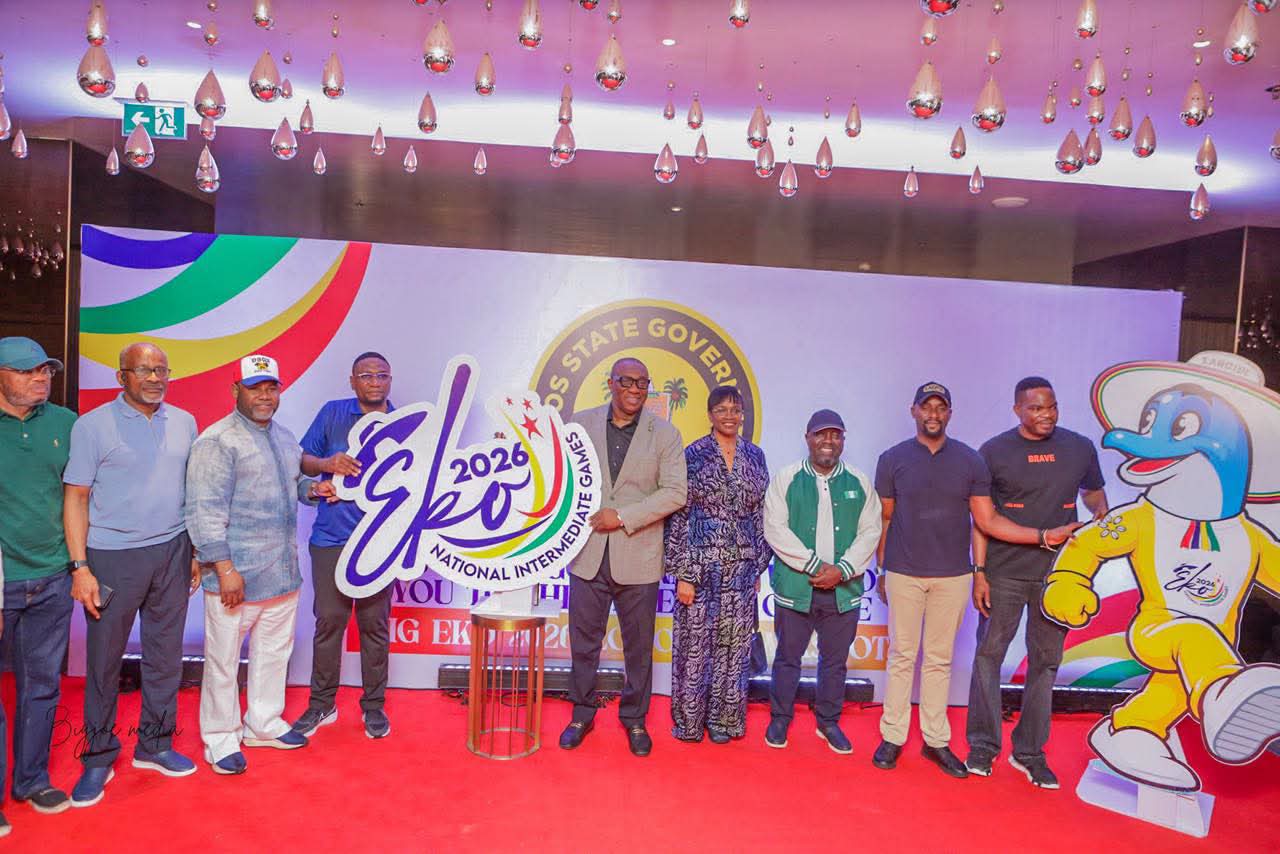
TAYO OGUNBIYI contends that the sporting event will provide a national platform for young athletes to compete, and gain visibility
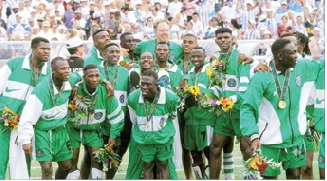
Nigeria first participated in the Olympic Games in 1952 and has since sent athletes to compete in all Summer Olympic Games, except for the boycotted 1976 Summer Olympics. Perhaps the peak of the country’s success in the Olympic Games was in 1996 when the national U-23 football team won the gold medal in the soccer event at the Games held in Atlanta.
However, the nation is currently experiencing a declining fortune in the sporting arena. It is sad that a country that once produced great boxers such as Dick Tiger, Obisa Nwakpa, Jeremiah Okorodudu, to mention just a few, has failed to produce enduring champions in the various categories of the sport in recent times.
In athletics, the story is the same. With the exit of great talents such as Innocent Egbunike, Mary Onyali, Chidi Imoh, Sunday Bada, Falilat Ogunkoya, among others, it is depressing to note that Nigeria is yet to produce equally talented world-class athletes in recent times.
The same goes for football, where Nigeria has missed two consecutive World Cup tournaments. There was a time when Nigerian footballers were the toasts of the soccer world. Then, we used to have up to six nominees among the ten footballers usually nominated for the annual African Footballer of the Year Award. Indeed, the high point of the country’s dominance in African football was when Rashidi Yekini, Emmanuel Amuneke, Victor Ikpeba and Kanu Nwankwo won the title in successive order. Other sports such as lawn tennis, table tennis, wrestling, volleyball, basketball, etc., are not exempt from the rot that currently pervades the nation’s sporting landscape.