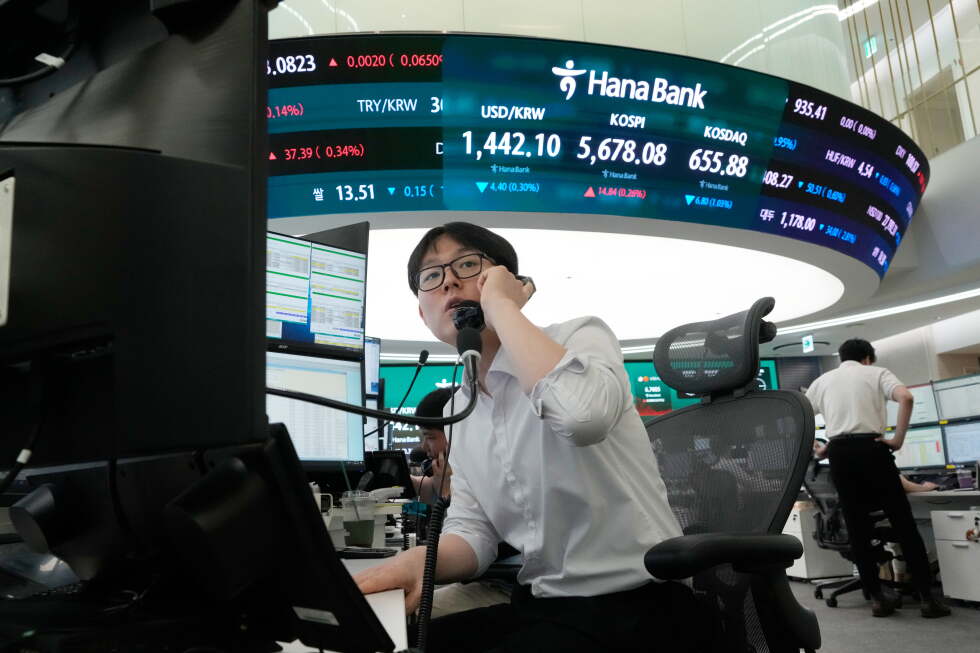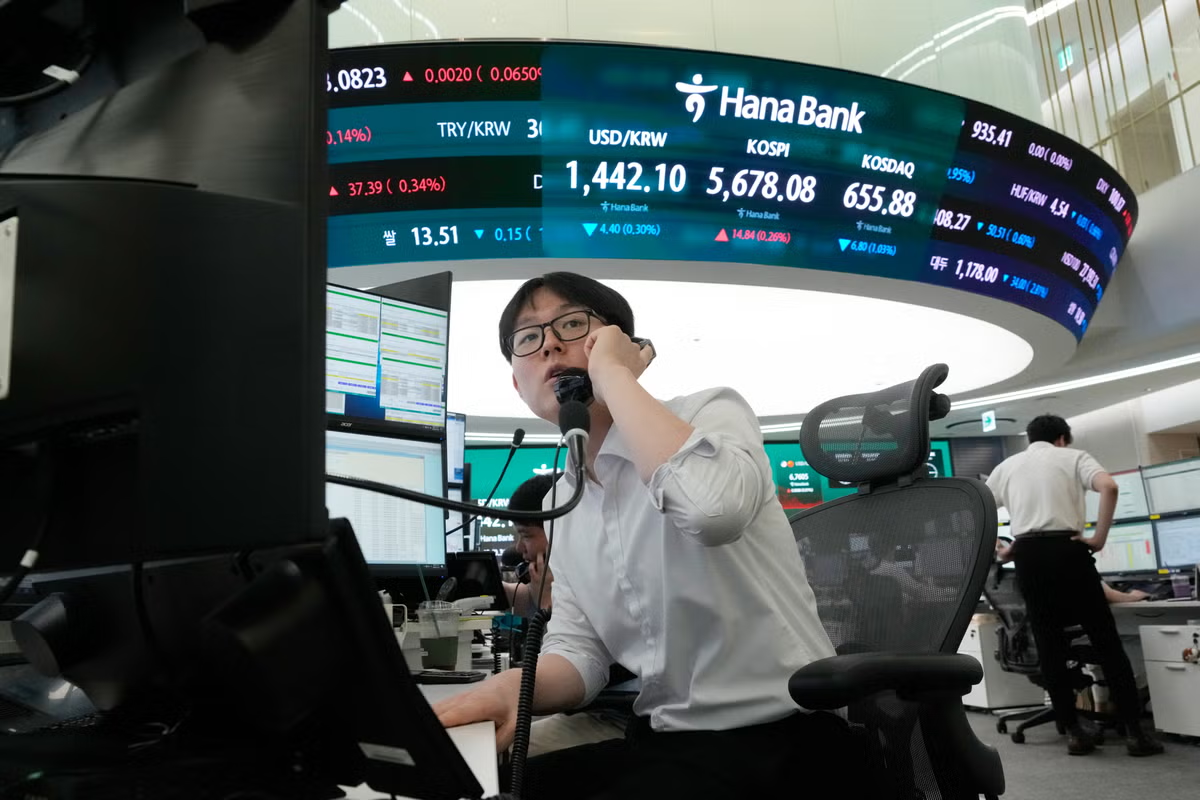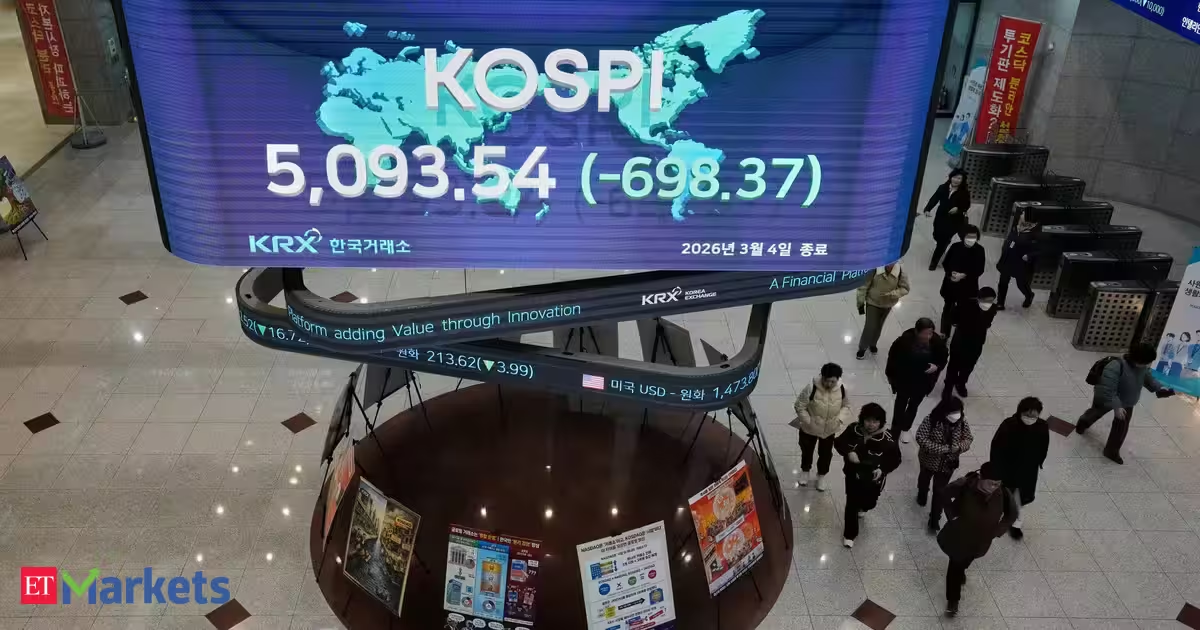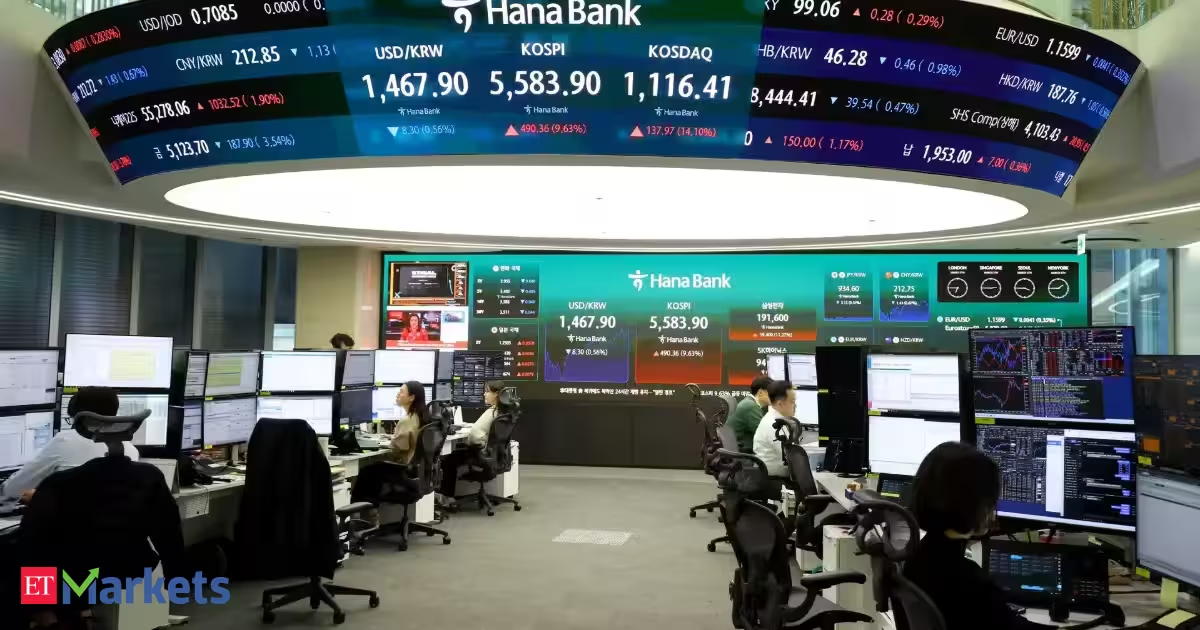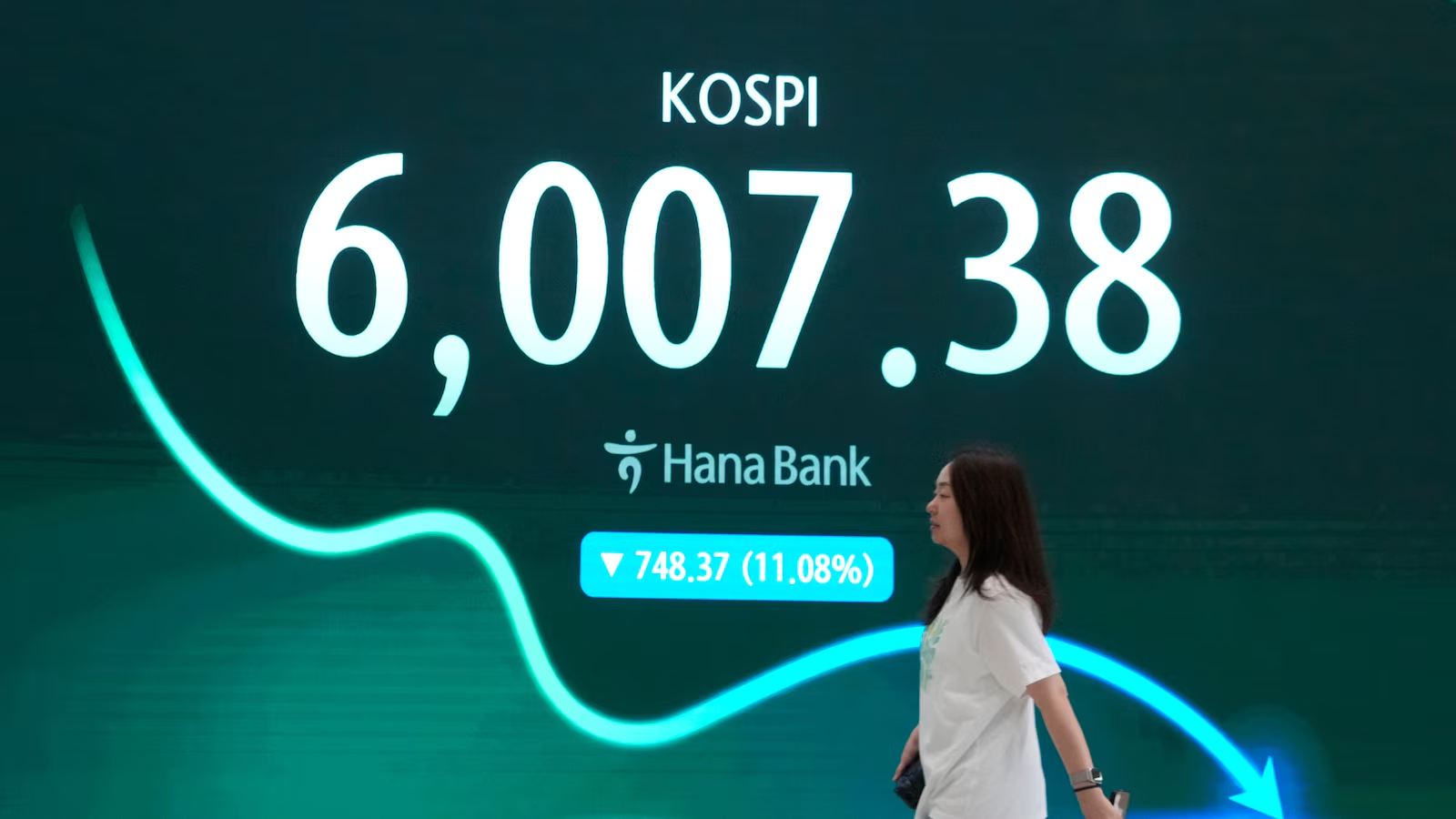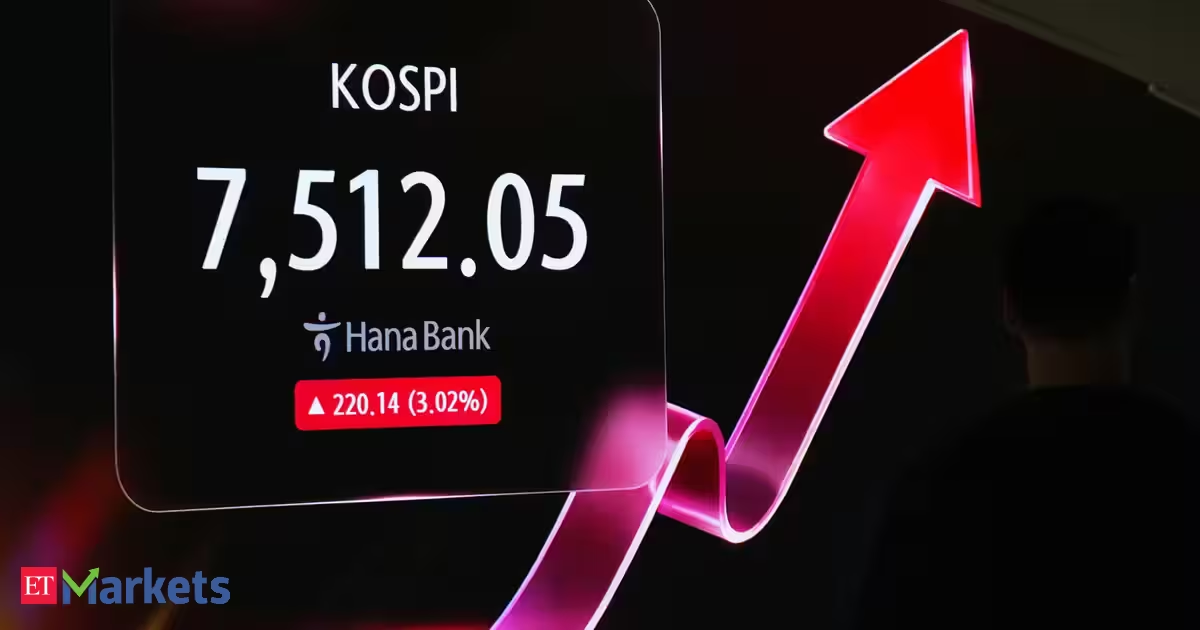
South Korea's Kospi index jumped more than 15 per cent on Friday, tracking Wall Street gains, as artificial intelligence-related stocks bounced back after losses this week.US futures edged higher, and oil prices rose.In early Asian trading, the Kospi rose 15.3 per cent to 6,447.10. Shares of South Korean technology giant Samsung Electronics surged 21.5 per cent, while memory chipmaker SK Hynix soared 25.6 per cent.The Kospi index had plummeted more than 16 per cent on Tuesday and Wednesday on a sell-off of technology stocks in part over worries about an AI bubble and rising intensive competition from chipmaking rivals in China.Tokyo's Nikkei 225 also climbed 5 per cent in early Friday trading. Multinational investment holding company and OpenAI-investor SoftBank Group jumped 14.7 per cent, while chip equipment maker Tokyo Electron rose 9.3 per cent.Oil prices traded higher on tensions between the US and Iran, and as the Strait of Hormuz, a key waterway for oil transport, remained largely closed. Brent crude, the international standard, was up 0.3 per cent to USD 87.14 per barrel. It was around USD 72 a barrel before the start of the Iran war in late February.On Thursday, Wall Street's benchmark S&P 500 was up 1.7 per cent to 7,437.63. The Dow Jones Industrial Average added 1.2 per cent to 52,208.06. The technology-heavy Nasdaq composite rose 2.8 per cent to 25,122.18.
South Korea's Kospi index jumps more than 15 pc on a surge of chipmaking stocks
South Korea's Kospi index saw a significant jump, mirroring Wall Street's positive performance. AI-related stocks experienced a strong rebound after recent declines earlier in the week. Japanese markets also climbed, with technology and investment firms showing gains. Oil prices increased due to ongoing tensions and a closed key shipping route. Major US indices closed higher on Thursday, indicating a positive market sentiment.
TL;DRAI
Samsung (+21.5%) and SK Hynix (+25.6%) recovered from the Kospi's −16% crash on AI bubble fears and Chinese chipmaking pressure. The rally is tactical—signaling memory supply constraints, not resolved AI valuation risk. Tech investments must track the memory cycle, not sentiment.
225 words~1 min read