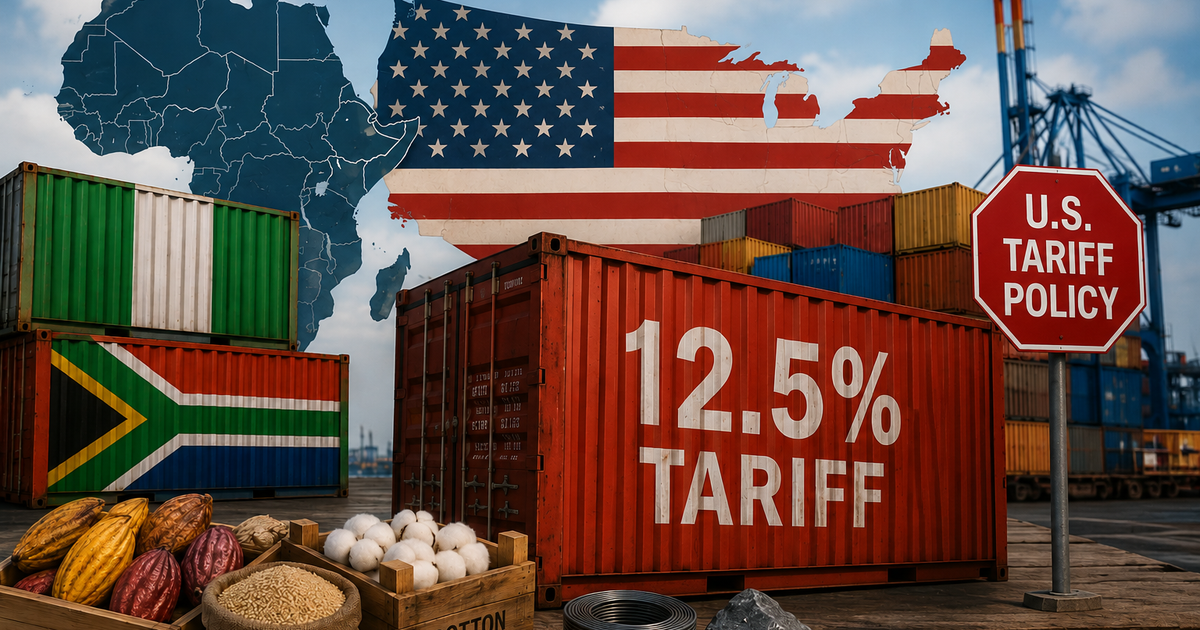
The Federal Government has introduced a sweeping overhaul of Nigeria’s import tariff regime, revising customs duties on nearly 200 product categories as part of efforts to align the country’s trade policy with regional agreements while protecting strategic local industries.
The changes, contained in the Customs, Excise Tariff, Etc. (Variation) Order 2026, obtained by our correspondent on Thursday, affect about 192 product categories spanning food, pharmaceuticals, automobiles, construction materials, electronics, industrial raw materials, steel products, plastics and household goods, making it one of the most comprehensive tariff reviews in recent years.
An analysis of the new tariff schedule indicates that the government retained existing tariff rates on 103 product categories, reduced duties on 74 products and increased tariffs on 12 others, reflecting a targeted approach to protecting strategic industries while easing import costs for selected goods.
It also showed that the 2026 tariff review is largely a tariff reduction exercise, as 54 per cent of the reviewed tariff lines remained unchanged, 39 per cent were reduced, while only about six per cent attracted higher import duties.
The new Order, signed by President Bola Tinubu following the recommendation of the Tariff Review Board, took effect from May 1, 2026, although revised excise duties under the Fifth Schedule became operational from July 1, 2026, with additional rates scheduled for implementation in 2027 and 2028.