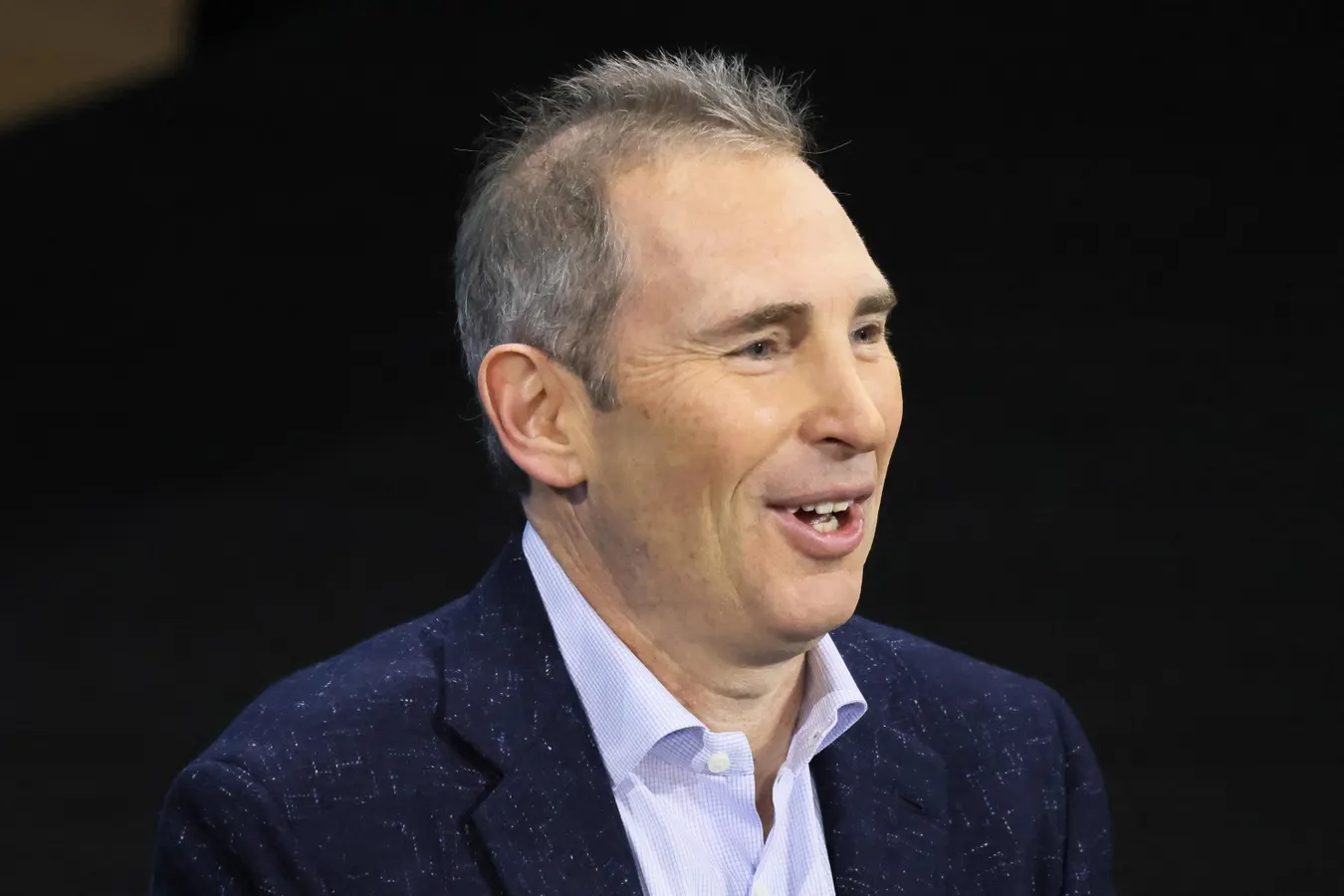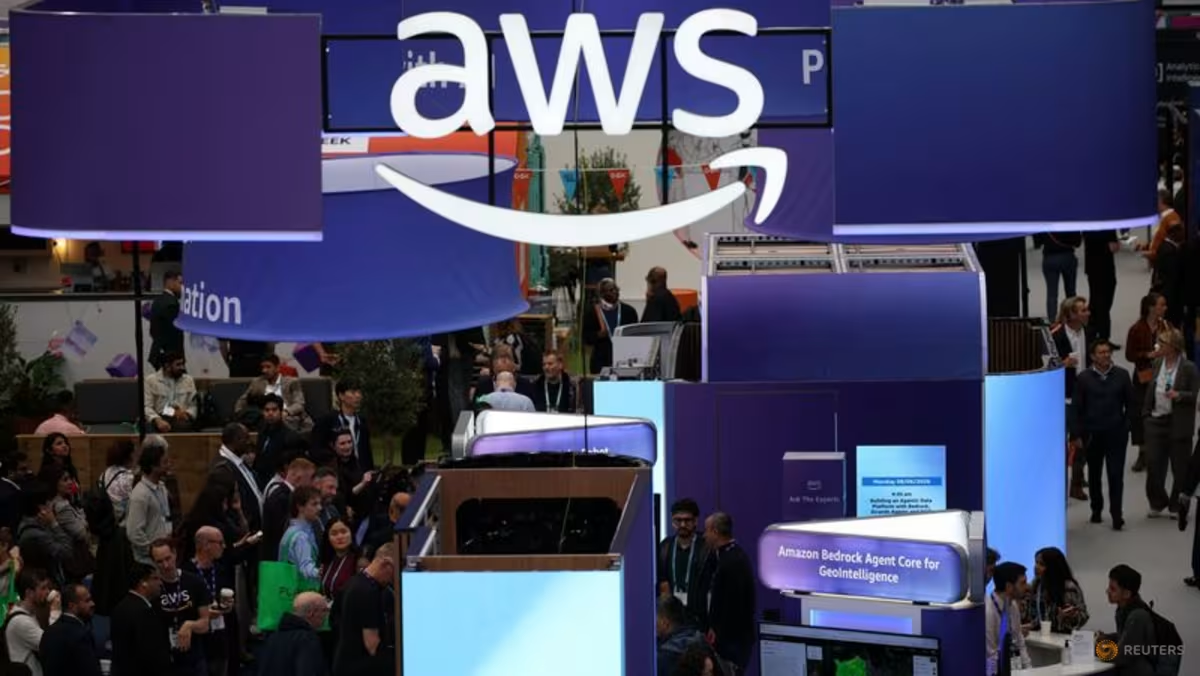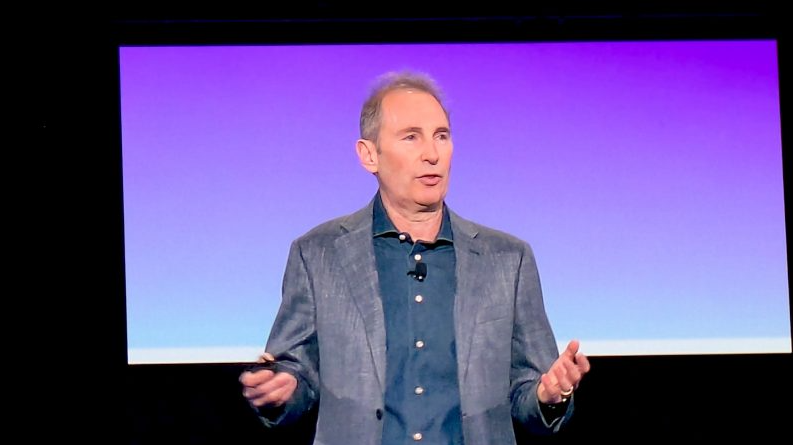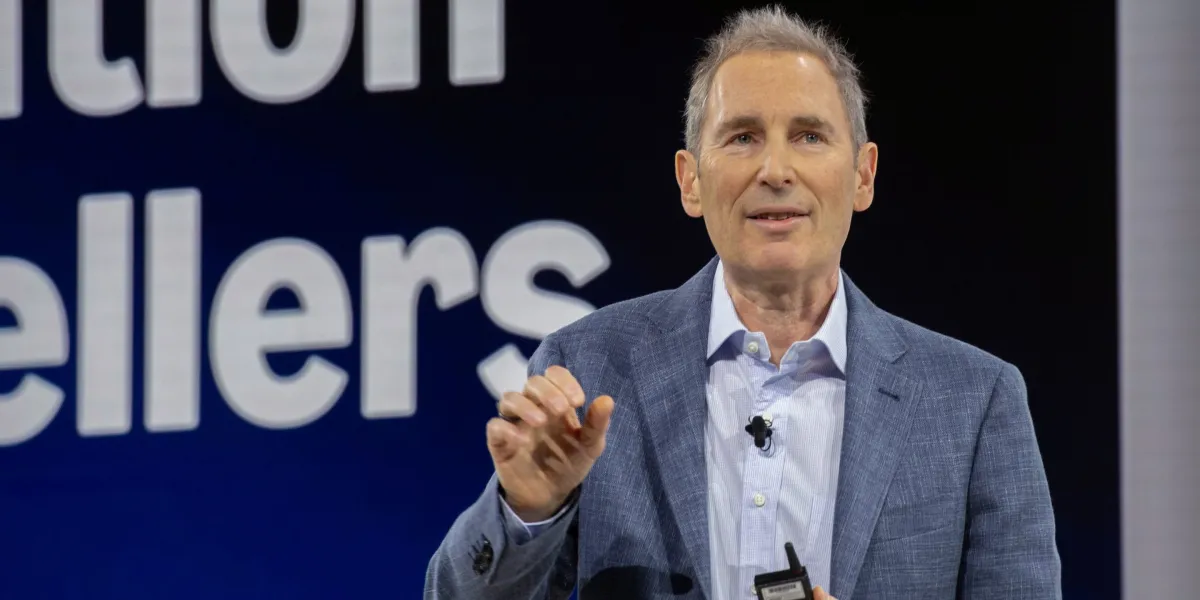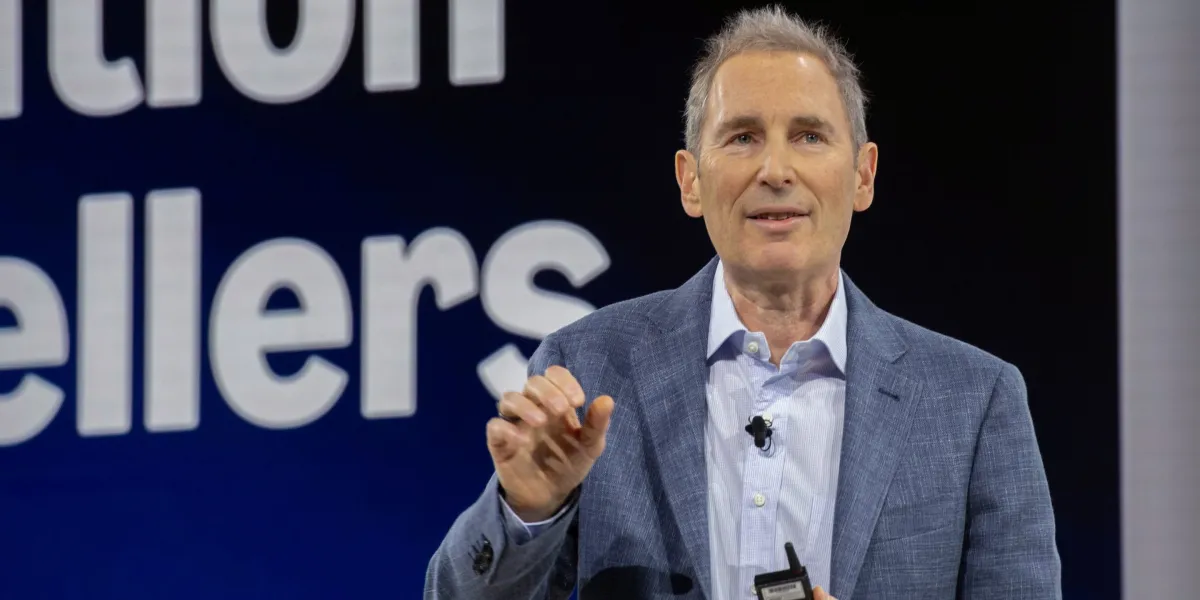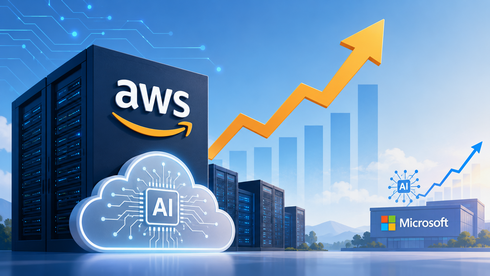
Amazon shares jumped after AWS recorded its fastest growth in 18 quarters, strengthening CEO Andy Jassy’s argument that corporate AI adoption is still in its early stages; Microsoft’s record $450 billion market-value gain offered further evidence that Wall Street will reward costly AI expansion when revenue followsDennis Bihler|Amazon’s enormous artificial intelligence spending plans received a powerful vote of confidence from Wall Street on Thursday after accelerating cloud growth showed that demand is beginning to catch up with the company’s investment.Amazon Web Services revenue climbed 37% from a year earlier to $42.2 billion, marking the cloud division’s fastest growth in 18 quarters. The company raised its expected 2026 capital expenditures by $20 billion to about $220 billion, much of it intended for data centers, chips and other infrastructure needed to support AI workloads.GalleryAmazon lifts AI spending to $220 billion as cloud sales surgeAmazon shares rose more than 8% in after-hours trading following the results and the increased spending forecast. CEO Andy Jassy captured the quarter’s central message in three words: “AWS is booming.”Overall revenue rose 20% to $200.6 billion, exceeding both analysts’ expectations and Amazon’s own guidance. Net income reached roughly $62.2 billion, although most of that figure reflected a $53.4 billion pretax gain tied primarily to Amazon’s investment in AI developer Anthropic.The company nevertheless reported negative free cash flow of $7.6 billion, illustrating the extraordinary cost of building the infrastructure behind the AI boom. Amazon spent $54.2 billion on property and equipment during the second quarter alone.Jassy argued that the market remains in the early stages of AI adoption and described demand as forming a “barbell.”At one end are AI laboratories consuming huge amounts of computing capacity and runaway generative AI products such as ChatGPT and Anthropic’s Claude. At the other are businesses already using AI to reduce costs and improve productivity.Between them lies what Jassy called the “middle of the barbell”: the vast collection of existing corporate workloads that have not yet adopted AI inference at scale.“That is going to change very significantly over time,” he said, predicting that this middle category will eventually become the largest source of demand.“I think we’re still in the relatively early stages of how much demand there’s going to be for AI,” Jassy added. “I think it’s going to change every customer experience that we know.”Amazon’s cloud backlog has grown to nearly $500 billion, while AWS has reached an annualized revenue run rate of about $169 billion. Jassy said the division would rank among the largest companies in the United States even if it operated independently.Amazon has also deepened its ties to Anthropic, which has committed to purchasing more than $100 billion in Amazon cloud services. The relationship is designed to generate returns on both sides: Anthropic receives capital and computing power, while Amazon gains a major customer for its data centers and custom AI chips.The results stood out because investors have grown increasingly wary of technology companies announcing ever-larger AI budgets without showing equally clear financial returns.Meta shares fell sharply after the Facebook parent projected weaker free cash flow and higher capital spending. Alphabet also faced a selloff after raising its investment forecast and moving into negative free cash flow.Amazon, however, offered investors a simpler equation: spending is rising, but so is its cloud business.Microsoft delivered an even more dramatic example of the market’s shifting approach to AI spending.Its shares surged 16%, adding approximately $450 billion in market value in a single session, the largest one-day gain ever recorded by a U.S. company, after its earnings eased fears that data-center and chip spending was growing faster than revenue.Microsoft delivered an example of the market’s shifting approach to AI spending (Photo: AP\Ted S. Warren)The contrast with Meta was stark. While Microsoft generated $19.6 billion in quarterly free cash flow, Meta produced less than $800 million and warned that free cash flow could turn negative later in the year.The message from investors was not that AI infrastructure spending had become irrelevant. It was that companies must demonstrate how that spending produces cloud growth, paying customers and durable cash flow.Microsoft CEO Satya Nadella has described AI as one of the most consequential technology platform shifts, predicting that AI agents will become a dominant computing workload and expand the market across the economy. Microsoft previously said its AI business had surpassed a $37 billion annual revenue run rate, growing 123% year over year.The company has continued adding data-center capacity while improving the efficiency of the infrastructure already in place. Nadella said Microsoft had increased inference throughput for its most widely used Copilot models by 40% and was building capacity according to the demand signals it was seeing.Amazon and Microsoft are therefore presenting investors with variations of the same argument: today’s extraordinary capital spending is not speculative construction but preparation for a computing market that is already expanding and may become far larger.The market’s response suggests Wall Street is prepared to accept even historic levels of AI expenditure, but only when companies can prove that customers are arriving almost as quickly as the data centers.
‘AWS is booming’: Amazon lifts AI spending to $220 billion as cloud sales surge
Amazon shares jumped after AWS recorded its fastest growth in 18 quarters, strengthening CEO Andy Jassy’s argument that corporate AI adoption is still in its early stages; Microsoft’s record $450 billion market-value gain offered further evidence that Wall Street will reward costly AI expansion when revenue follows
AWS revenue jumped 37% to $42.2B (fastest in 18 quarters) as Amazon raises 2026 capex to $220B for AI infrastructure. Jassy argues most enterprise workloads haven't yet scaled AI inference, pointing to enormous untapped corporate demand ahead. Wall Street rewards AI spending only when it drives cloud growth and cash flow. AWS's $500B backlog and $169B run rate prove demand is materializing; Meta's negative FCF and Microsoft's +16% surge show the market demands proof of returns, not speculation.