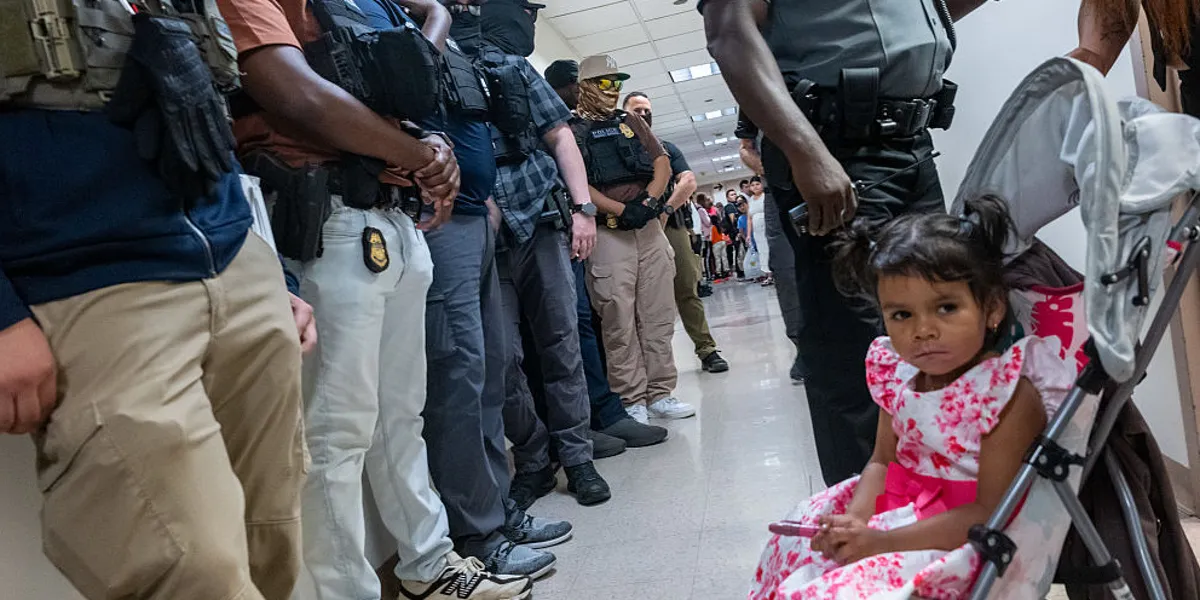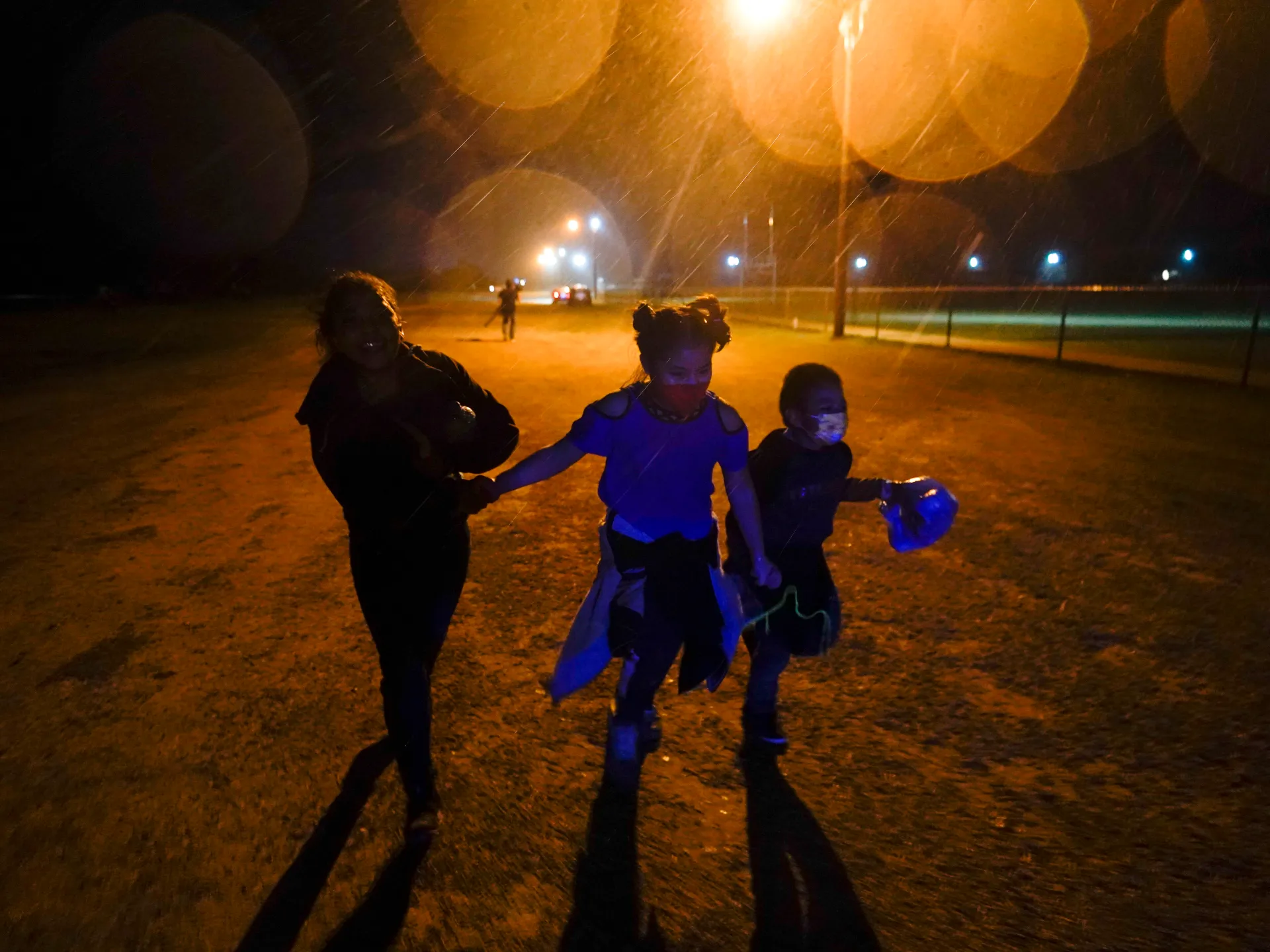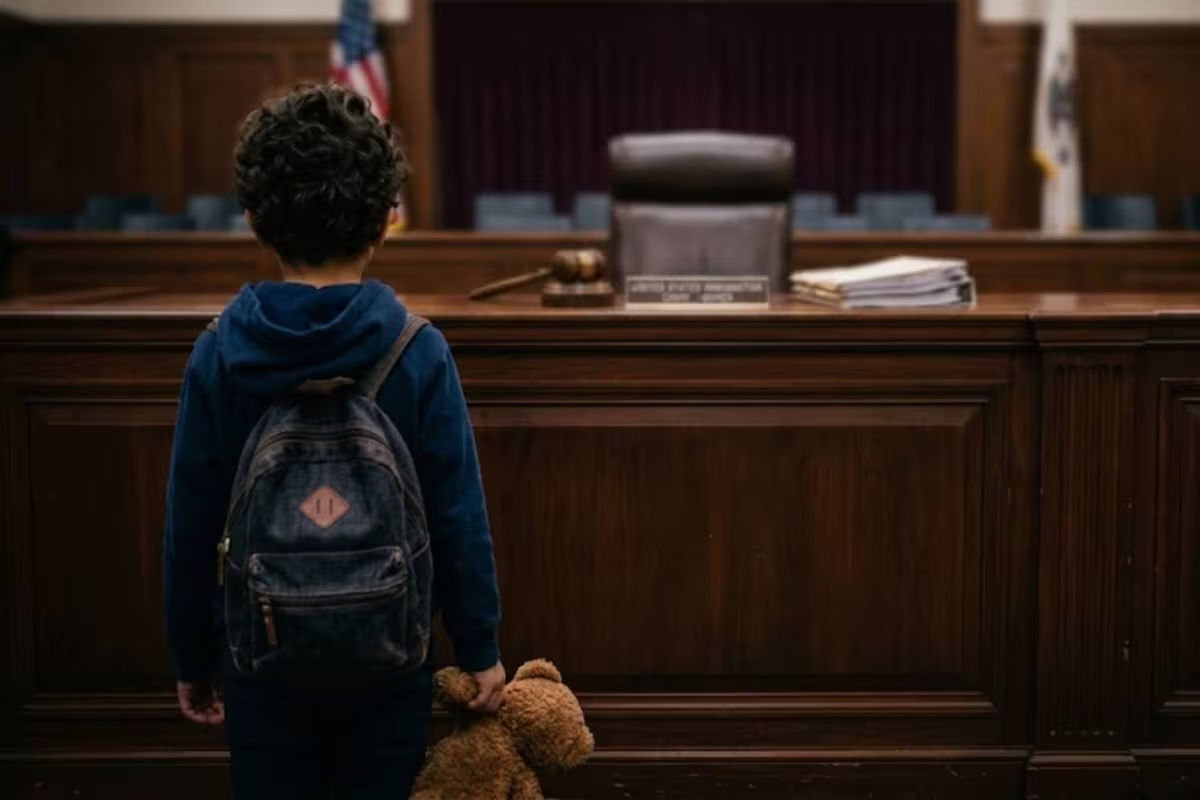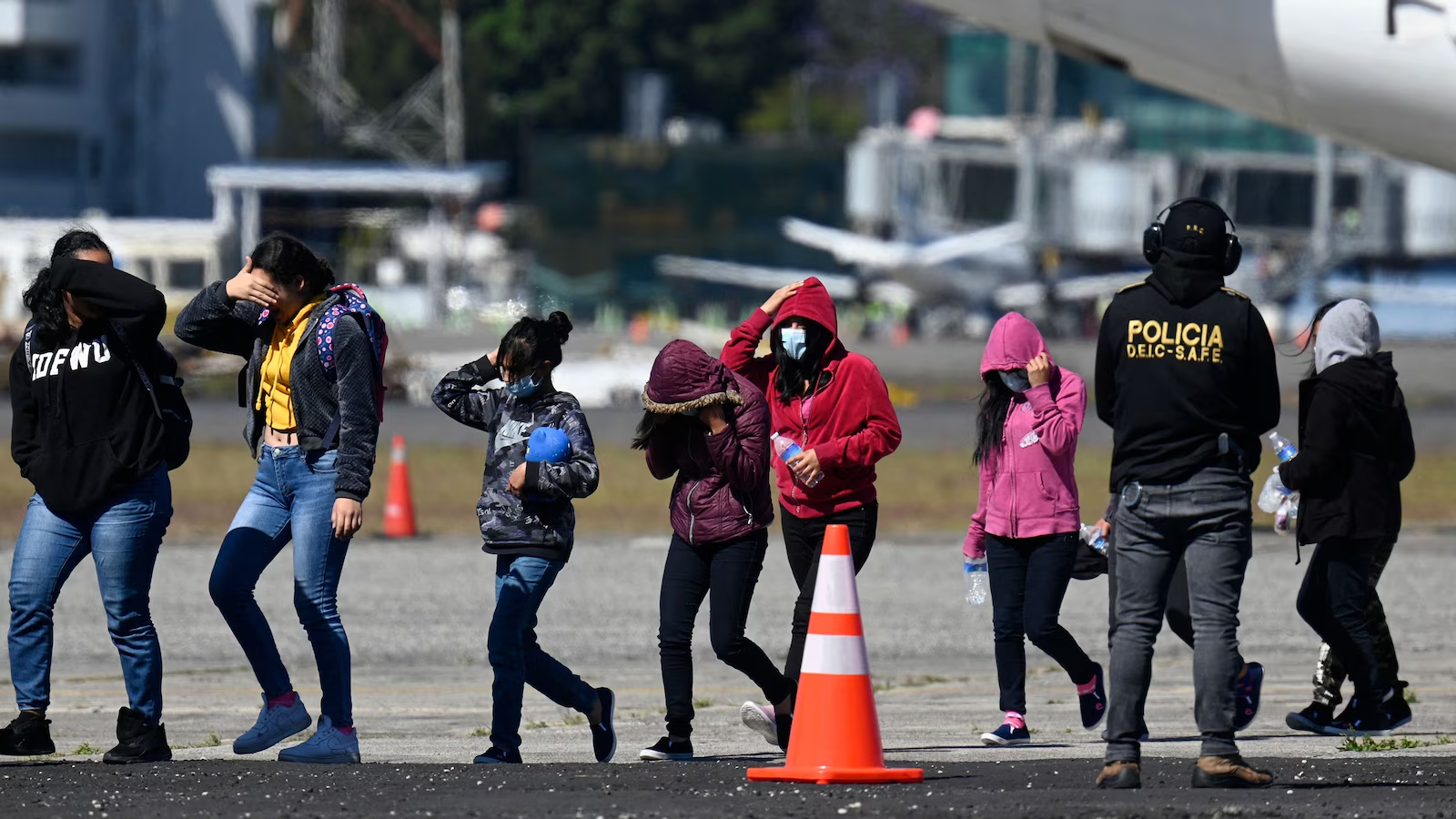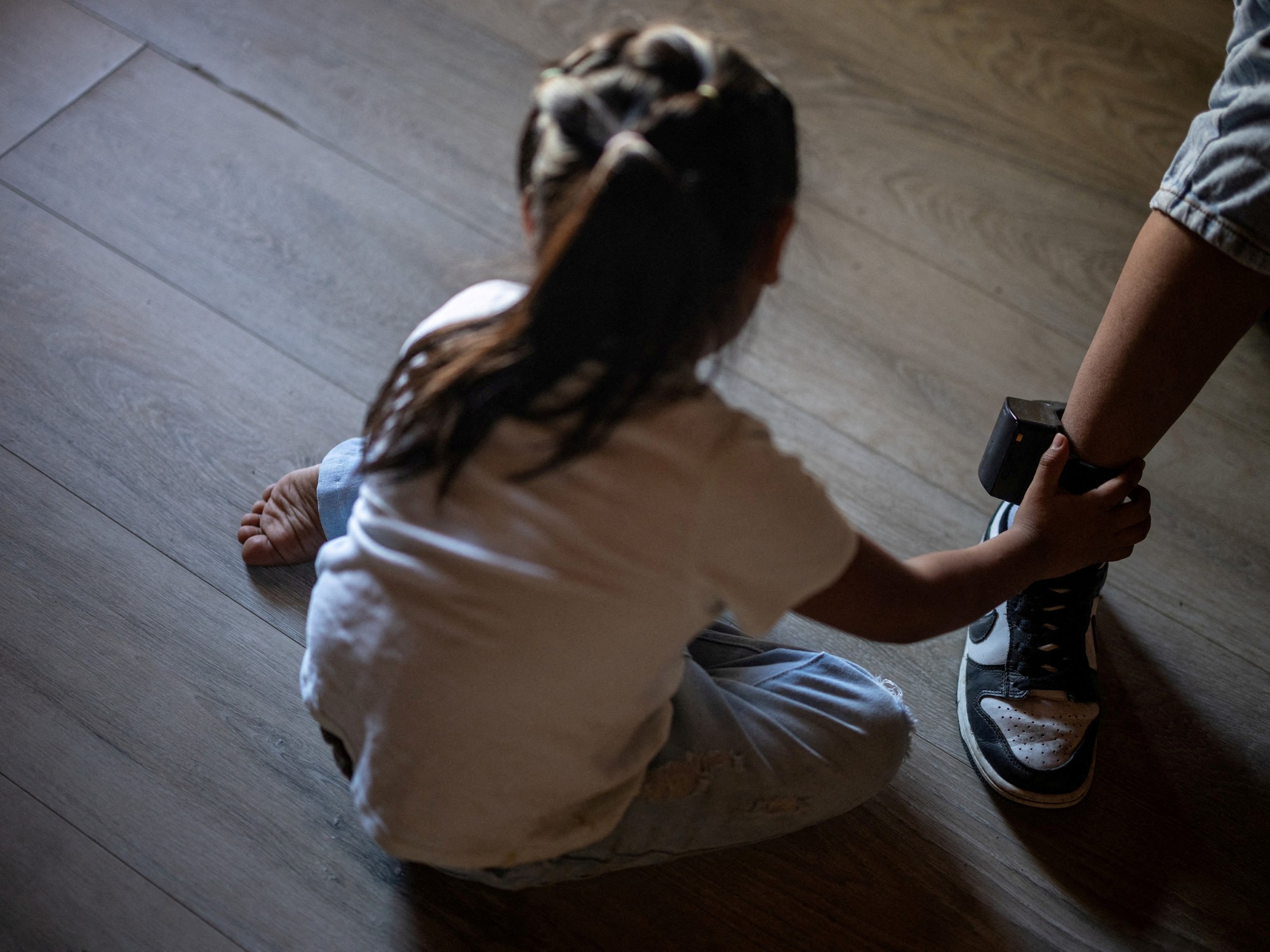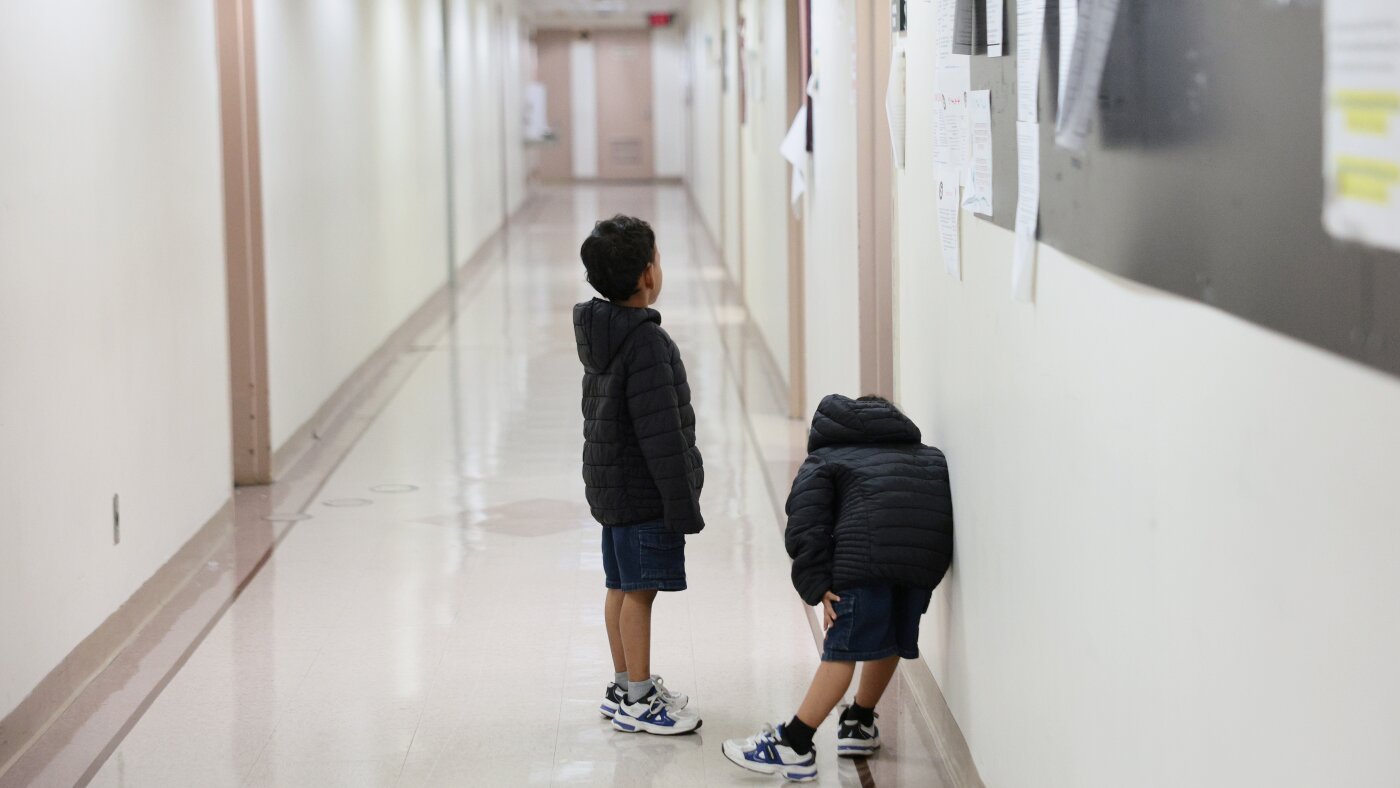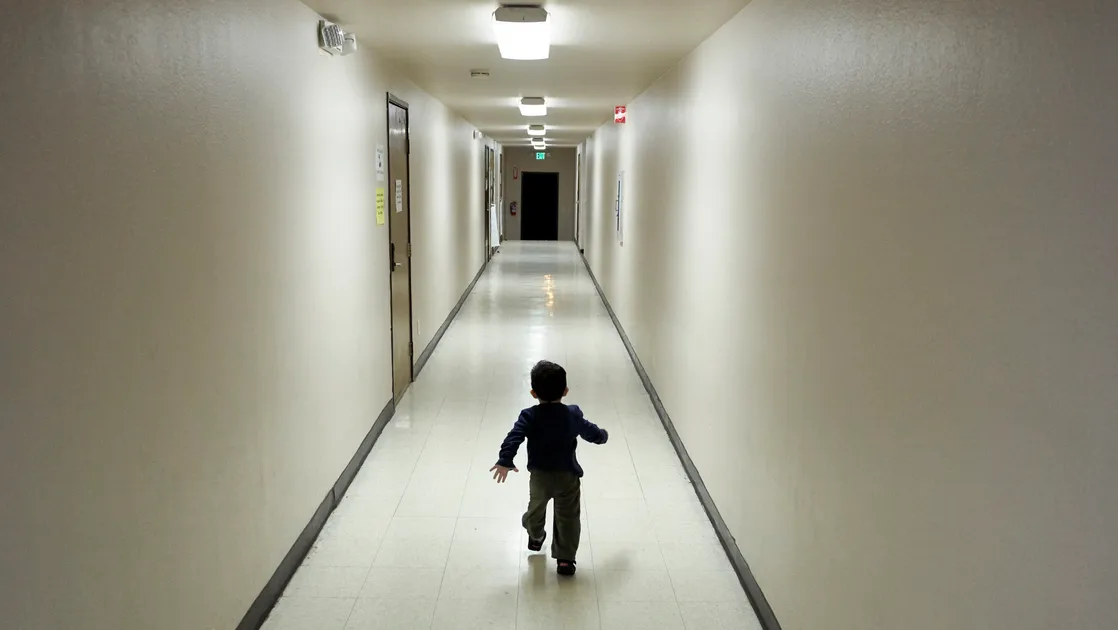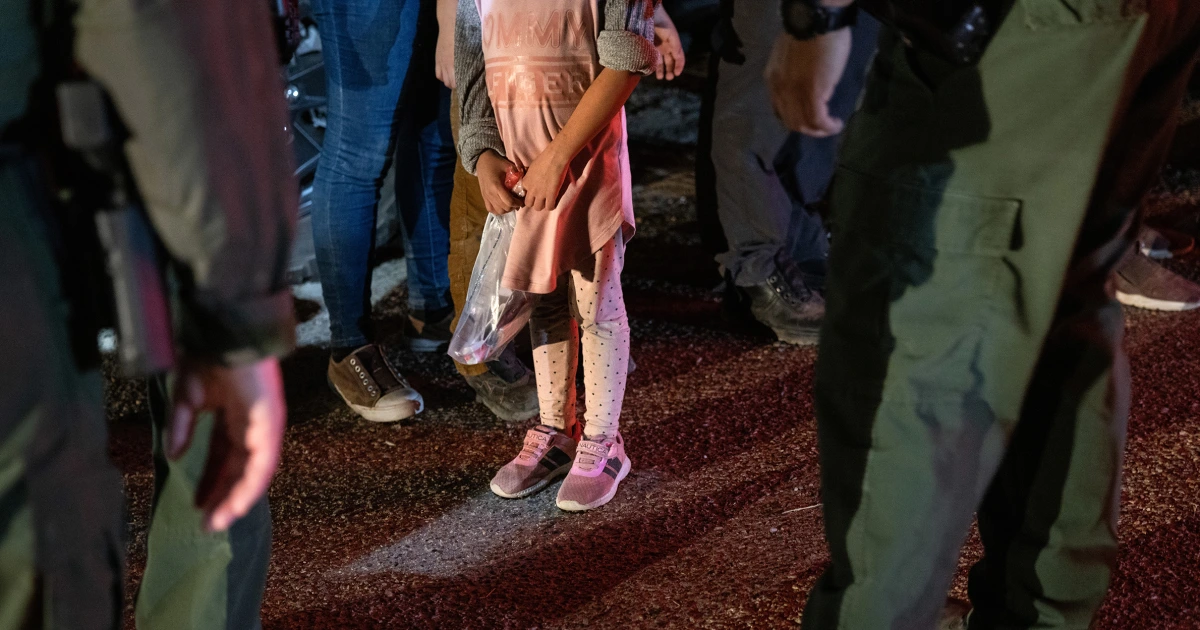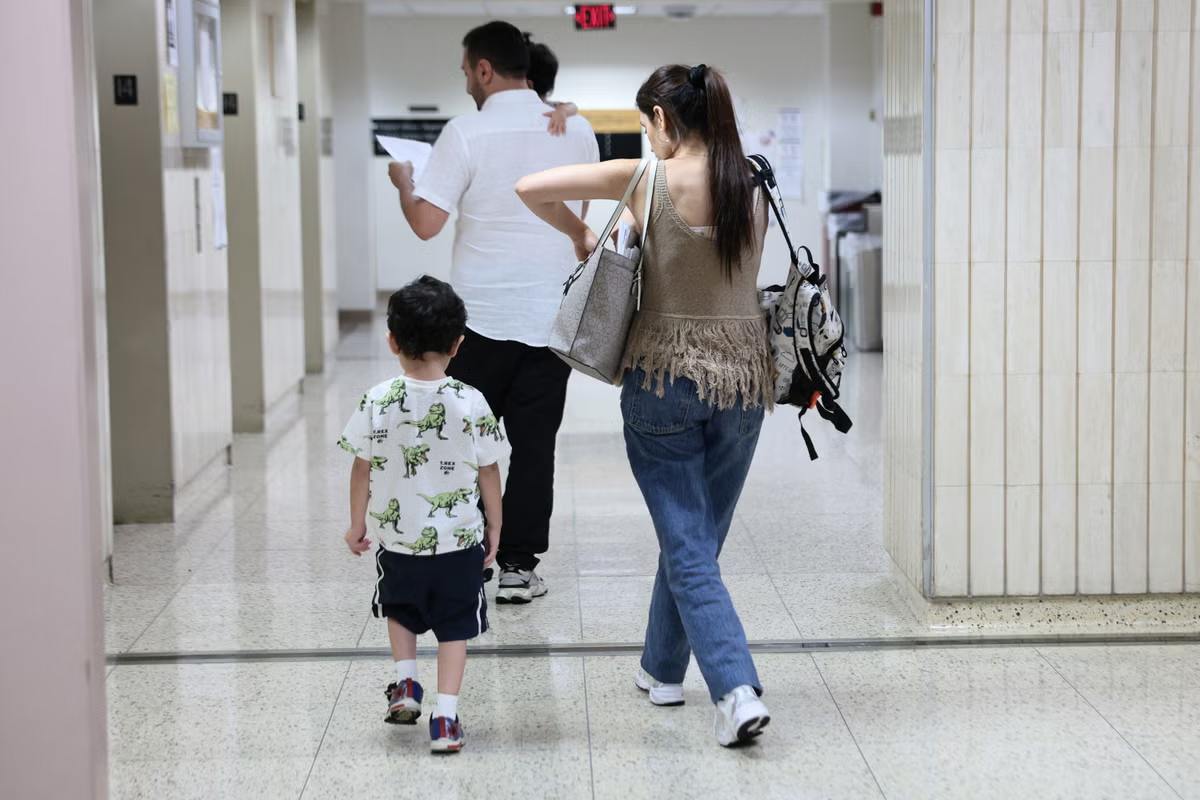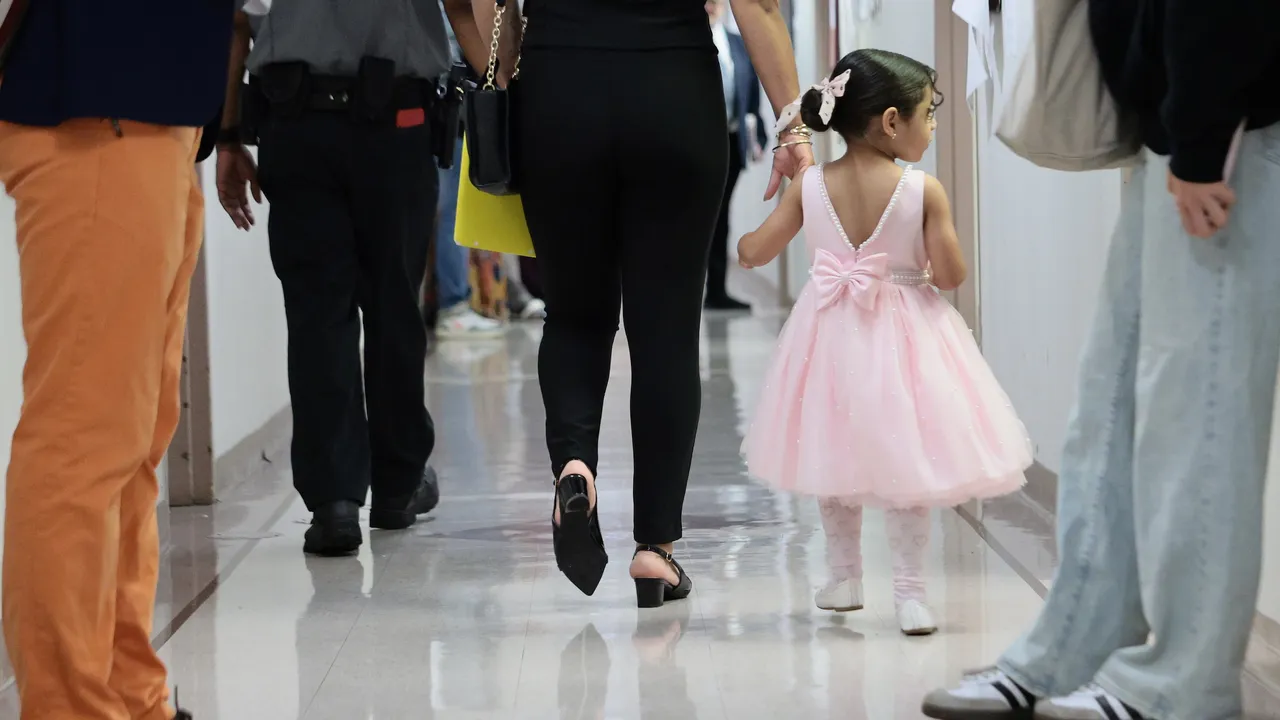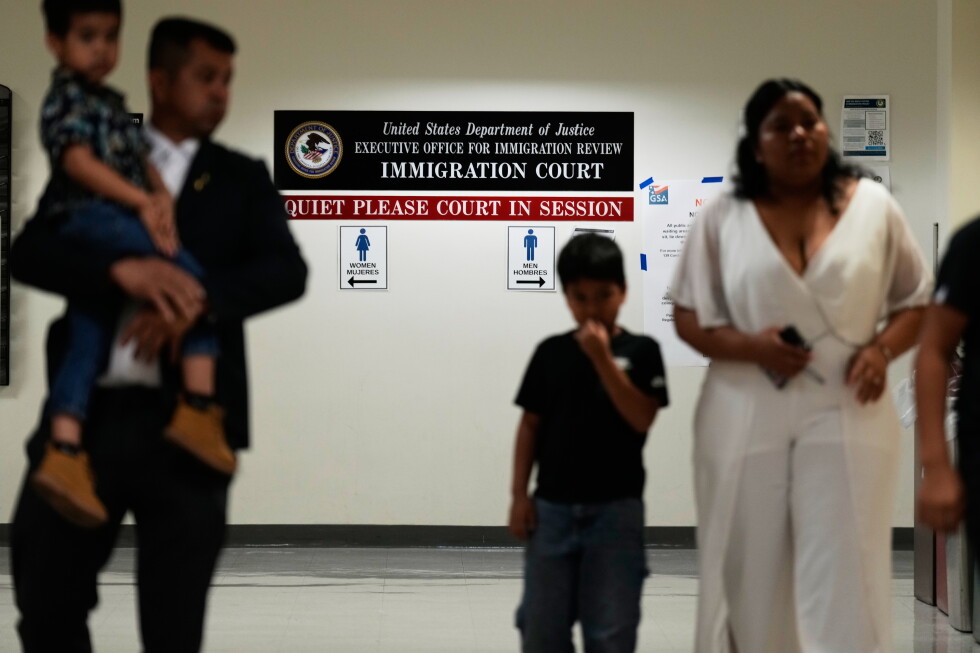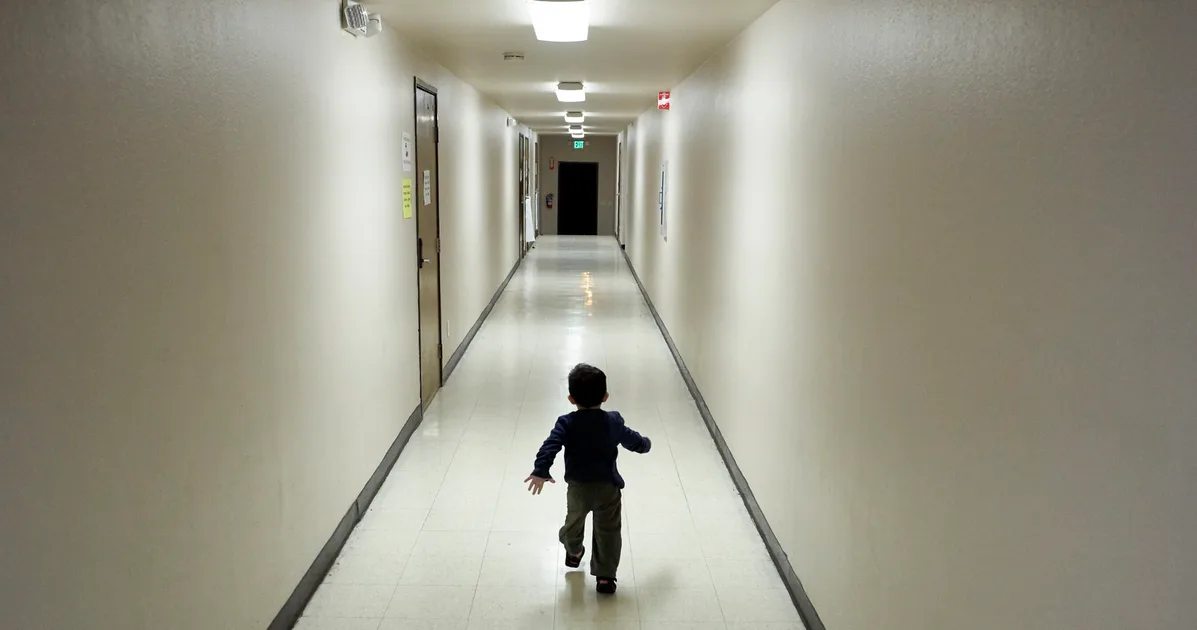
Attorneys for Estrella del Paso, a free immigration legal clinic in El Paso, Texas, carry a very special tool to certain hearings: a stuffed animal.The plushies come along anytime the group’s lawyers represent unaccompanied immigrant youth — children who have been in the government’s custody because they arrived at the U.S.-Mexico border without a parent or guardian, or, more frequently since last year, after they were detained in the interior of the country.“I don’t know very many attorneys that carry stuffed animals with them along with their case files, but our attorneys do, because we understand the very specific needs of unaccompanied children,” Melissa Lopez, Estrella del Paso’s executive director, said on a recent conference call.But that’s all changing this week: The group is ending its work on a government-funded unaccompanied children program because the Trump administration hasn’t paid it the money it owes them for months. “We are owed a significant amount of money, nearly $1 million for our program, and we are not able to sustain this program absent this contract,” Lopez said in another press call Wednesday. Come Friday, she added, “We will have to terminate the staff that is working on this program, and we will have to close this program ― a program that we’ve spent 20 years developing the expertise in.” Estrella del Paso, which represents 243 children in immigration proceedings, is part of a nationwide network of government subcontractors that represent over 24,000 unaccompanied children in immigration proceedings. Without these services, children might otherwise be left to fend for themselves in the notoriously complicated and adversarial process. The dozens of organizations that comprise the network as subcontractors haven’t received payment for months of work – totaling over $65 million in unpaid work, groups suing the administration have estimated. The government hasn’t paid for any work performed since November, providers say, and in recent months has insisted it will only hand over the money in exchange for information about the children that the lawyers say is confidential. The Trump administration has also not yet proposed an extension to the program’s contract, which is set to expire on Friday, despite it being continuously funded by Congress for nearly 20 years. “We know what happens when children go to court without an attorney,” Lopez said. “One word: deportation.” “And that, frankly, is what the government wants.” An asylum-seeking boy from Central America runs down a hallway after arriving from an immigration detention center to a shelter in San Diego, California, on Dec. 11, 2018.Gregory Bull via Associated PressEven though people in immigration proceedings are not guaranteed an attorney if they can’t afford one, Congress has set aside funding since 2008 to ensure that thousands of unaccompanied children in deportation proceedings receive legal representation.But administration officials have seemingly made it their mission to degrade the program in Donald Trump’s second term: Just weeks after taking office again, Trump tried to strip funding from the program altogether, but a federal judge blocked the move last year. Then, in December, the government simply stopped paying the legal providers for their work. Eventually, officials insisted that in exchange for payment, they would need lawyers to turn over certain information. In a legal filing from the affected organizations last week, the groups say the government requested “timesheet-style information” for each child client ― which had never been required before and which the groups had not been recording ― as well as “legally privileged or confidential” information, such as “specific work individual attorneys are doing for individual clients.” In June, federal agents actually showed up, unannounced and without warrants, at the offices of some of the legal providers, seeking records about their work. As recently as last week, the government refused a last-ditch attempt at a compromise, providers said. The groups had offered to hand over a forward-looking list ― with the caveat that they would need their clients’ consent for certain information ― of which children had received representation in a given month, the hours billed for each child, and the government identification number, known as an “a-number,” associated with each case.The Department of Health and Human Services, which is responsible for the custody of unaccompanied immigrant children through its Office of Refugee Resettlement, did not respond to HuffPost’s request for comment. As a result of the loss of funds, groups across the country have had to furlough attorneys, stop taking on new clients, and in some cases, may have to stop participating in the government program altogether.Kids In Need of Defense, for example, says it is owed over $20 million. The group was among those visited by federal agents last month. A couple of weeks later, it announced its intent to stop providing services under the government program at the end of July, saying it was “necessary to ensure the organization’s long-term viability.” The Trump administration has an established track record of targeting migrant children. A document first reported by HuffPost tried to get unaccompanied children to leave the U.S. “voluntarily” by threatening them with “prolonged” detention, as well as potential legal consequences for them and any family members who applied to take custody of them. Time spent in government shelters for unaccompanied children has risen from a few days to around 200 days over the course of Trump’s second term, according to government figures. And family members who come forward to take custody of children in the government’s shelter system are often arrested by immigration agents themselves ― leading attorneys for immigrant children to allege the government is using the children as “bait” to make arrests. Over 12,000 people have been arrested by immigration authorities after tips from the Office of Refugee Resettlement, Reuters reported this week. And a ProPublica analysis of ICE data this month found that unaccompanied children in the United States were being detained and removed from the country at a rate about three times higher than during Trump’s first term. Providers say the administration’s apparent efforts to undermine them fit this trend. “They are clearly trying to destroy the [unaccompanied children] program by grinding down the financial health of nonprofits,” Michael Lukens, executive director of the Amica Center for Immigrant Rights, said Wednesday. The Trump administration has in recent months funded the program in quarterly “bridge” contract extensions despite Congress providing money for its express purpose since 2008. Now, though, the latest extension is set to expire Friday with no extension in sight. “If there’s no contract in place come Friday, the program is going to come grinding to a halt,” Lukens said. “But the cases aren’t going to halt ― the kids are still going to be going to court. And honestly, most of the nonprofits are going to try and do as much work as they can without getting paid.” Like Estrella del Paso, Amica is a plaintiff in the lawsuit challenging the Trump administration over the funding freeze, which is known as CLSEPA v. HHS. Though a judge blocked the administration from simply cutting funding off last year, the administration’s refusal to pay reimbursement to the legal providers has been the subject of months of back-and-forth between the parties. Last week, the legal providers filed an emergency motion to force payment. The judge in their case gave the administration a Friday deadline to respond, ahead of a hearing scheduled for Aug. 6. Even if the government decides to offer another “bridge” contract, some organizations can’t continue working without pay, Lopez said. And even if they wanted to continue the work, without a contract, it’s unclear if the group would be allowed access to kids in government shelters, she said, which raises additional concerns, as the attorneys often serve as a lifeline for the kids and a trusted voice to report incidents like abuse.The standoff comes as the government is pressing immigration officials to process cases more quickly, adding even more pressure to the children and their attorneys to prepare for hearings. “We have over 28 asylum interviews in the next four to six weeks,” Meena Shah, managing director of legal services for The Door, a New York-based youth empowerment nonprofit, said Wednesday. Shah said the group is owed almost $2 million from the government for its work on the unaccompanied children program. “So our teams are entirely at-capacity in preparing clients for those interviews, and we are not going to be paid for those services.” Kids in the churn of the Trump administration’s immigration enforcement machine don’t have the luxury of simply waiting for the Trump administration to pay its bills, she added. “We can’t go to a judge on Monday and say, ‘Hey, we’re waiting to hear what will happen with our contract, so can you give us a continuance?’” Shah said. “No, the judges are moving forward. They are taking pleadings from children on the charges against them without representation. They’re going to order children deported without attorneys present ― without representation for those children. This is a very real risk that we anticipate will start Monday morning.”
These Lawyers Make Sure Children Don’t Face Deportation Hearings Alone. Trump Hasn't Paid Them In Months.
“We know what happens when children go to court without an attorney,” a lawyer said. “One word: deportation.”
1,498 words~7 min read