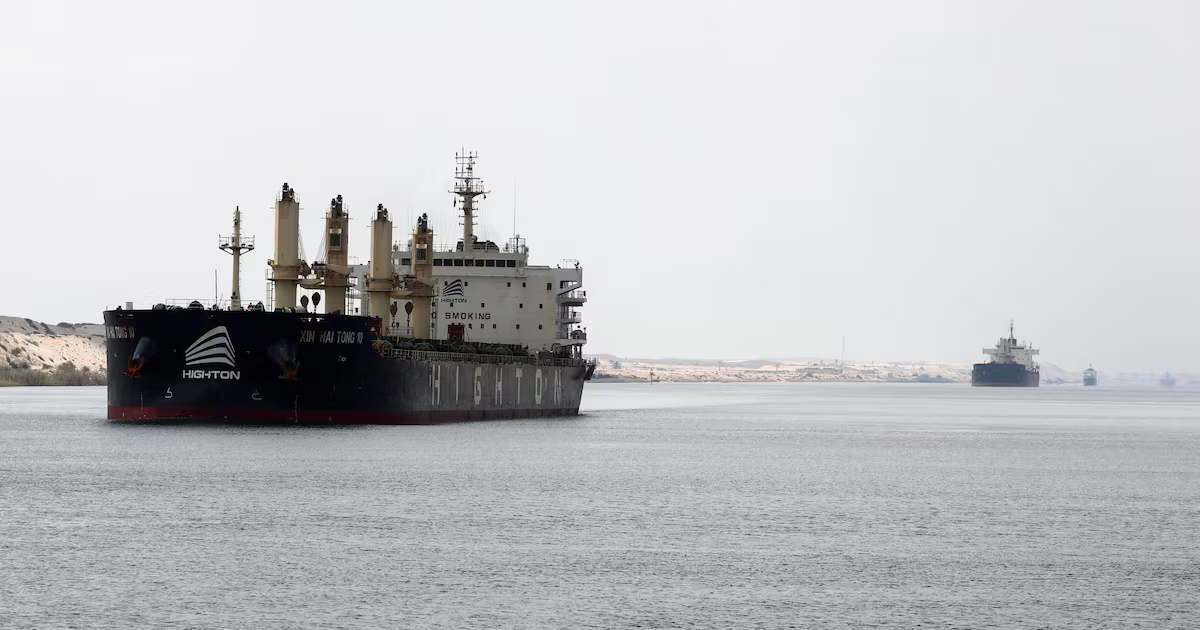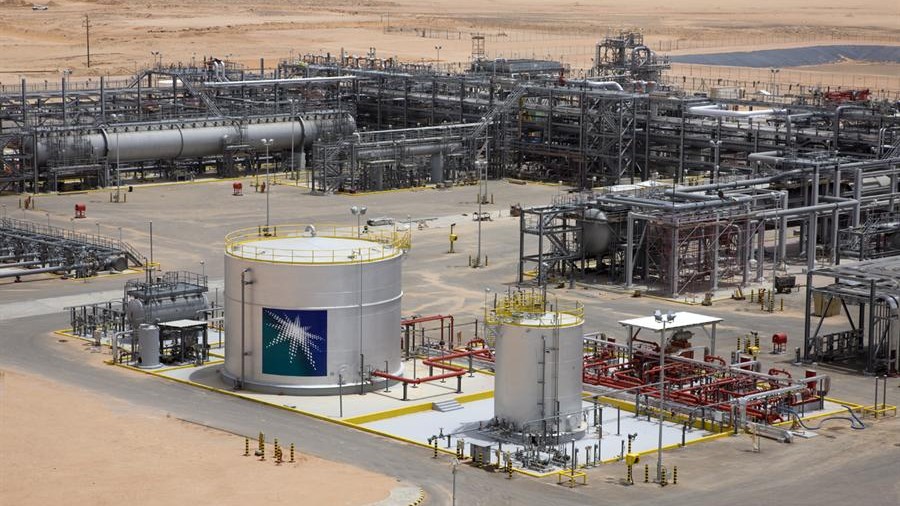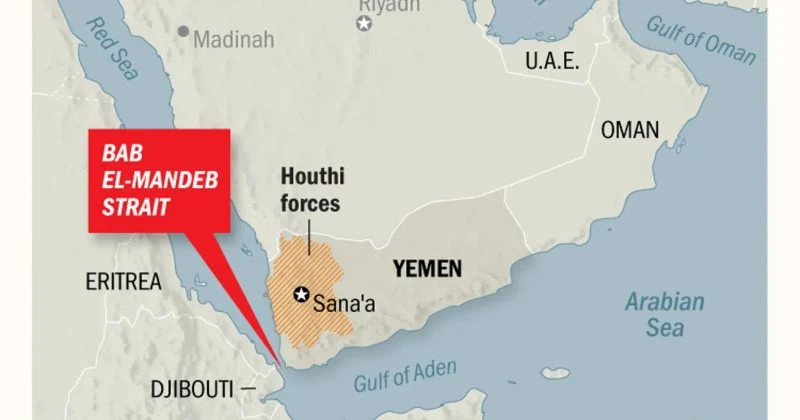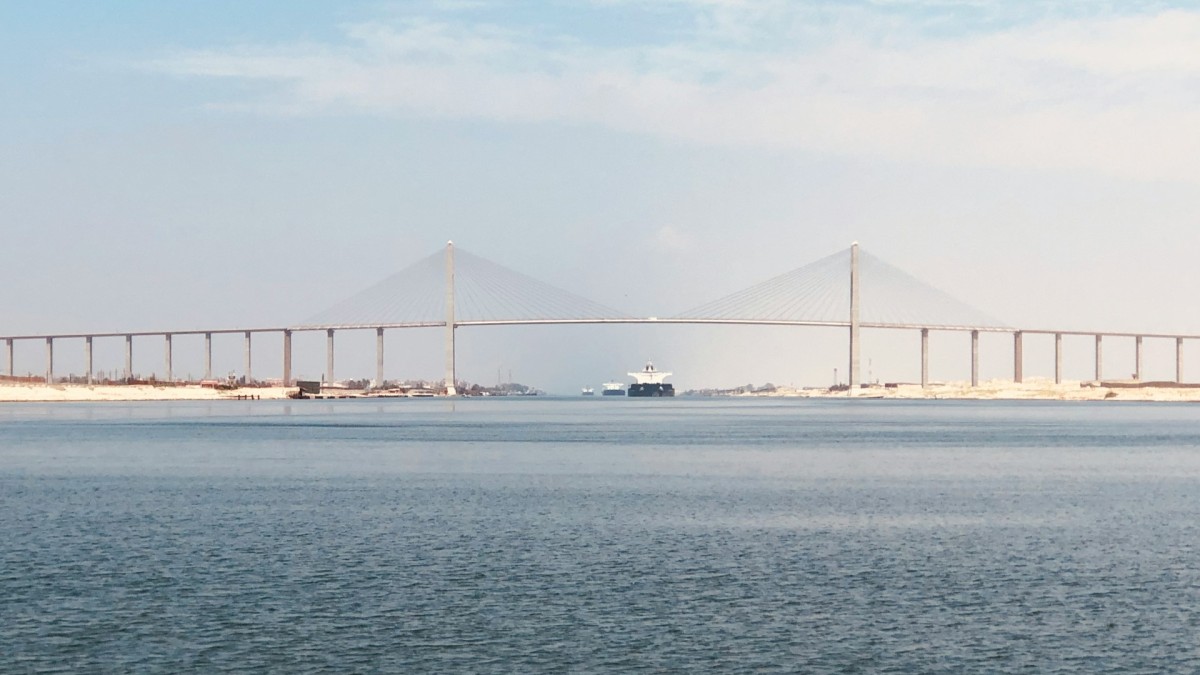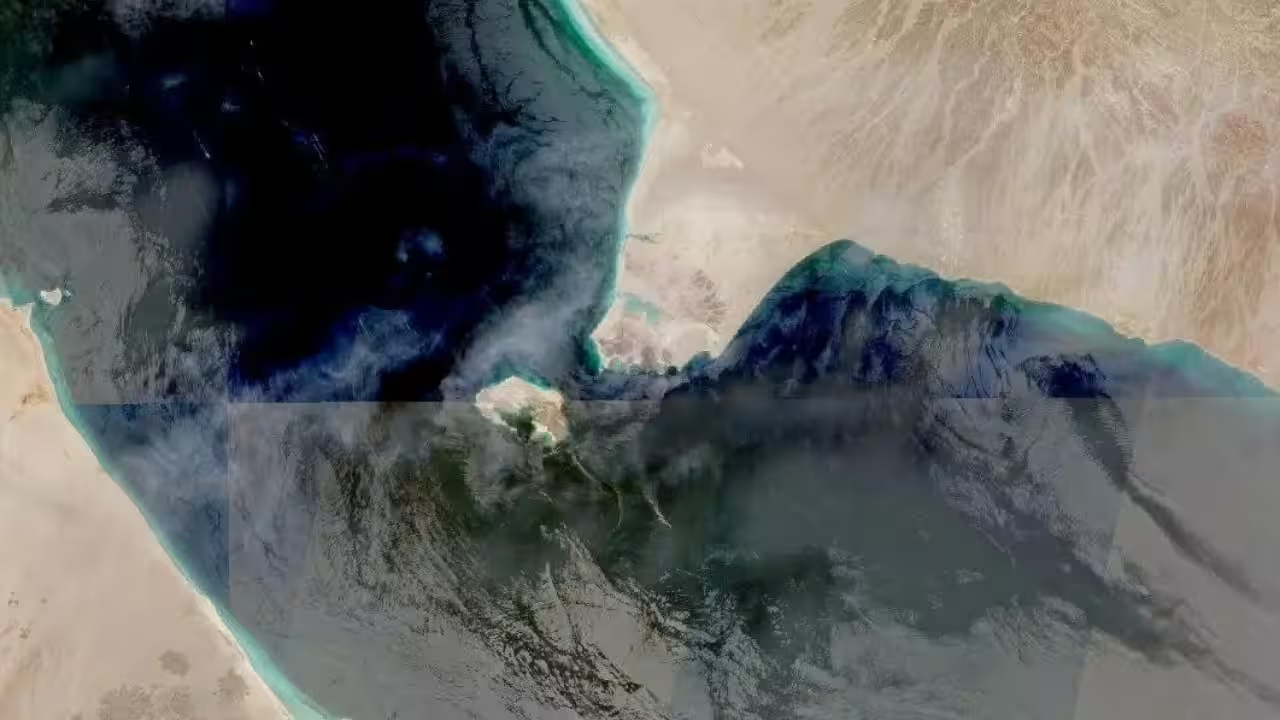
Threats against Saudi Arabia's oil exports from its West Coast by Yemen-based Houthis risk a significant intensification of the unprecedented supply crisis facing global markets due to the monthslong near-closure of the Strait of Hormuz. The restriction of Saudi shipments through the Bab al-Mandeb strait, and attacks on Saudi upstream and downstream facilities, will exacerbate ongoing supply tightness, complicate west-east export logistics and add to the geopolitical premium for oil prices. In 2023-24, the Houthis' campaign against Saudi oil in the Red Sea prompted a swift and dramatic decline in shipping traffic in the region; preliminary data indicates a similar trend unfolding today. Between Jul. 21 — after the Iran-allied Houthis announced their "maritime embargo" on Saudi ships — and Jul. 29, only three Saudi crude cargoes, comprising a total of 3.6 million barrels, crossed Bab al-Mandeb, according to data from ship tracker Kpler. That's down from an average of around 15 cargoes per week prior to the latest escalation of Houthi-Saudi tensions in the Red Sea. Total Saudi deliveries of crude, refined products and LPG via the strait have plummeted from around 3.8 million barrels per day on a weekly basis prior to the Houthi blockade to 1.4 million b/d during the week starting Jul. 20, shipping data shows. Non-Saudi flows through the strait have also slowed, which is unsurprising given the heightened shipping risk in the area after several vessels with Saudi cargoes were attacked last week. Two vessels laden with crude from South Sudan crossed Bab al-Mandeb in the past week, but no shipments of Russian crude to Asia or Indian refined products to Europe — two regular and critical flows through the Red Sea — have crossed the strait since Jul. 18. That's a troubling sign given existing shortages of both in those respective markets.
Houthi Threats on Saudi Oil Shift Market Hopes to Suez
A critical post-Hormuz reroute for Saudi crude and products exports could now be choked off, leaving the northern route as the kingdom's only real option.
299 words~1 min read