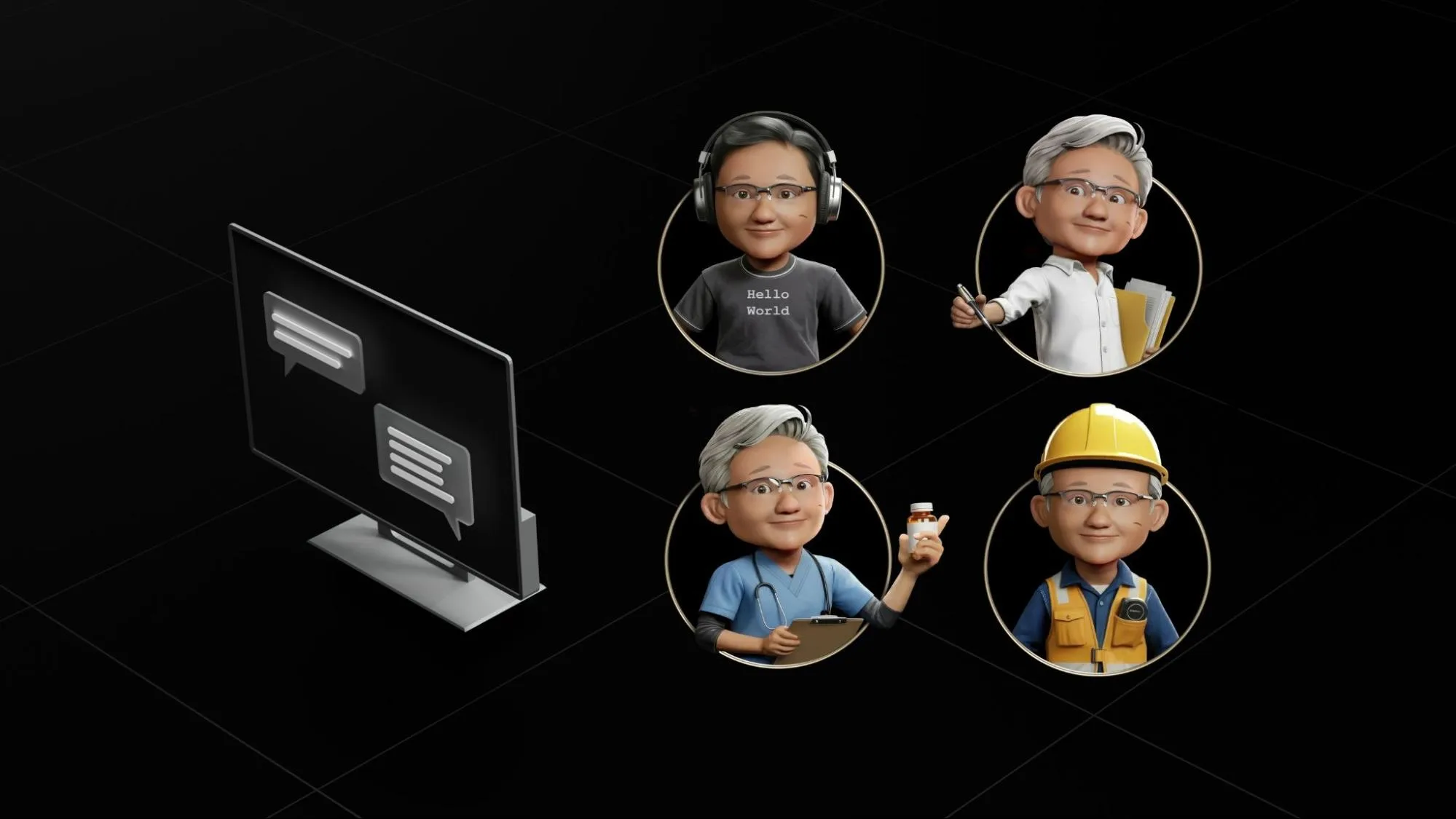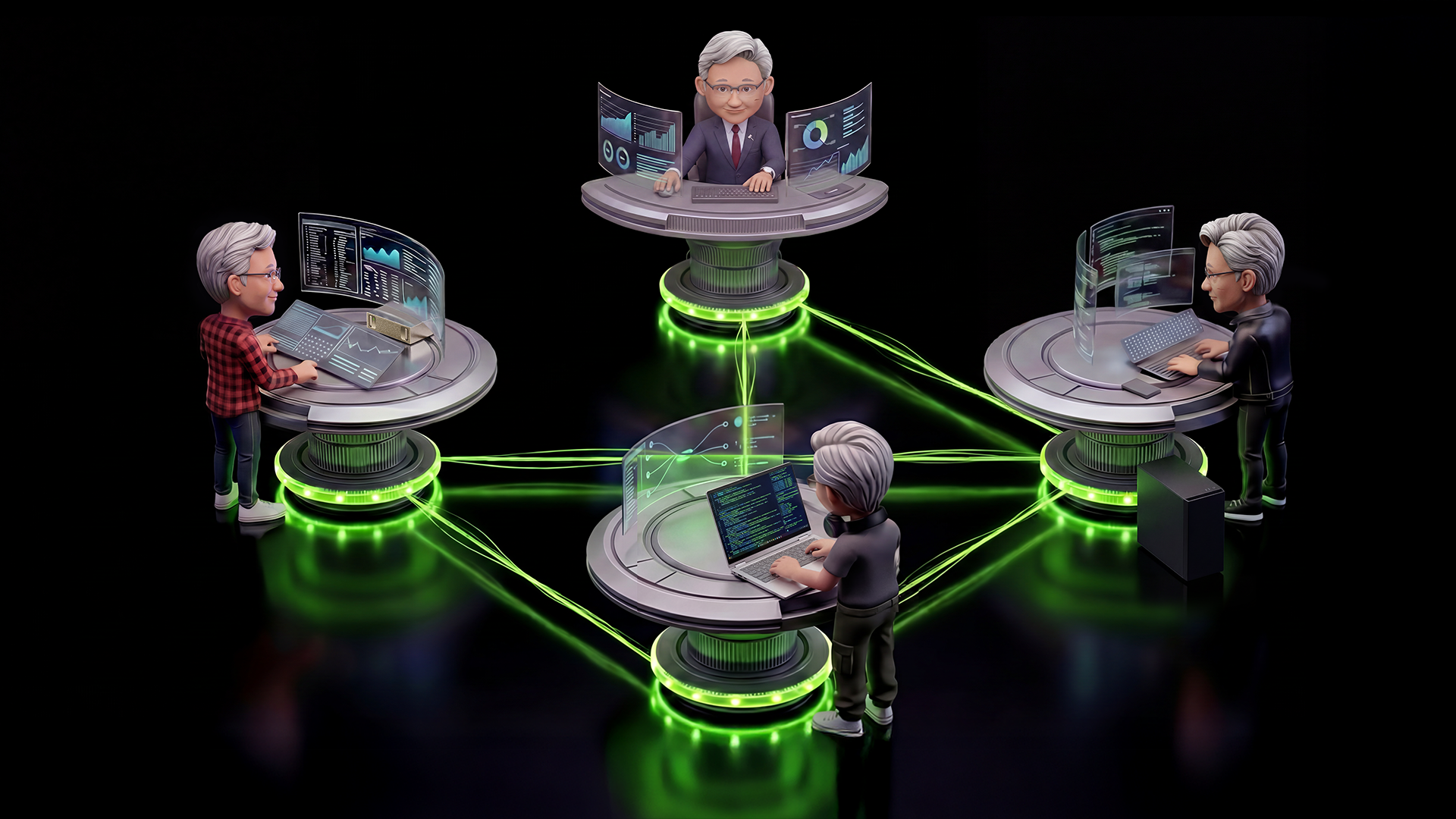
Knowledge workers are increasingly integrating AI agents into their workflows. Agents that function as “digital coworkers” offer clear benefits. For example, they can review a bug report, implement and test a fix, push a patch, and ping a human for review. By handling routine tasks, agents have the potential to deliver large productivity gains. On the other hand, connecting a large language model (LLM) to live tools and corporate data through an agentic harness risks turning a helpful assistant into privileged software with a poorly understood attack surface.
Over the past six months, the NVIDIA AI Red Team has assessed multiple AI agents—from simple interactive coding tools to always-on autonomous digital assistants. When an agent proved exploitable, we typically saw the same key failure modes, regardless of the framework or harness used, including:
Lack of access control to the agent.
Agent tools that enable arbitrary code execution.
No network egress controls.