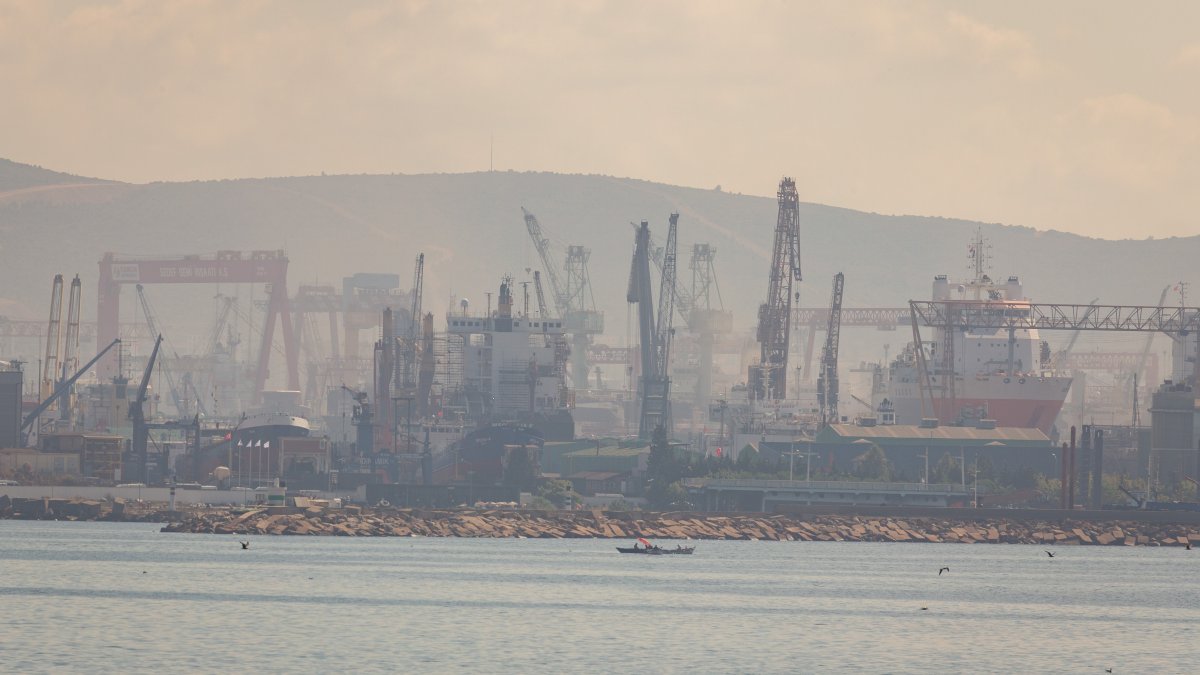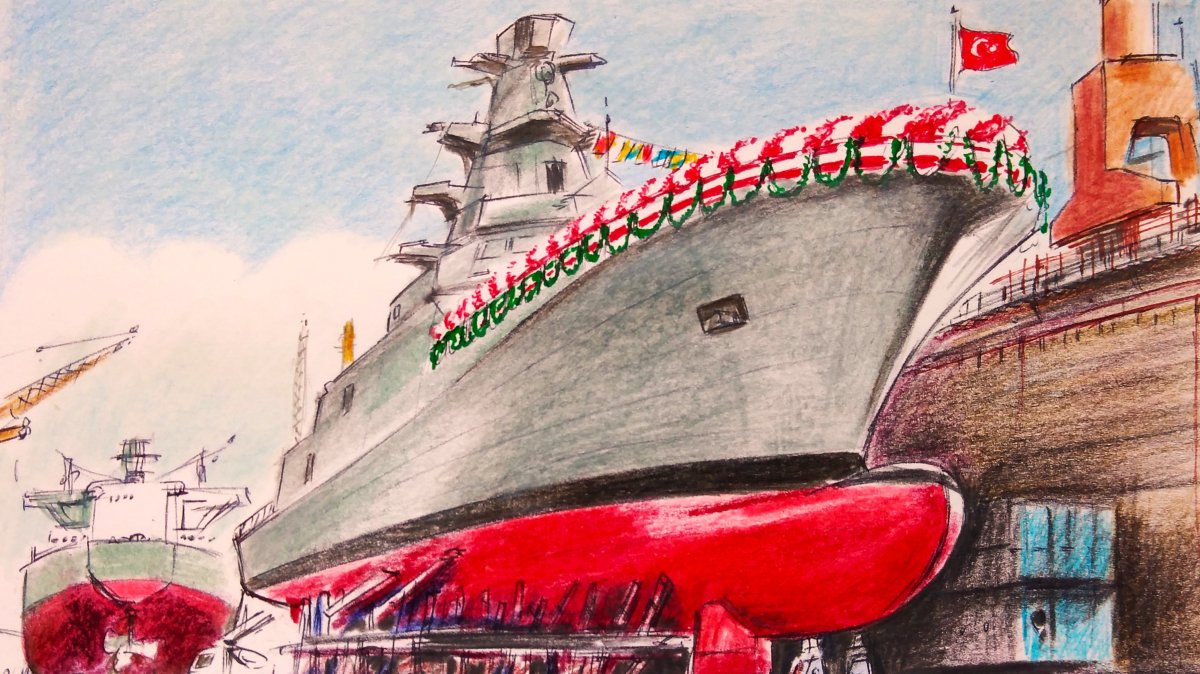
In a recent statement, President Recep Tayyip Erdoğan signaled a new era in Türkiye’s developing relations with the U.S. In this new phase, which could be described as “strategic cooperation” in the defense industry, the goal is to take new steps in the defense sector between Türkiye and the U.S. A key aspect of these steps is cooperation in the shipbuilding sector. In remarks made during the NATO summit held in Ankara, President Erdoğan stated that Türkiye could produce platforms such as frigates, corvettes and submarines for the U.S. in its own shipyards. While this vision has the potential to offer solutions to the U.S.’s current industrial crises, it faces various obstacles stemming from U.S. laws.
Crises in shipbuilding industry
The challenges facing the U.S. Navy and the shipbuilding industry have been the focus of serious debate in recent years. Despite increasing competition with China on the world’s oceans, the U.S. is struggling to build new ships and maintain its existing fleets. Efforts are underway to overcome these problems, which are described as serious and chronic.
Many warships and nuclear submarines operated by both the U.S. Navy and the Marine Corps are not operational and are idling in ports because they have not received timely maintenance. Changes in the deployment schedules of naval platforms have disrupted planned maintenance and led to complex scheduling issues. Additionally, a significant shortage of engineers and technicians at relevant shipyards in the U.S. is a major factor. This situation leads to overwork among current personnel and, over time, their departure from the system. Another issue concerning shipyards is inadequate physical infrastructure. The equipment at existing shipyards is outdated and unable to meet the Navy’s growing demands. Finally, new submarine and ship projects are exceeding their planned budgets and falling years behind delivery schedules due to supply chain issues.