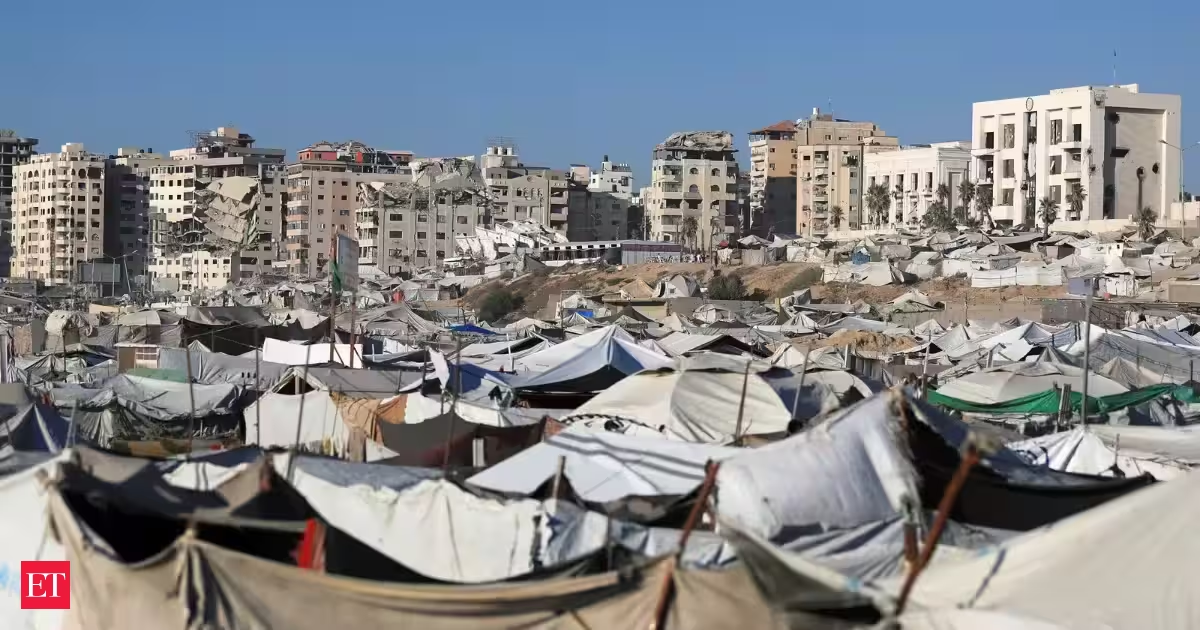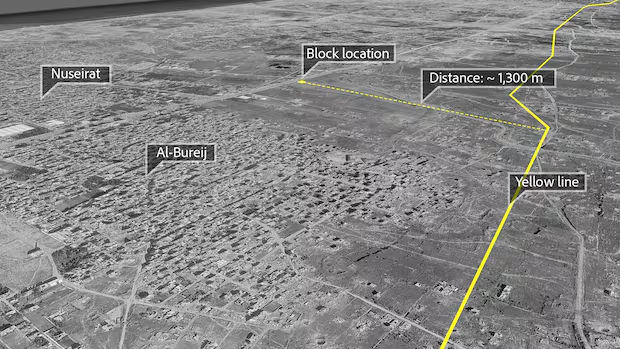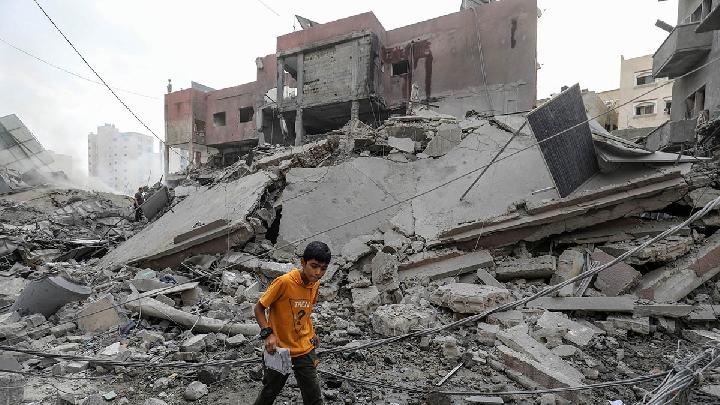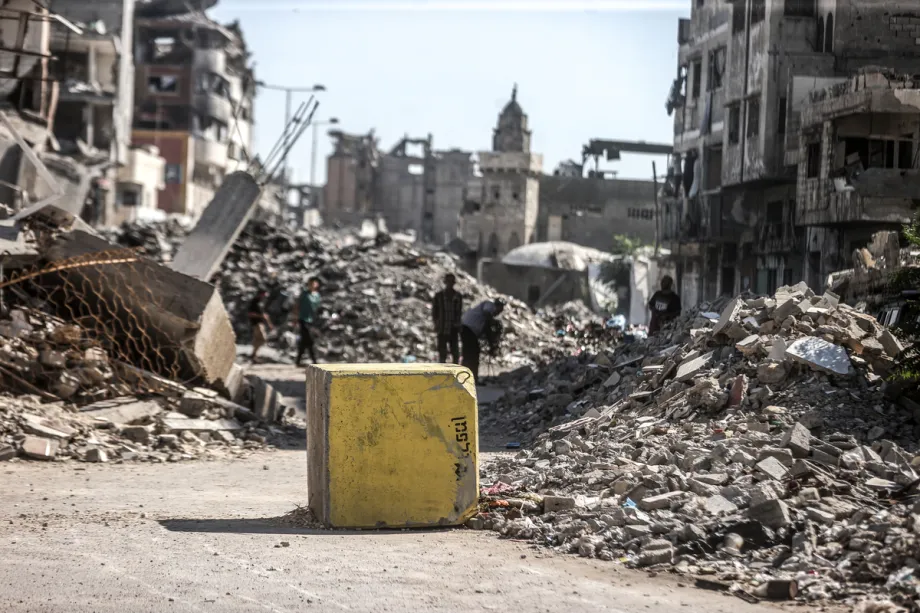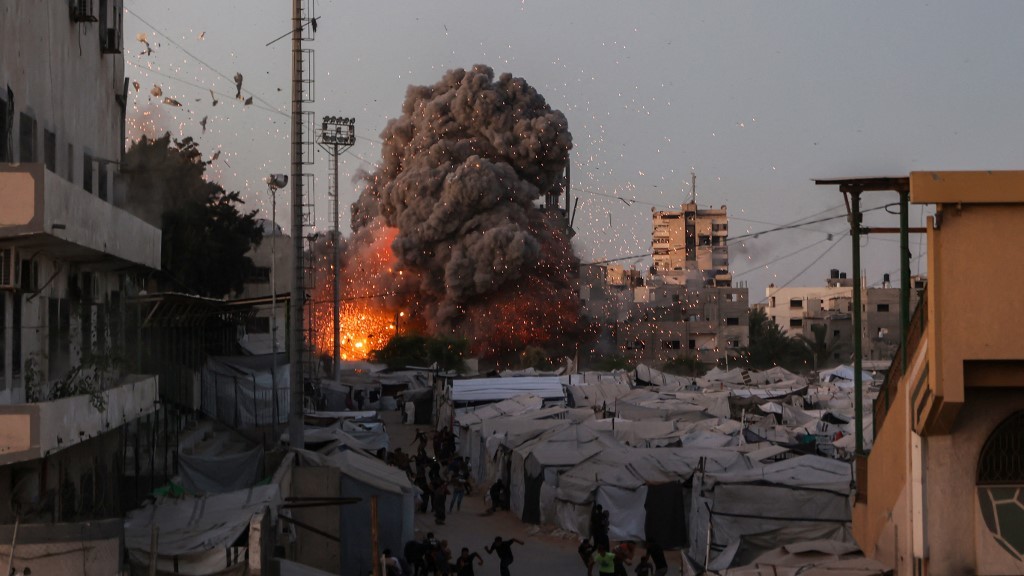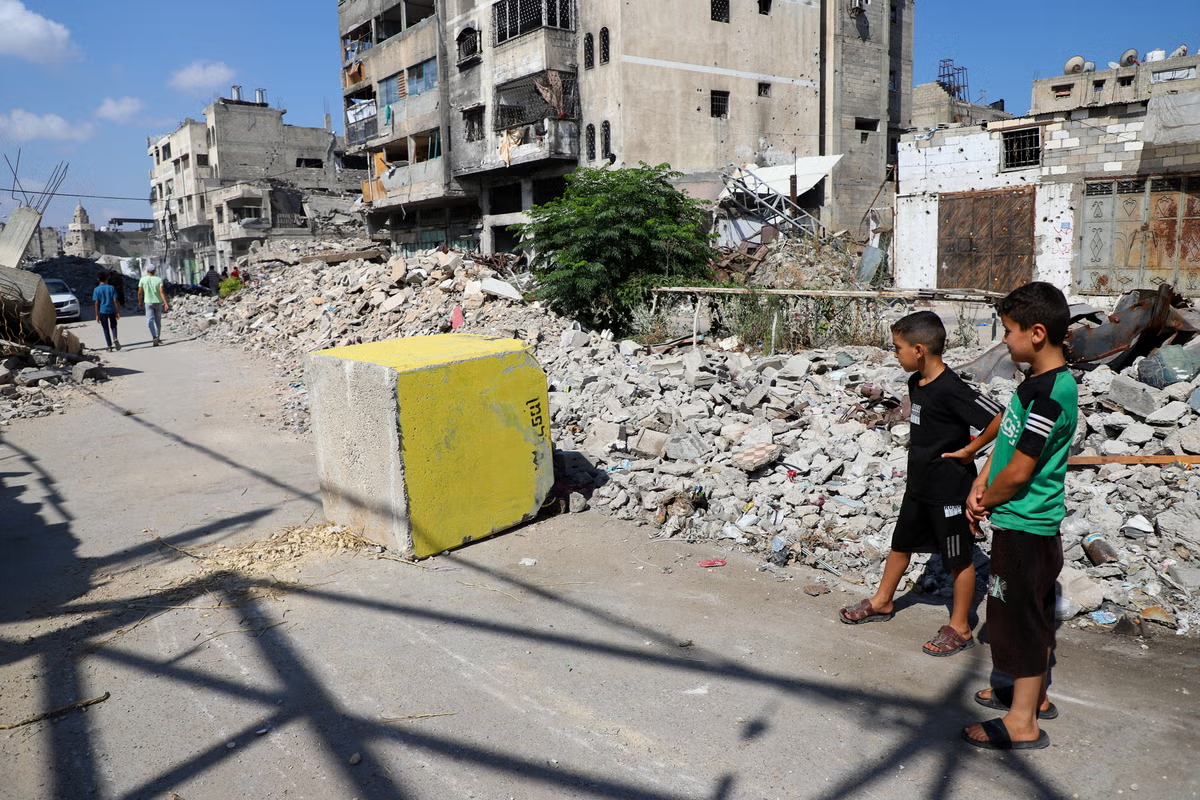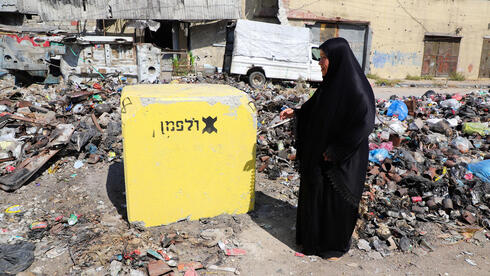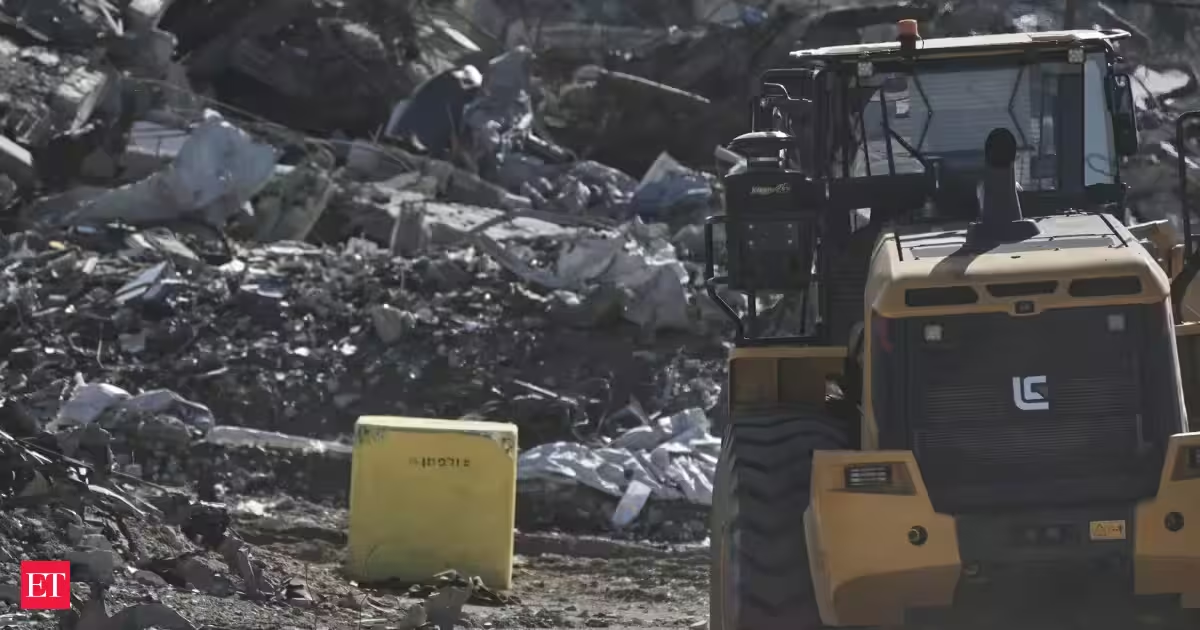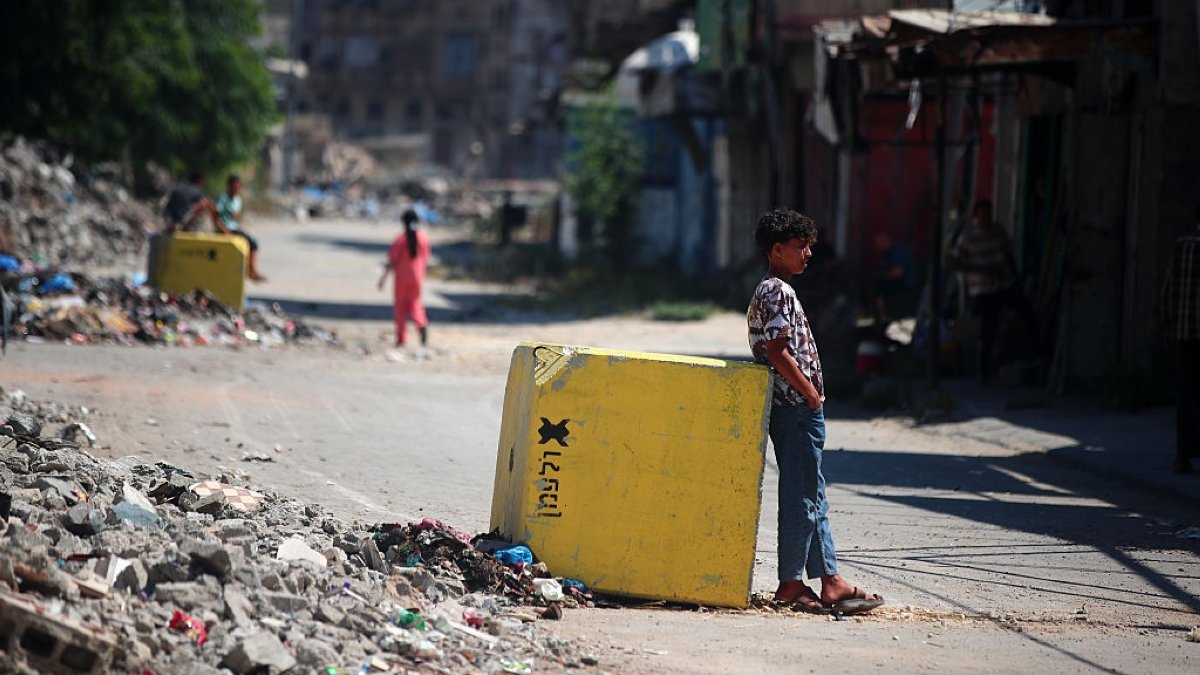
Since Oct. 7, 2023, the war has expanded beyond Gaza and gradually shifted its center of gravity toward Iran and the Gulf. The closure of the Strait of Hormuz and its effects on global energy supplies have further drawn international attention away from Gaza, even as conditions in the Strip remain highly fragile. Against this backdrop, Israel has continued to narrow the Yellow Line, effectively confining Gaza’s population to approximately 40% of the Strip, while carrying out targeted killings. Although the cease-fire has formally remained in place, little progress had been made by July beyond the first phase of the Comprehensive Plan. The uninterrupted delivery of aid through Rafah and Israel’s gradual withdrawal from Gaza, both required under the agreement, remain unresolved.
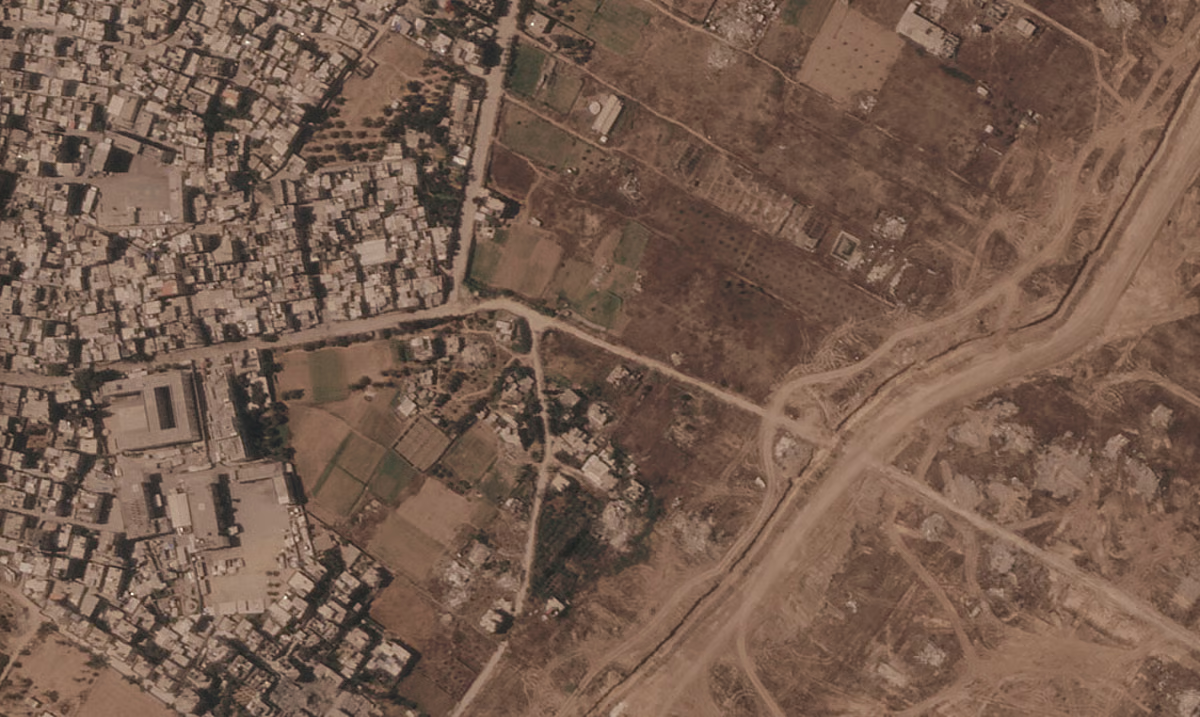
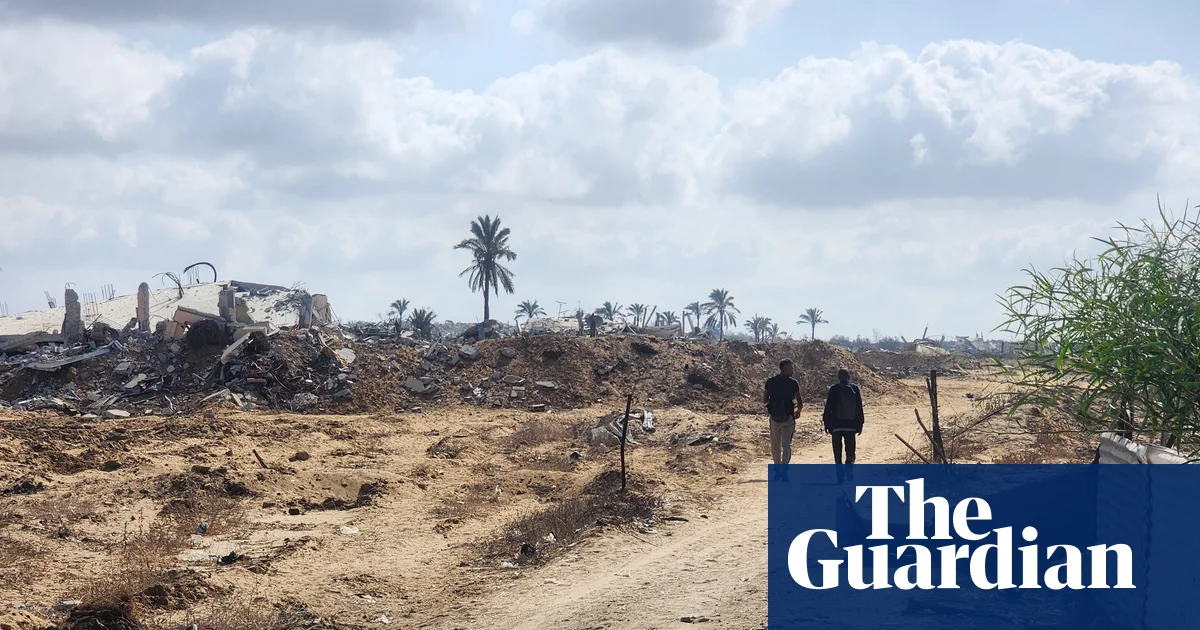
Alongside these developments, Israel has maintained the diplomatic appearance of remaining committed to the agreement while pursuing a different strategy on the ground. The clearest indication of this strategy is the Israeli military’s construction of earth berms along a de facto axis surrounding Gaza. The structure begins in al-Mawasi in the south, extends toward Khan Younis, and continues northwards in separate sections toward Beit Lahia. According to the Associated Press, construction accelerated rapidly during July, and the berm had exceeded 23 kilometers in total length. Israel is also reported to have installed various reconnaissance and surveillance systems along the line.