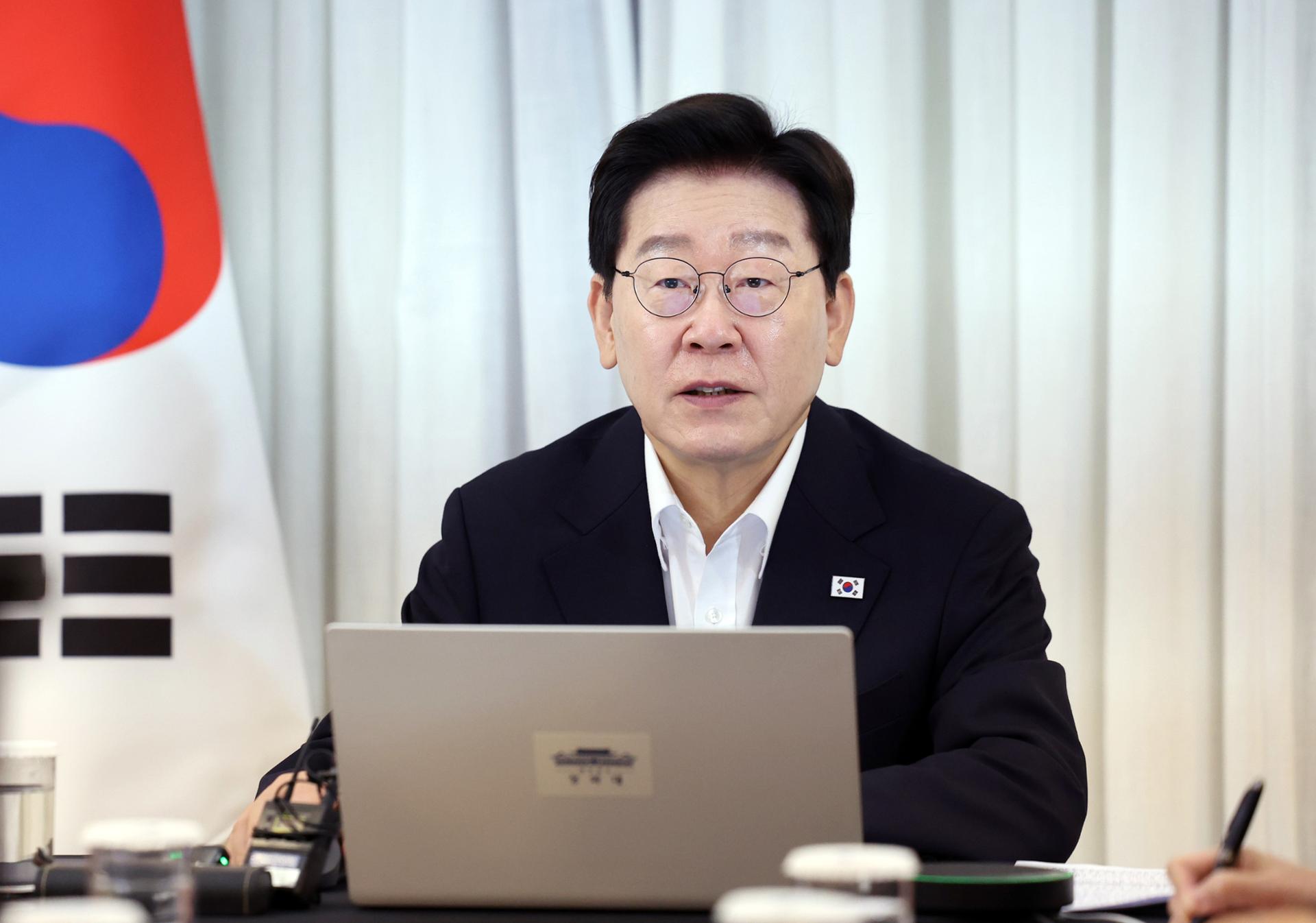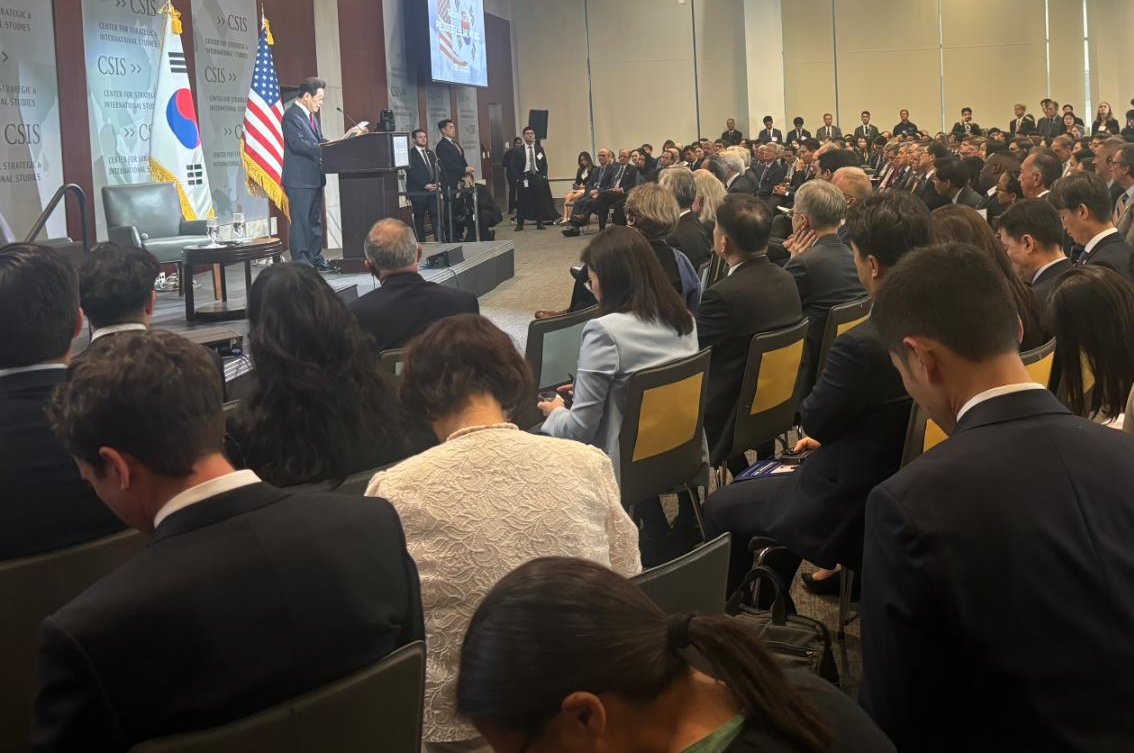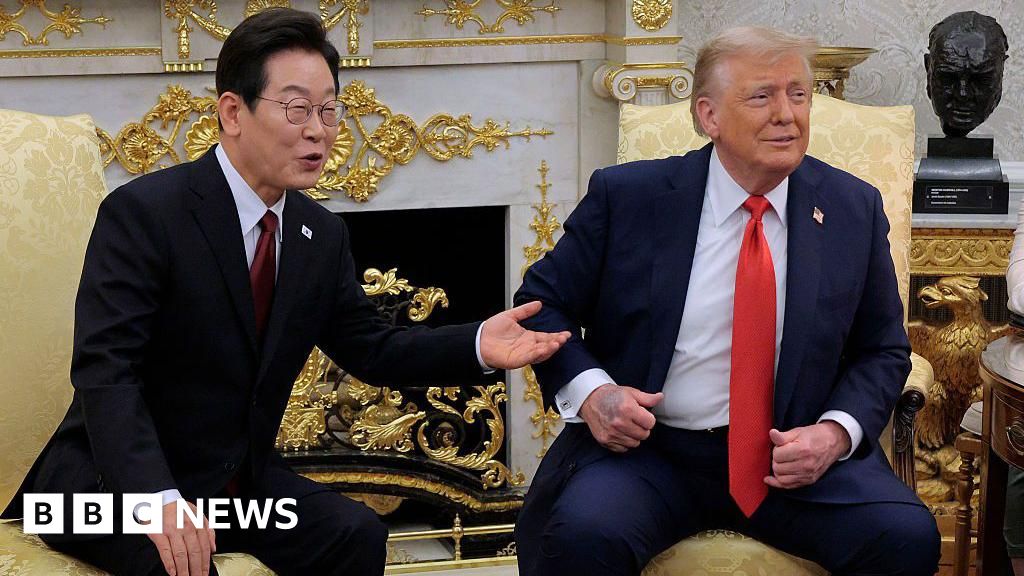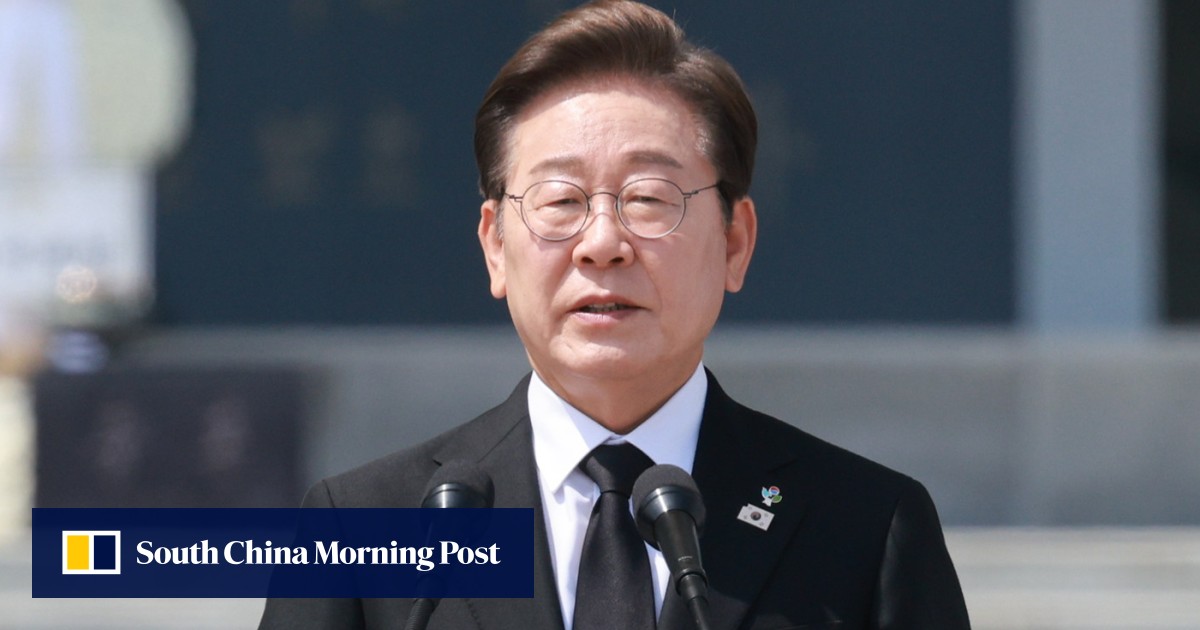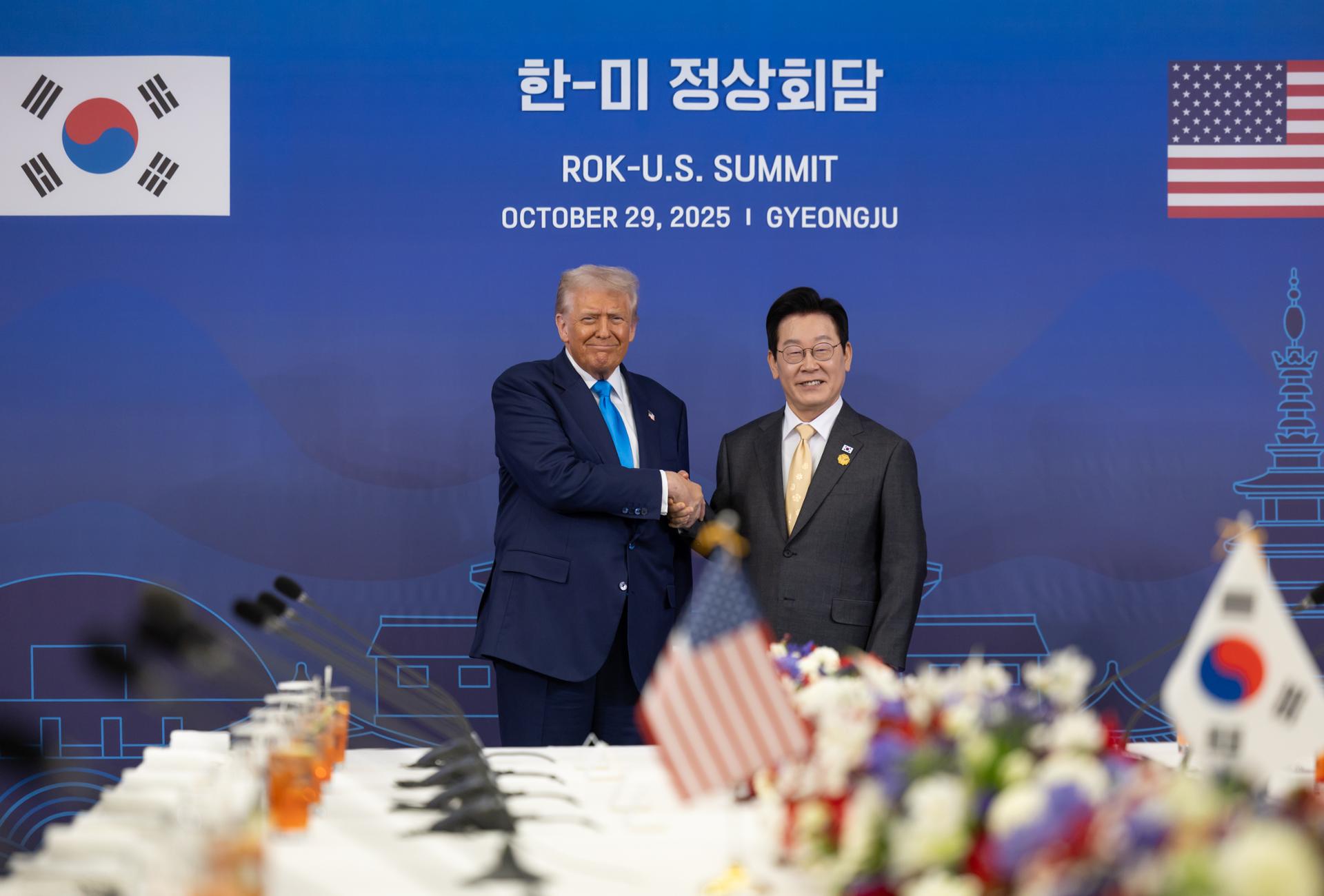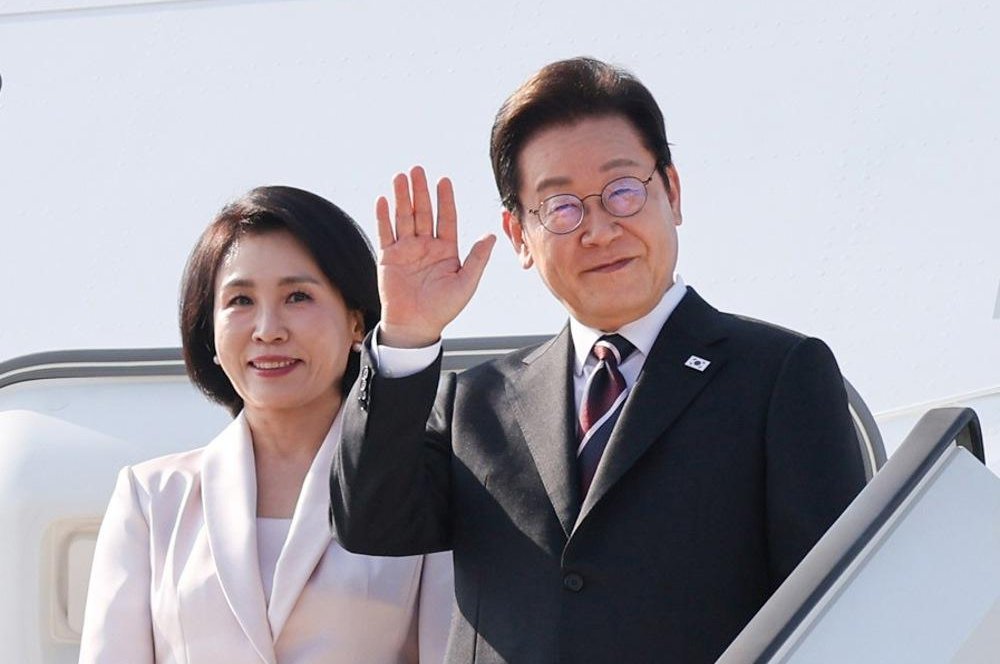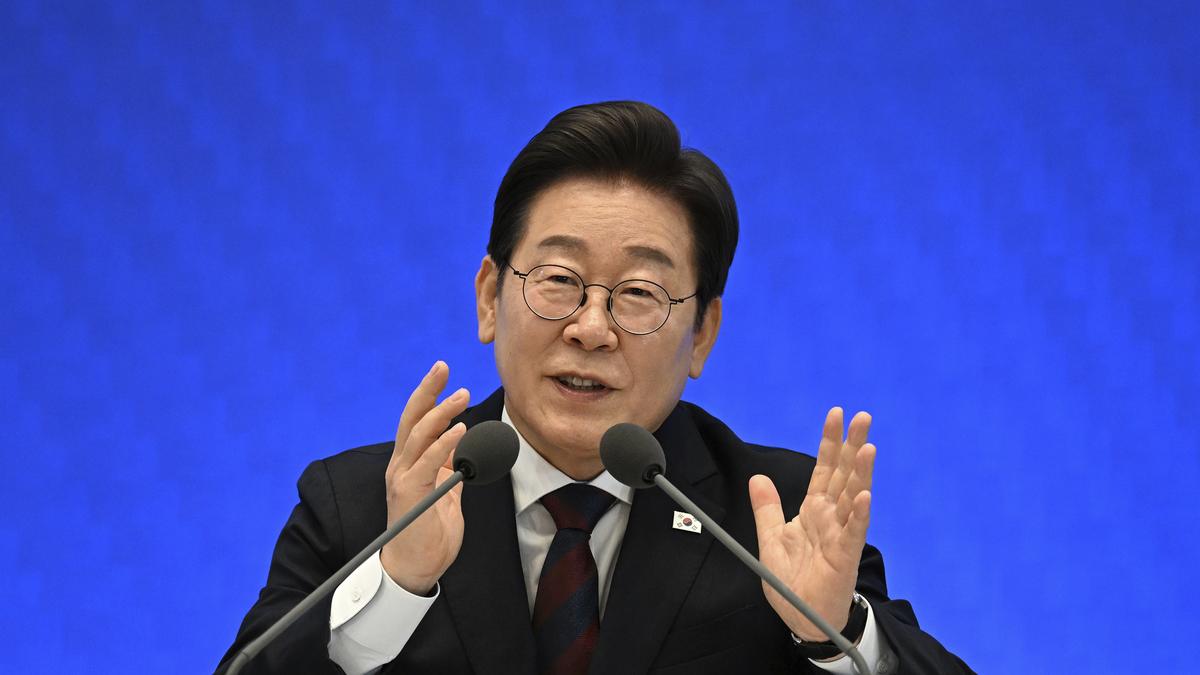
Lee Byung-jong US President Donald Trump may have caused considerable hardship for South Korea, from threats of punitive tariffs to demands for increased defense spending. Yet there is one positive outcome for Korea stemming from his America First policy: making President Lee Jae Myung more pragmatic. Faced with mounting pressure from an unpredictable — and often erratic — US leader, Lee appears to have evolved from a radical rhetorician into a more seasoned statesman. He has become more realistic and less dogmatic, with his once combative governing style giving way to a softer, more accommodating approach. The phrase "New Lee Jae Myung," now widely used in Seoul's political circles, is often applied to his domestic policy shift, but it is equally relevant to his diplomacy.Much like his domestic agenda — which has become more moderate and calibrated, even at the cost of disappointing parts of his progressive base — Lee's foreign policy has taken a distinctly pragmatic turn since assuming office. As an opposition leader and presidential candidate, he emphasized nationalistic autonomy and often downplayed the value of alliances and partnerships. Japan, in his view, remained an unrepentant imperial aggressor, while the United States bore responsibility for enabling Japan's colonial rule, which ultimately led to Korea's tragic division. During that time, he often criticized the two allies, while displaying more engaging stances toward China and North Korea.That resentment toward Korea’s allies, however, appears to have eased — if not entirely disappeared — since he took office. Lee has largely continued his predecessor Yoon Suk Yeol's policy of restoring ties with Japan, effectively sidestepping historical disputes. He has sustained shuttle diplomacy through a series of productive summits with Japan's prime minister. As a result, trilateral security cooperation among Seoul, Washington and Tokyo is now functioning more smoothly. Notably, Lee's personal rapport with President Trump and Prime Minister Sanae Takaichi has stood out, particularly to those who recall his earlier nationalist stance. The scene of him playing drums together with the Japanese leader was especially impressive.In dealing with China, Lee also appears more grounded in realism. Rather than relying on strategic ambiguity to navigate the US-China rivalry — as previous progressive administrations often did — he has adopted a more straightforward approach. When it comes to China, his focus is on economic security and supply chain resilience, areas that directly affect Korea's national interests. On North Korea, too, Lee acknowledges constraints. While continuing to call for dialogue with Pyongyang, he places equal emphasis on deterrence. Unlike some of his predecessors, he has avoided premature conciliatory gestures, recognizing their limited feasibility under current conditions.Lee's pragmatism extends beyond security into economic diplomacy. Just last week, during a brief stop in the United States en route to South America, he met with leading Silicon Valley figures. CEOs from Nvidia, OpenAI, Broadcom, Anthropic and other AI firms joined the gathering, alongside their Korean counterparts, including Samsung's Lee Jae-yong, SK's Choi Tae-won and Hyundai Motor's Chung Euisun. Lee presided over what was dubbed the San Francisco AI Summit, aimed at fostering cooperation between US and Korean tech leaders. The meeting reportedly produced business agreements totaling $950 billion, reinforcing Korea's central role in the global AI ecosystem.His close engagement with leaders of chaebol, or large family-owned conglomerates, is particularly striking given his earlier skepticism toward large conglomerates. Long seen as a champion of small businesses and lower-income groups, Lee had frequently criticized chaebol dominance, arguing that their expansion came at the expense of more marginalized sectors. His broader political camp has traditionally advocated stricter regulation of these firms, viewing their growth as intertwined with past authoritarian collusion. Some have even called for breaking them up.Yet Lee now appears to recognize that Korea's economic growth is closely tied to the continued success of major firms such as Samsung Electronics and SK Hynix. As these global technology companies increasingly serve as pillars of the national economy — while many other sectors struggle — Lee has actively promoted them abroad. The San Francisco summit exemplifies his effort to act as a facilitator, even a cheerleader, for Korea's tech industry. Similar initiatives are underway to position Korean shipbuilders as key partners within the US economy.These pro-alliance and pro-business policies, along with a perceived slowdown in his domestic reform agenda, have triggered a backlash among his core progressive supporters. A particularly contentious issue is prosecution reform, where critics argue the administration has moved too cautiously in reigning in prosecutors accused of abusing power. While Lee appears to be pacing reforms to appeal to moderates and independents, some within his base view this as a betrayal — hence the label "New Lee Jae Myung."In foreign policy, however, the "New Lee Jae Myung" has been relatively well received both domestically and internationally. Although his overall approval ratings have recently declined to just below 50 percent due to economic and other domestic concerns, diplomacy remains a key source of positive evaluation. His active participation in multilateral forums and frequent summit diplomacy have been viewed favorably. In particular, his emphasis on "economic diplomacy" is often cited as evidence of a more pragmatic and globally minded leader than before.- - -Lee Byung-jongLee Byung-jong is a former Seoul correspondent for Newsweek, The Associated Press and Bloomberg News. He is a professor at the School of Global Service at Sookmyung Women’s University in Seoul. The views expressed here are the writer’s own. — Ed
[Lee Byung-jong] Who is 'New Lee Jae Myung'?
US President Donald Trump may have caused considerable hardship for South Korea, from threats of punitive tariffs to demands for increased defense spending. Yet
895 words~4 min read