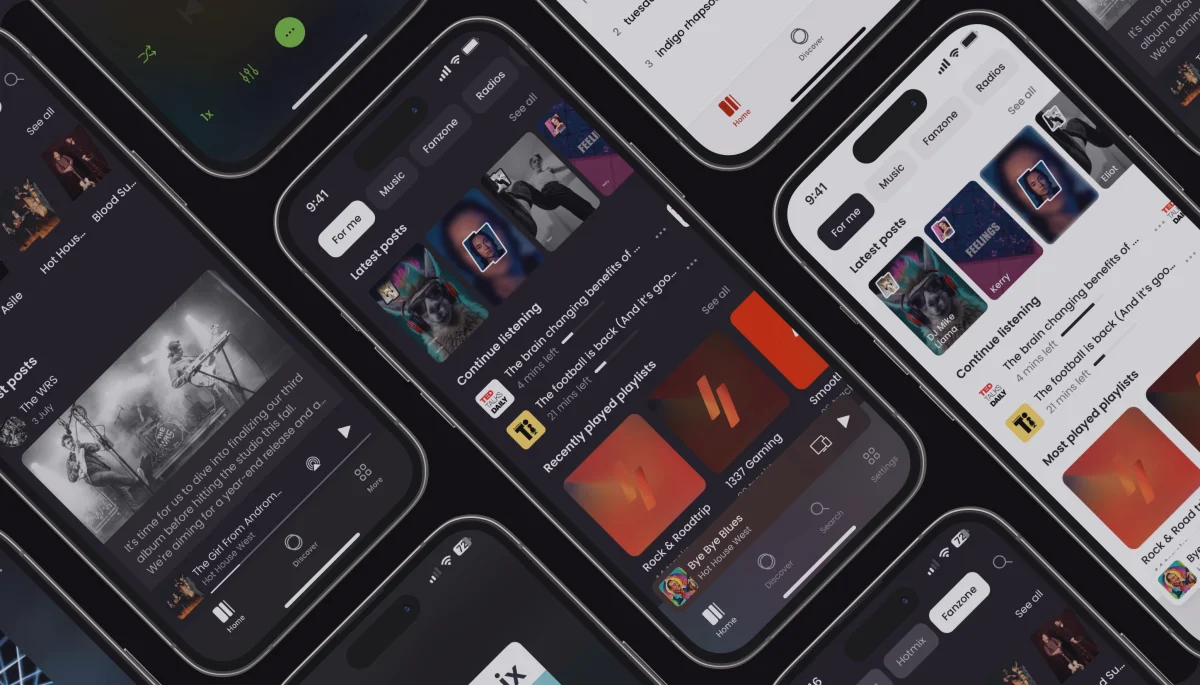
This week brought the news that Winamp—remember Winamp?—is planning to relaunch next year as a sort of one-player-for-everything app, with an integrated streaming service provided by French company Deezer along with the capability to play music from “users’ local music libraries, internet radio stations, podcasts, personal cloud-based collections and other audio sources.” In one way, at least, this feels like a weirdly appropriate time for Winamp to rise from the dead. In 2026, we’re a decade into the reign of our era’s dominant music delivery mechanism—namely on-demand streaming—and, frankly, things are getting worse. Cory Doctorow’s “enshittification” theory has been discussed enough that I don’t think I need to go over its thesis here—but let’s just say that it applies just as much to music platforms as it does to social media ones (and pretty much everything else). It feels like we’re primed for—and god it hurts me to use this word—disruption. Similarly, the late 1990s and early/mid-2000s were a strange, transitional era for both music and the technology used to play it. Internet connections and speeds weren’t yet up to the challenge of streaming music, and in any case, the music industry was deep in the throes of hoping the whole internet thing would just go away. This was the era of the Napster case—a testament to the degree to which the music industry feared what was to come, and wanted desperately to preserve the status quo—and the RIAA whacking grandmothers and children with file-sharing lawsuits.
Can Winamp Ride the Retro Tech Wave All the Way Onto Spotify's Private Beach?
The relaunched music player wants to be a one-stop shop for music.
918 words~4 min read