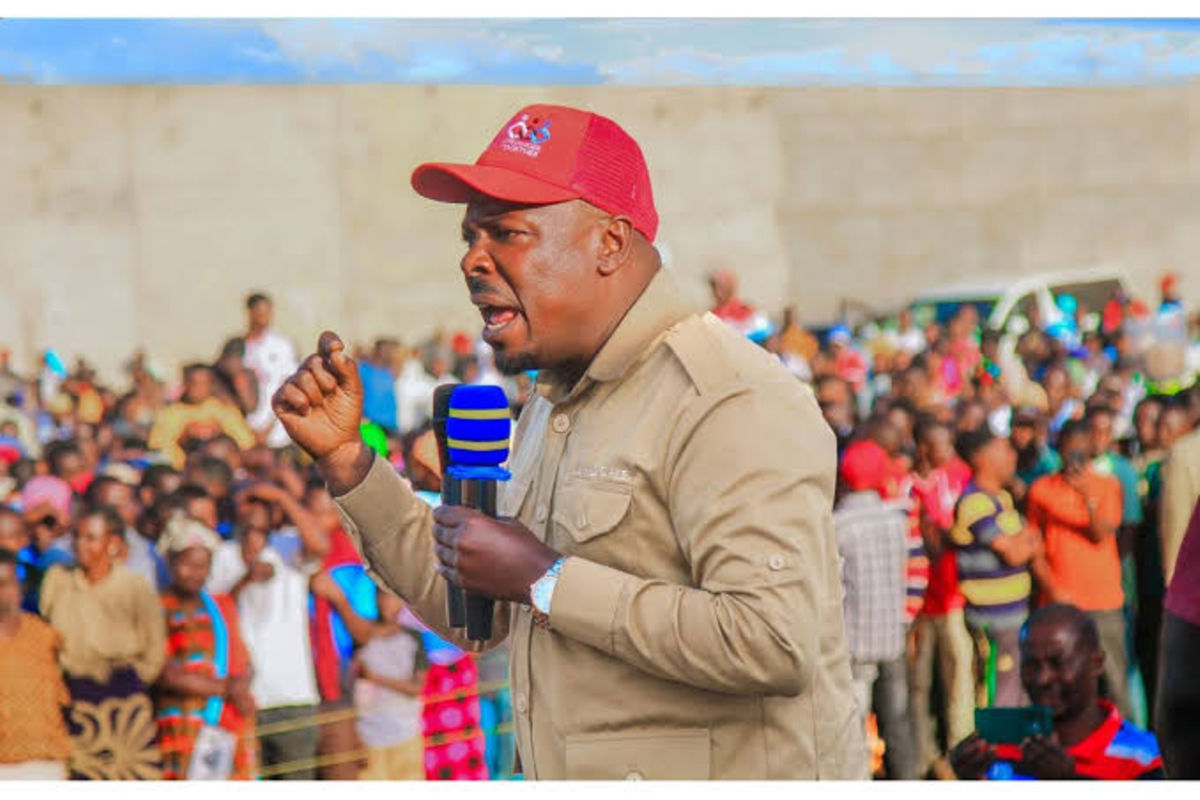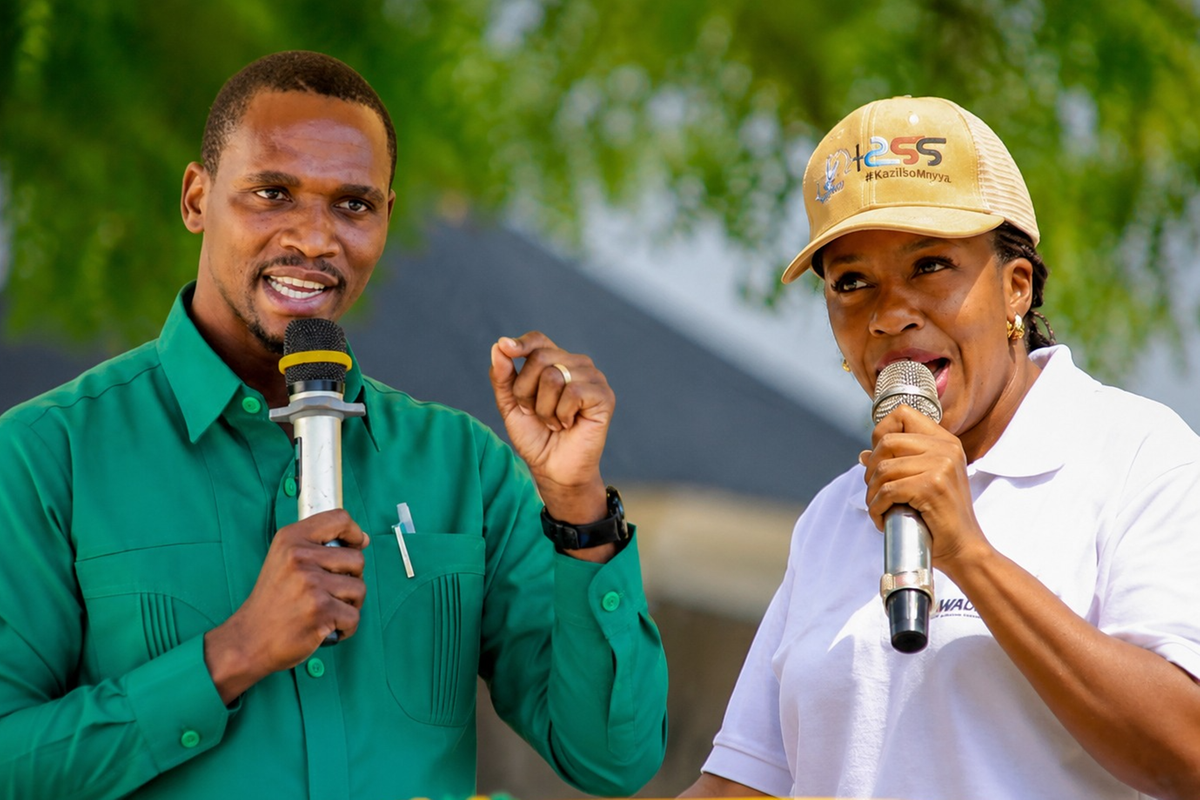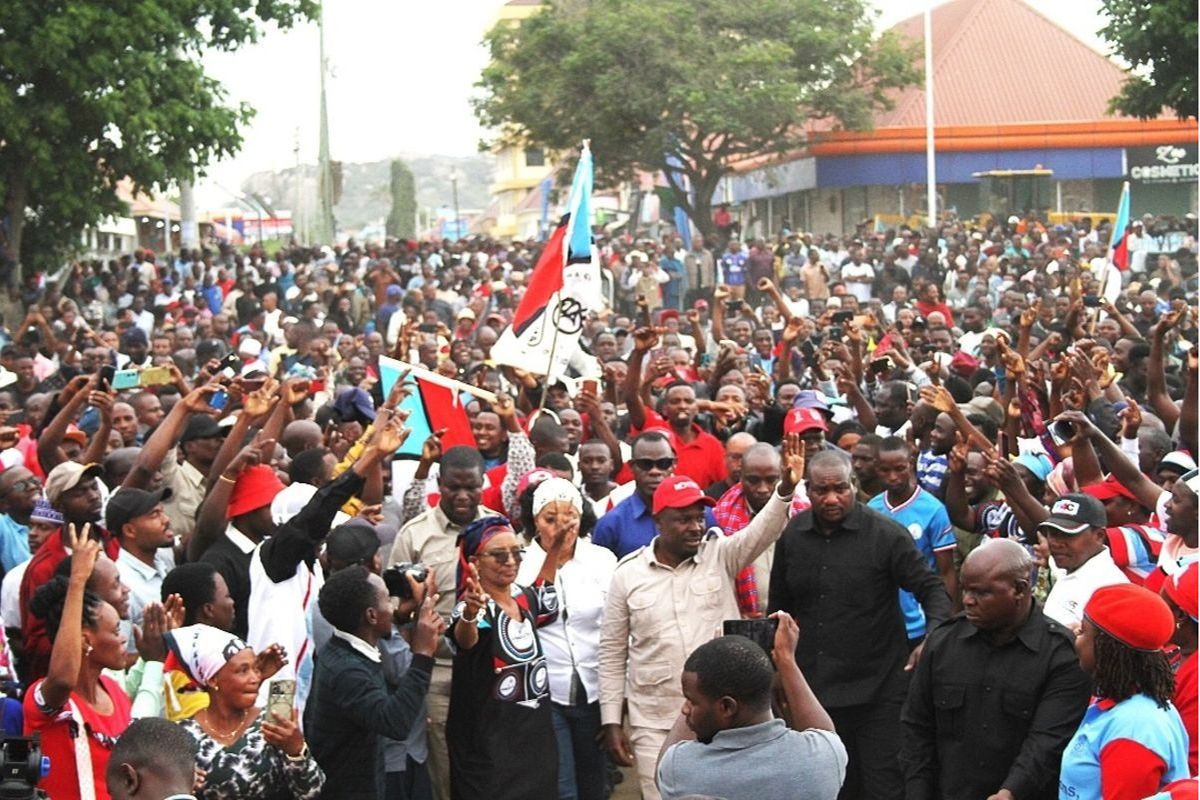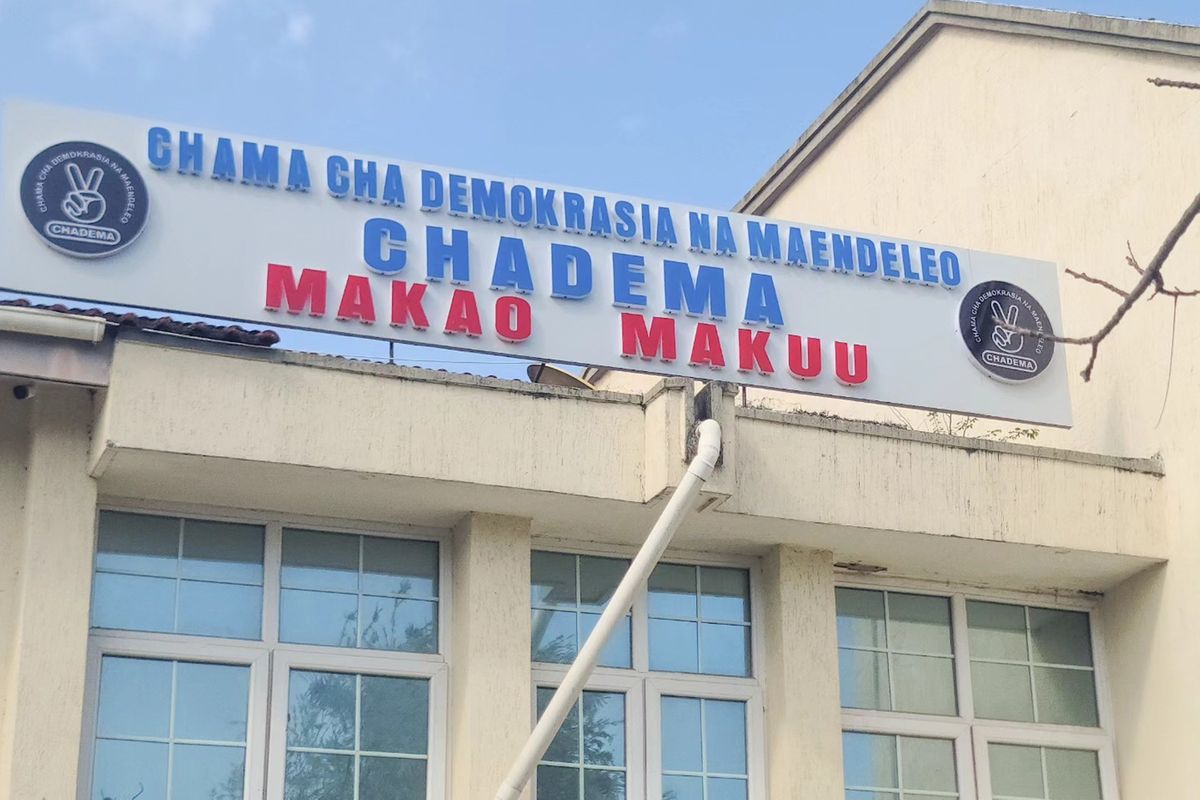
The debate surrounding Chadema's finances has once again drawn public attention to a broader question: what sustains political parties financially, and what happens when confidence in fundraising comes under scrutiny?
Since Tanzania's return to multiparty politics in 1992, political parties have relied on a combination of membership contributions, public subsidies provided under the law and donations from individuals and institutions permitted by the country's legal framework. Like any political organisation, Chadema's ability to mobilise resources has often reflected its political momentum, organisational strength and supporters' confidence.
Over the years, the party has experienced periods of significant growth. One of the most notable was ahead of the 2015 General Election, when the late former Prime Minister Edward Lowassa joined the party, boosting its visibility and expanding its support base. However, political popularity alone does not necessarily translate into sustained financial support, as fundraising is influenced by several economic and organisational factors.
More recently, discussions within and around the party have focused on fundraising, financial accountability and the management of party resources. These conversations have generated differing interpretations about the possible causes of the current debate.