By
July 30, 2026 / 3:13 PM EDT
/ CBS News
Add CBS News on Google
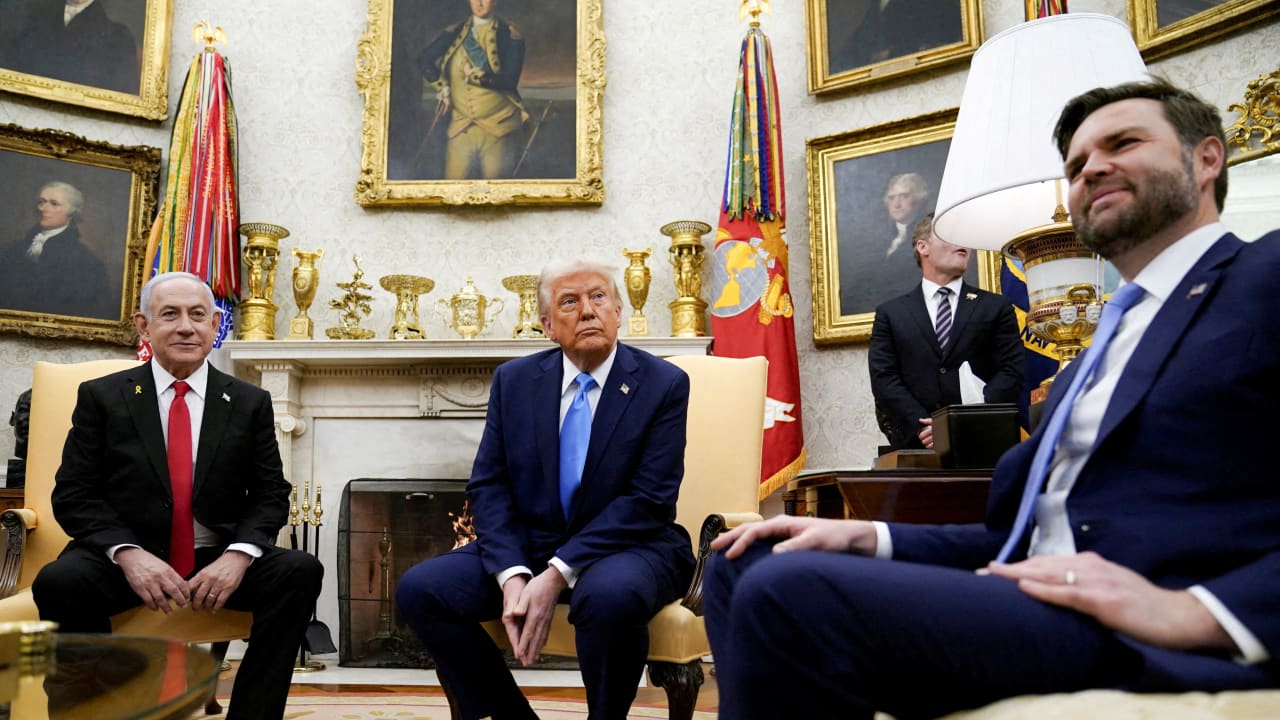
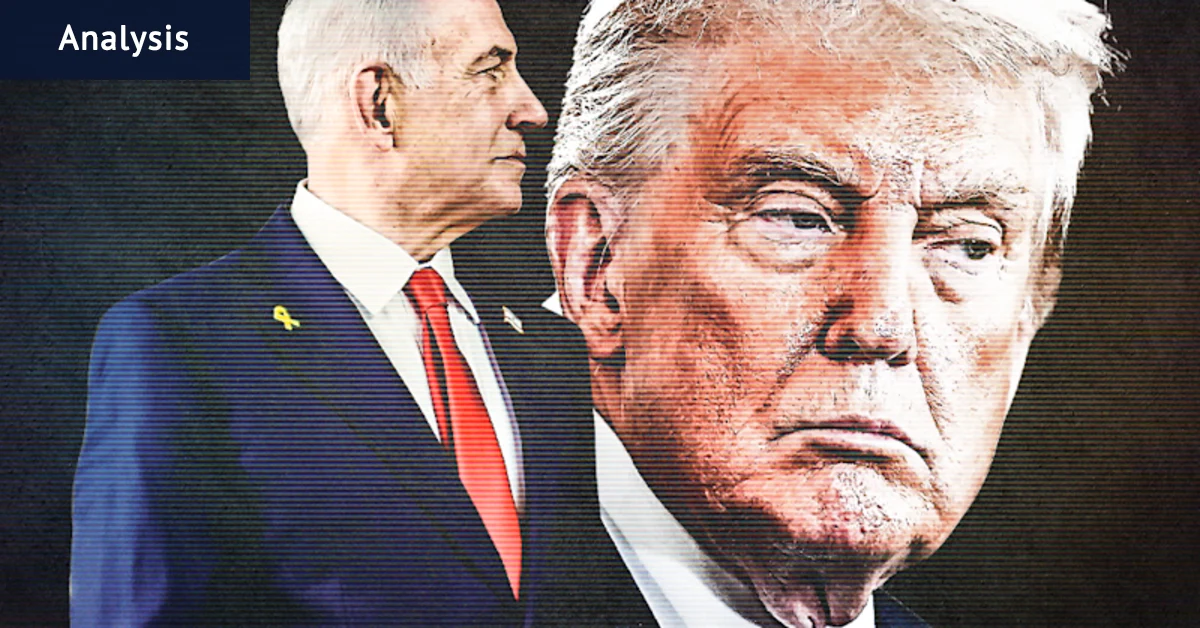
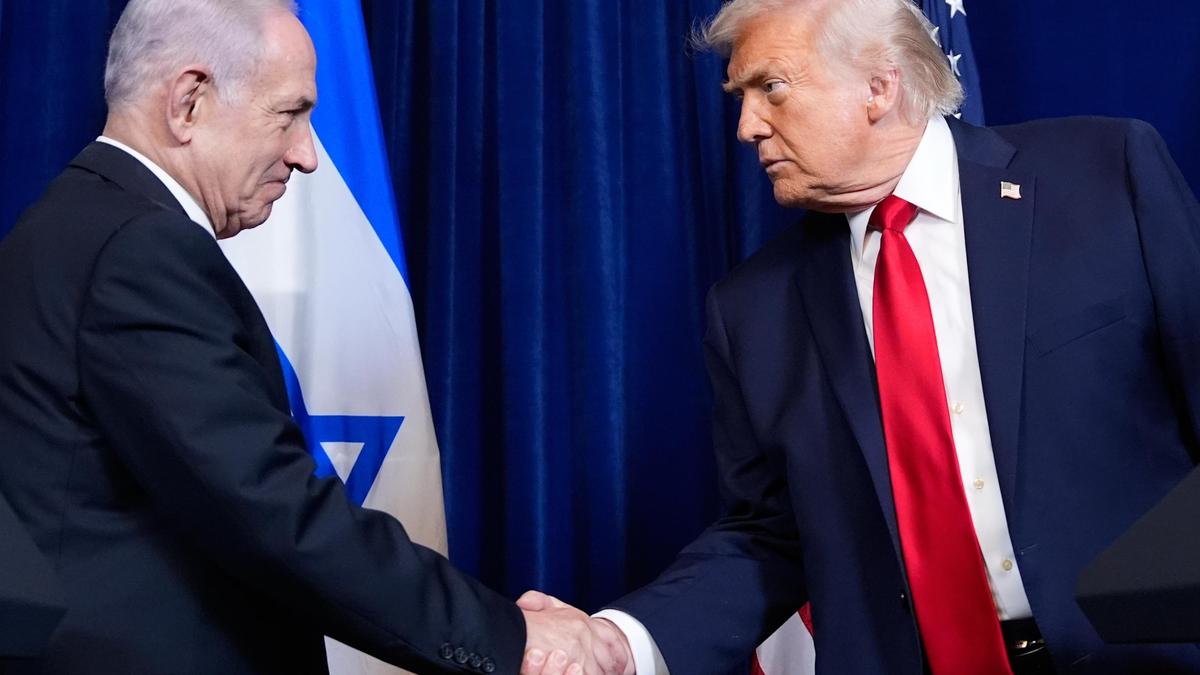
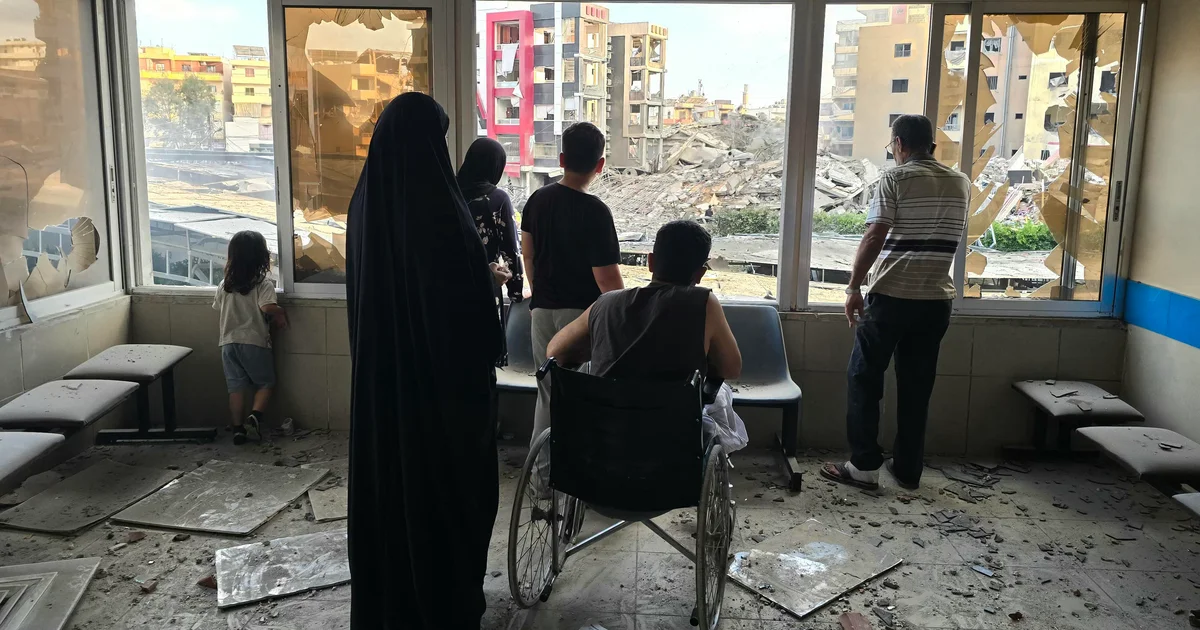
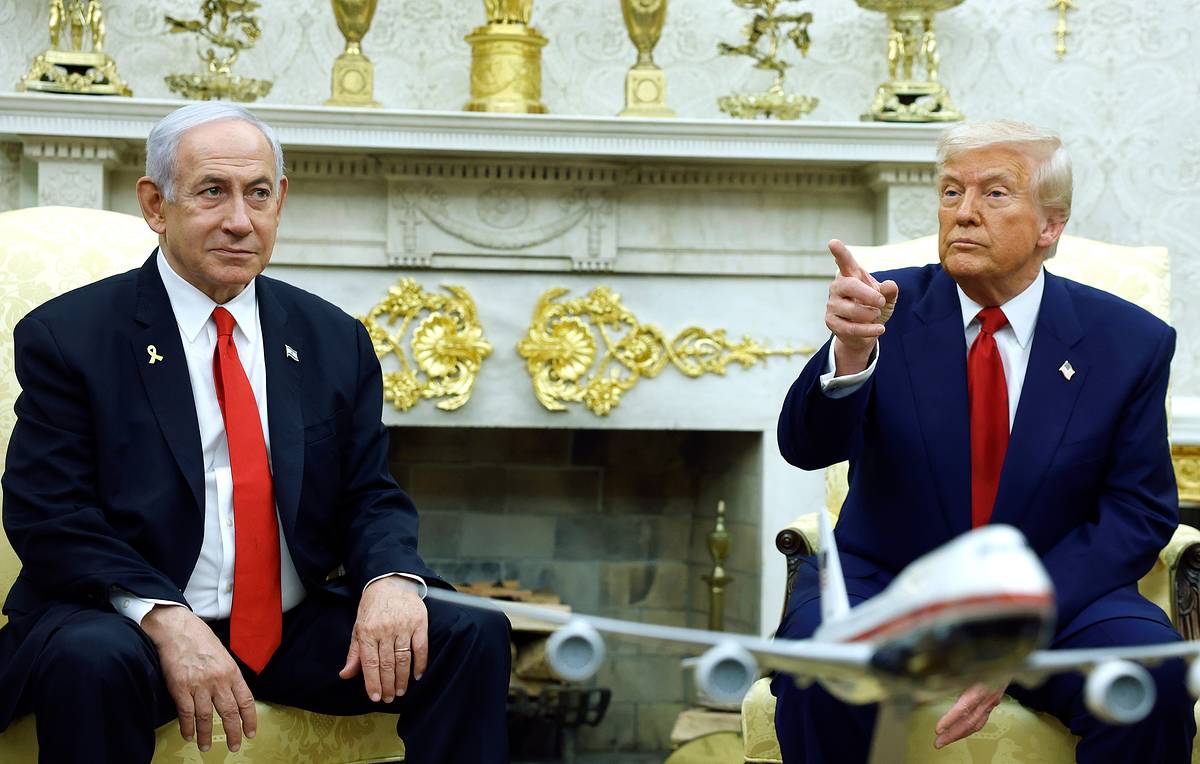
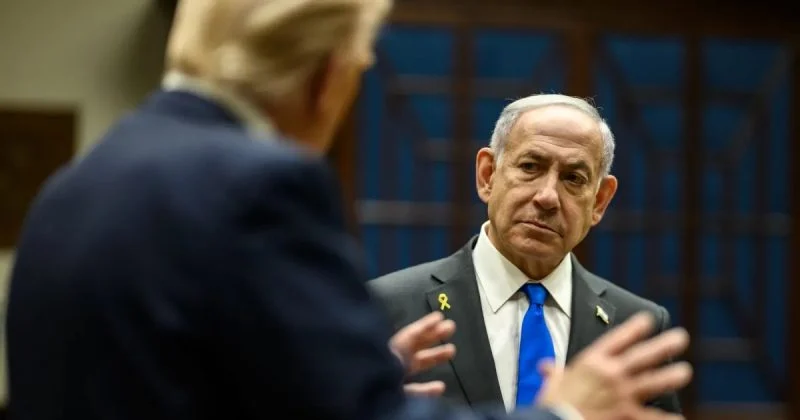
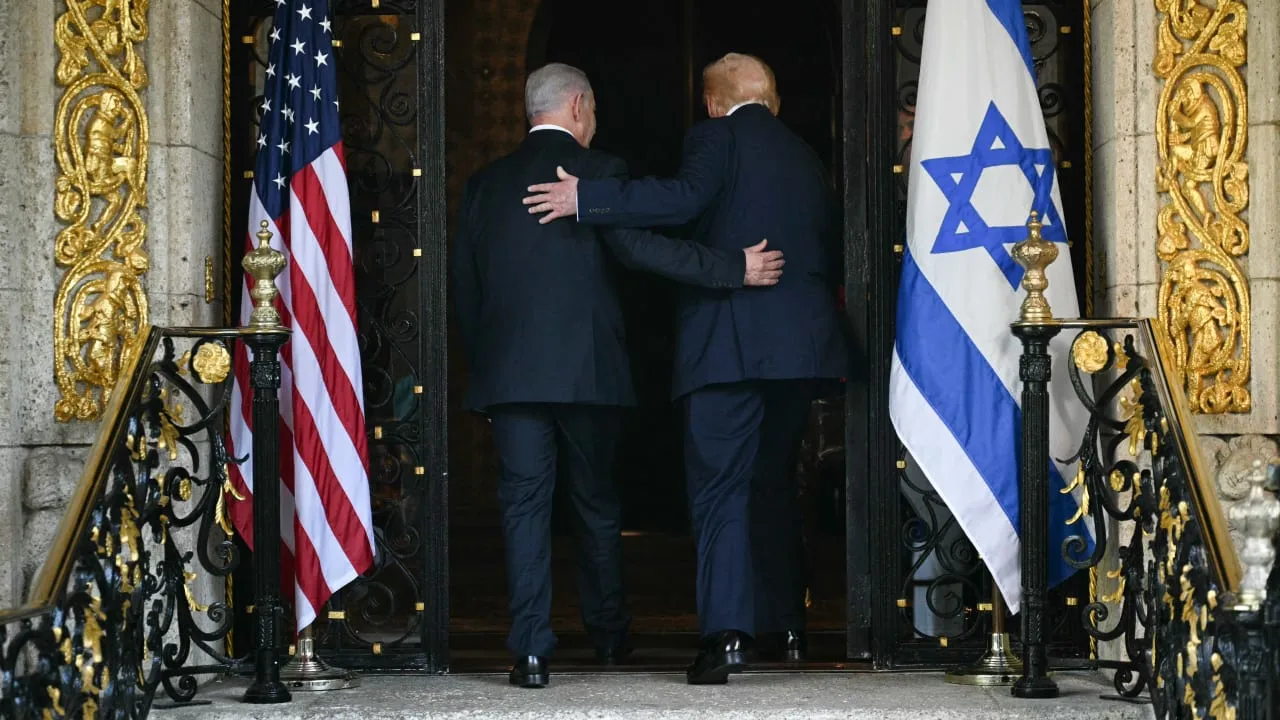
The U.S.-Israeli war in Iran has rocked the Mideast and spread through the region, and President Trump is now weighing what to do next to reopen the Strait of Hormuz and extract any concessions from Iran's increasingly hardline leadership.In meetings with Mr. Trump and Vice President JD Vance Wednesday, Saudi Defense Minister Prince Khalid bin Salman conveyed the Kingdom's assessment that Iran is trying to find leverage in the conflict through escalation, and its main leverage points are through proxy forces in Yemen, the Houthis, and Iraqi militias.Prince Khalid was originally supposed to visit Washington last week but was delayed due to recent strikes, according to a source with knowledge of his plans.The Saudis joined the U.S. in strikes against Iranian-backed militias in Iraq on Wednesday and bombed Houthis days earlier, in the first public engagement of any Persian Gulf nation during the war. The Kingdom described the actions as defensive actions. At least 20 people, including some Iranian military advisers, were killed in the Saudi-U.S. strikes, according to the Iran-backed militia groups.Saudi Arabia's leaders are trying to avoid further regional escalation that would risk miscalculation or prolonging of the war, which has now stretched into its sixth month. Crown Prince Mohammed bin Salman and his brother Khalid bin Salman have been concerned that Israeli Prime Minister Benjamin Netanyahu, who launched the war in February alongside the U.S. and met with Mr. Trump Tuesday, is pushing for escalation.During their meeting, Prime Minister Netanyahu counseled the president on three options for the war: First, a deal focused on removal of the nuclear material; second, a blockade with added economic pressure; and a third option involving military strikes particularly focused on attacking land routes used for transporting supplies, a senior Israeli official said. The senior Israeli official described the conversation between Mr. Trump and Netanyahu as "very clinical." Netanyahu held a follow-up meeting Wednesday with Defense Secretary Pete Hegseth and Under Secretary of War for Policy Elbridge Colby, and met privately with U.S. envoy Steve Witkoff.