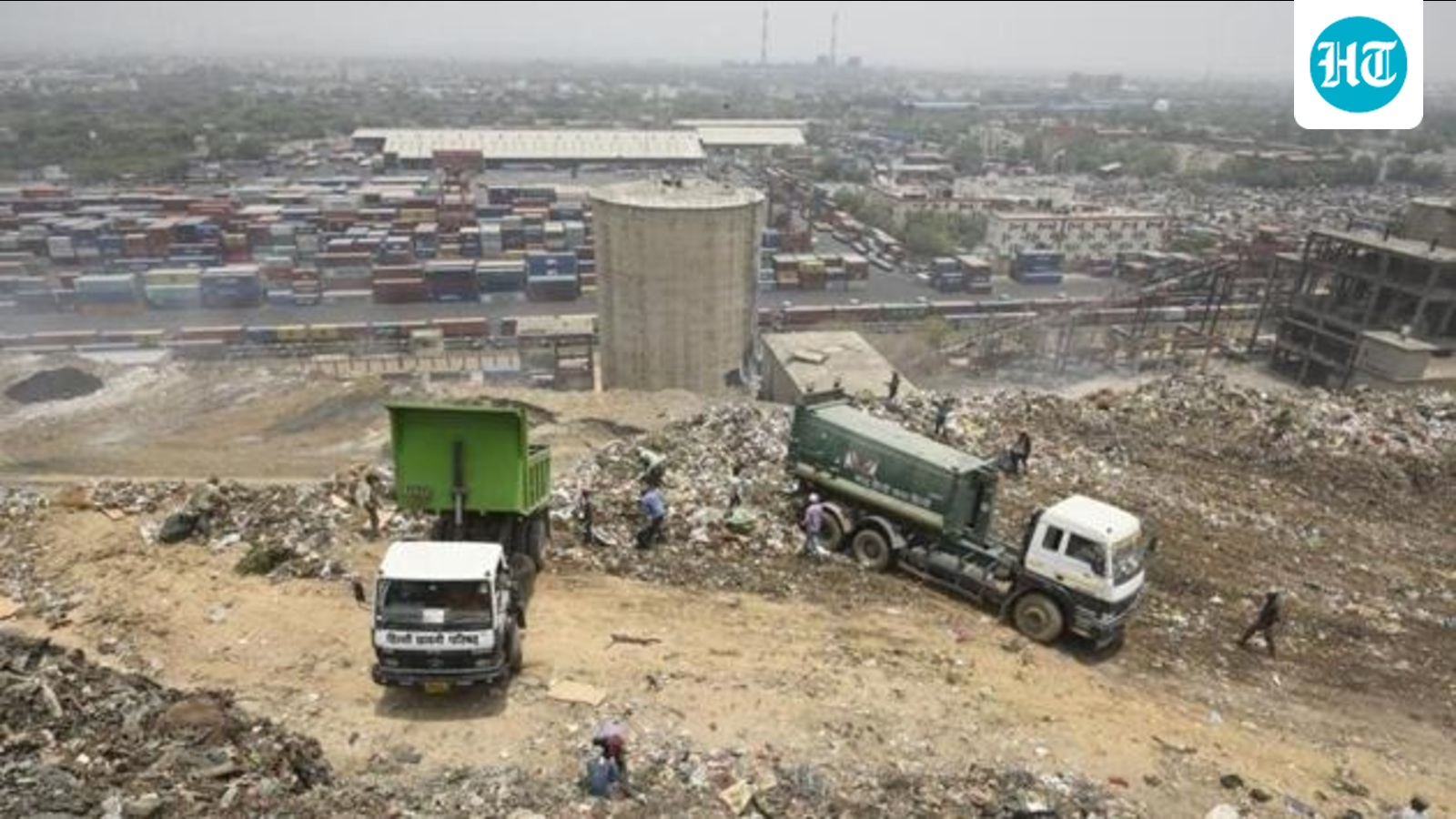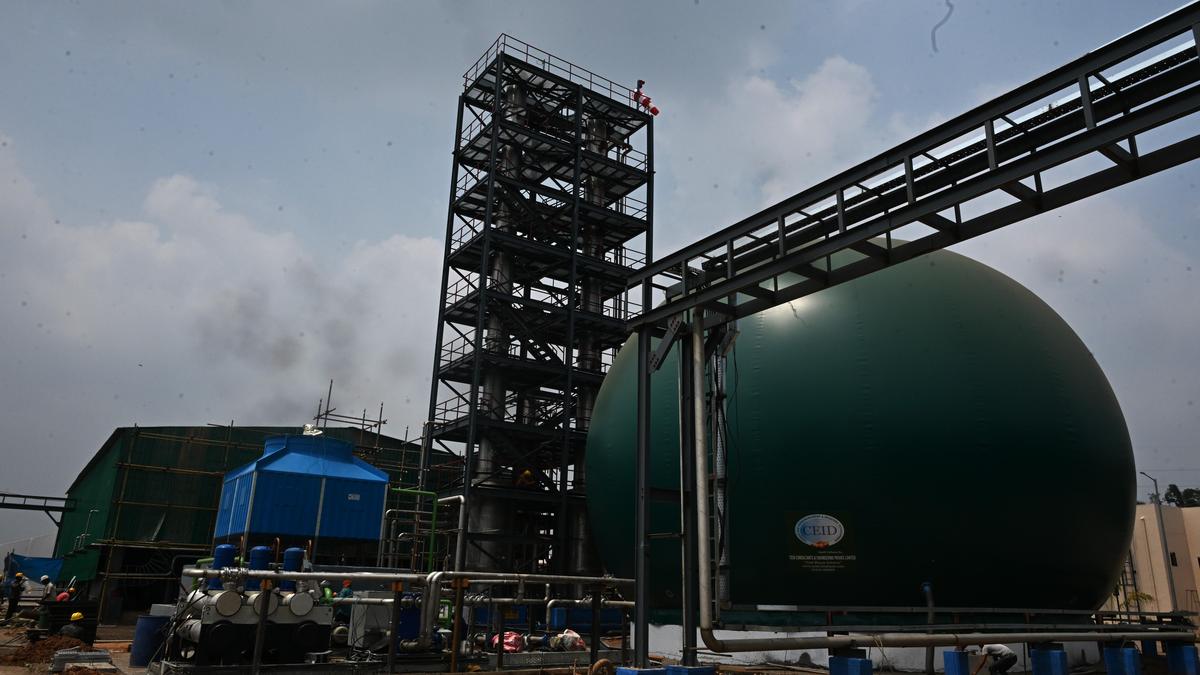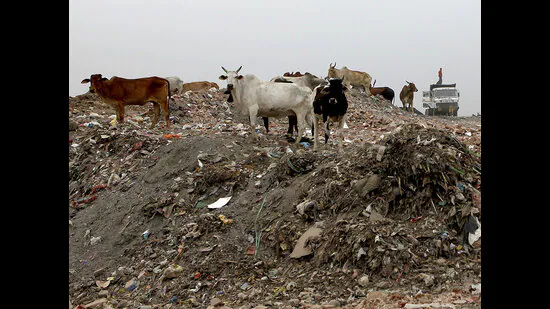
Delhi has proposed setting up two bio-compressed biogas (Bio-CBG) plants at Tehkhand and Okhla with a combined capacity to process 800 tonnes of wet waste daily, following the signing of a memorandum of understanding (MoU) between the Municipal Corporation of Delhi (MCD) and Oil India Limited (OIL) on Thursday.The first phase of the project includes a 500-tonne-per-day plant at Tehkhand on 10 acres and a 300-tonne-per-day plant at Okhla on seven acres.The plants will convert segregated organic waste into compressed biogas and organic fertiliser, with the aim of reducing the volume of waste sent to landfill sites, according to a statement from the Chief Minister’s office.The MoU was signed in the presence of Chief Minister Rekha Gupta, Delhi Mayor Pravesh Wahi, MCD Commissioner Sanjeev Khirwar, and Oil India Chairman and Managing Director Ranjit Rath.The MCD said the facilities were expected to strengthen source segregation and reduce the quantity of wet waste reaching landfill sites.Delhi generates around 13,500 metric tonnes of municipal solid waste daily. Officials said about 7,500 tonnes are currently processed through waste-to-energy plants and an existing biogas facility.The new plants are expected to increase the city’s capacity to treat wet waste and improve segregation at source.Speaking at the event, Ms. Gupta said the project would help address one of the city’s major civic challenges.“The two Bio-CBG plants with a combined capacity of 800 tonnes per day will provide a sustainable solution by converting wet waste into biogas and organic fertiliser, benefiting the environment, promoting clean energy, and supporting the agricultural sector,” she said.She added that the initiative reflected the government’s “waste-to-wealth” approach by turning waste into useful resources.“Scientific waste management requires collective efforts,” she said, adding that cooperation between the Delhi government, civic bodies, public sector companies, and other stakeholders was essential.Mr. Wahi said the project would strengthen scientific waste processing in the city.“It will reduce the burden on landfill sites, generate clean fuel and organic fertiliser, and strengthen source segregation across the city,” he said. Published - July 31, 2026 01:06 am IST
Two bio-CBG plants proposed in Delhi to handle 800 tonnes of wet waste a day
Delhi plans two Bio-CBG plants to process 800 tonnes of wet waste daily, promoting sustainability and reducing landfill impact.
336 words~2 min read