view more
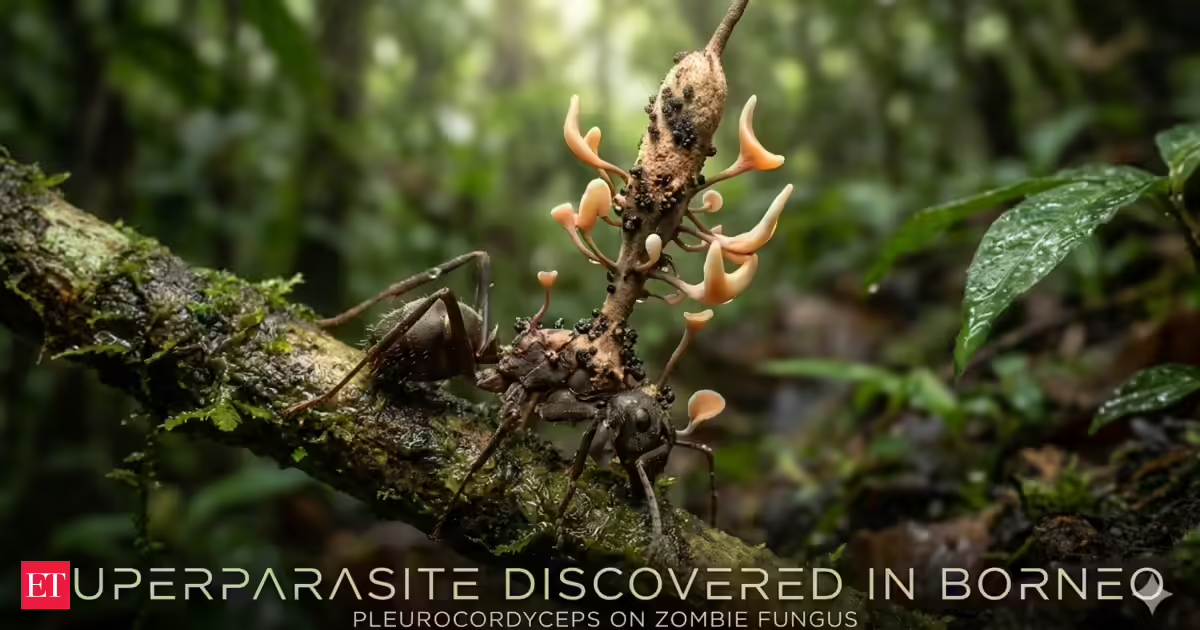
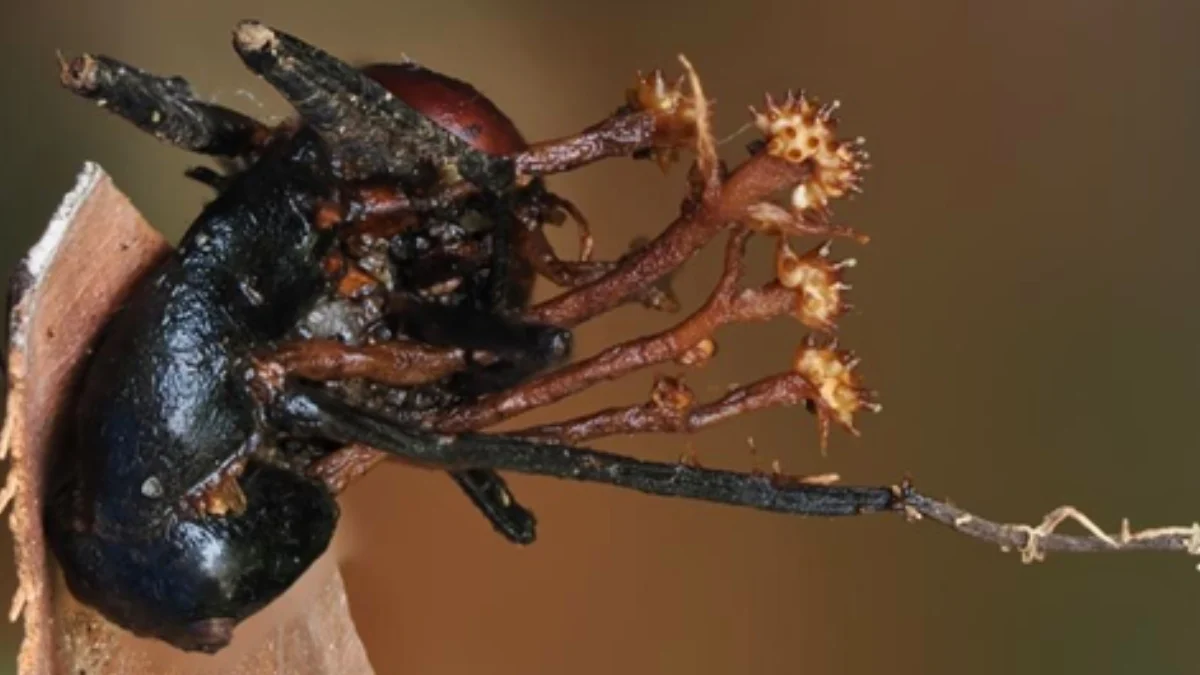
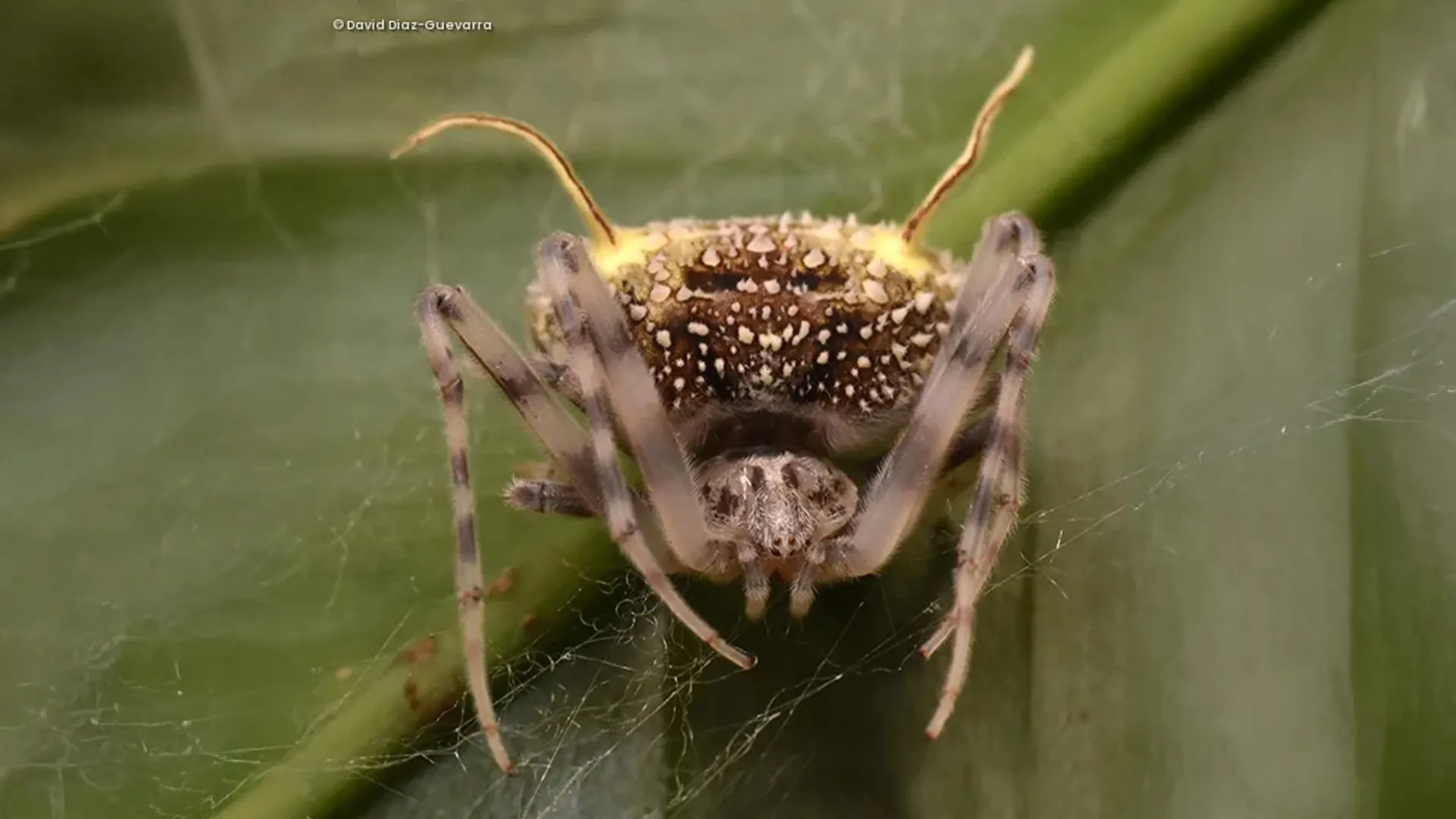
MANAUS, Brazil — A team led by researchers at the National Institute for Amazonian Research (INPA), in Manaus, has found evidence that the "zombie-ant" fungus (genus Ophiocordyceps), globally known for controlling ant behavior and forcing infected ants to bite onto plants before dying, also lives hidden inside mosses in the Amazon rainforest.
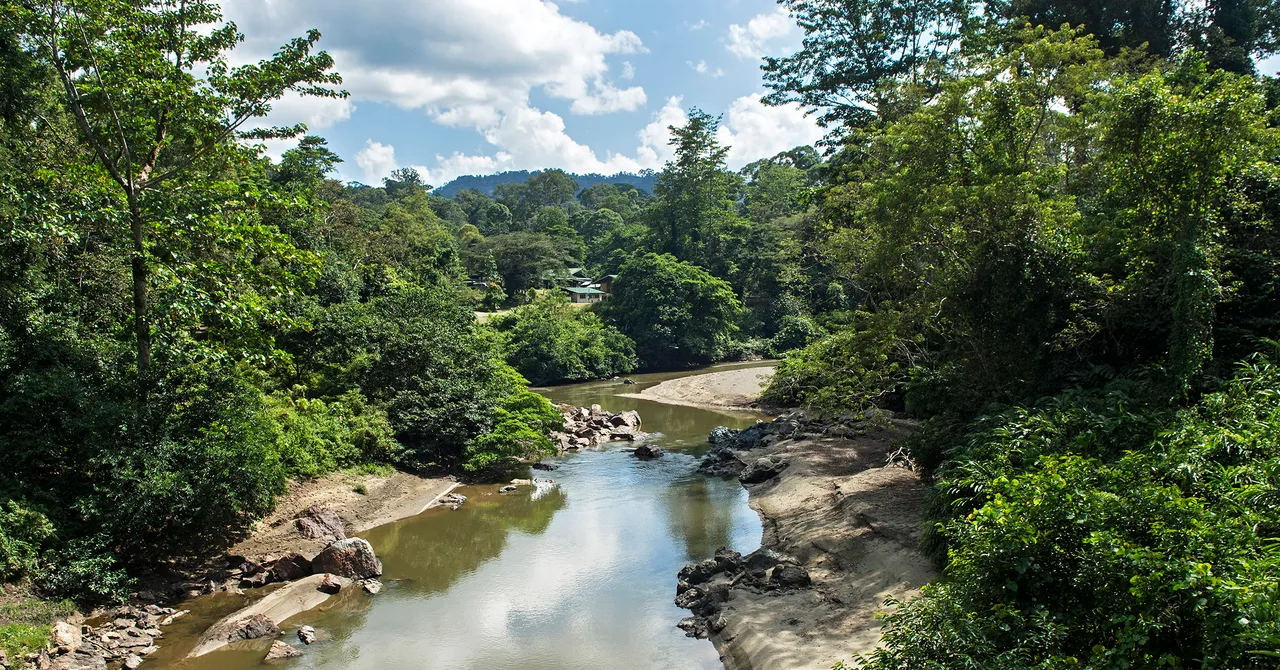
By analysing the DNA of mosses collected at the Ducke Reserve in Manaus, the scientists detected the same parasitic fungus present not only in infected and manipulated insects, but also in the mosses where the infected insect is manipulated to bite. This indicates that the fungus has one life stage as an insect parasite and another, endophytic (living inside the plant) stage that had gone unnoticed until now.
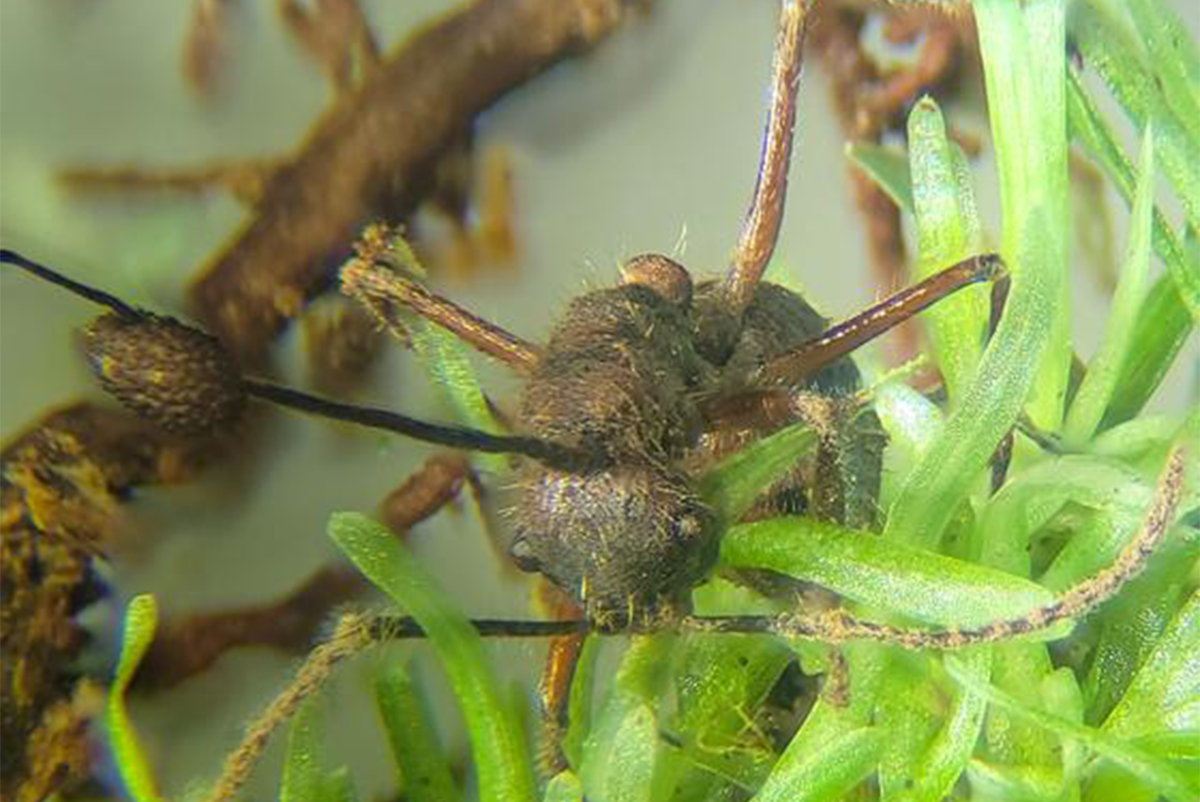
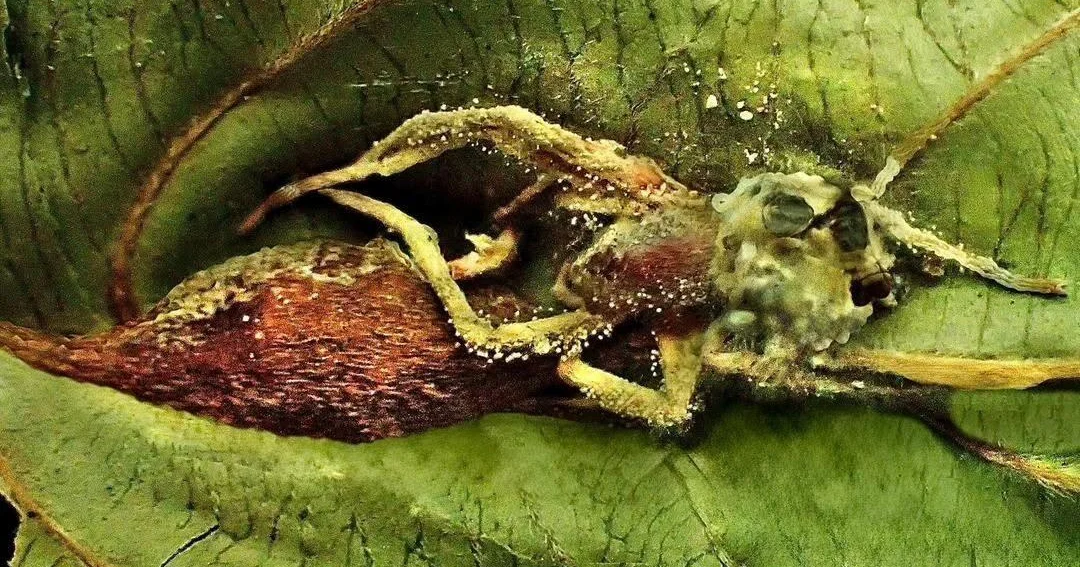
The genus Ophiocordyceps comprises more than 350 species of fungi known for infecting a wide range of insects. Some of these species are famous for a behaviour that sounds like science fiction: after infecting an ant, the fungus alters its behaviour and forces it to leave the colony, climb the vegetation, and clamp its mandibles onto a specific spot, the so-called "death grip," shortly before dying and releasing its spores.
In 2020, studies in China had already shown that a species from the same genus, known as "Himalayan gold" (O. sinensis), lived endophytically in plants in alpine regions. The major breakthrough of this new INPA study is demonstrating this same dual lifestyle in fungi that manipulate the insect to specifically and consistently bite plants that harbor the endophytic stage of the "zombie fungus." This suggests that the behavioral manipulation goes beyond the fungus-ant association, and that the plant harbouring the fungus' endophytic phase may also possibly influence the manipulation itself.