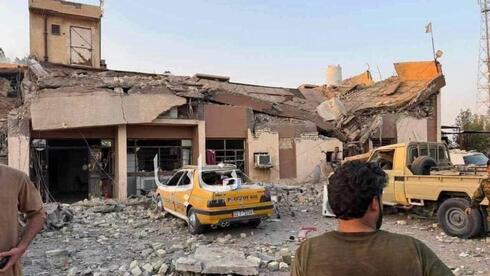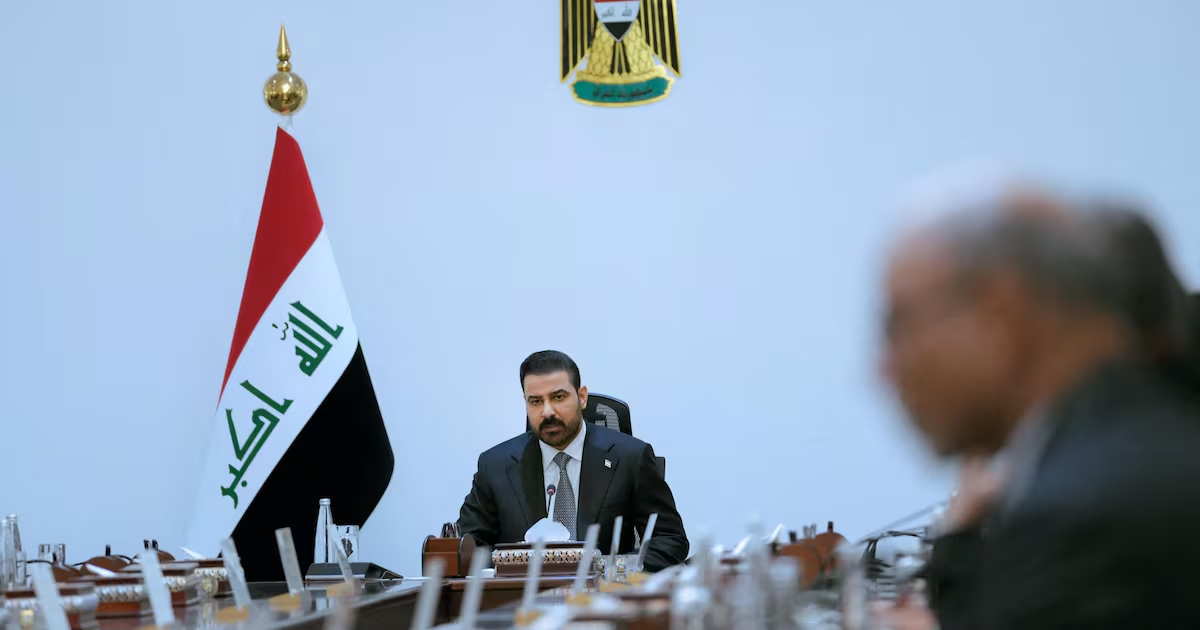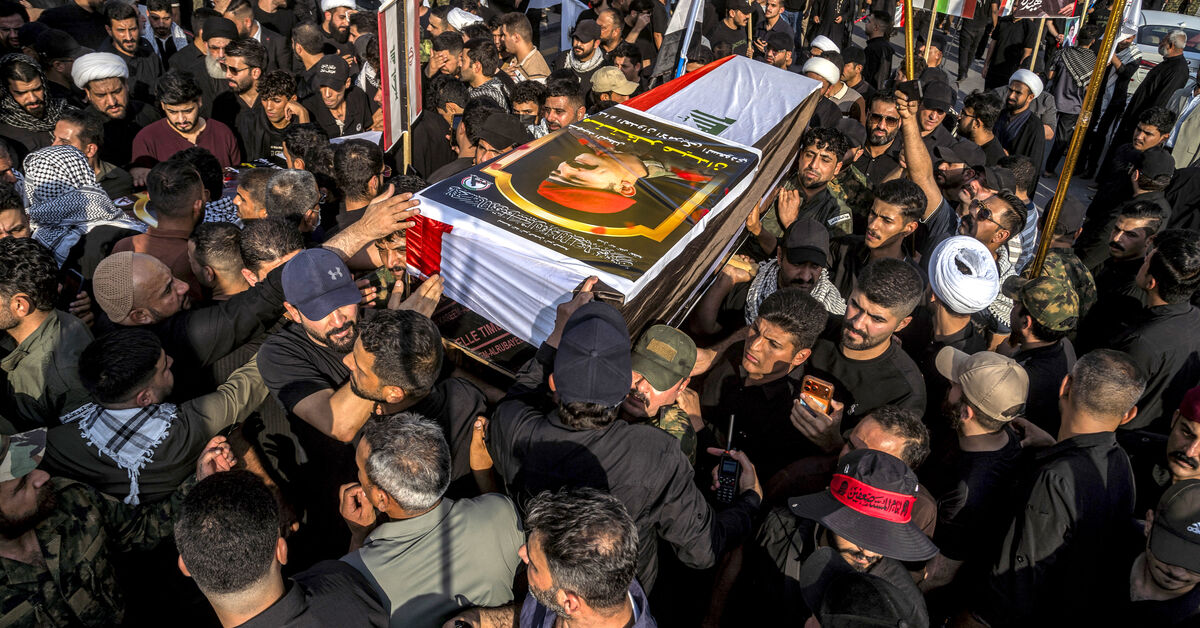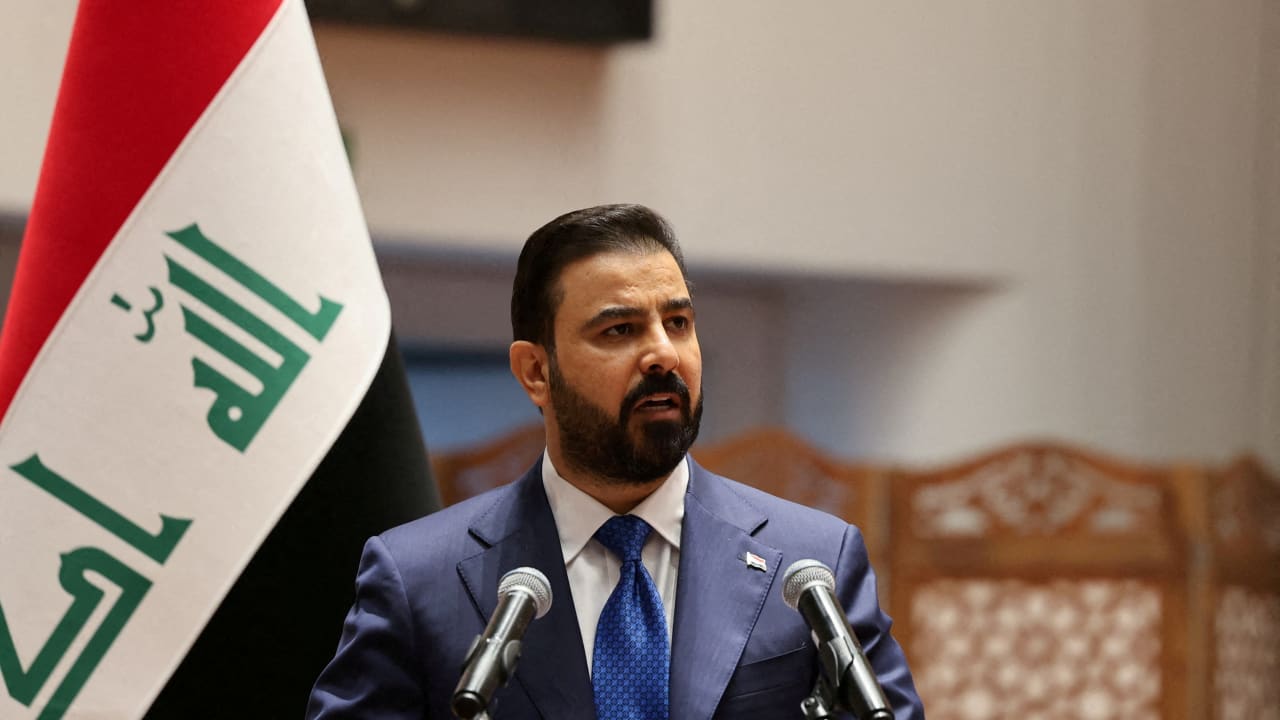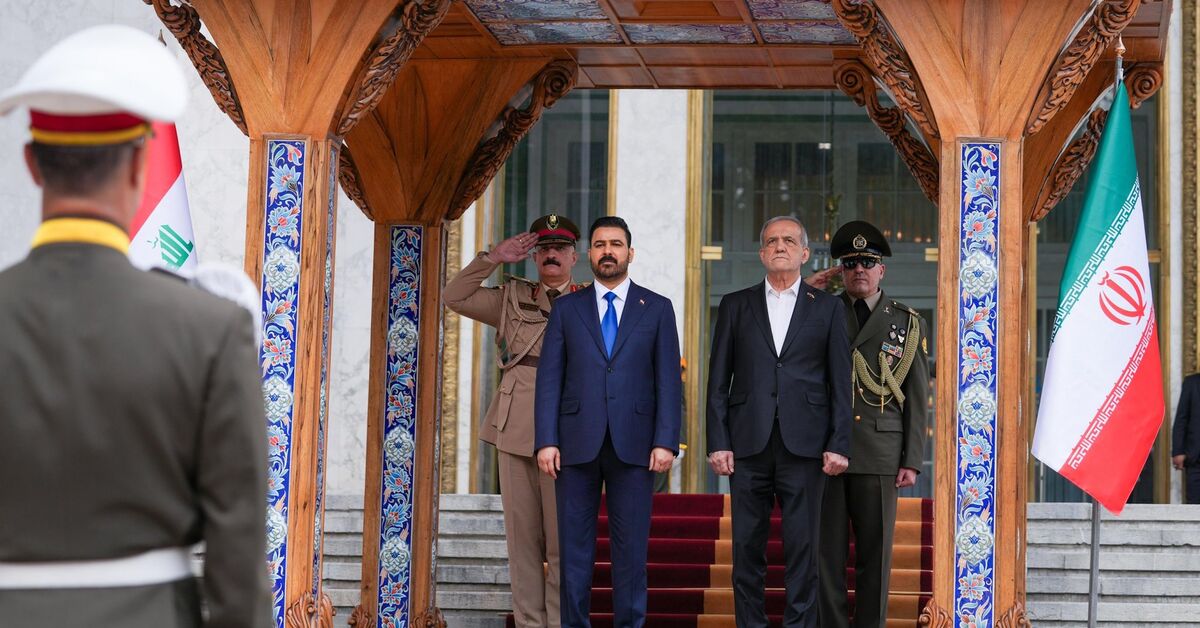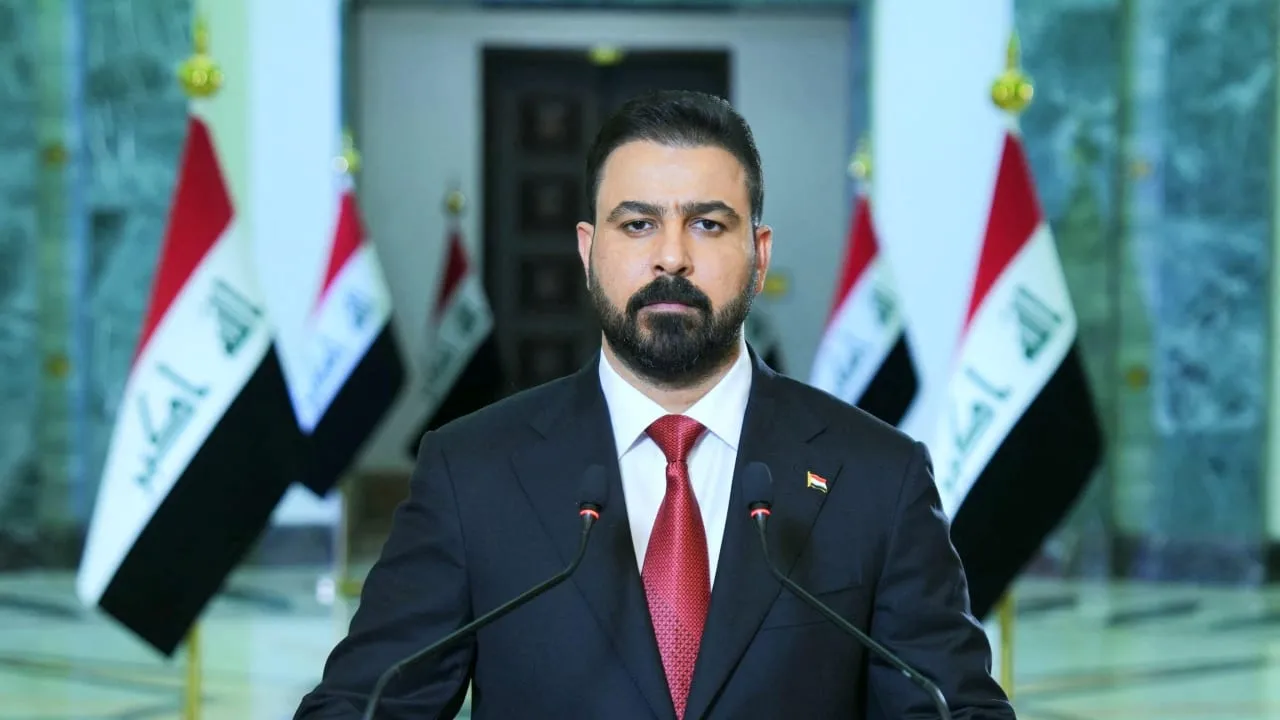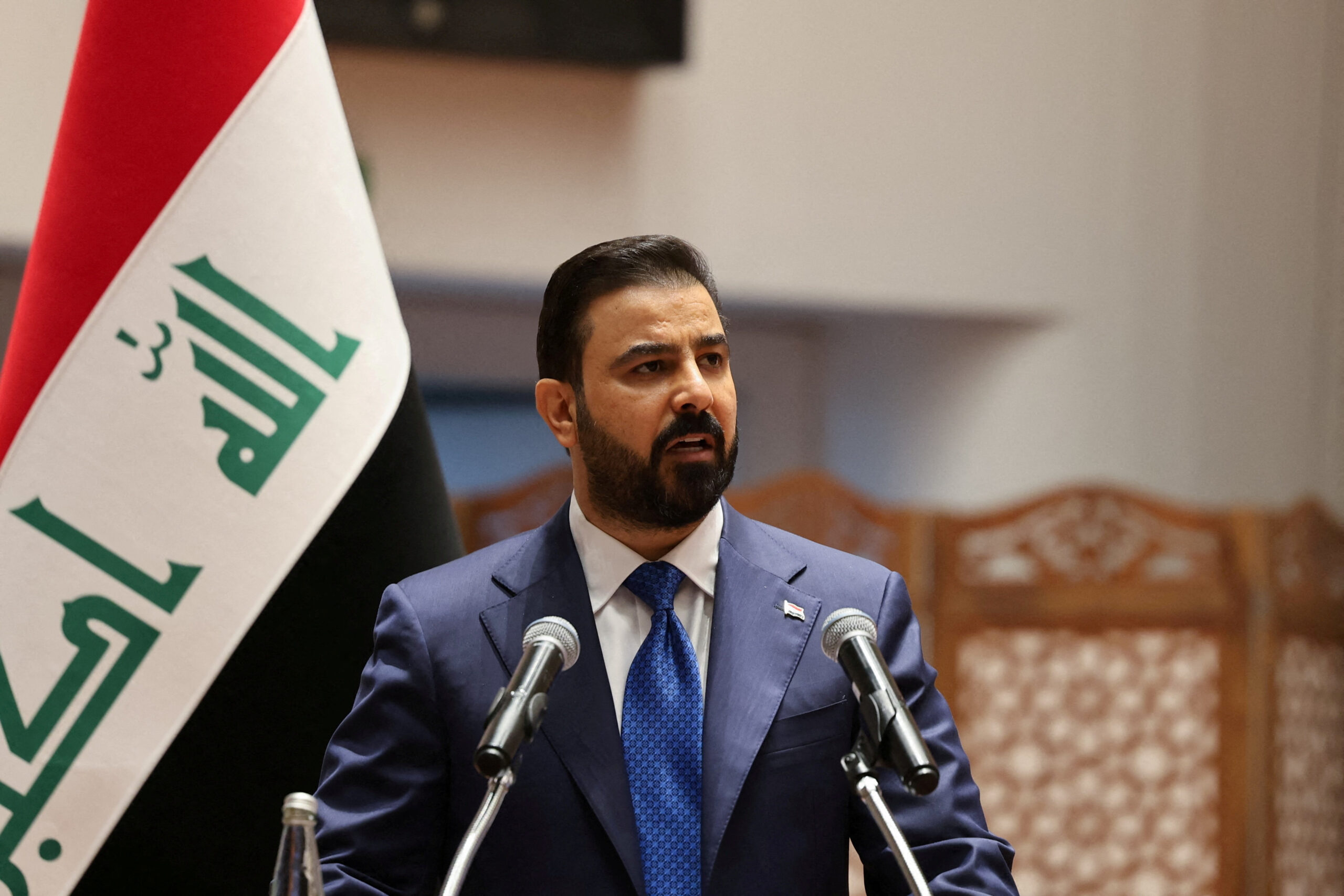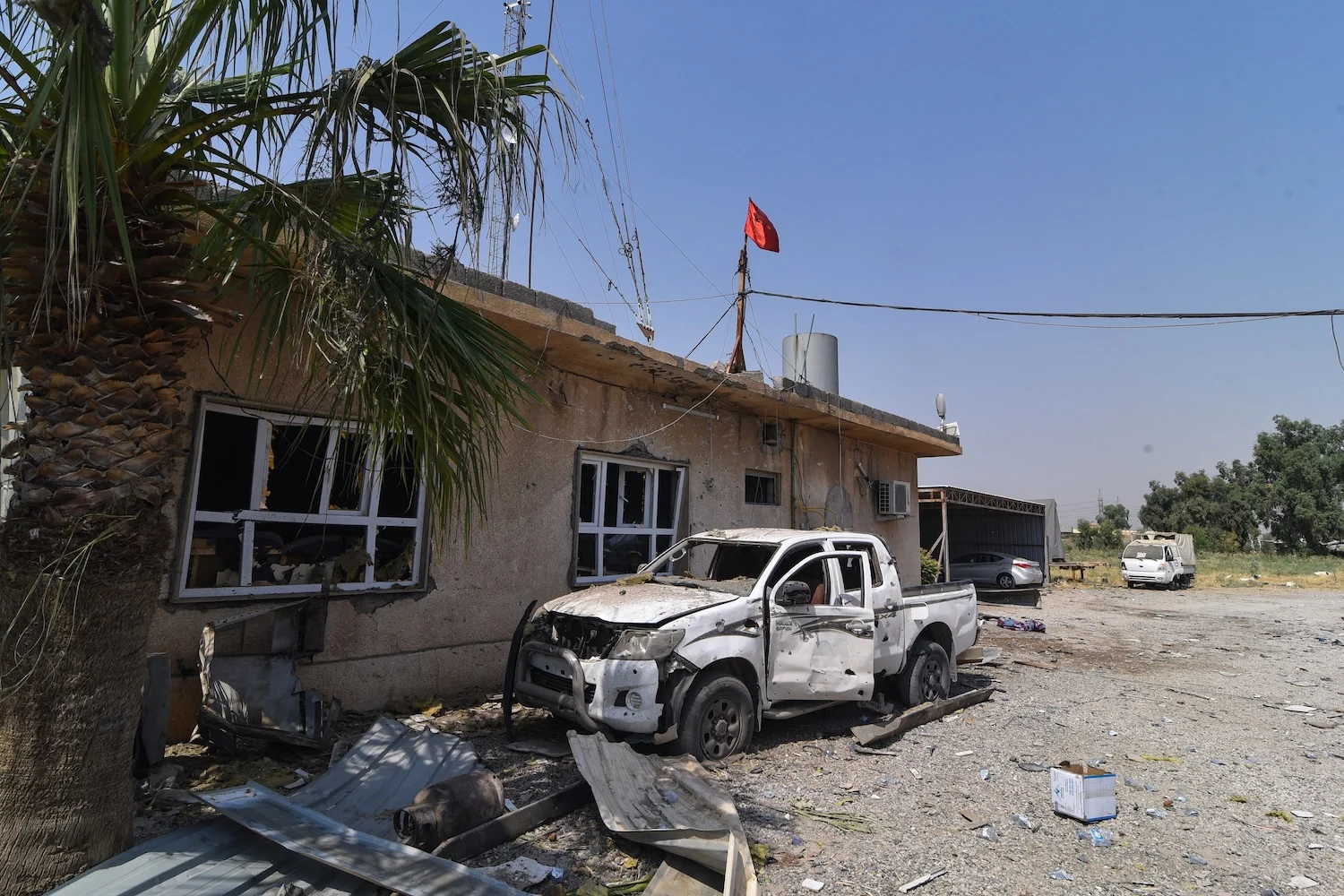
Upon taking office in May, Iraqi Prime Minister Ali al-Zaidi knew he would face the challenge of dealing with Iran-backed armed groups in the country. He might not have known how quickly or how intensely: On July 27, drones reportedly launched from Iraq targeted oil facilities in Saudi Arabia’s Eastern province. Although Iraqi armed groups denied responsibility, two days later Saudi Arabia and the United States carried out coordinated strikes against Iran-backed factions, reportedly killing at least 20 militia members. Whether the exchange remains contained is unclear. But it has already demonstrated Zaidi’s predicament: how to restrain armed groups capable of drawing Iraq into a regional conflict while balancing Baghdad’s relationships with the United States and Iran.
The escalation came not long after Zaidi had traveled to Washington for his first state visit. On the surface, the trip was a success. Zaidi and his delegation signed some 50 memoranda of understanding, while U.S. President Donald Trump said he expected him to become a “great leader in the Middle East.” But the flattering reception could not alter the conditions awaiting Zaidi upon his return to Baghdad: an oil-dependent economy, a fragmented political system, powerful armed factions, and the inescapable rivalry between Washington and Tehran.