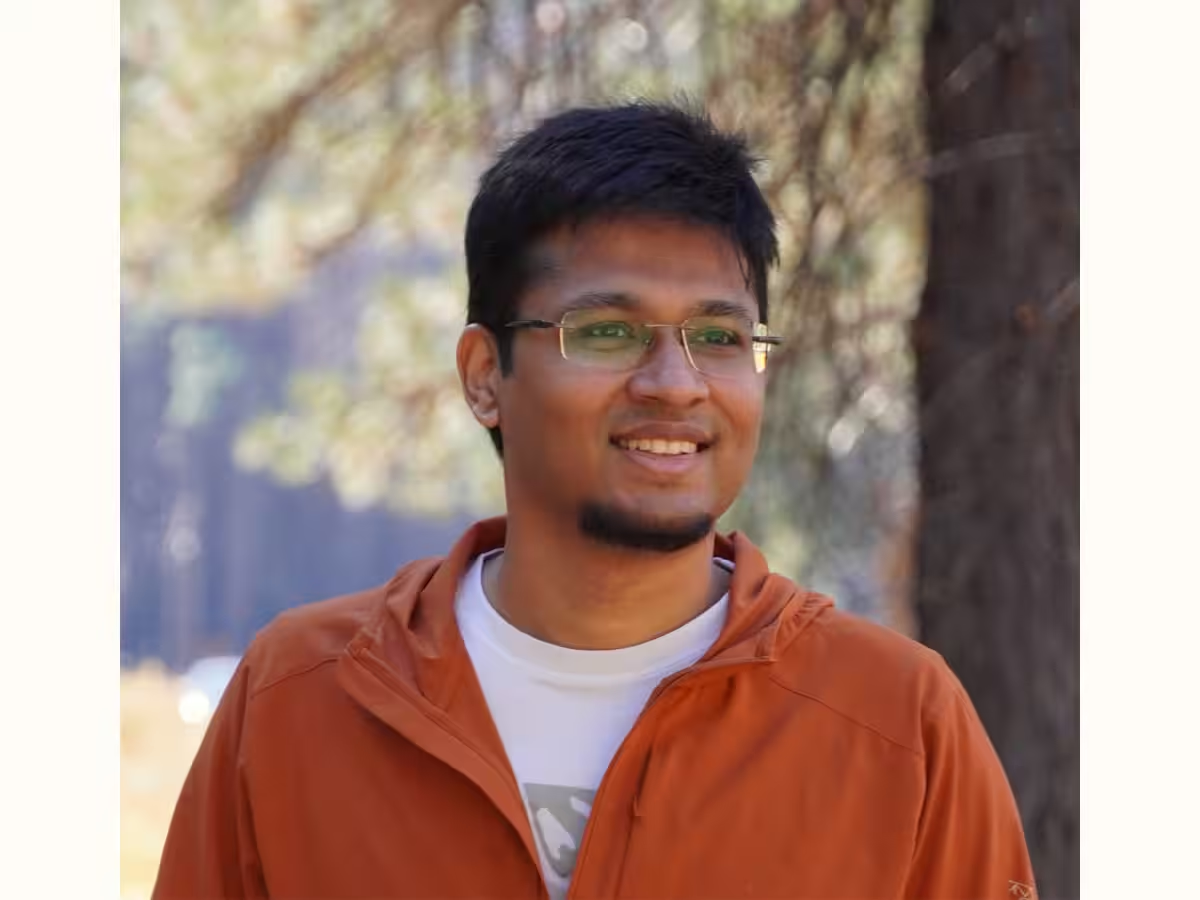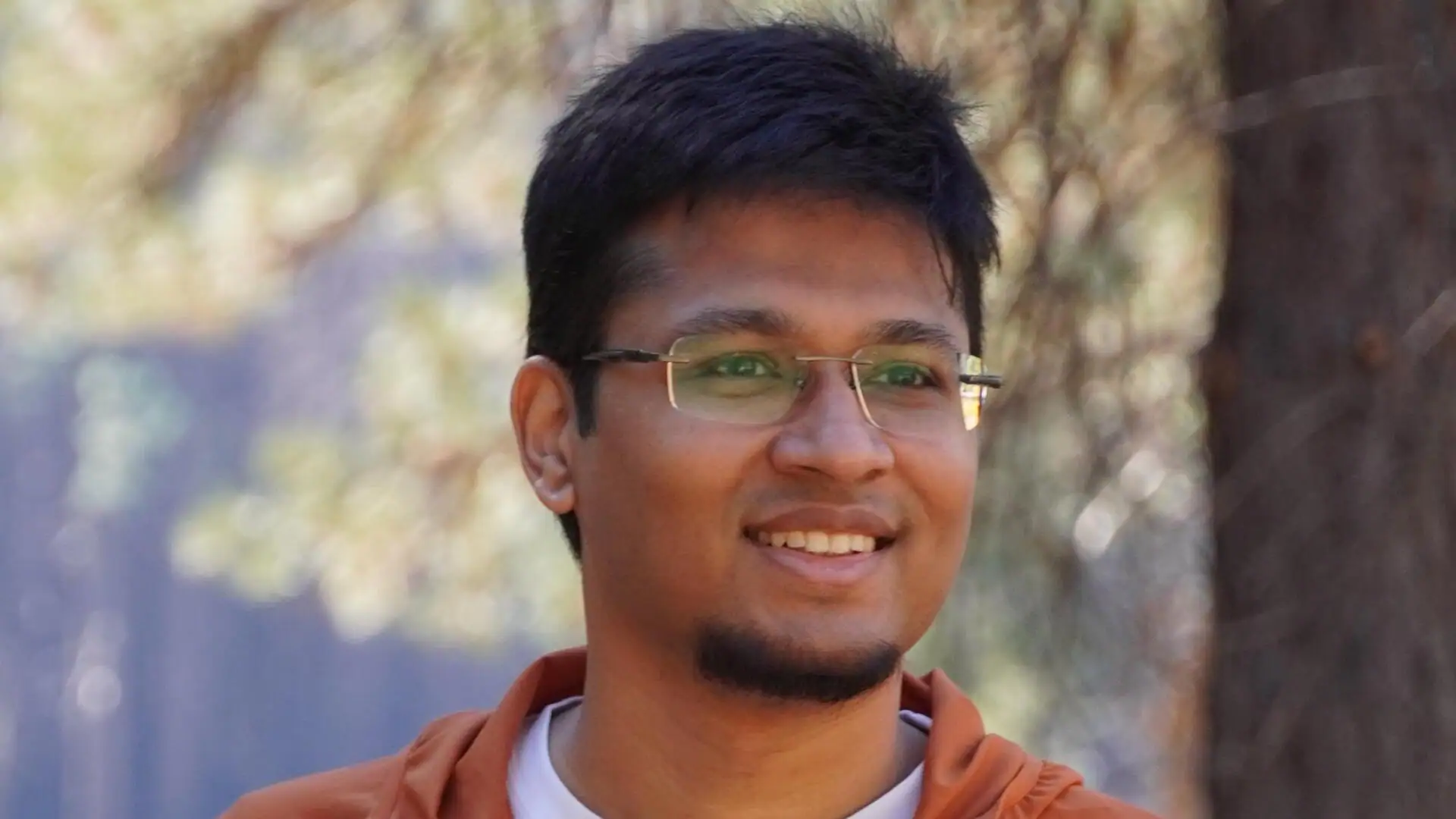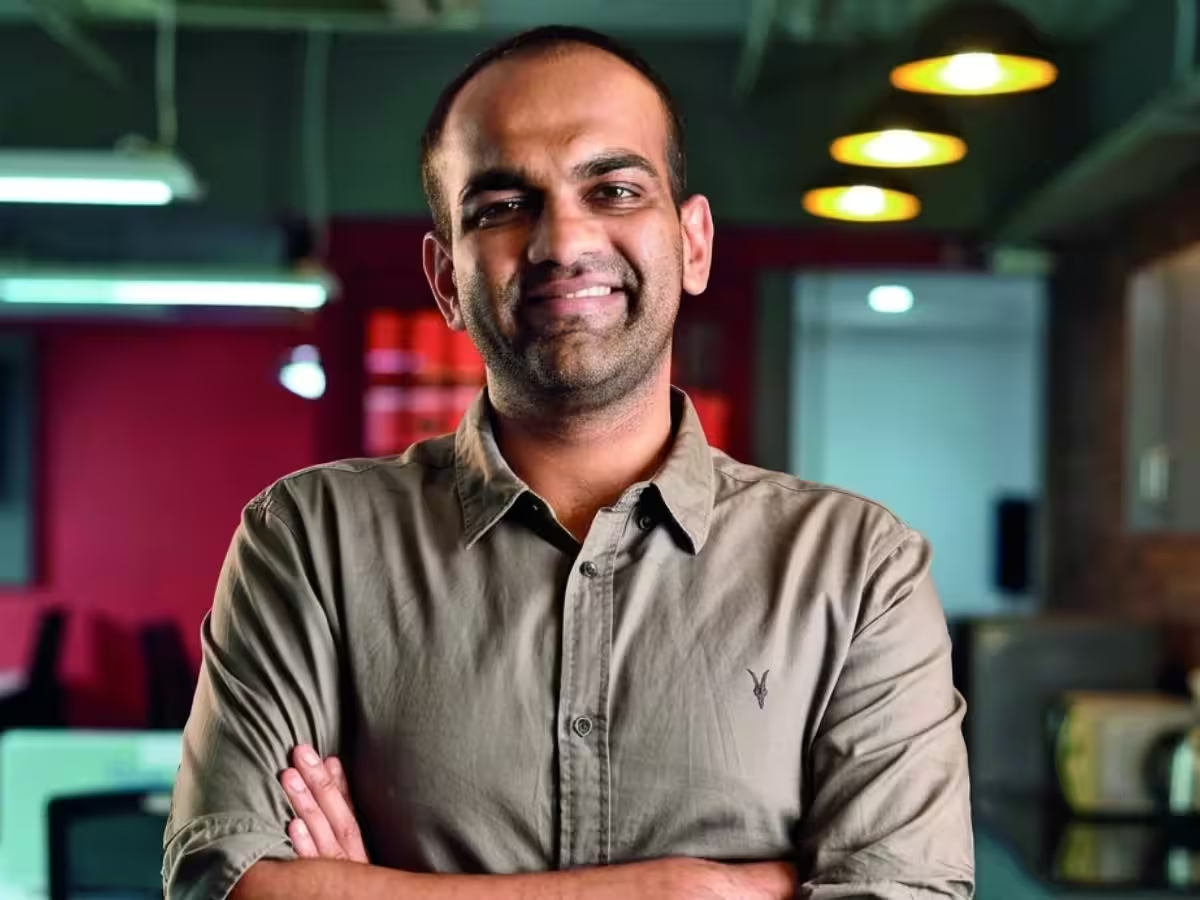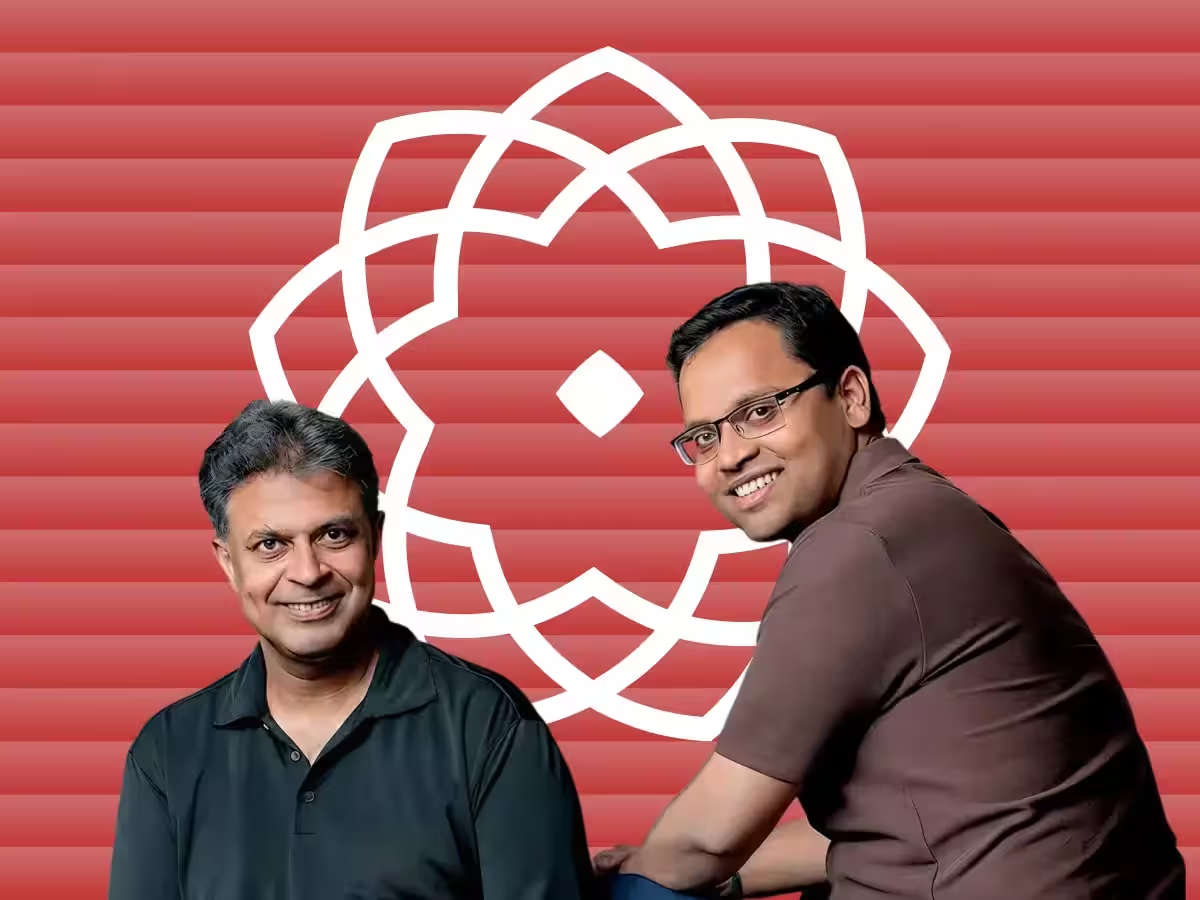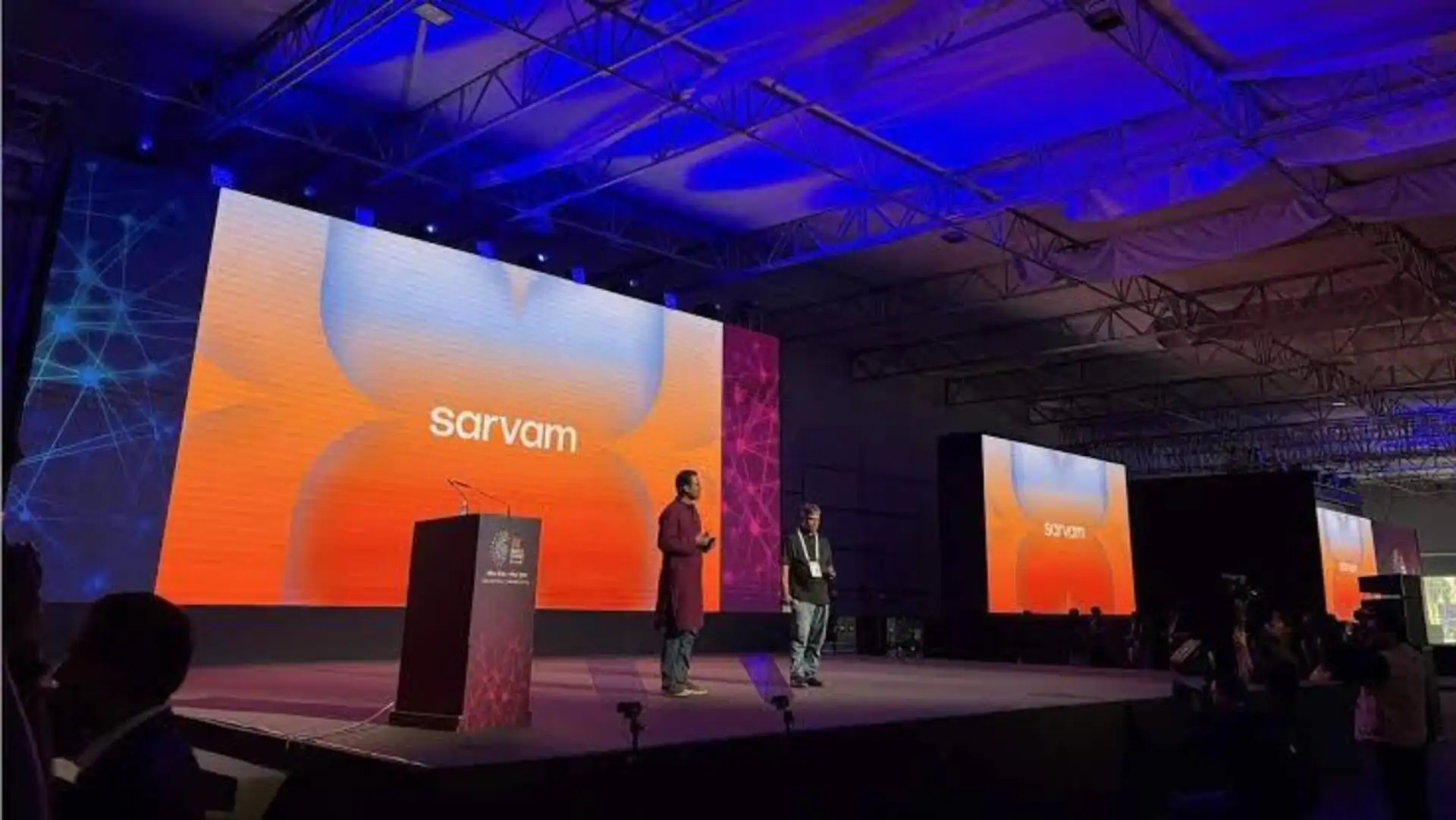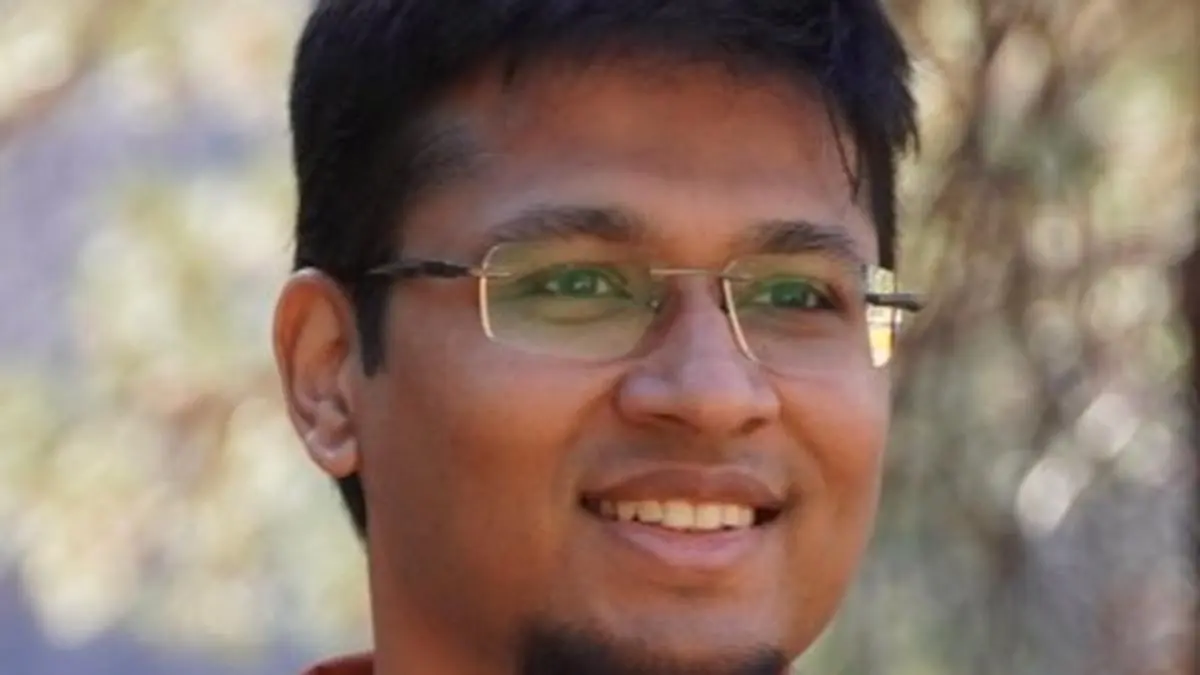
Sarvam AI has announced that Devendra Singh Chaplot, founding team member at AI startups Mistral AI and Thinking Machines Lab, has joined the team as an advisor, bolstering the company’s push to build frontier-scale AI models from India.The development was announced on Thursday at Sarvam AI’s flagship event, Sarvam EPOCH.In June, HCLTech announced a $150 million (around ₹1,427 crore) investment in Sarvam AI for a 10.46 per cent stake. The funding formed part of the startup’s $300 million Series B round, whose first close raised $234 million (around ₹2,219 crore) at a post-money valuation of $1.5 billion.Chaplot brings experience from some of the world’s leading AI labs. Most recently, he served as the pre-training lead at xAI, where he worked on large language models (LLMs). Before that, he was part of the founding team at Mistral AI, helping develop models including Mistral 7B, Mixtral 8x7B, and Mistral Large. He also led Mistral’s multimodal research and established the company’s US office. Earlier, he worked as an AI research scientist at Facebook AI Research (FAIR) and later joined Thinking Machines Lab as a Member of Technical Staff.“I am excited to help Sarvam as an advisor and help them build the best models in the world,” Chaplot said at the event.He challenged the perception that building frontier AI models requires resources beyond India’s reach.“Many think building at the frontier requires resources that are impossible to get in India. That’s not true,” he said.He also dismissed the notion that frontier AI development requires a large pool of experienced researchers.“You need a handful of experienced people, but mostly you need motivated and talented people. That’s something we have plenty of in India,” he said, adding that AI is still a young field and researchers can rapidly acquire expertise with the right guidance.Looking beyond infrastructure, Chaplot said India’s AI ambitions should focus on developing long-term capabilities rather than just building a single model.“The model is not the goal. It’s knowing how to build the models,” he said. “Research, infrastructure, data and the ability to train models are capabilities that will outlast any single model.”He also argued for a diverse AI ecosystem rather than one dominated by a handful of global models.“Do you want a world with only three models or thousands of models?” he asked. “Competition breeds innovation. Different enterprises and users need models of different sizes and price points.”For India, he said, indigenous models are essential because of the country’s linguistic diversity, education system, legal framework and public policy requirements, making locally developed and customisable AI models critical.Chaplot holds a PhD in Machine Learning and a Master’s degree in Language Technologies from Carnegie Mellon University, and a BTech in Computer Science and Engineering from IIT Bombay.Published on July 30, 2026
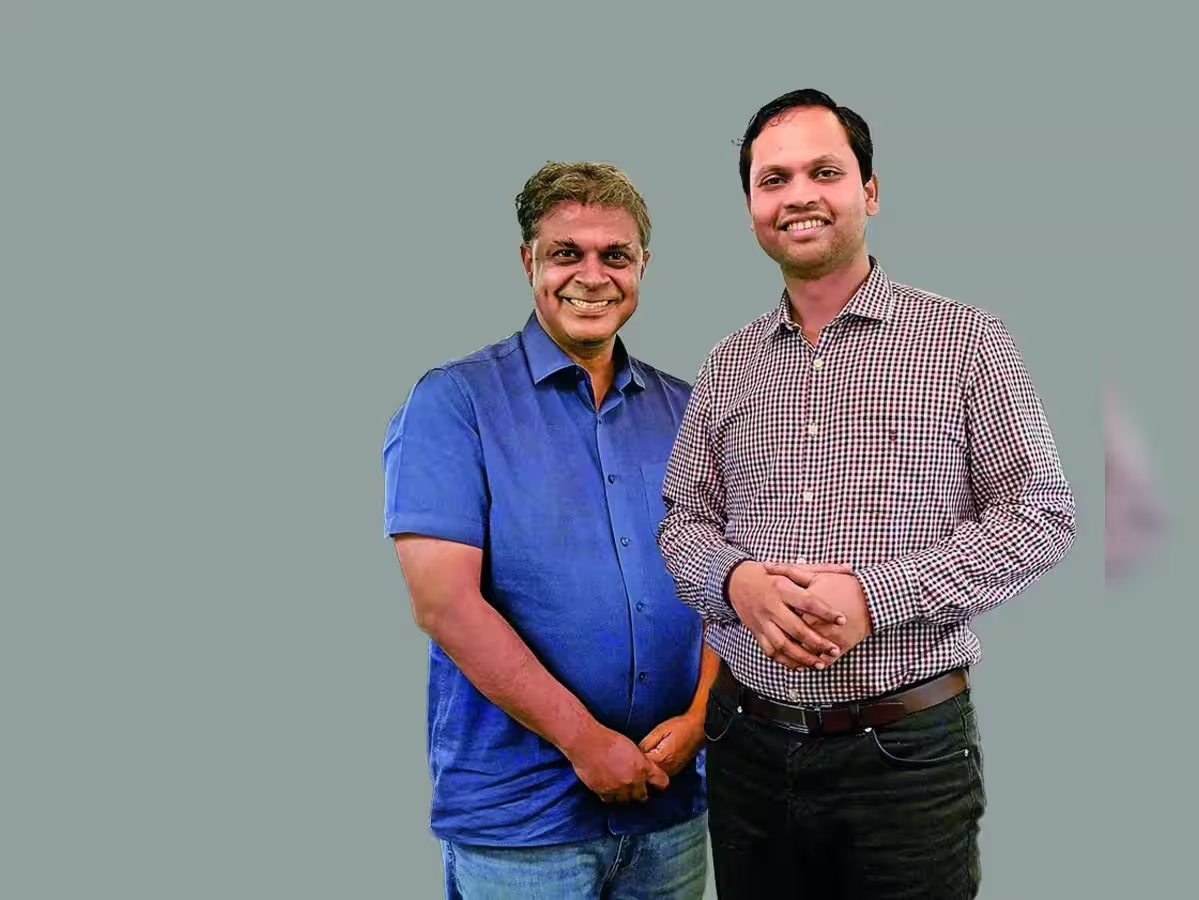
Mistral AI founding member Devendra Chaplot joins Sarvam AI as advisor
Devendra Chaplot joins Sarvam AI as an advisor, enhancing India's AI model development at Sarvam EPOCH event.
TL;DRAI
Devendra Chaplot, pre-training lead at xAI e membro fondatore Mistral AI, entra come advisor di Sarvam AI ($300M Serie B). India consolida frontier model player fuori US/EU: segnale di diversificazione fornitori AI.
455 words~2 min read