This article was originally published by Real Clear Defense.
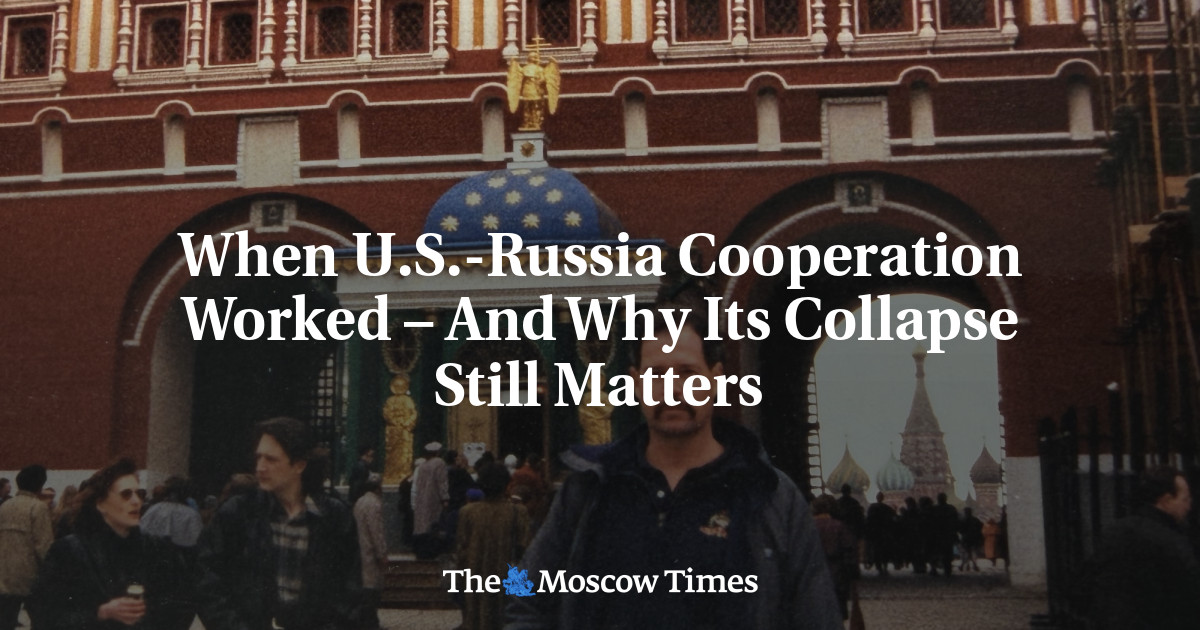
In the late 1990s, I would take the Moscow metro to Lubyanka Square and walk into the headquarters of Russia’s Federal Security Service — sometimes several times a week.
Inside, I met directly with Russian counterparts to work active cases: kidnappings, financial crimes and corruption investigations that reached into Russian institutions themselves. There were no elaborate protocols or rigid channels. We worked through problems in real time, often on the basis of professional trust rather than formal agreement.
For a brief period following the collapse of the Soviet Union — roughly from the mid-1990s into the early 2000s — this kind of sustained, practical cooperation between United States and Russian security services was not only possible but actively pursued within defined limits.
Today, it seems almost implausible.