What Is Retrieval Augmented Generation (RAG), and Why Does It Make AI So Much Less Confidently Wrong?
You know that game show contestant who buzzes in before the host finishes reading the question, shouts "MOUNT EVEREST!" with absolute certainty, and then looks genuinely confused when the correct answer turns out to be "the Treaty of Westphalia"? That's been AI for most of its existence. Supremely confident, occasionally correct, and deeply committed to whatever pops into its head first.
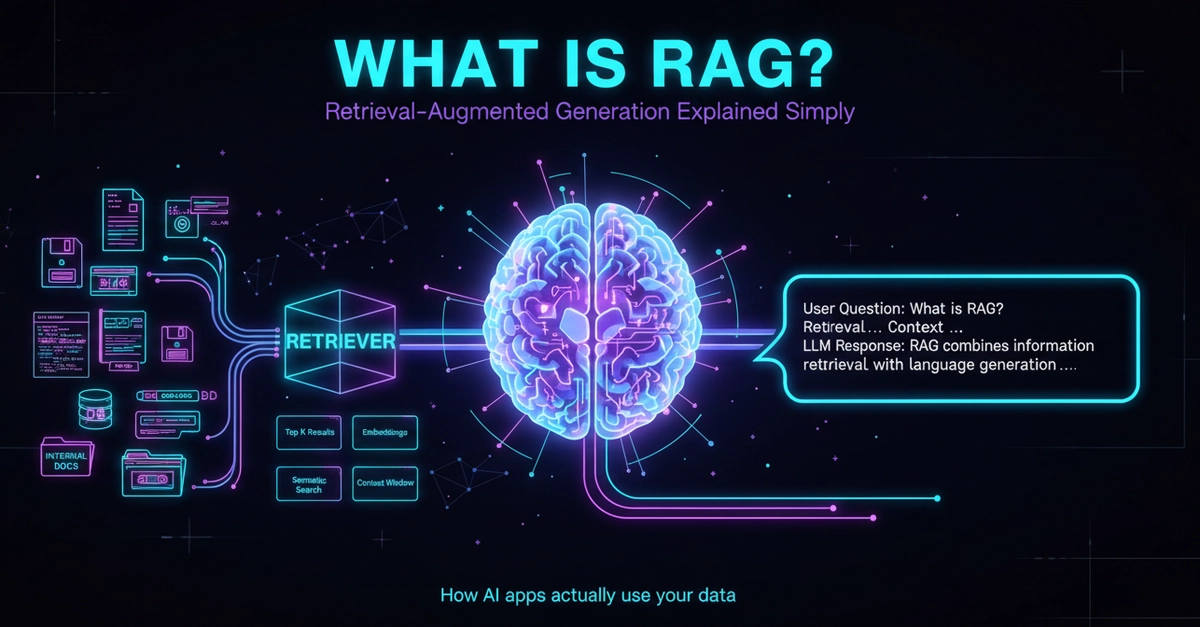
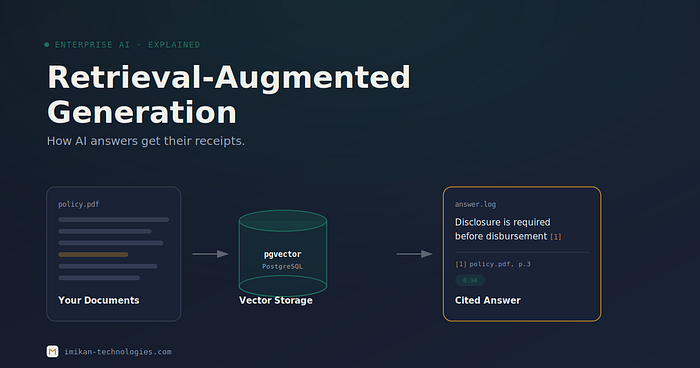
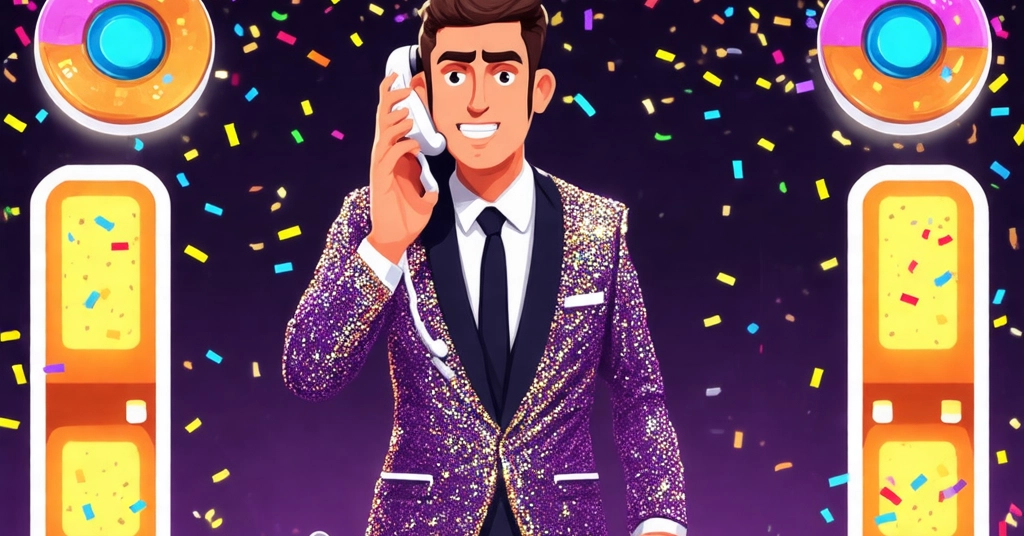
Now imagine that same contestant gets a new rule: before answering, they can phone a friend who has the exact relevant textbook already open to the right page. The friend reads them the actual answer, word for word, and then the contestant puts it in their own words for the judges. Suddenly, our buzzer-happy friend is getting questions right. That phone call is Retrieval Augmented Generation, and it's the reason AI chatbots have gotten weirdly more useful in the past year.
The Old Way: Confidently Wrong at 200 Miles Per Hour
Traditional large language models (big AI systems trained on tons of text) get trained on enormous dumps of text scraped from the internet, books, and whatever else researchers can feed them. Then the training ends. The model gets sealed off, frozen in time with whatever it learned.