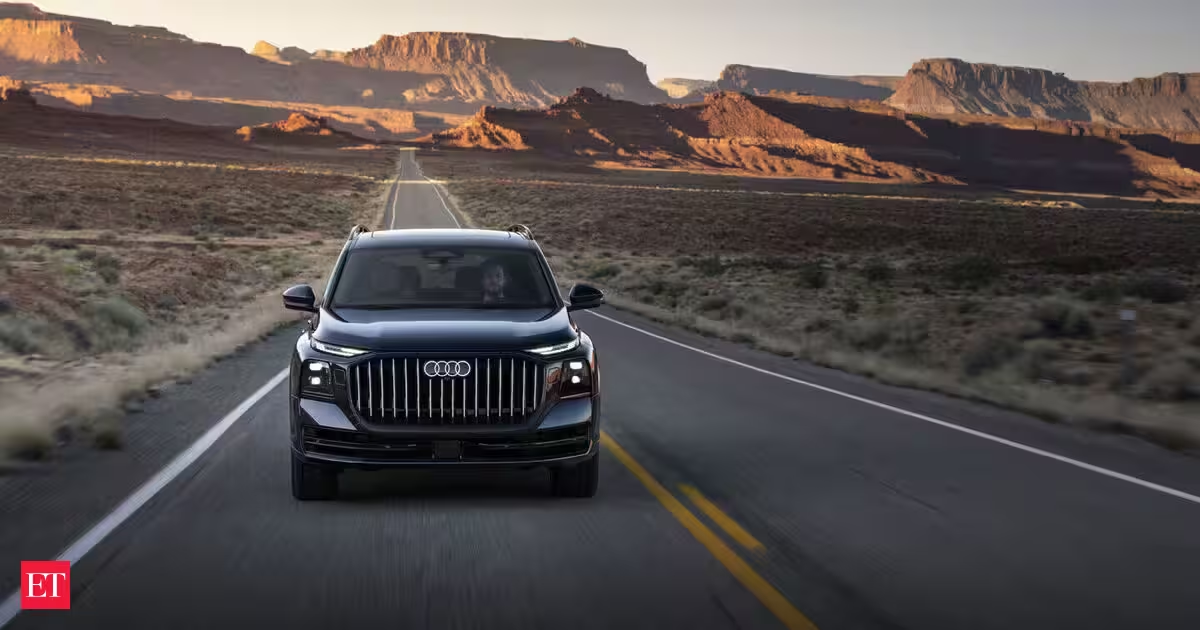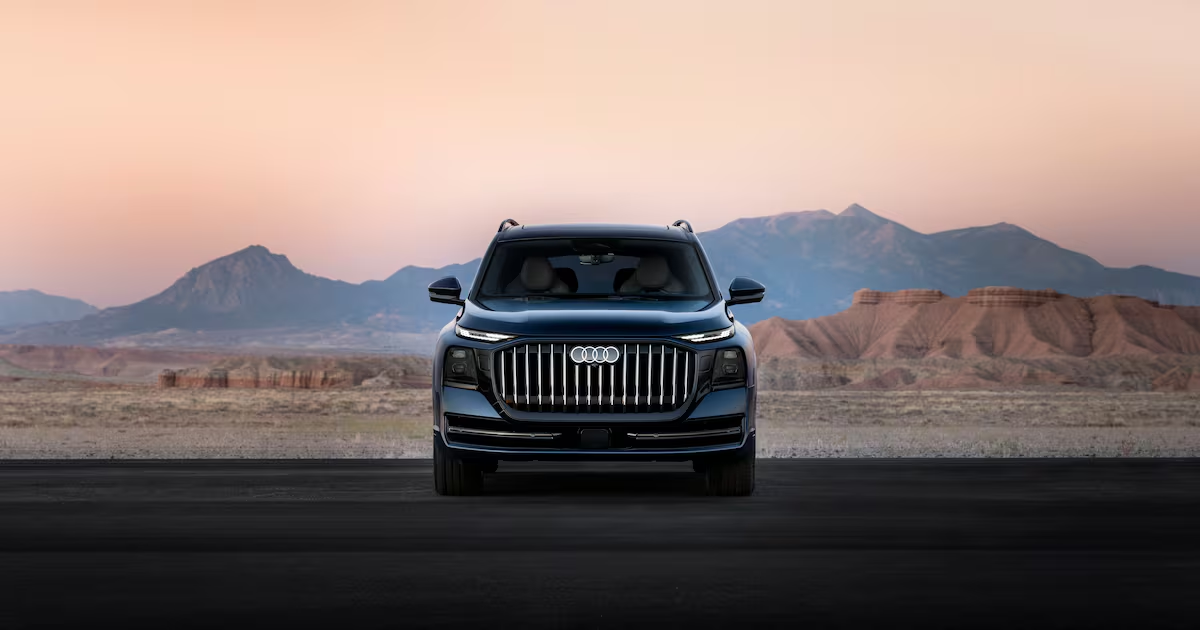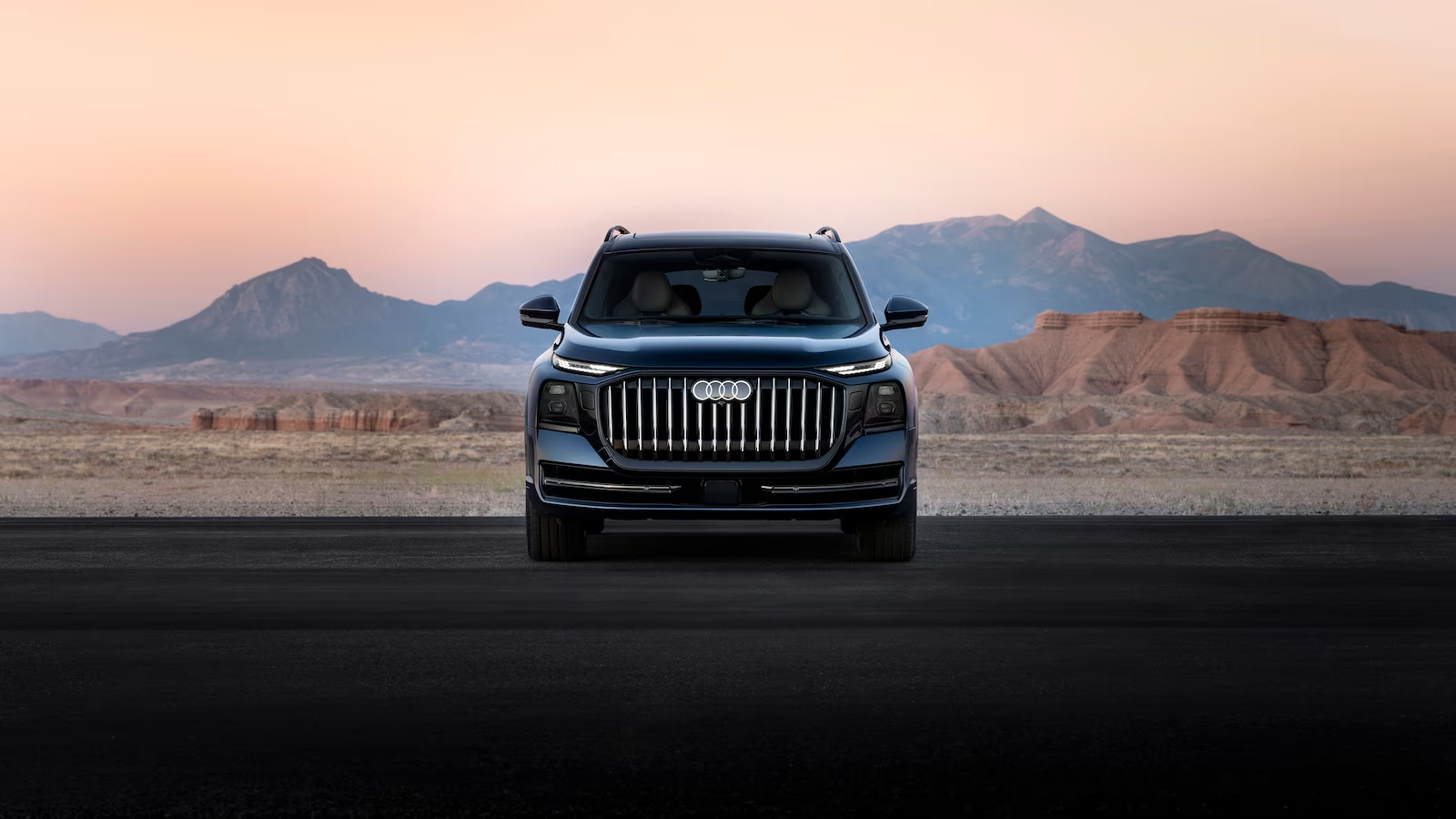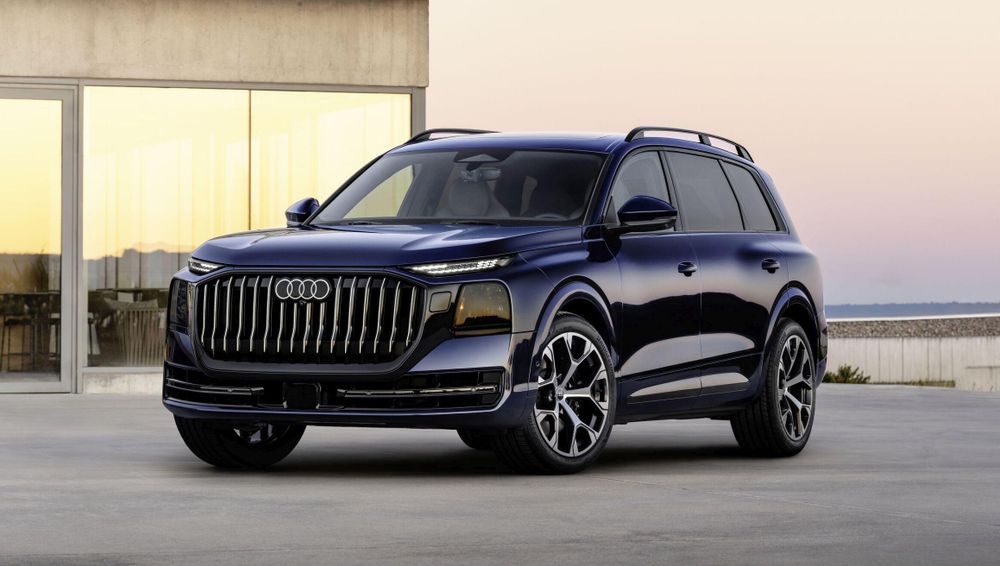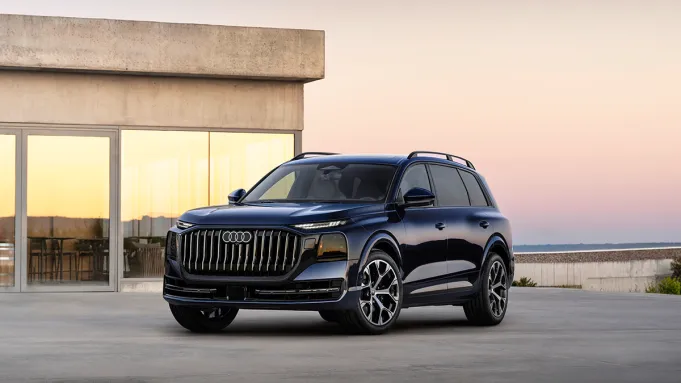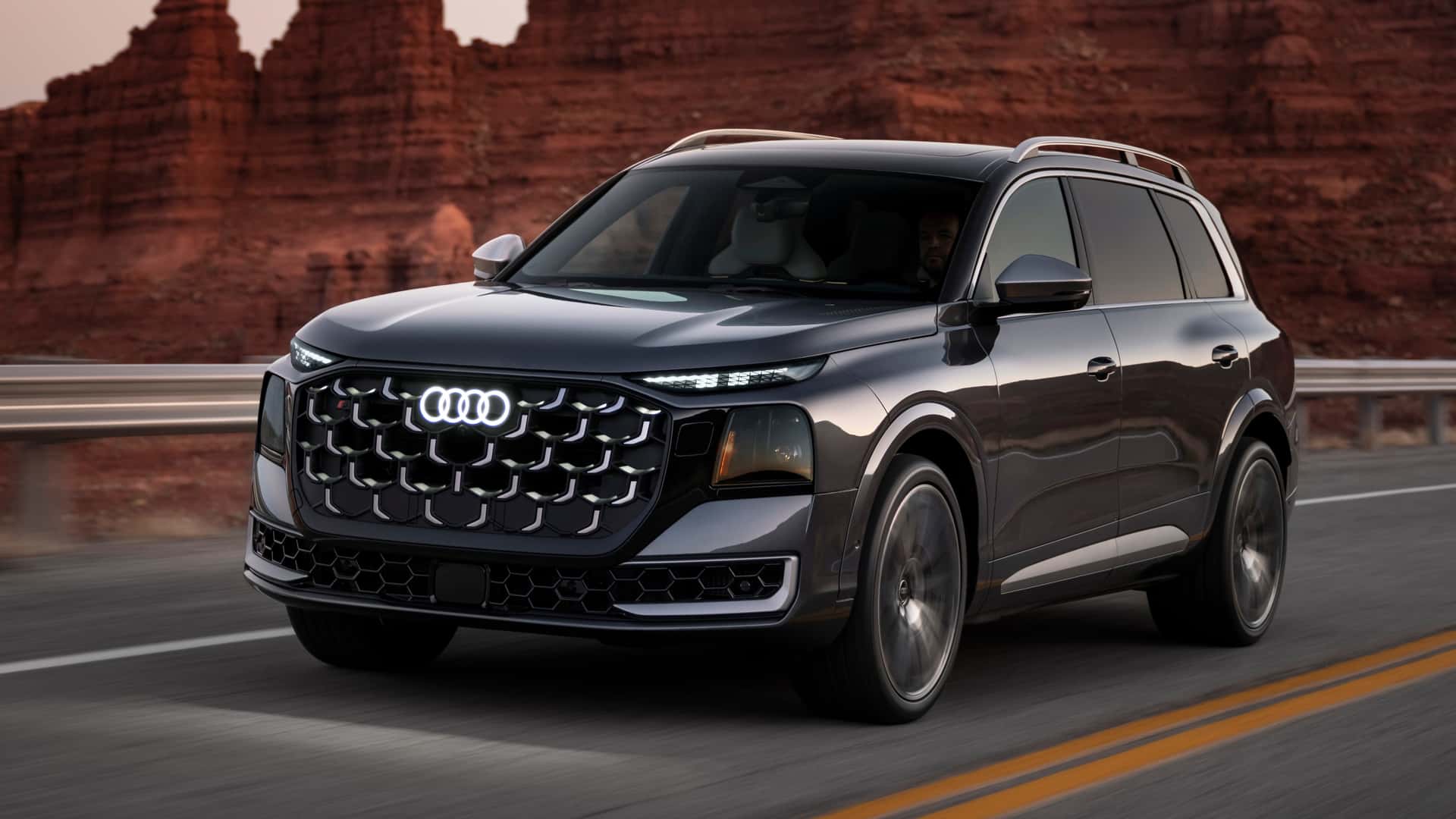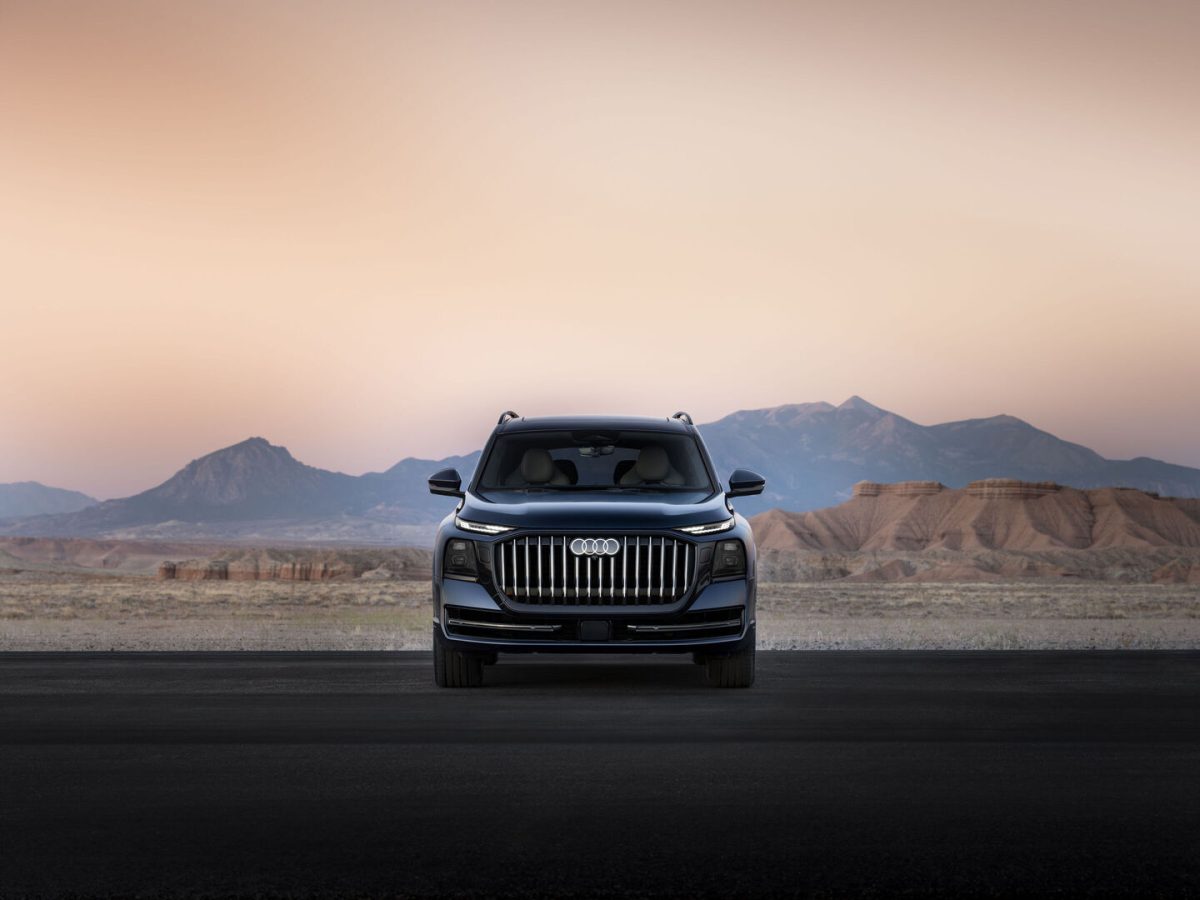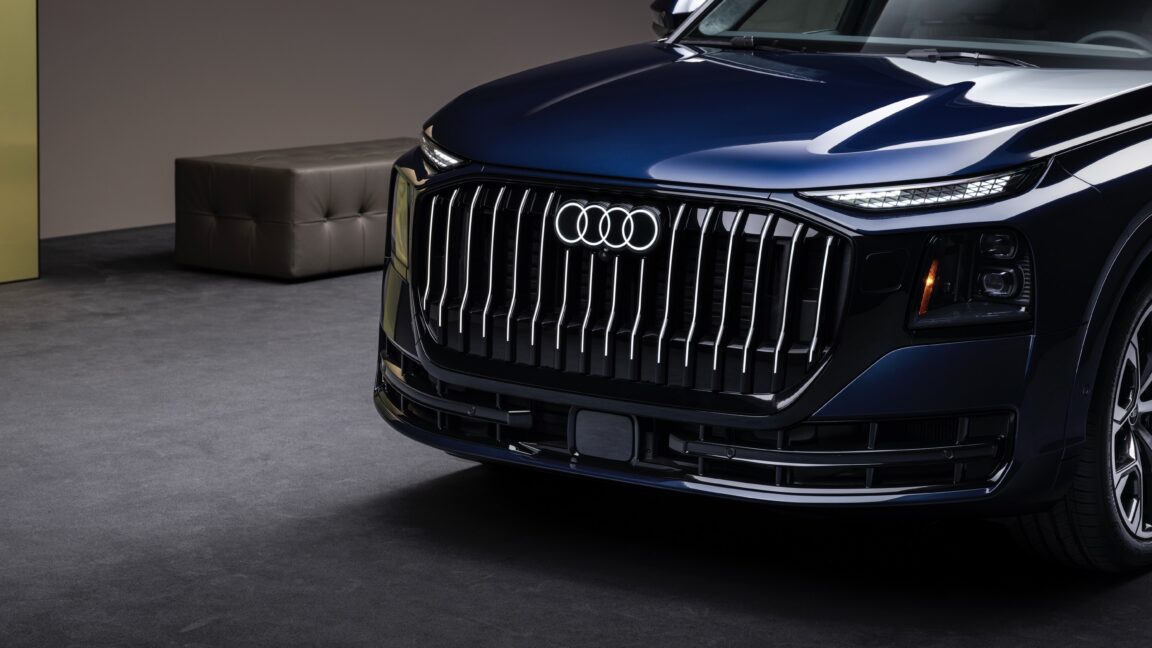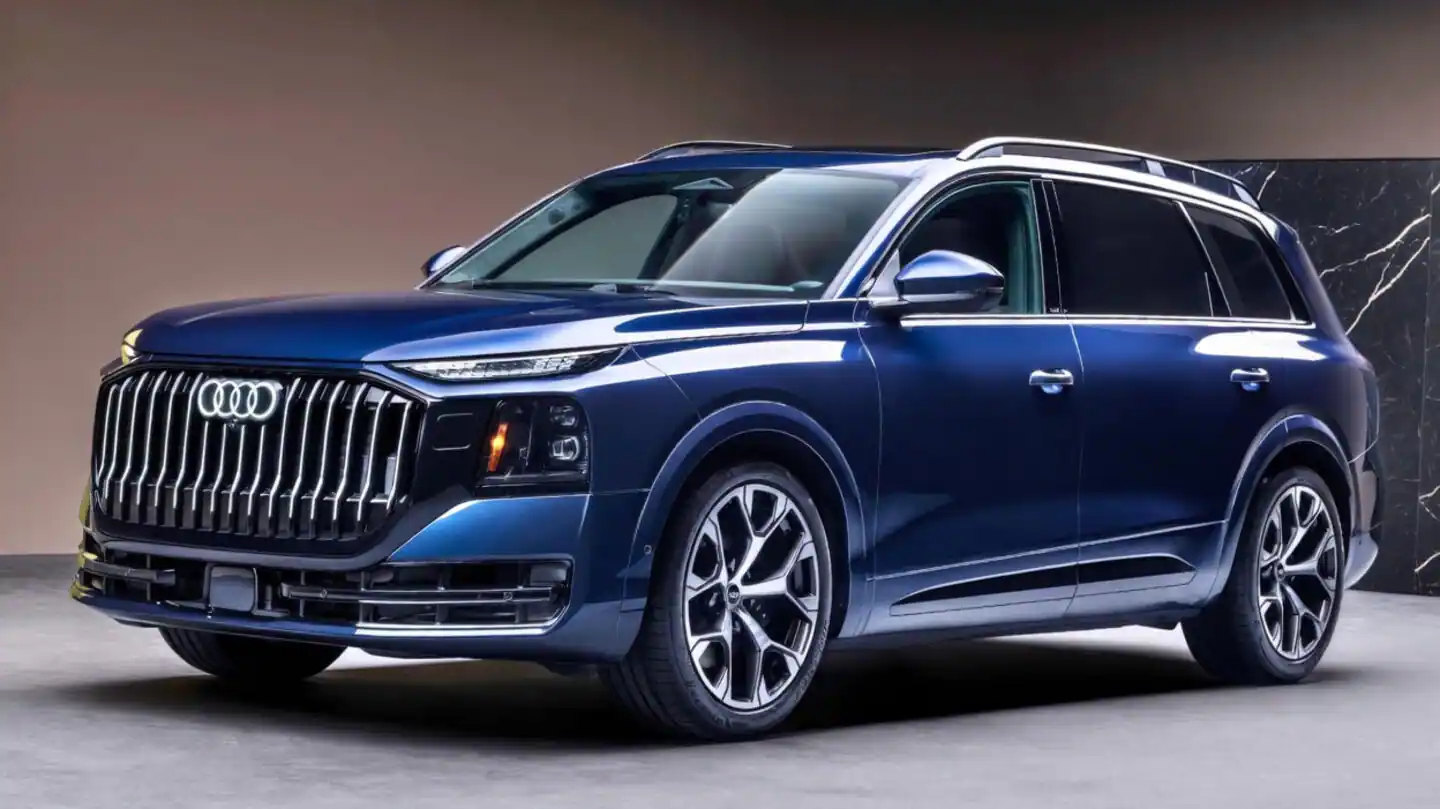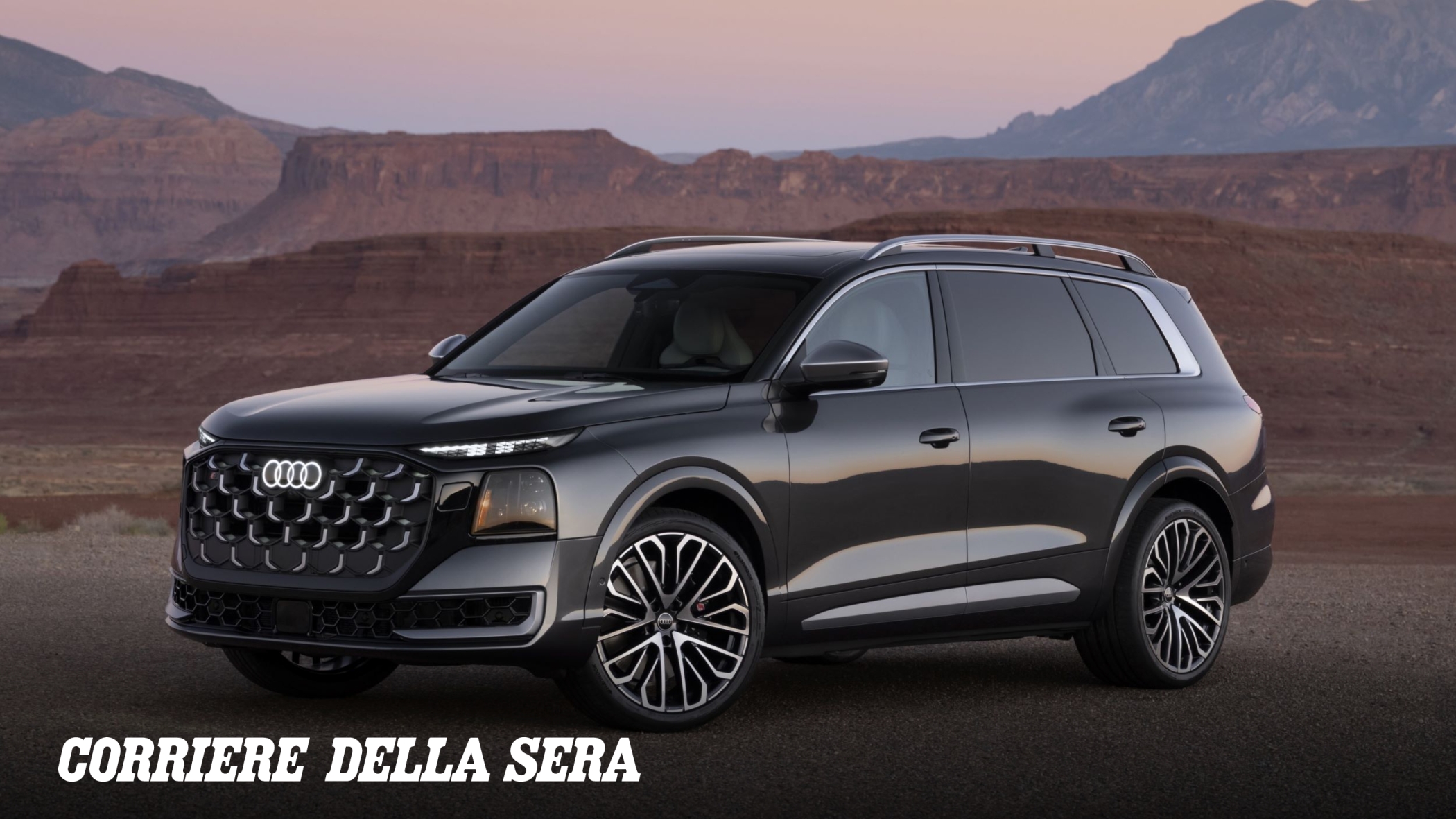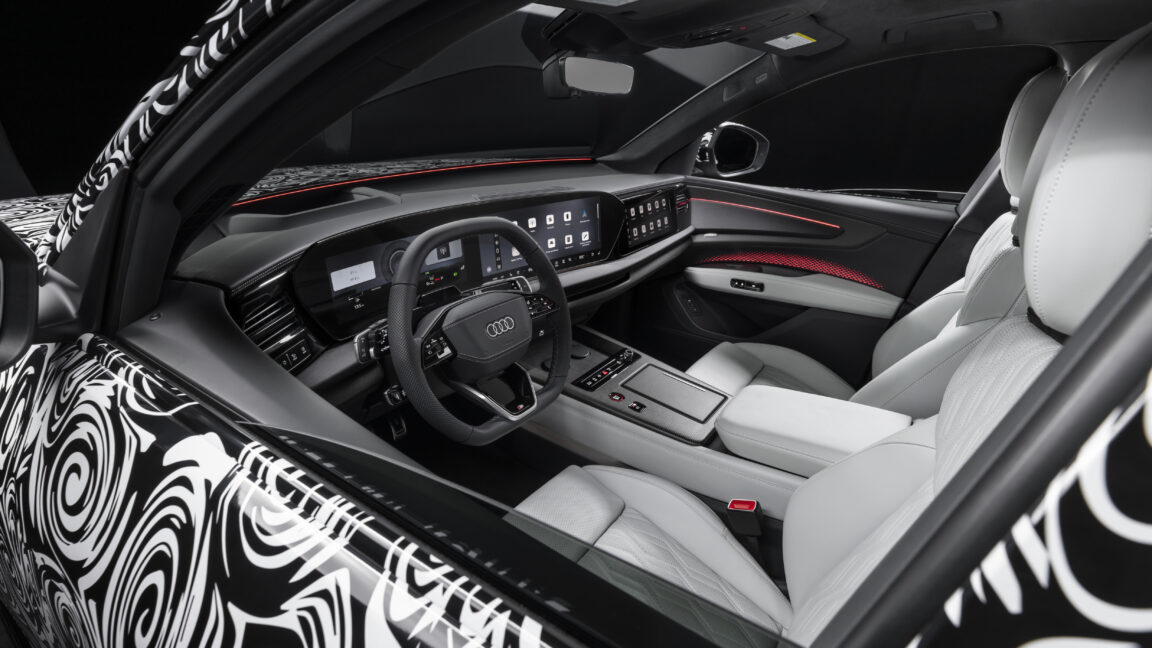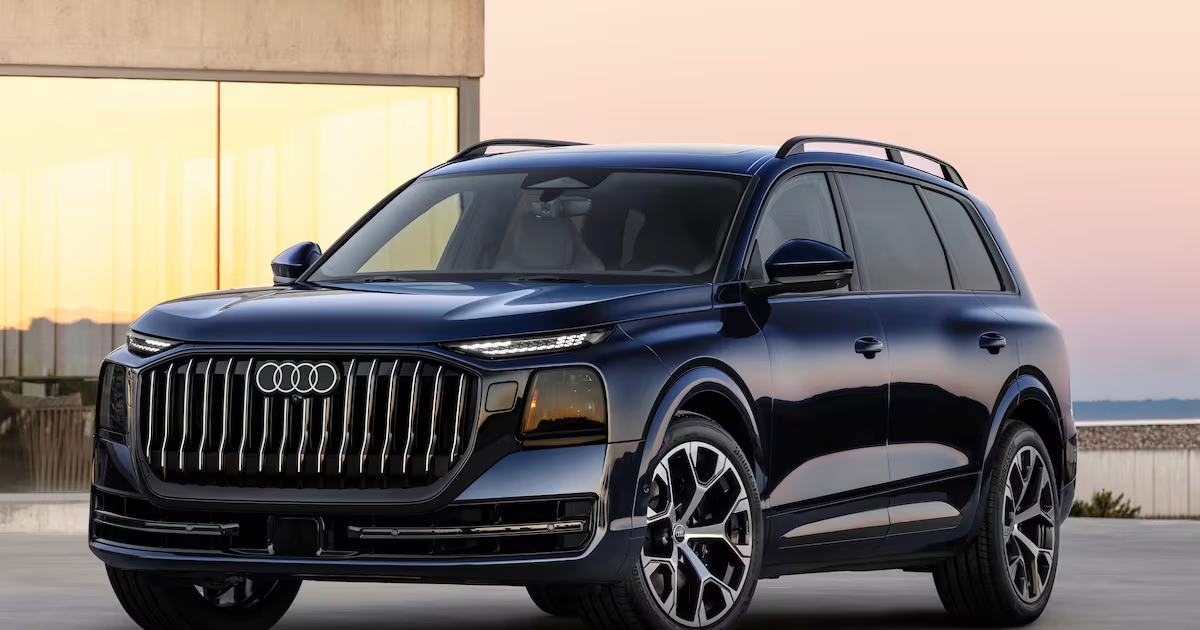
Three decades ago, Audi started to stretch its premium legs. Having established itself as a maker of slick, sleek premium saloons, it decided to try to take on the mighty Mercedes S-Class with a new big, luxurious saloon, the A8. The A8 was groundbreaking in that it used a complex, expensive aluminium space frame (ASF in Audi speak) to create a big car that was nevertheless light by the standards of its class, endowing the first A8 with unusual agility and fuel economy for a big luxury car. Now, the A8 is dead, and it has been replaced by this, the Audi Q9. The brand’s new flagship is a massive seven-seat SUV. Measuring 5.3m from nose to tail, it’s 2.2m wide, 1.8m tall, and weighs 2.6 tonnes with one person on board. It is one of the biggest cars ever to be put on sale in Europe and, yes, it’s coming to Ireland, where it will be priced from €172,250 when it lands on these shores, presumably with a thud, later this year. The Q9 is Audi’s riposte to the likes of the BMW X7 and Mercedes GLS, but it’s bigger than either and is clearly aimed at the US and Middle East markets given its size and its likely profligacy. The Q9 will launch with no electric nor plug-in hybrid variants and instead will rely on V6 and V8 diesel and petrol engines. At best, Audi claims its fuel consumption will average 7.0 litres per 100km with the V6 mild-hybrid diesel engine.Initially only available with that diesel engine, it’s likely that the Q9 will in due course gain a high-performance SQ9 model, using the 700-odd-horsepower twin-turbo V8 engine from the Bentley Bentayga and the Lamborghini Urus. New Audi Q9 New Audi Q9 Inside, you will be able to choose between a standard seven-seat layout or a more luxurious six-seat set-up, and the Q9’s doors will – upon detection of either the key or the car’s digital key on your mobile phone as you approach – open automatically under electric power. Audi says that the doors have their own dedicated sensors to prevent them opening into the path of an oncoming pedestrian or cyclist. [ Are we witnessing the beginning of the end for SUVs?Opens in new window ]The Q9’s massive, full-width grille is likely to be one of the last iterations of that style for Audi, as it will soon switch to a new “family” look based on head designer Massimo Frascella’s designs for the new Nuvolari supercar, and a small, electric, two-seat sports car based on the recent Concept C.New Audi Q9 New Audi Q9 The cabin takes familiar cues from other current Audis, with a squared-off steering wheel and three large digital screens strung out across the dashboard. Uniquely, the cupholders have been sized so that they can handle a one-litre water bottle. If you’re a – very wealthy – family buyer, then you might like to know that the Q9 will be one of the few vehicles on the road to come with three Isofix anchor points for child car seats across the middle row of seats. Expect to see lots of these on south Dublin school runs.Christian Gussen, Audi Ireland brand director, says the arrival of the Q9 marks “an exciting milestone as the most luxurious and technologically advanced SUV ever to join our model range”. “As our new flagship SUV, the Q9 combines exceptional comfort, premium craftsmanship and innovative technology with the dynamic performance and everyday versatility our customers have come to expect from Audi.”The Q9 won’t have things all its own way, though. Chinese brand Zeekr (part of the same Geely Group, which also includes Volvo and Polestar) has just launched its own hulking, massive SUV – the 9X – into the European market. Zeekr 9X Looking like a cross between a Rolls-Royce Cullinan and a home radiator catalogue, the 9X gets a plug-in hybrid power train, mixing a 2-litre engine with two electric motors for a massive 897hp and four-wheel drive. It will come with either a 50kWh or 70kWh battery pack, for an electric-only range of up to more than 200km. Inside, there’s a luxurious interior with seats for six, multiple screens (including a foldaway 17-inch cinema screen for those in the back), refrigerated compartments, Nappa leather seats, and rather more in the way of proper, physical buttons than we’ve been used to lately from Chinese brands. [ What’s the best affordable EV for commuting and country driving?Opens in new window ]Will the Zeekr 9X come to Ireland to challenge the Audi Q9? Possibly, and it would likely be Volvo’s Irish operations which would take on the Zeekr import duties, but all of that is very much speculation for now.In the meantime, be thankful that rival Chinese brand BYD has revealed its smallest, lightest car yet. The dinky Racco is designed around Japan’s ultra-compact “kei car” regulations. It has a tiny 22kWh battery pack, giving it a range of up to 210km, or there’s a premium model with a bigger 35kWh battery for a 320km range. It has a mere 64hp – the legal limit for a kei car – and is just 3.3m long. BYD Racco Will the Racco come to Ireland? That’s doubtful, but there’s some small hope in the fact that Honda has started selling its tiny, cute Super-N electric kei hatch in Europe and the UK. If it’s a success, maybe BYD will consider bringing the Racco to this side of the world too.
Seven seats, €172k and 2.6 tonnes: Audi unveils its biggest, heaviest car yet
The massive Q9 is Audi’s new SUV flagship
917 words~4 min read