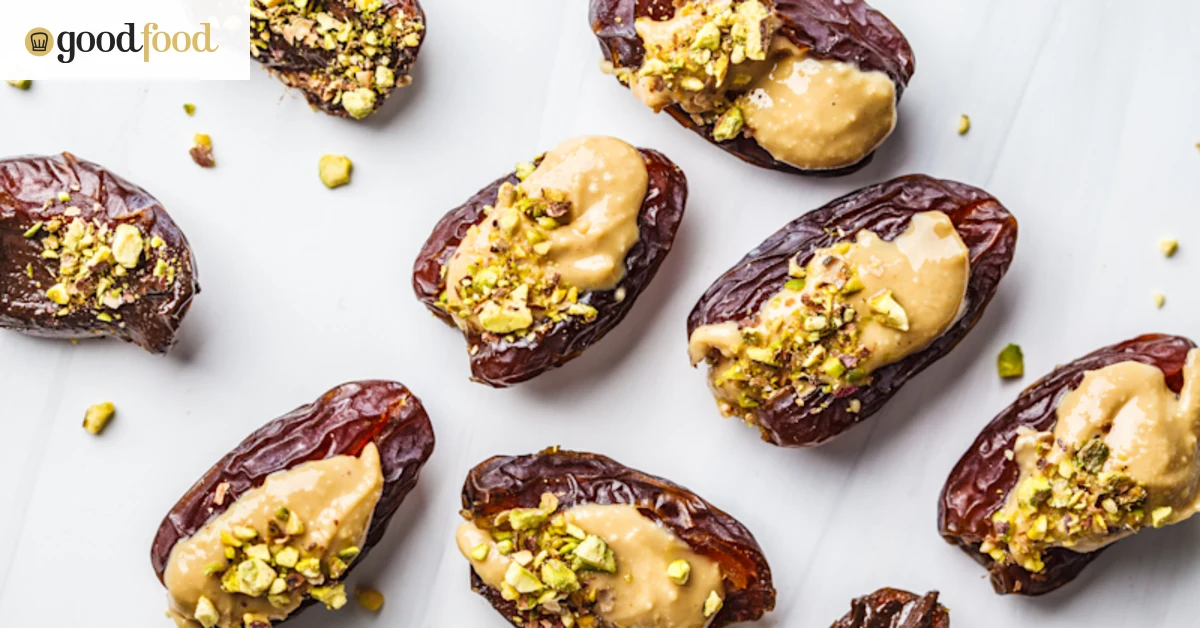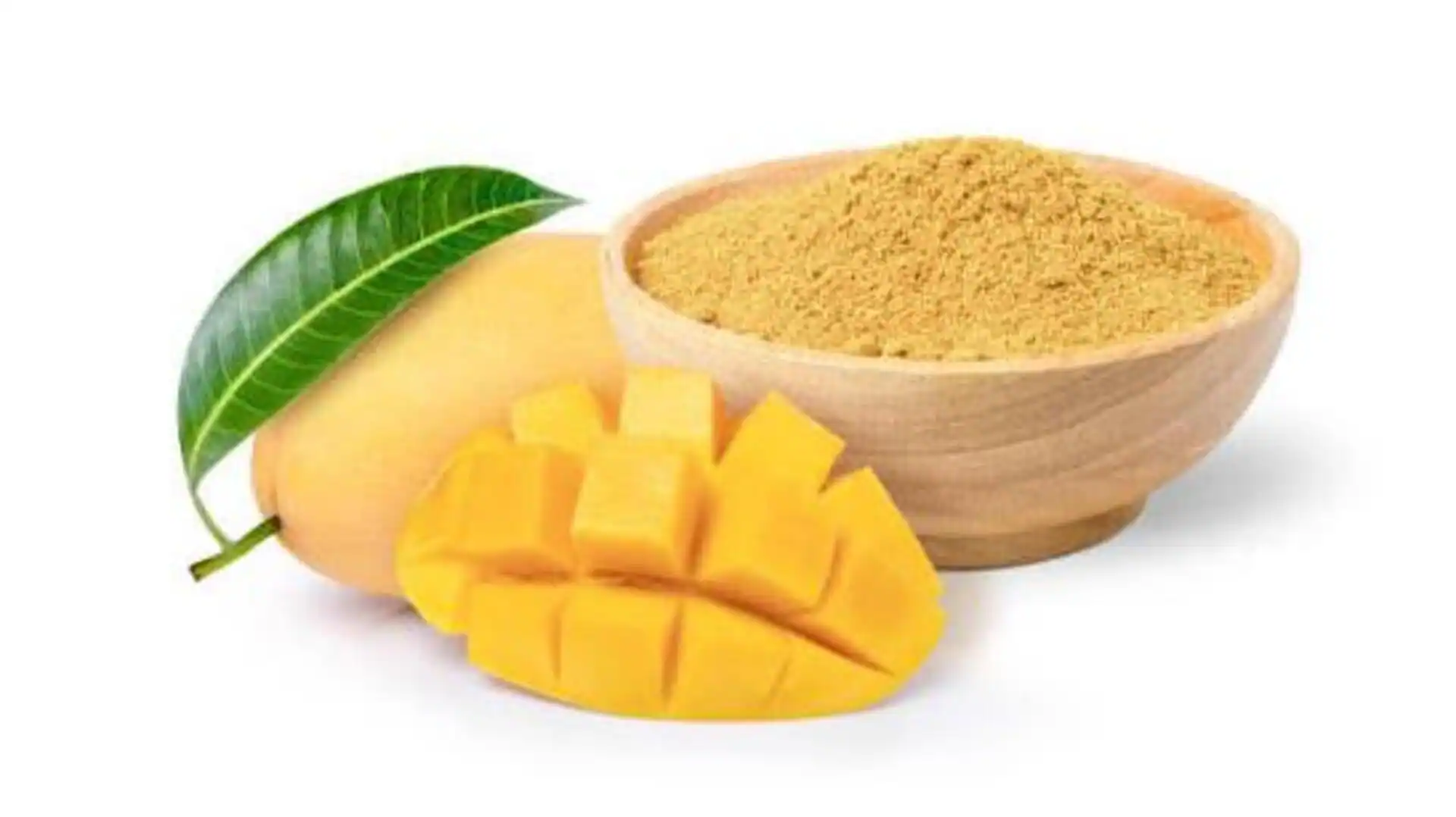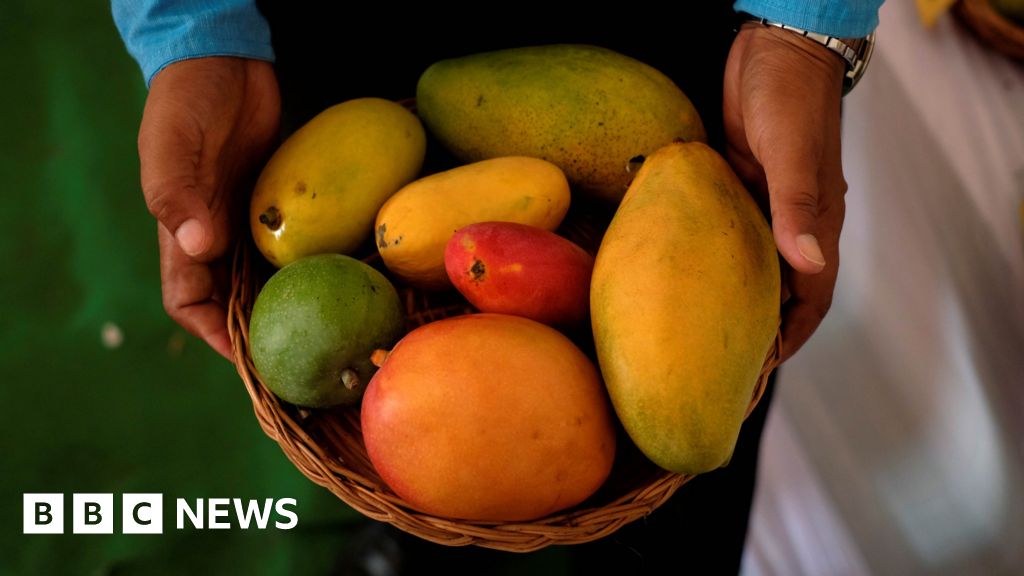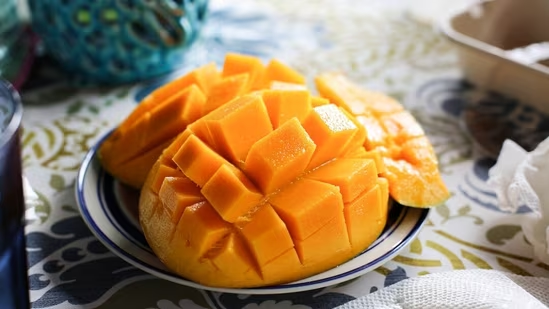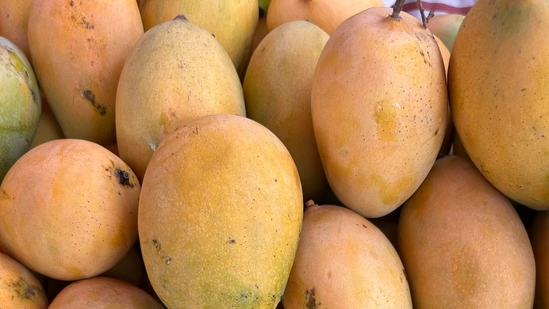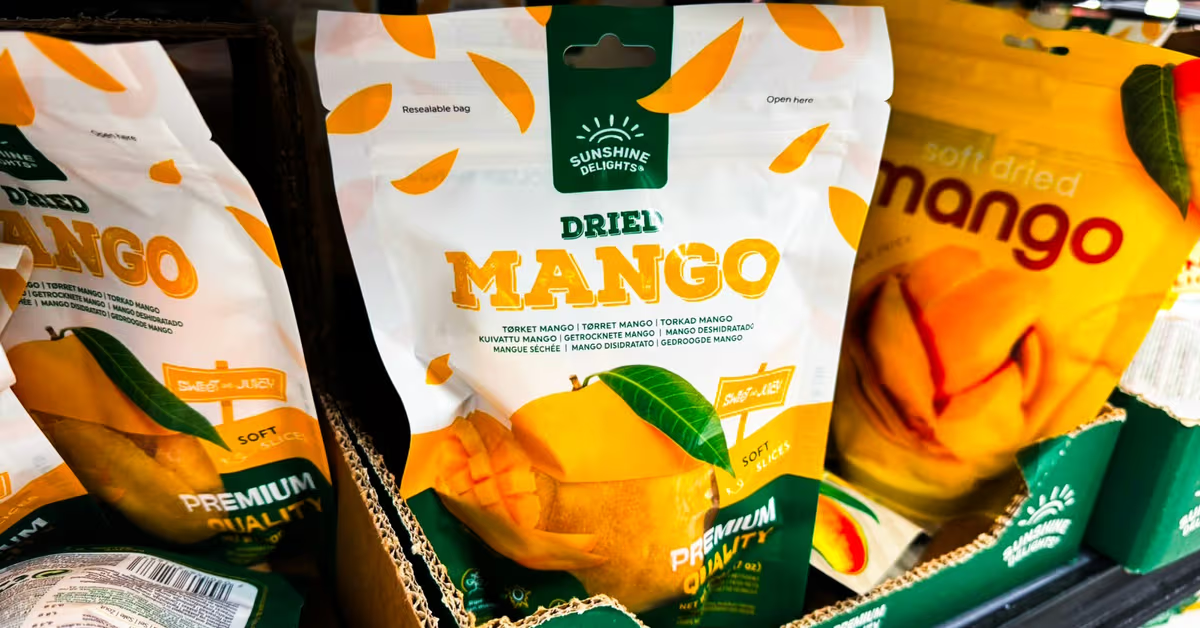
A nutritionist says dried fruit should be treated more like sweets than fresh fruit.Dried mango has become very popular. Image: Linda Tammela / YleYle News16:38A bag of sweets or dried fruit? Many people choose the latter, assuming it's the healthier option.But they may be in for a surprise.Popular dried mango contains as much as 70–75 grams of sugar per 100 grams—more than a bag of TV Mix Original sweets (66g per 100g) and more than six times the sugar concentration of Coca-Cola (10.6g per 100ml).According to nutritionist Vili Jaakola, the high sugar content is simply the result of removing water from the fruit. When fruit is dried, the sugars become concentrated."Your body doesn't distinguish whether the package was picked up in the sweets aisle or the fruit aisle. A fast carbohydrate is a fast carbohydrate, whether it comes from sweets or dried fruit," explained Jaakola.He added that, from the body's perspective, there is little difference between naturally occurring and added sugars.Because of their high sugar content, dried fruit can have similar effects on teeth as sweets."Oral bacteria use the sugars in dried fruit in the same way as they use the sugars in sweets," Jaakola said.Another problem is portion size.“Because the fruit becomes much smaller once the water is removed, it’s very easy to eat too much dried fruit,” Jaakola explained.Healthier than sweets— but not a health foodDespite containing as much or even more sugar than sweets, Jaakola says dried fruit is still generally the better choice. However, he emphasised that dried fruit should not be considered a 'health food'.Jaakola says he classifies dried fruit closer to sweets than to fresh fruit—a slightly smarter alternative.Unlike sweets, dried fruit does offer some nutritional value. Dried mango, for example, contains vitamin A compounds and fibre."Sweets contain virtually no beneficial nutrients, so in that sense mango is the better choice," said Jaakola.If choosing between fresh and dried fruit, however, Jaakola recommends fresh fruit.Fresh fruit is also more filling because it takes longer for the body to digest.When buying dried fruit, he advises choosing products without added sugar.Don't be fooled by "healthy sweets"Products marketed as "healthy sweets", such as salmiakki-flavoured dates, have also become increasingly popular, but Jaakola is cautious about the label."They still contain a considerable amount of calories."He also notes that a food's healthiness cannot be judged by calorie content alone."Healthy isn't the same thing as supporting weight management. That's an important distinction," explained Jaakola.He also challenges another common misconception—that natural ingredients automatically make a product healthy."Influencers often promote products as containing 'no sugar', even though they may contain large amounts of honey. Honey is sweet for exactly the same reason—it contains sugars. Just because something is natural doesn't automatically make it healthy."
Dried mango contains more sugar than Coca-Cola
A nutritionist says dried fruit should be treated more like sweets than fresh fruit.
451 words~2 min read