F
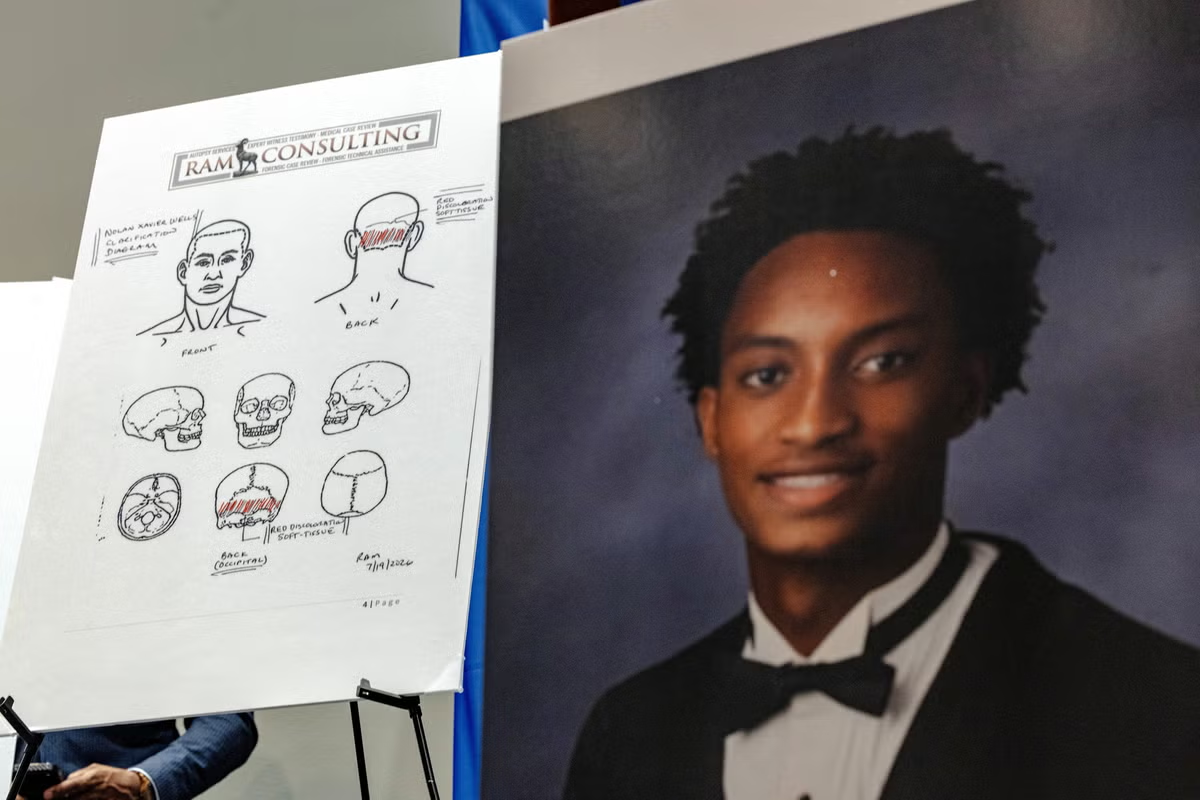
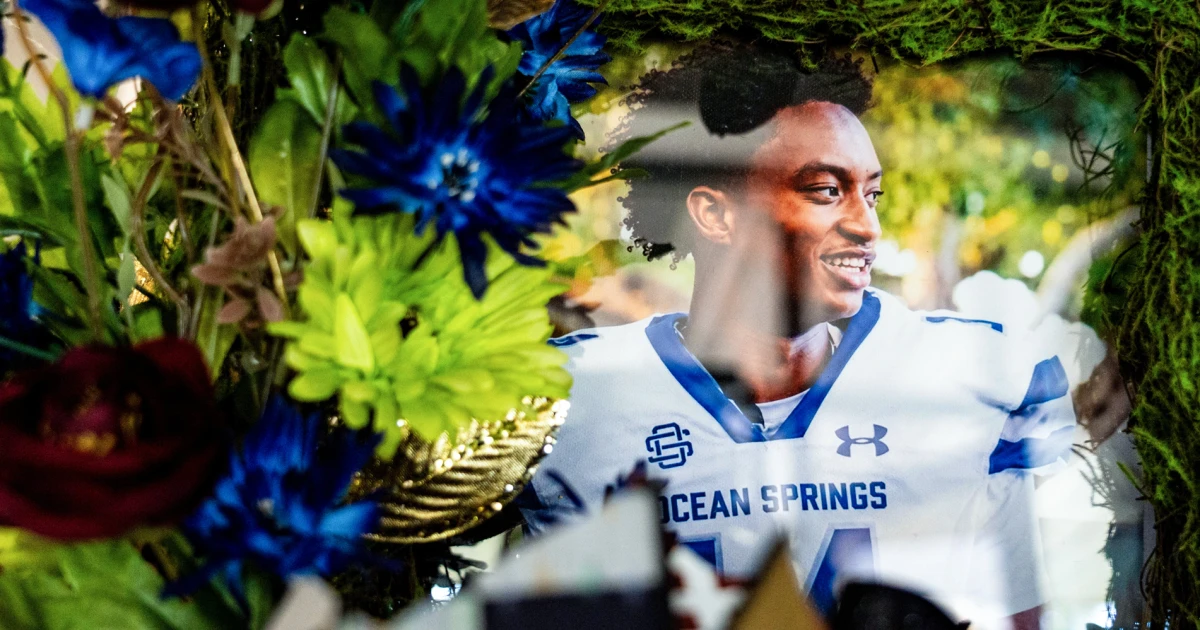
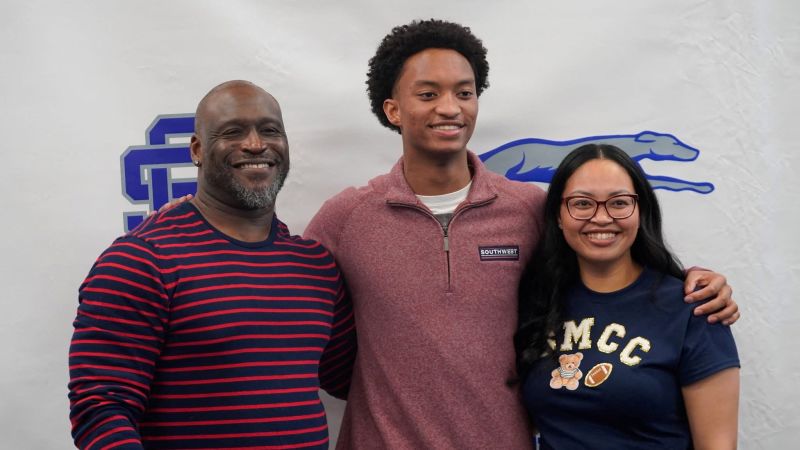
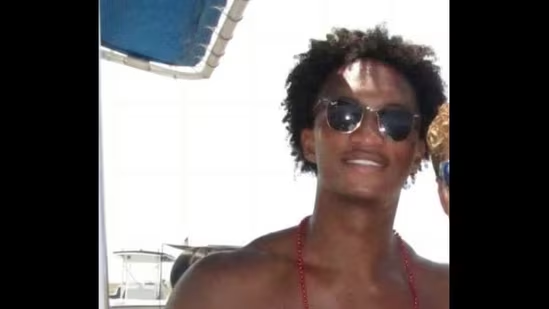
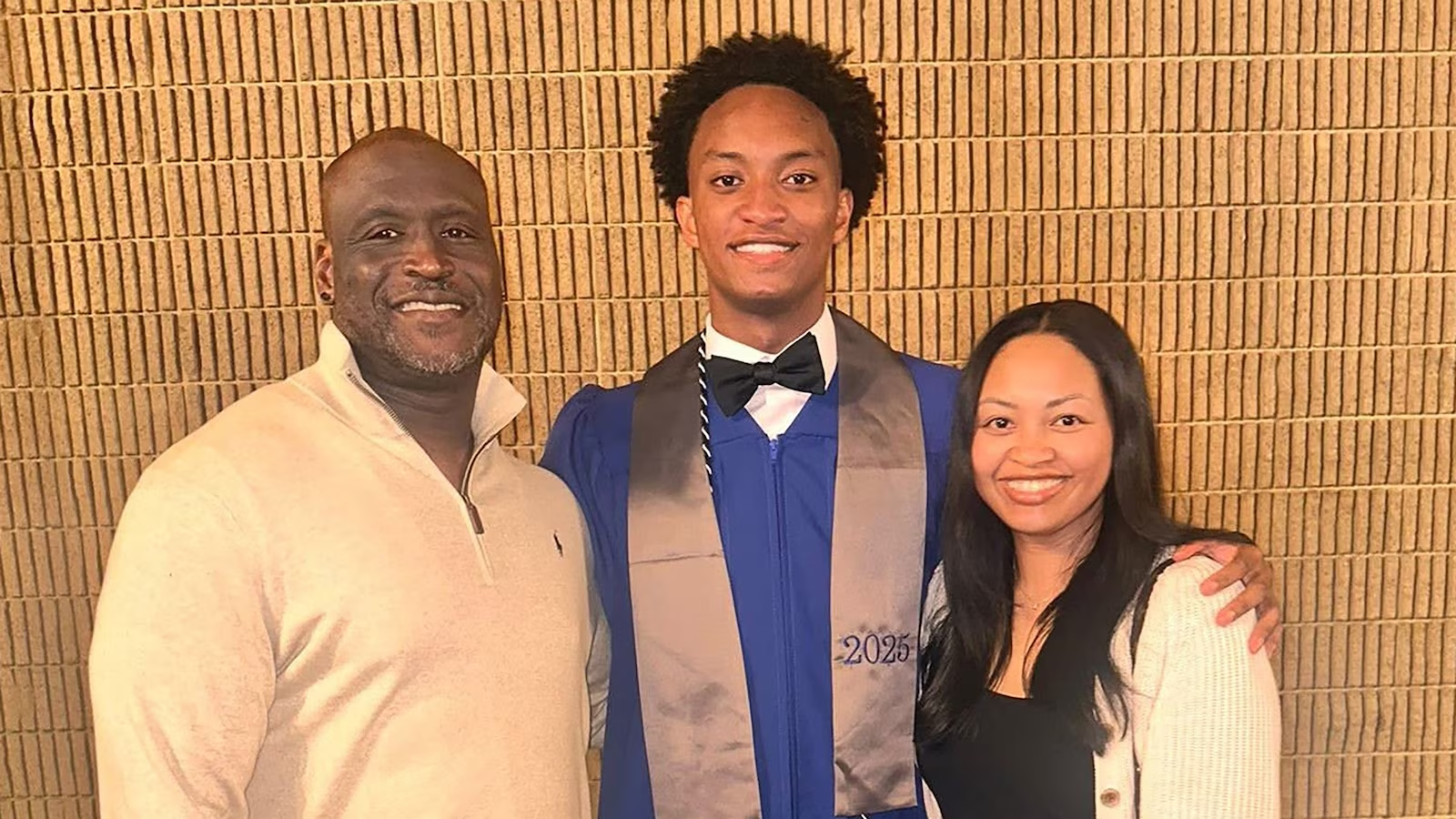
rom 1,500 feet in the air, Sean Burdette’s eyes scanned the calm Mississippi water in the early morning hours of July 6. The sky was a little hazy from the Saharan dust plume that had come in over the Atlantic Ocean and settled over the Gulf Coast. Burdette had taken his propeller plane up just after six in the morning, after briefing Gulfport air traffic control that he’d likely be flying lower than usual around Horn Island. This was not a recreational flight, like Burdette’s typically are. This was a search for a missing boy, 18-year-old Nolan Wells. The college football player had disappeared on July 4 after a boating trip with friends on the barrier island off the coast of Ocean Springs, Mississippi.
Burdette had helped search for a missing child in these waters once before, a seven-year-old who had drowned in a boating accident in 2024. This search was more personal. Wells had been to Burdette’s house; his teen son was in Wells’ circle of friends, but he had been out of town on the Fourth of July.
Sitting next to Burdette was Brian Trascher, vice president of the United Cajun Navy, a civilian search-and-rescue volunteer group based in Louisiana. Burdette and Trascher had just met before taking to the skies to look for Wells, who at that point had been missing for more than 36 hours. Volunteers from the Cajun Navy had charted a flight path based on where they thought a body could be found, given the temperature of the water and the currents.