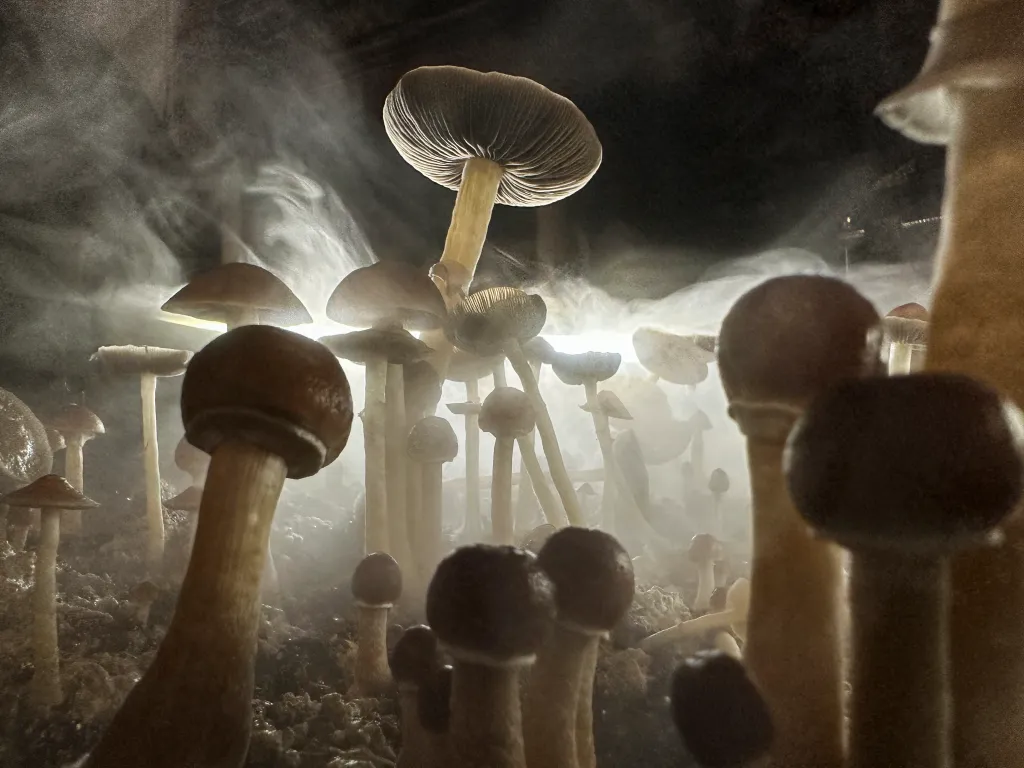
For decades, psychedelic drugs have occupied a familiar place in music culture: as muse; as menace; as shorthand for rebellion, transcendence or self-destruction. They’ve been folded into rock mythology, rave-culture folklore, countless albums and the language of artistic reinvention. But in 2026, as more and more artists speak openly about trauma, burnout and self-medication, the conversation around psychedelics is starting to revolve around how these drugs might work as therapy.
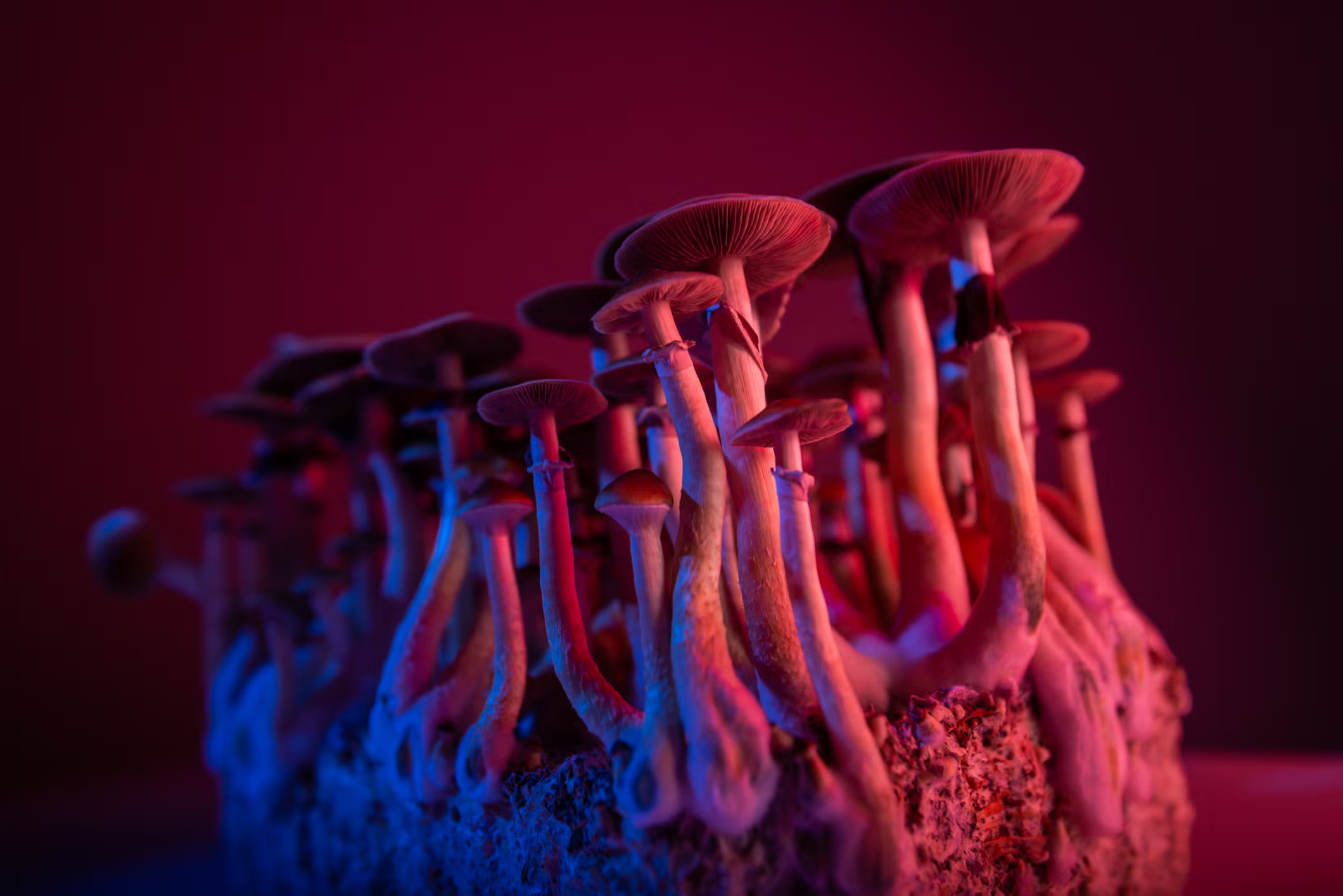
This conversation has only accelerated in the wake of President Donald Trump’s April 18 executive order aimed at accelerating the research, review and approval of psychedelic drugs for serious mental illnesses, including PTSD, treatment-resistant depression and addiction. That includes growing attention to substances such as ketamine, LSD, psilocybin — the active ingredient in so-called magic mushrooms — and ibogaine, an alkaloid derived from the iboga shrub that has powerful hallucinogenic effects. The move was a sign that substances long kept on the fringes are moving, however slowly, toward the medical mainstream.
Related
In the music world, Melissa Etheridge has become one of the most vocal advocates for the study of psychedelics in therapeutic settings, driven in part by the 2020 death of her 21-year-old son, Beckett Cypher, from causes related to opioid addiction. Through the Etheridge Foundation — which will host its inaugural R.I.S.E. Summit on Nov. 12 in Irvine, Calif., including a fireside chat between Etheridge and addiction expert Dr. Gabor Maté — she has pushed for psychedelic-assisted treatments to be studied more seriously as possible tools for addiction and recovery.