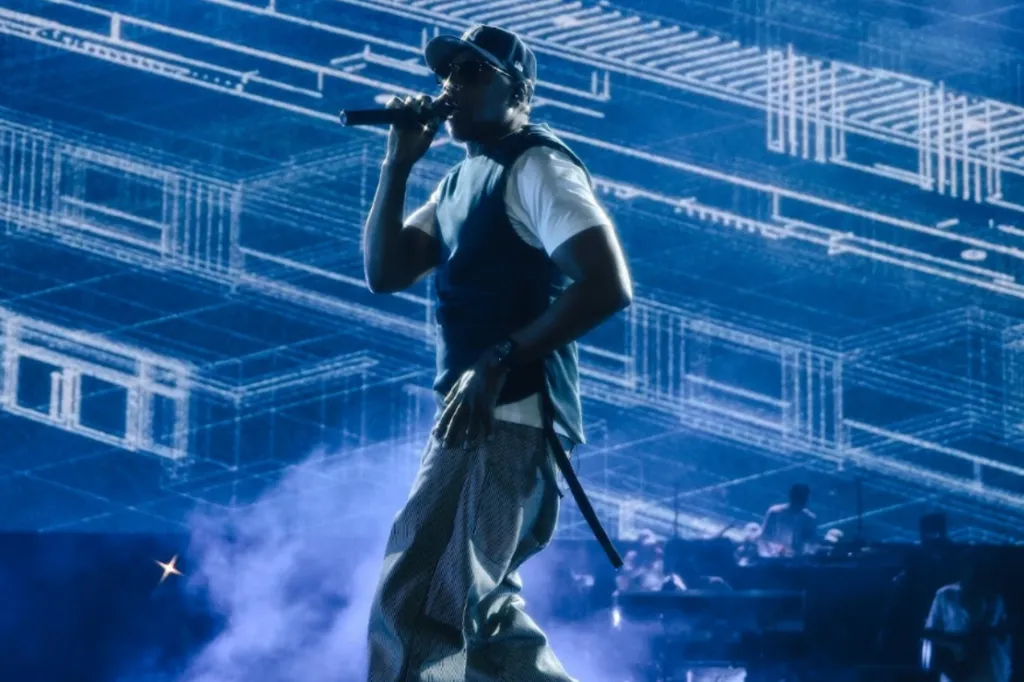
It’s Friday afternoon in Downtown Manhattan and in just a few hours, New York City will pour itself into Yankee Stadium, where Jay-Z is set to begin the first night of a historic concert run. Many subway stops south, another global star is sitting in a quiet studio, preparing for a different kind of moment.
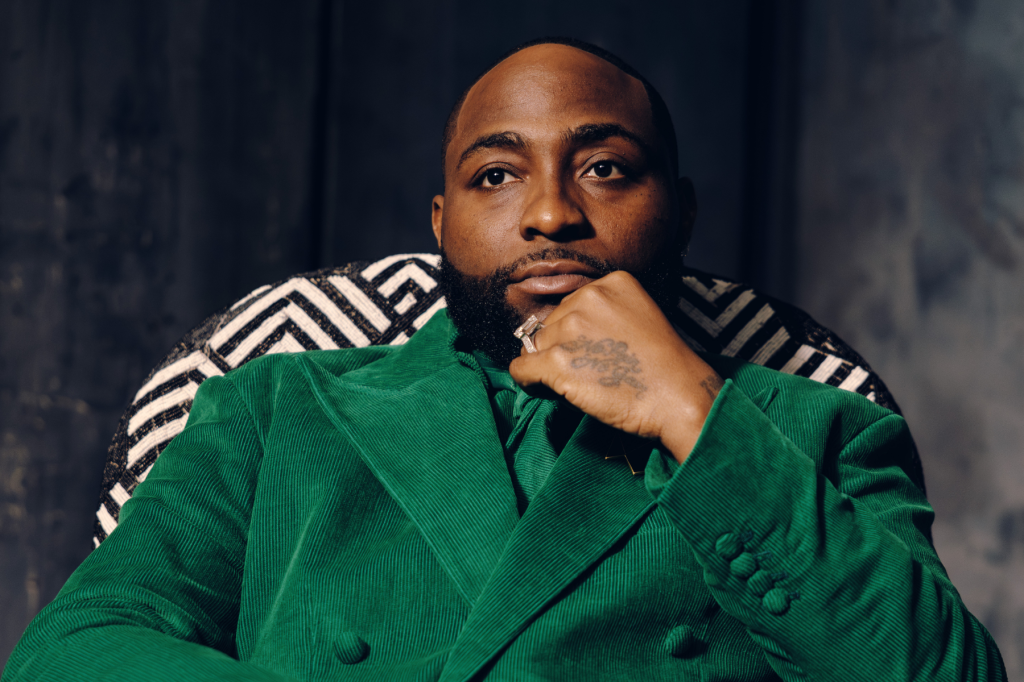
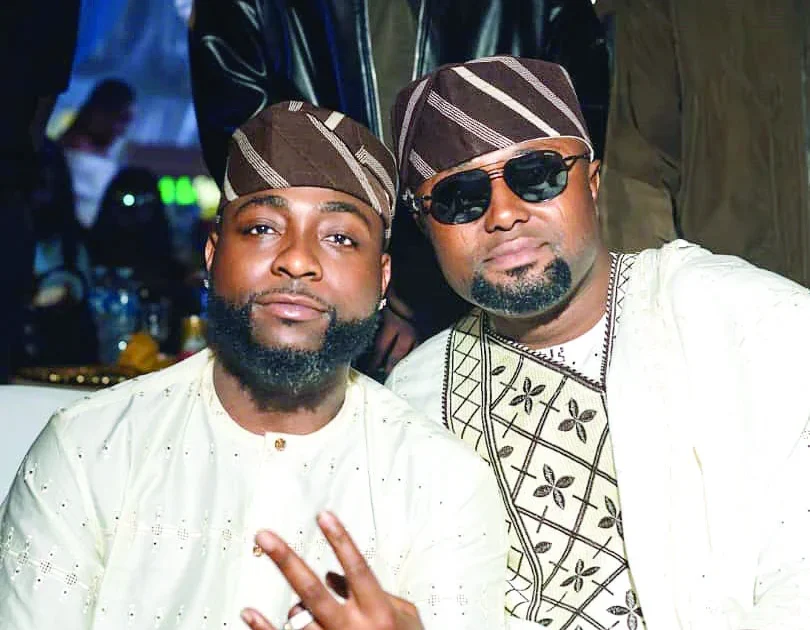
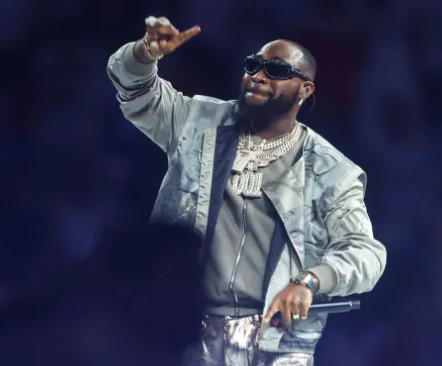
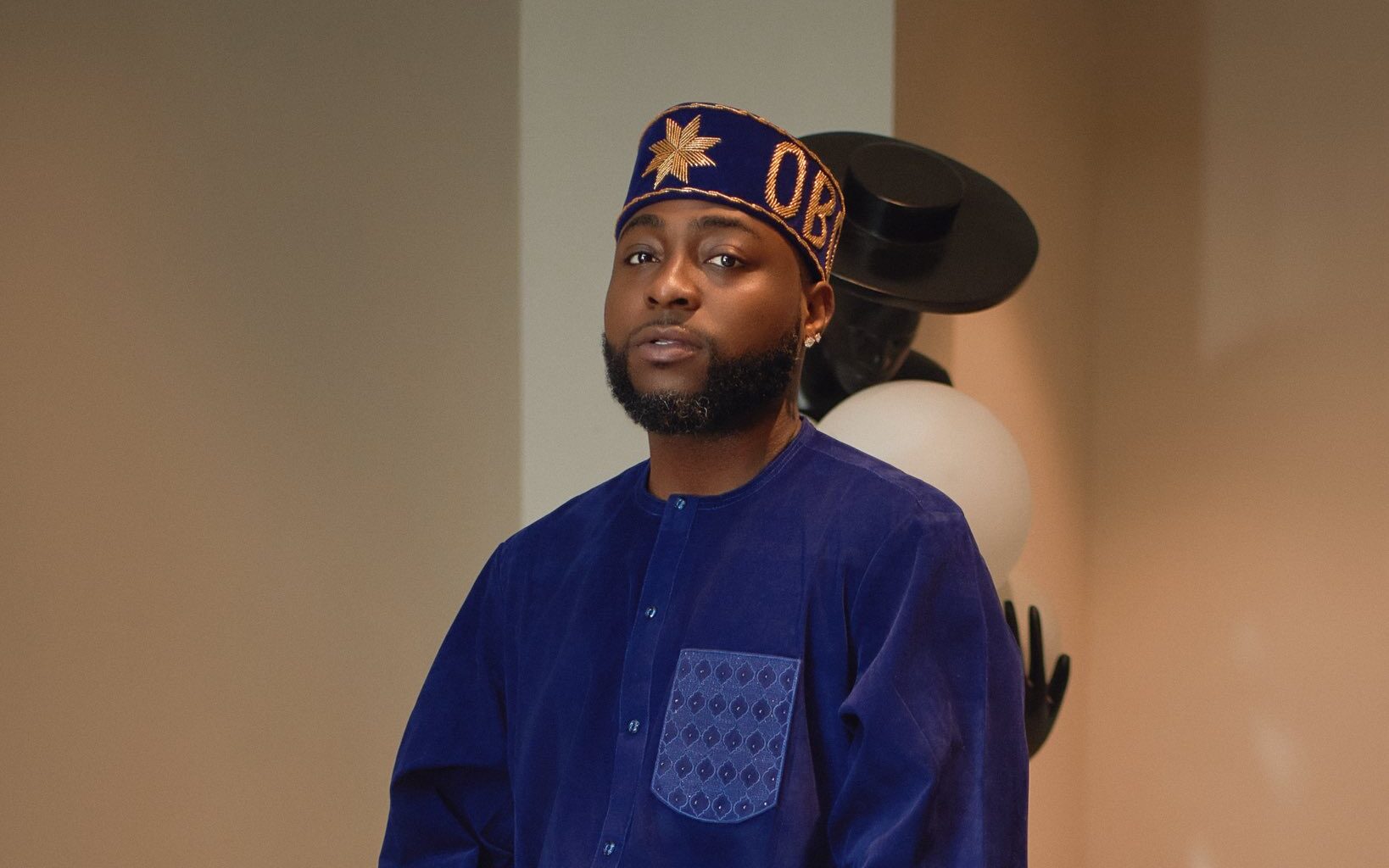
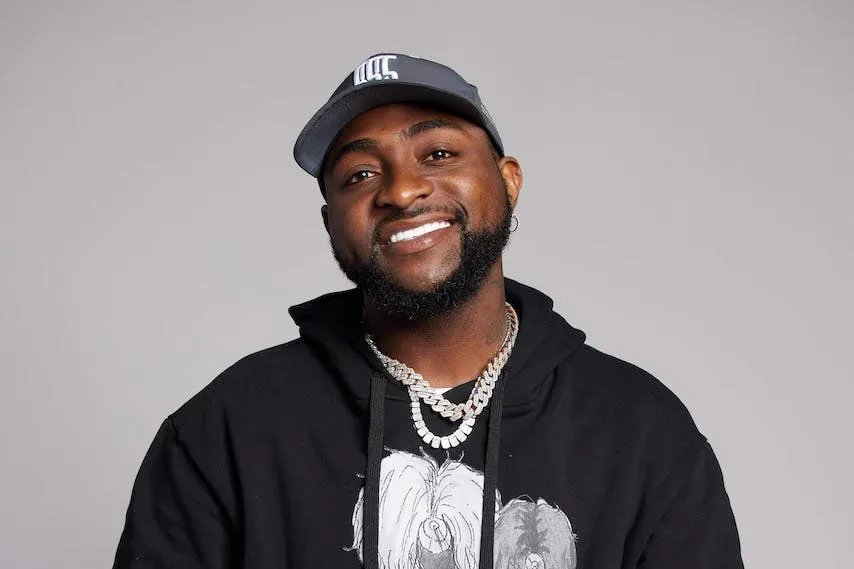
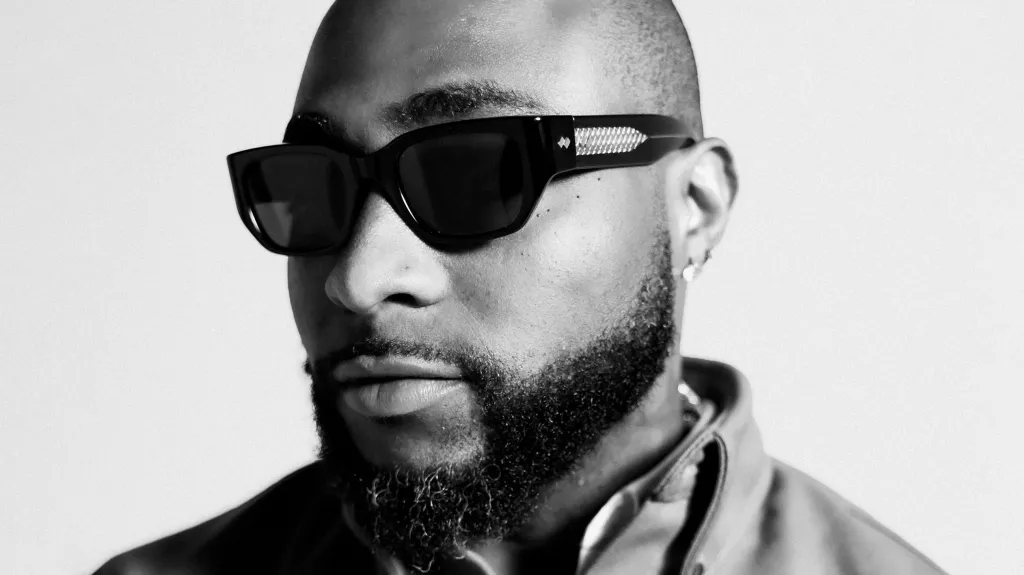
Davido arrives carrying the easy confidence of someone who has spent half his life in rooms like this. “I’m active,” he says with a laugh after we exchange greetings. His shades stay on for our entire conversation, though they’re just translucent enough to catch the occasional flicker of his eyes. His smile arrives often, and it’s wide enough to deepen the dimples that have become as recognizable as his singularly raspy voice. Davido has lived his entire adult life in public, and has weathered celebration, scrutiny, controversy, warranted criticism, deserved accolades, and unimaginable loss under a microscope. And he continues to do so as he jokes, exclaims, interrupts himself, and stumbles into stories he wasn’t asked to tell. It’s a wonder whether there is or isn’t much distance between the public figure and the person.
David Adeleke is used to being famous, and even more used to being wealthy. Fifteen years have passed since his breakout record “Dami Duro” catapulted his career, and in that time, Afrobeats has grown from a sound that fought for space both across and beyond the continent into one that now shapes and informs the global music business. Davido didn’t make that happen alone, but it would be impossible to tell the story without him. His fingerprints are all over the genre’s global canvas; his catalog helped soundtrack the sonic shift, and his consistency has made him nothing short of ubiquitous in the game. Hit after hit, Davido has remained one of the genre’s and culture’s defining constants.