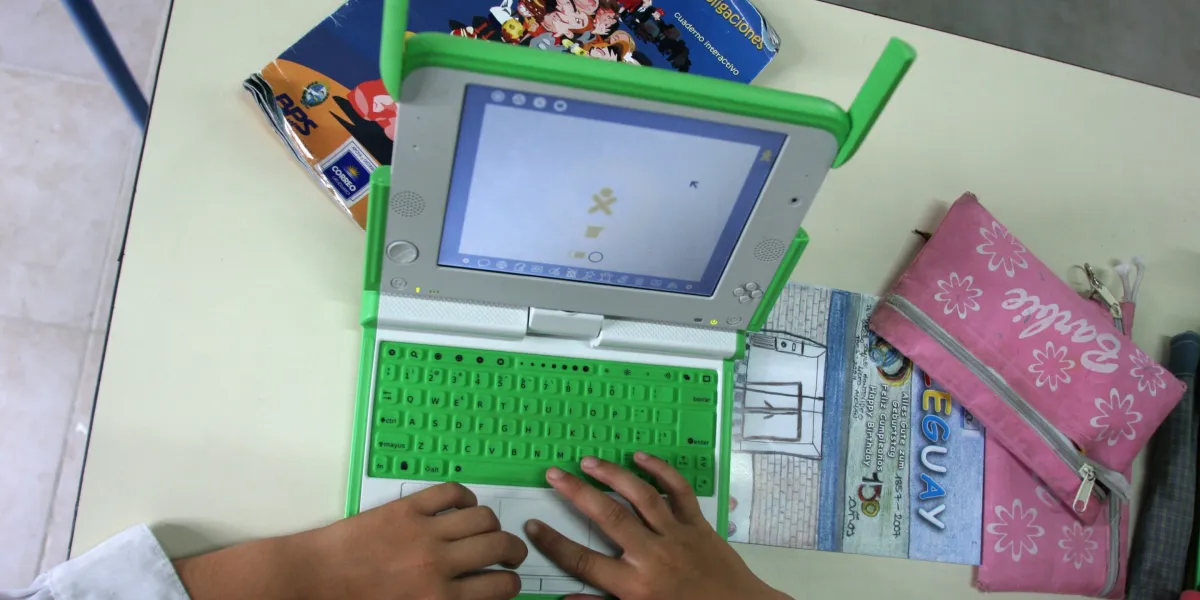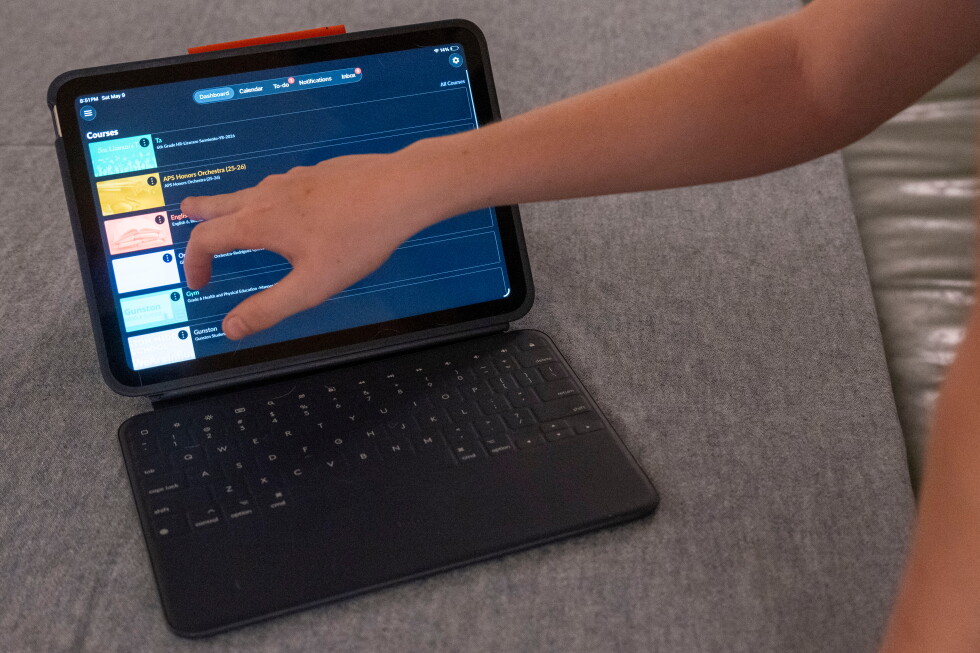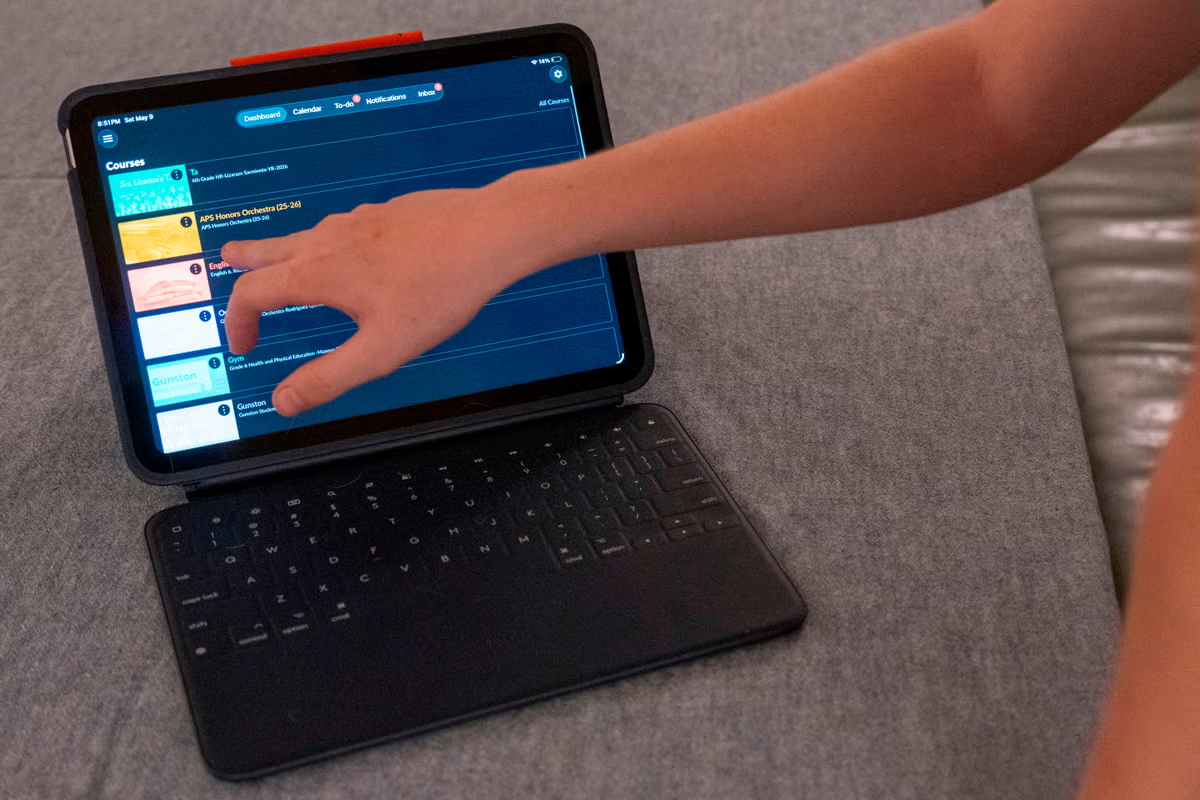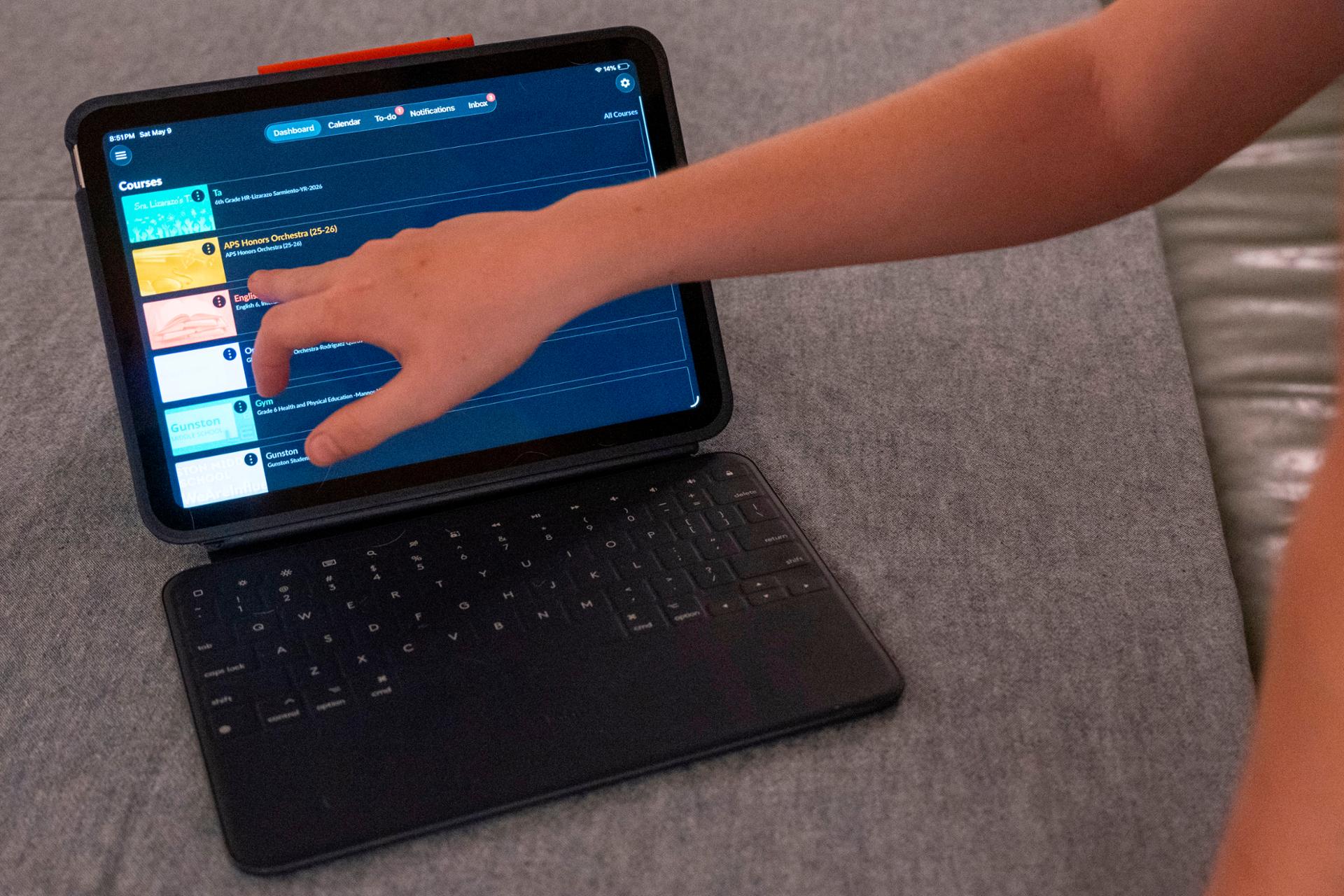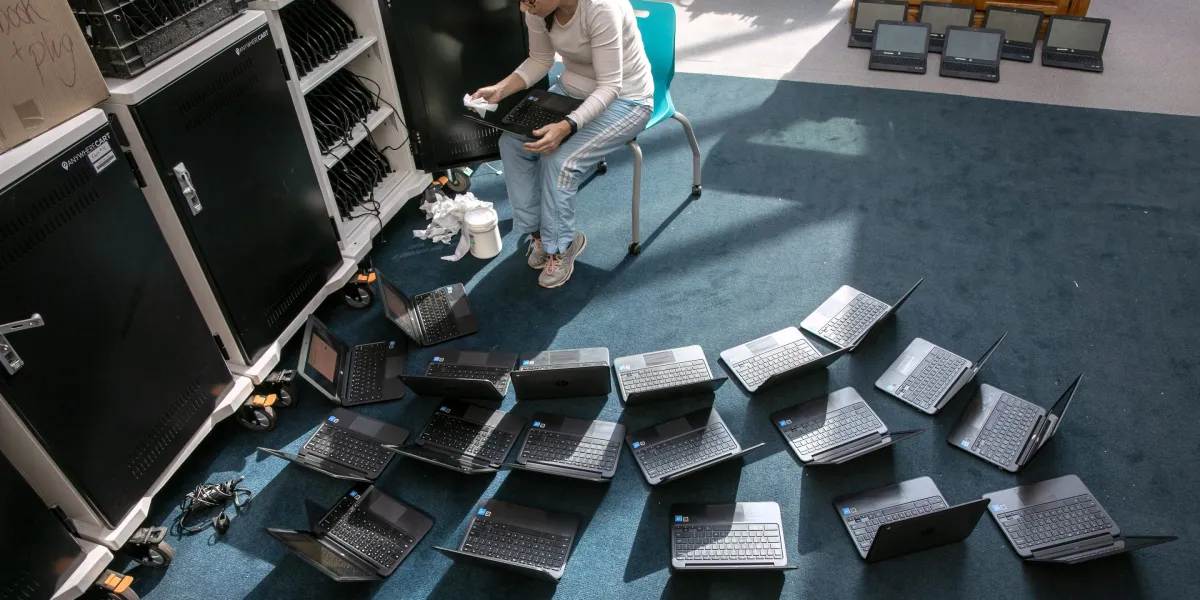
When the COVID-19 pandemic forced in-person classroom instruction to go virtual, students suddenly needed to have their own laptops or tablets in order to interact with teachers and complete assignments.
Most states used federal pandemic funding to address the digital divide. This refers to the gap between students and families who had their own tablets, computers and high-speed internet, and those who did not.
While most schools resumed in-person classes by 2021, many of them continued to rely heavily on online platforms and apps to help their students do their work.
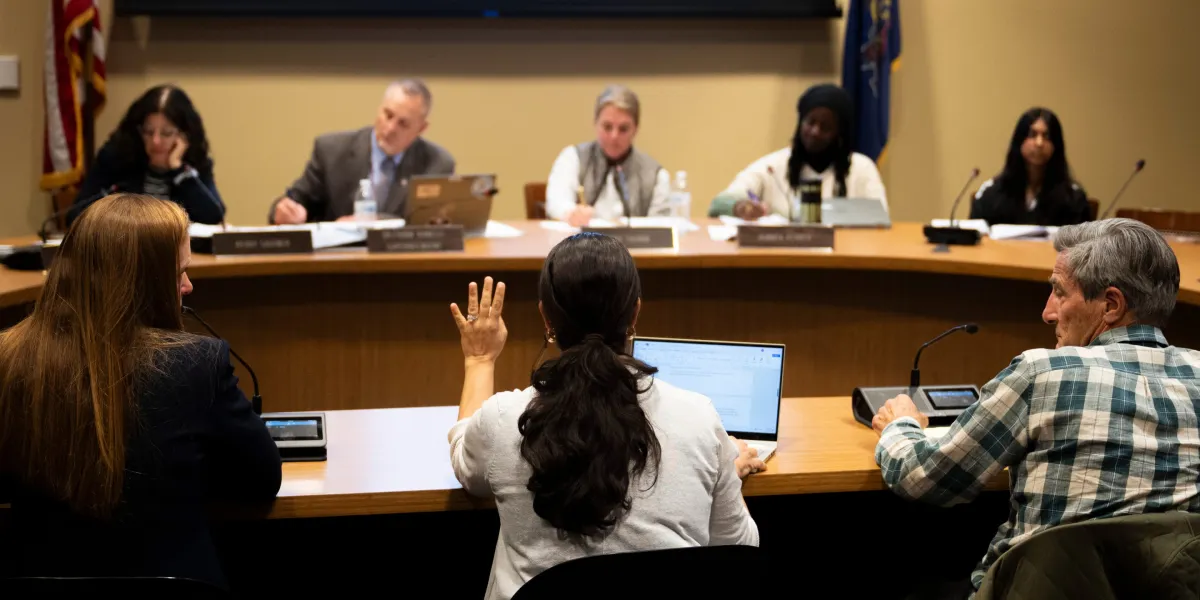
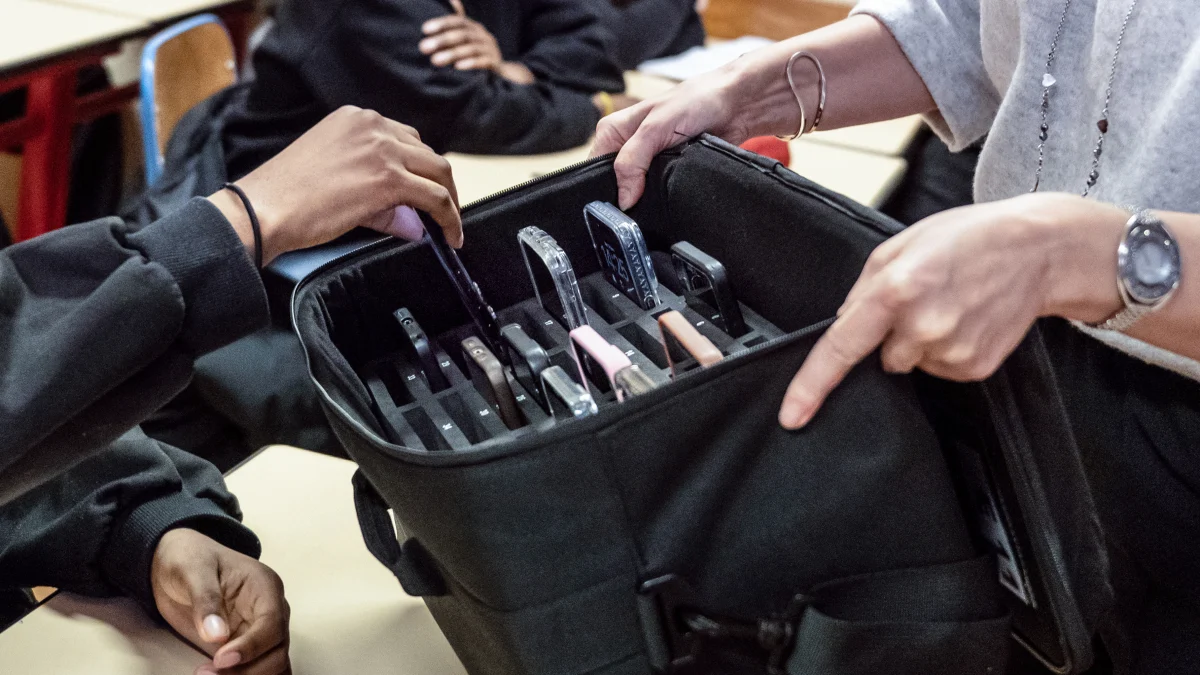
Today, however, more and more schools are reconsidering how technology fits into teaching and learning, with many districts establishing clearer expectations about when technology should be used, for what purpose and at what ages.
So far, as of late July 2026, lawmakers in at least 17 states had introduced or debated legislation addressing classroom screen time or student use of digital devices. Six states had already enacted new laws, while others had considered or failed to pass similar measures.