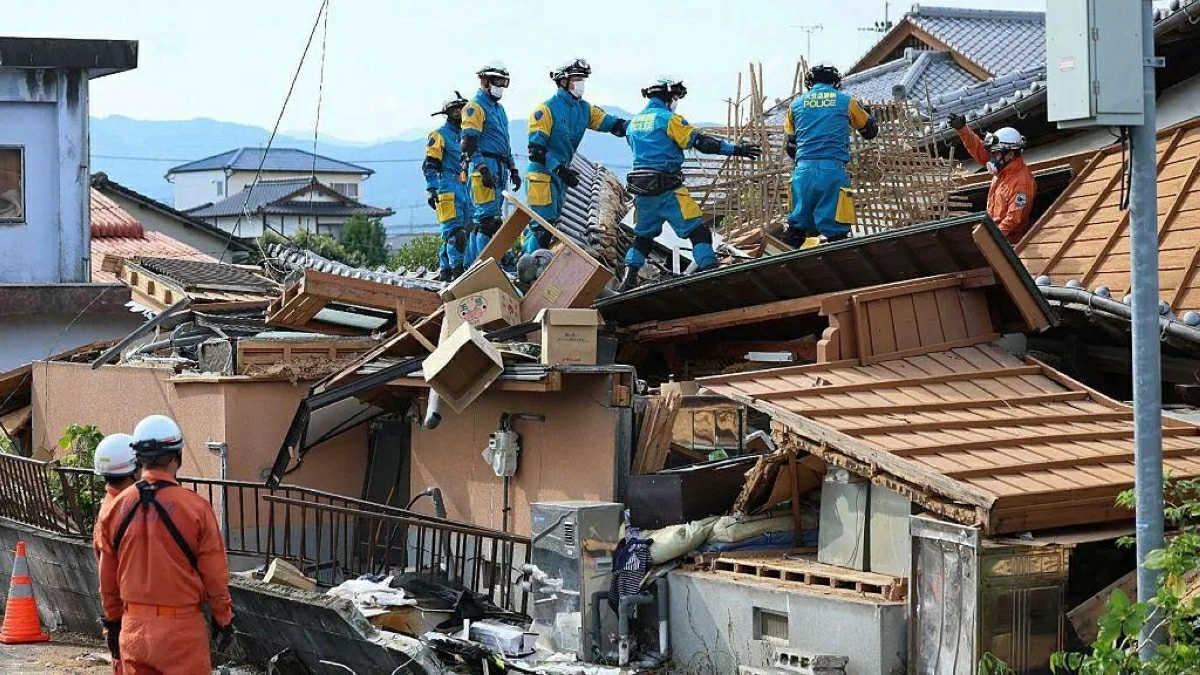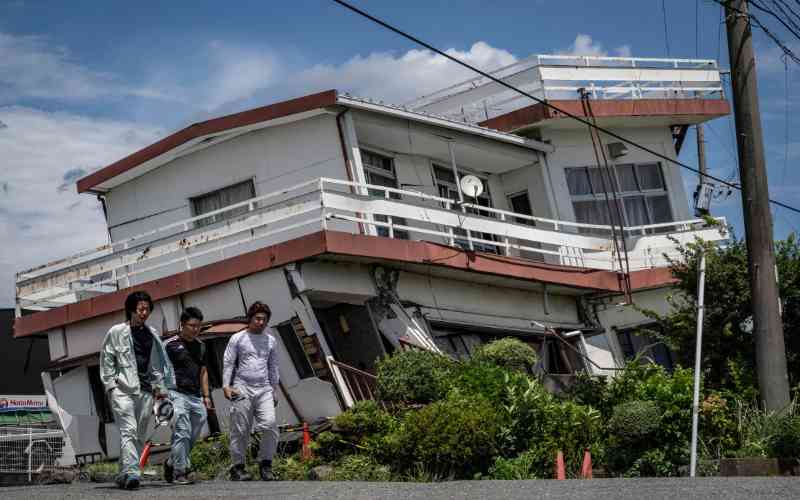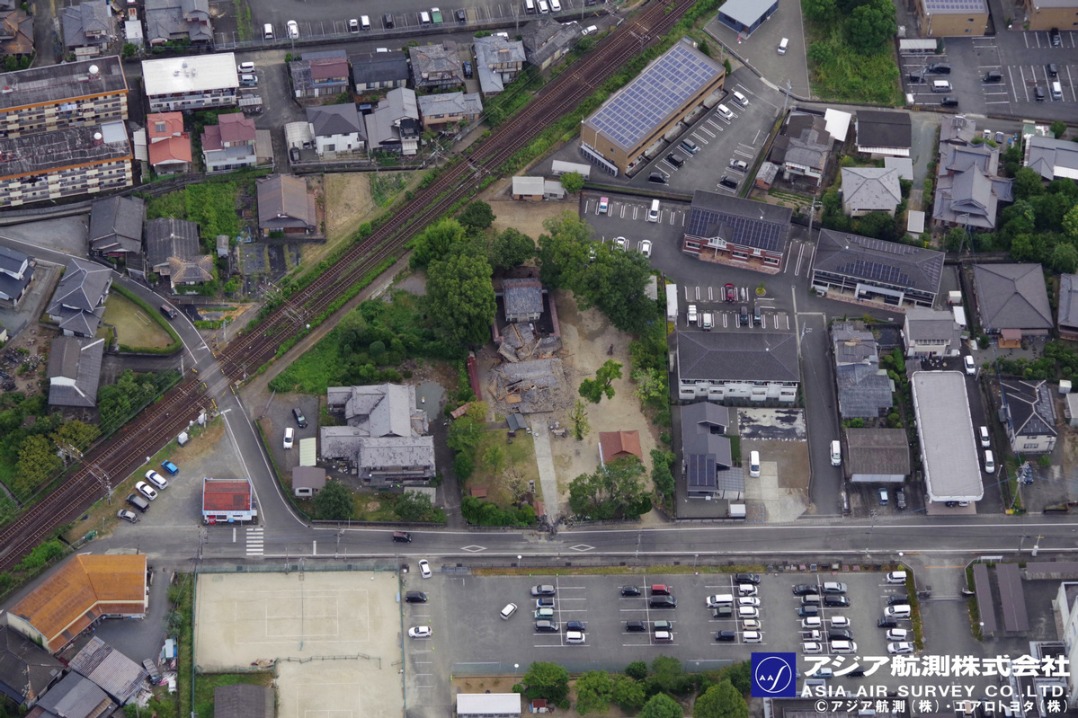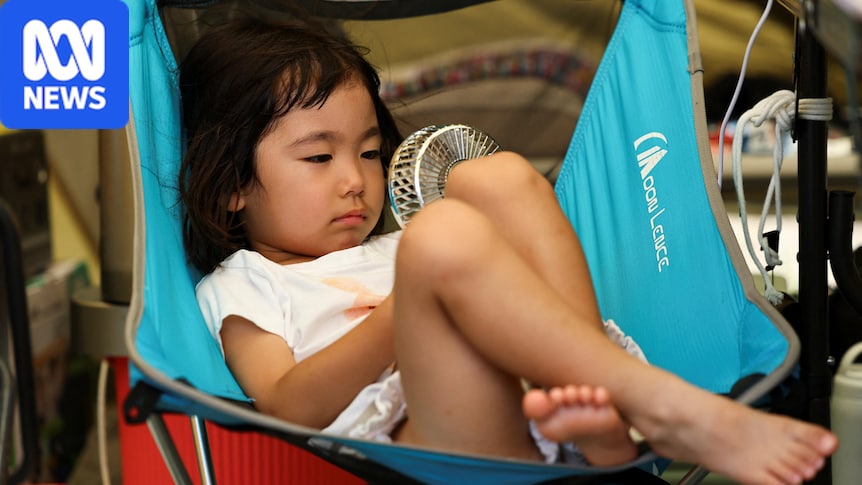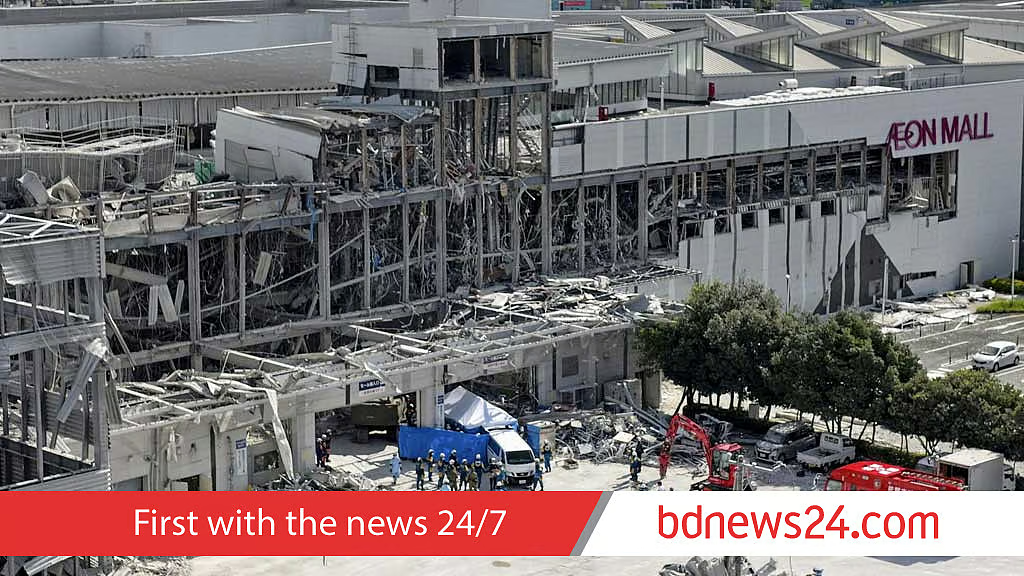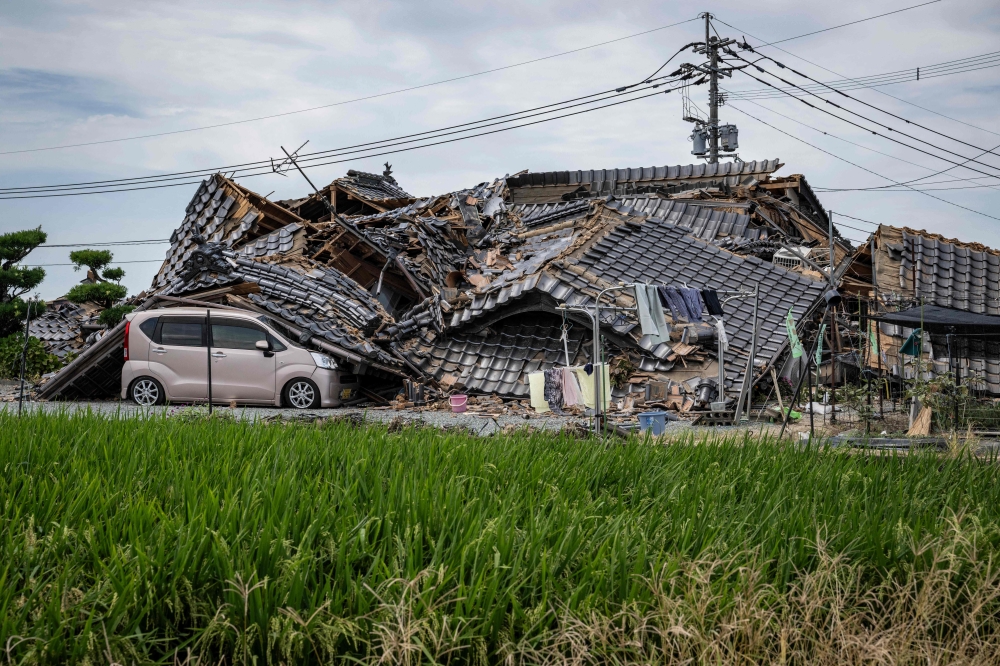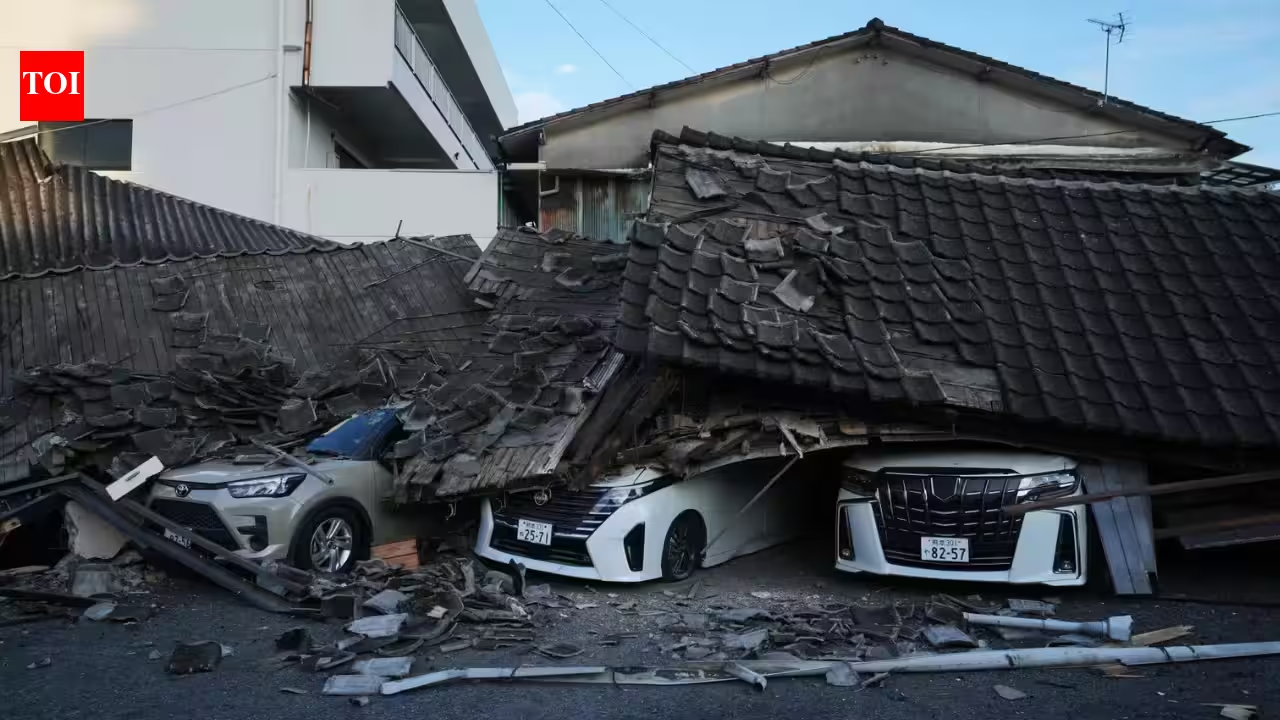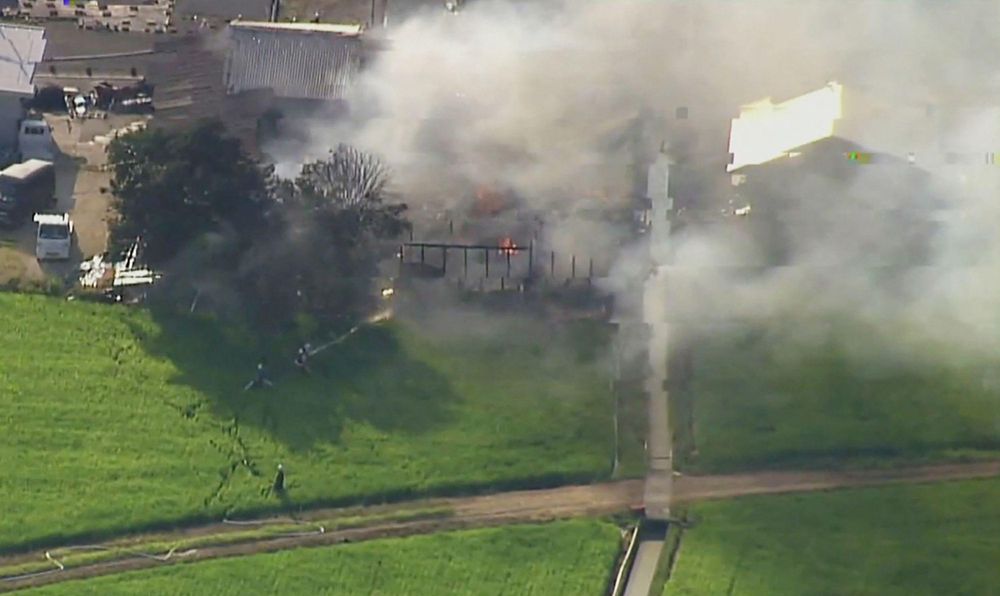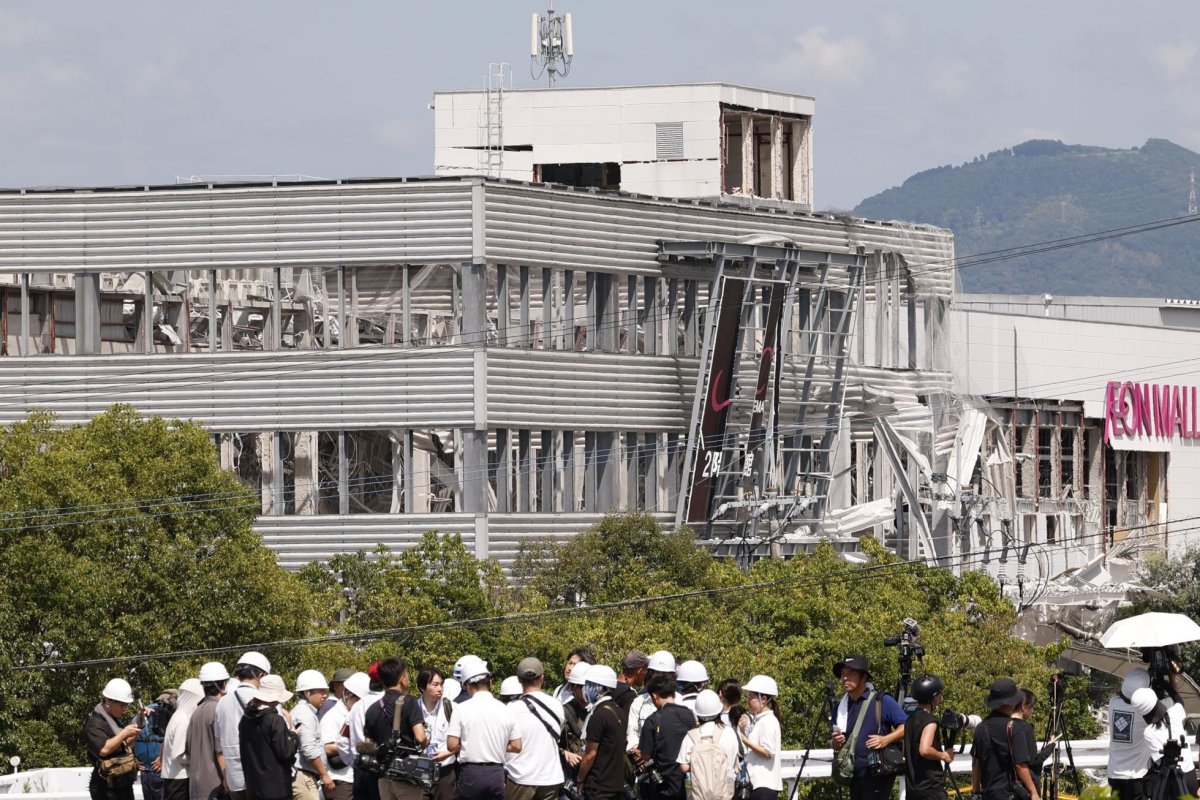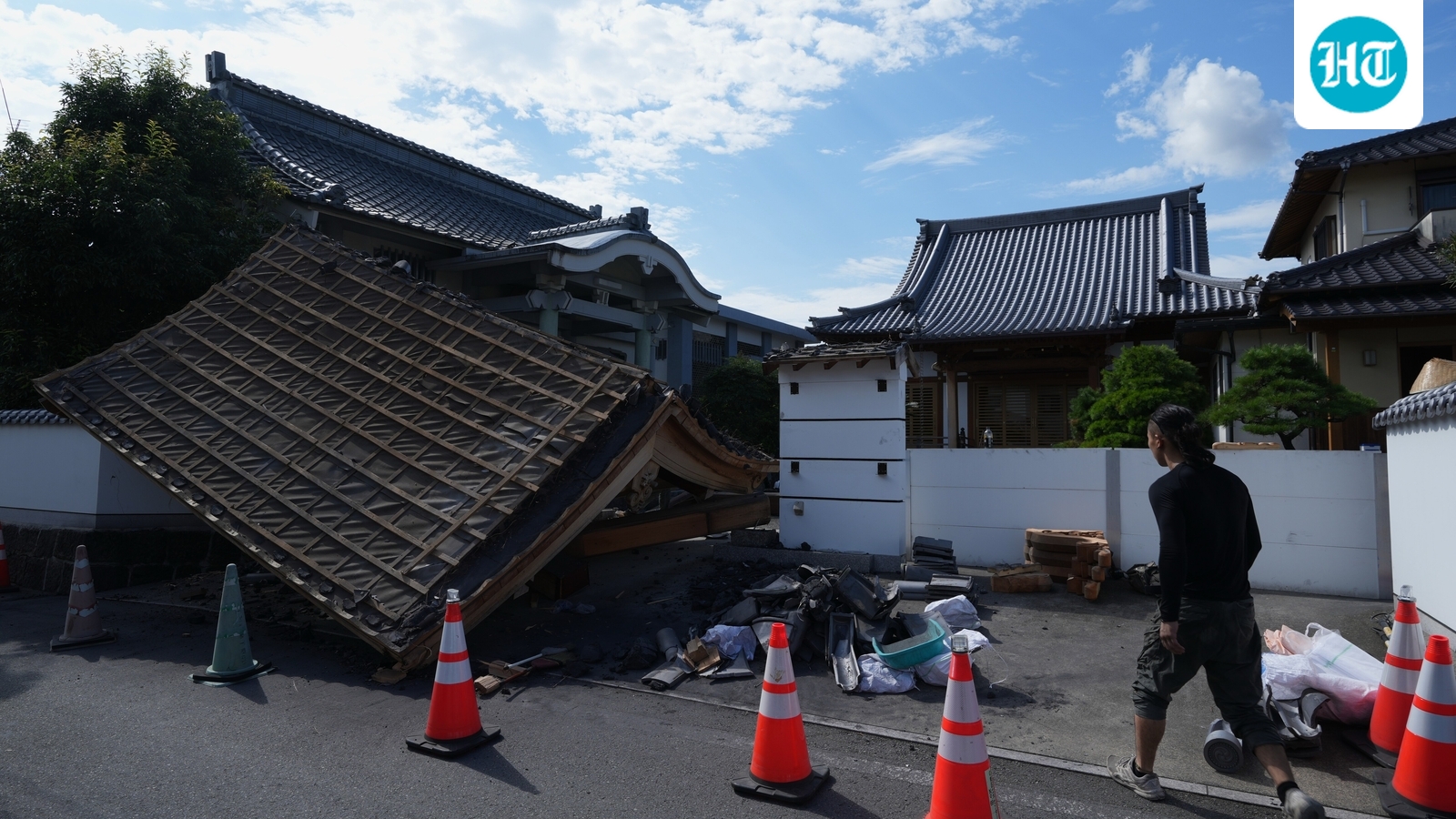
A major earthquake that hit Kumamoto in southwestern Japan on Tuesday has a death toll of 34 now, and has left at least 86 civilians injured, as thousands of survivors across the region are left with no electricity or water supply in the rising heat.A man helps clean the damaged gate of Jofukuji Buddhist temple in Kumamoto, southwestern Japan, Wednesday, July 29, 2026, the day after an earthquake hit the area. (AP Photo/Hiro Komae) (AP Photo/Hiro Komae)More than a 100 aftershocks have struck the area ever since the initial quake as thousands of rescuers have been deployed for search-and-rescue missions.The 7.1-magnitude tremors that were felt across Japan's southern main island of Kyushu caused widespread damage to livelihood and infrastructure in the area. Several people died in Aeon Shopping Mall as it collapsed. A chimney collapse at a Nippon Paper Industries factory also claimed eight lives.Approximately 9,000 people have been displaced and are currently being housed across 400 shelters while roughly 19,000 households remain without electricity. Some evacuees have been sleeping in cars.Akiko Inazaki, a resident in her 30s, is living in a tent set up in her yard. She has been living without electricity and said she'll use her water sparingly, as reported by AP.“Fresh water is so valuable,” she said. Inazaki said that she's drank so little water she almost got a heatstrokeHeatstroke cases are also a rising concern amongst survivors.Also Read | Japan hit by 7.1-magnitude earthquake, tsunami alert issuedAmidst the chaos, the Ministry of Environment issued a heatstroke warning for the Kumamoto area with temperatures forecasted to rise as high as 39 degrees Celsius. Officials have warned survivors to take precautionary measures against the heatstroke.Yutaka Kobayashi, a doctor dispatched at Kumamoto, said he was touring evacuation centers Thursday to assess the condition of survivors and evacuees, especially elderly and injured people, as they cope with the harsh heat.“We have to make sure elderly people are not developing heatstroke or dehydration,” Hikawa told AP.On Wednesday, the defence minister of Japan, Shinjiro Koizumi, declared that 300 units of air conditioners will be delivered to Kumamoto as relief from the heatstroke, with 150 units being reserved for shelters.Prime Minister Sanae Takaichi has announced that the government will take the lead in coordinating rescue efforts and will focus on restoring gas, electricity and running water to affected areas.Also Read | Kumamoto Castle collapse, buildings shaking: Videos surface after 7.1 earthquake hits JapanThis isn't the first time Kumamoto has experienced an earthquake of this magnitude. The city was hit by two devastating earthquakes back in 2016, which killed 273 people and injured more than 2,800.“The shaking reminded me of the Kumamoto quake (10 years ago) and I was frightened,” Hiroki Shimoda, an official at Mifune town hall, told AP.Typically, Japan experiences hundreds of jolts every year, with 18 percent of the world's earthquakes occurring there, but majority of these earthquakes are mild tremors that the Japanese infrastructure accounts for. The damage caused by these tremors depends on their location and depth below the Earth's surface.(With inputs from AFP and AP)
Japan earthquake aftermath: Death count hits 34 amid rising heat
The quake caused widespread damage, triggering fires and leaving thousands of residents without power and water with temperatures hitting 39 degrees Celsius | World News
508 words~2 min read