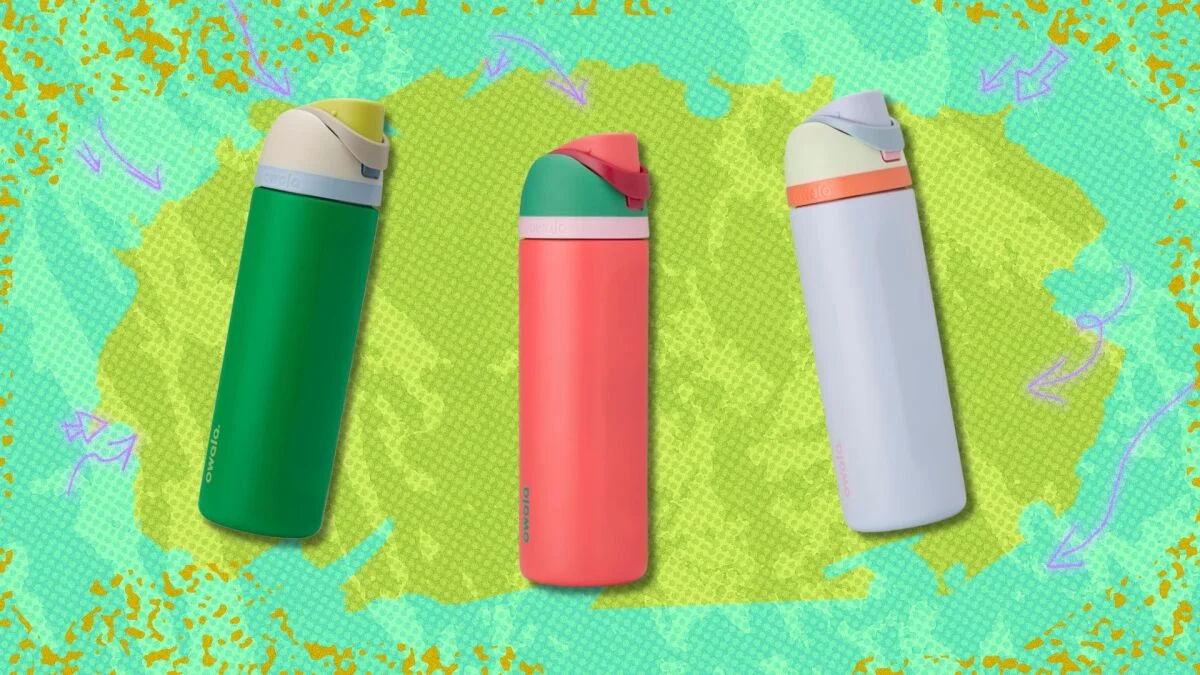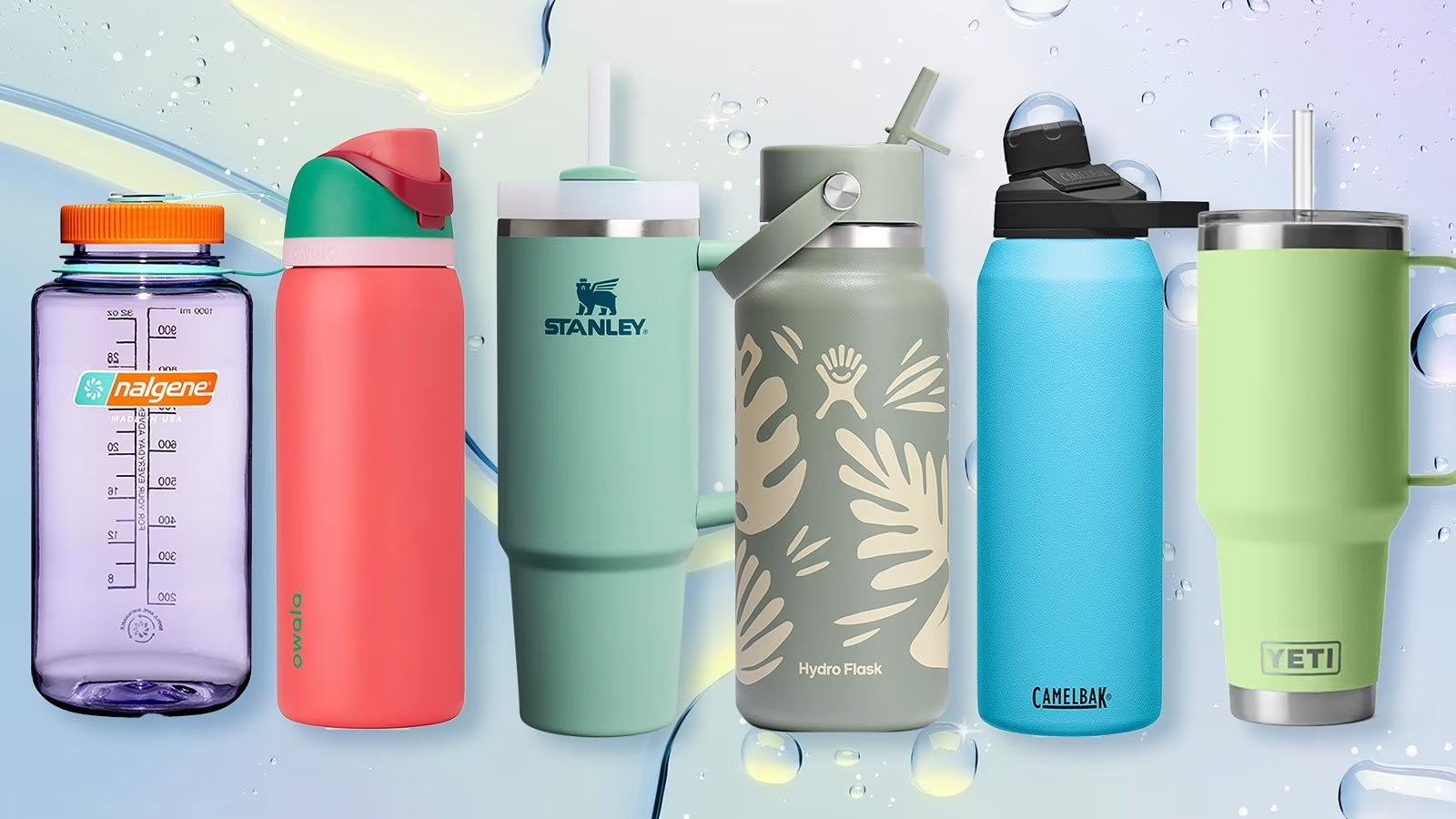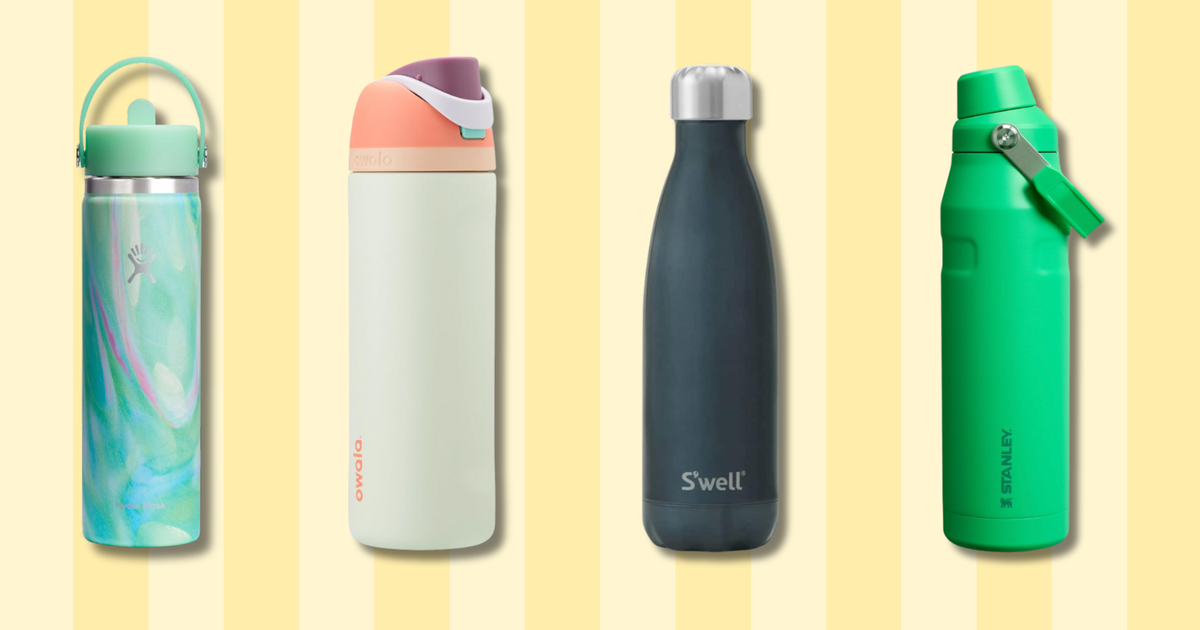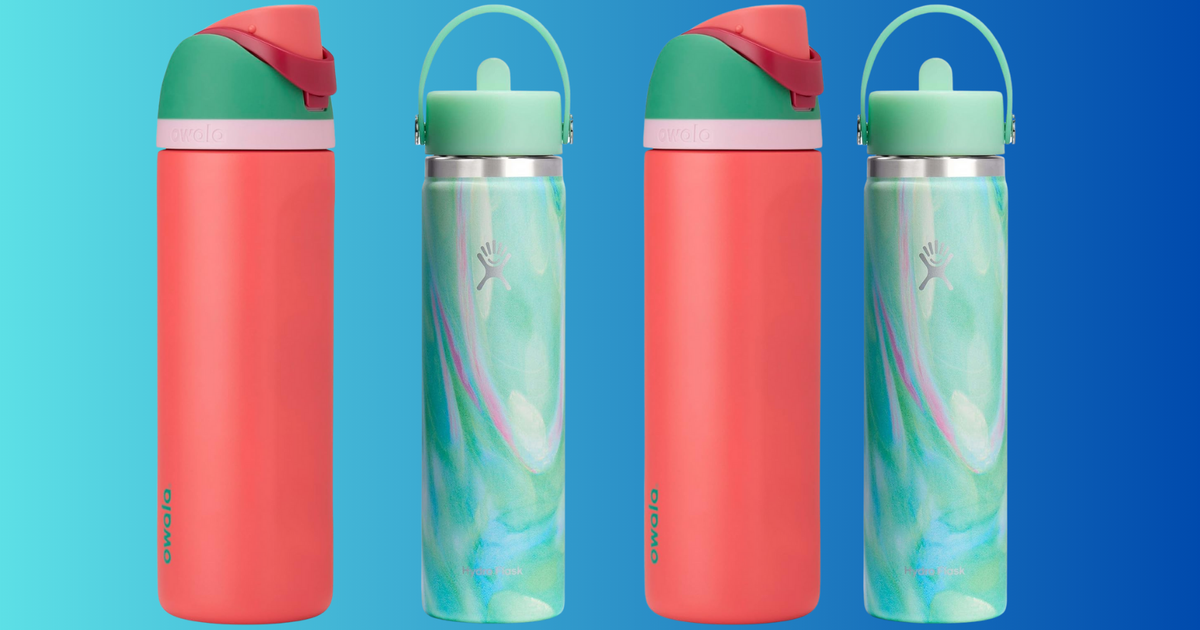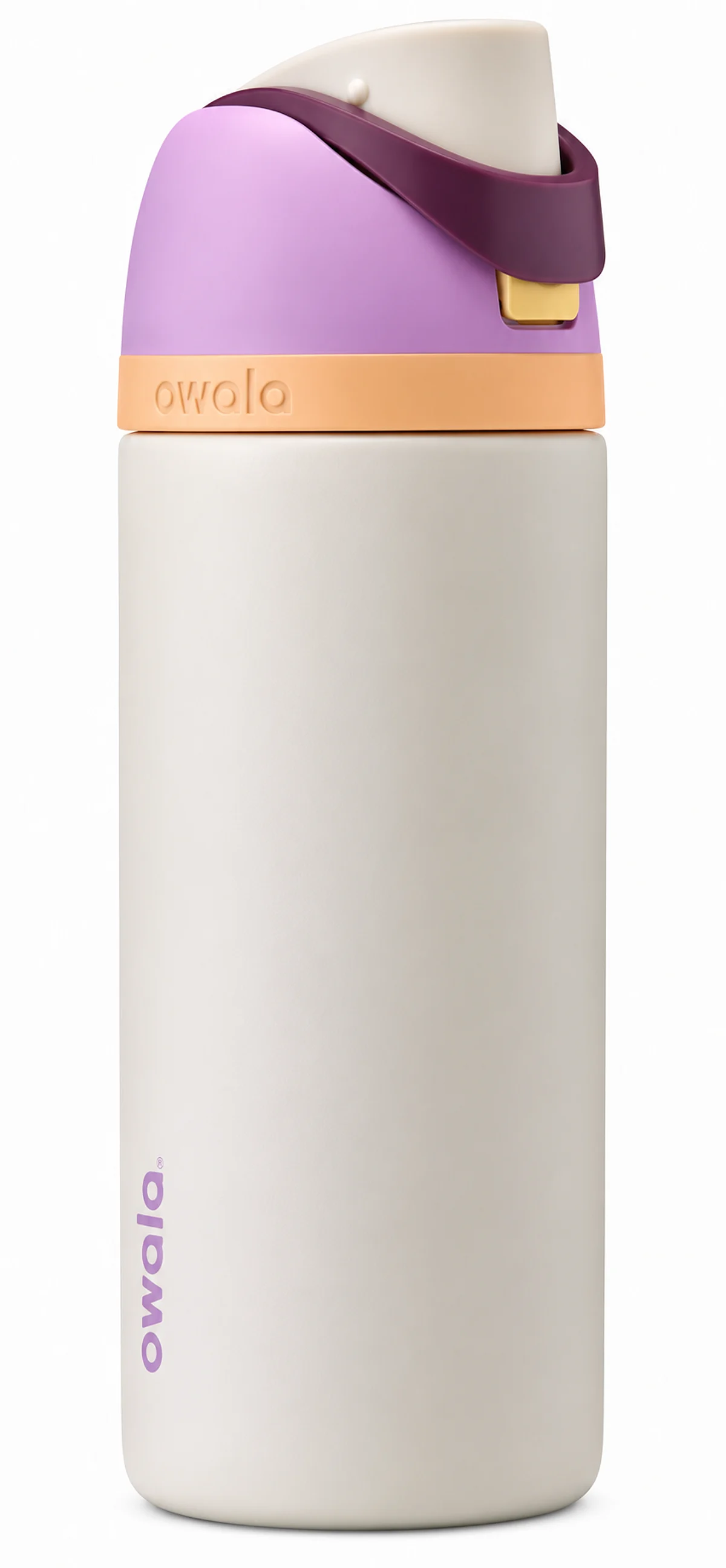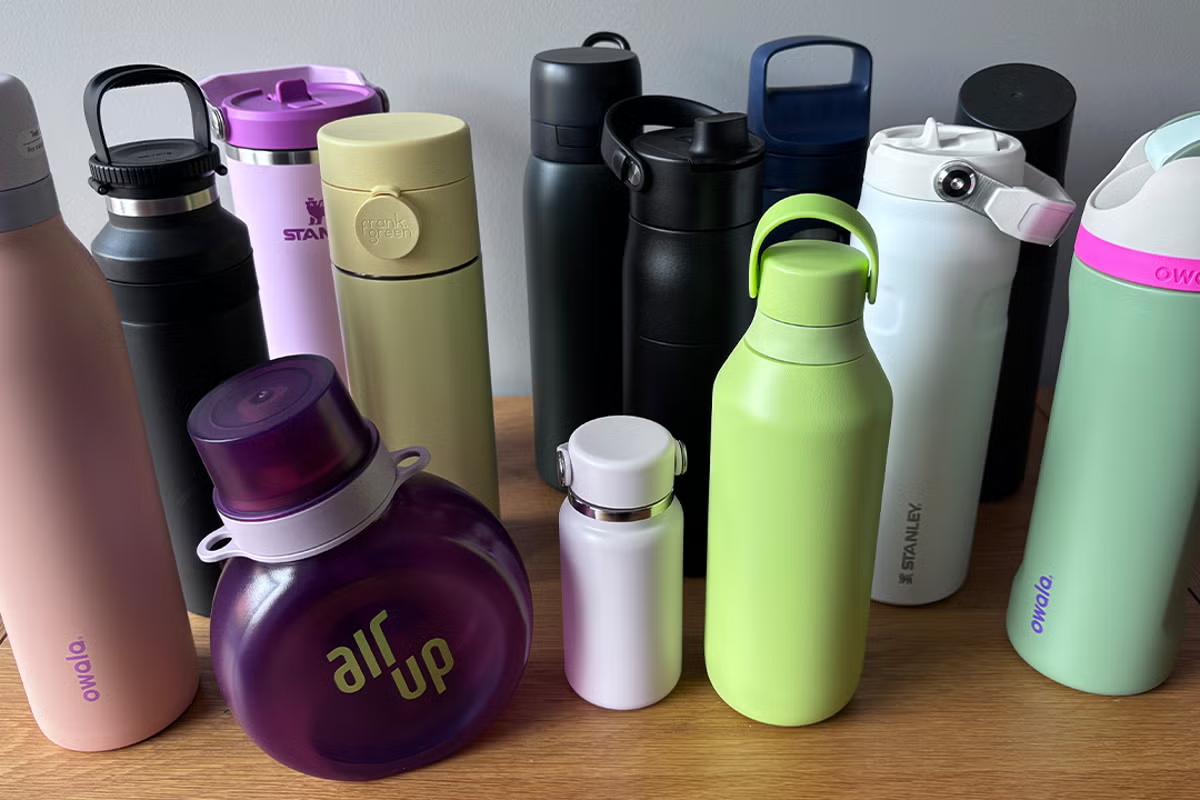
Your questions about reusable water bottles answeredWhat is the best reusable water bottle?The best water bottle for you depends on your needs, whether you’re travelling abroad or sitting at your desk all day. But an excellent all-rounder is the Owala freesip for its lovely colours, leakproof design and two-in-one lid. I also rated the teeny Hydro flask micro hydro mini bottle for when space was tight but I still wanted to carry a bottle, and the no-nonsense Primus TUFA insulated bottle 0.6L for impressive temperature regulation and the fact it can be used for hot and cold drinks.How much plastic is saved by using a reusable water bottle?According to Water UK, 7.7 billion plastic water bottles are used in the UK each year, with the average person using 150 plastic water bottles every year – that’s around three a week. The organisation states that if just one in 10 Brits used a refillable water bottle just once a week, around 340 million plastic bottles would be saved each year.I used all these bottles on a daily basis over several weeks to see which one was the best. I took them with my in the car, lugged them to the gym, threw them in the bottom of my bag when commuting and even used them on planes to test which bottle I would keep going back to. I also roped in my two children and asked them to bring various bottles to school with them to see which ones would keep their bags dry and survive being thrown about all day. For each bottle, I looked particularly at the following: Appearance: Call me shallow but water bottles are now as good as fashion accessories so no one wants an ugly one letting them down. I judged if each bottle looked appealing when I whipped it out of my bag and if there was an attractive range of colours available or it could be customised. Bonus points were awarded if anyone complimented it while I was using it or asked where I got it from.Design: There’s a lot to think about when choosing a water bottle, including whether it weighs as much as a sack of potatoes once it’s full, if it fits into a normal-sized bag, if it’s easy to take apart and put together again and whether it would survive scratch-free even after a day rolling around in the bottom of a bag. I also tested out any extra features, from filters to smart capabilities, to see if they were simply gimmicks or worth splashing out on.Leakproof quality: There’s nothing worse than discovering everything in your bag is soaked from your water bottle. I put all these bottles on their side in a tote bag, adding sheets of kitchen towel to detect any rogue drops before shaking them around. I also carried them with me on a daily basis to see if any bottle was prone to sneaky leaks.Cleaning: I paid special attention to this as water bottles aren’t always cleaned as often as they should be and bacteria can build up in hard-to-reach nooks and crannies. I checked the official cleaning instructions and followed them carefully, washing each bottle several times to see if straws and lids were easy to clean thoroughly, if the exterior started to chip or fade and how quickly the bottles dried after washing. How much water should I drink each day?While each individual’s needs are unique and dependent on health, age, height and weight, the NHS’s Eatwell Guide recommends drinking 2l (between six to eight glasses) of fluid a day, including water, lower-fat milks, sugar-free drinks, tea and coffee. Dehydration can cause both mental and physical fatigue, as well as headaches, while a healthy water intake is thought to boost mood and mental well-being.What to look for in a reusable water bottleMaterial: Reusable water bottles can be made from stainless steel, ceramic, glass or even plastic – though this must be BPA-free, to ensure it is non-toxic. Stainless steel bottles are durable and will keep your drink cold all day, but may not be dishwasher safe. Glass tends to be the best and safest material for storing food and water. Unlike plastic water bottles, it keeps flavour pure, as it doesn’t contaminate its contents. However, it can be heavy.Drinking spout: If you’re planning on using your water bottle in the gym, I highly recommend opting for one with a drinking spout rather than a twist lid – the latter makes taking a sip mid-run unnecessarily difficult. Size: This will depend on personal preference. Water bottles come in a range of sizes, from 250ml all the way up to 2l, so it really depends on how much you’re willing to carry with you during the day and whether you have easy access to a tap to refill your bottle.Leakproofing: No one likes a soggy sports bag, so double-check if the water bottle you have your eye on is leakproof. Pay special attention to this if you’re opting for a bottle with a drinking spout, as they tend to be more sensitive to the issue than twist lids.Dishwasher-safe: Some bottles are dishwasher-safe, while others can only be cleaned by hand. Retailers will usually list on the product page if a water bottle is dishwasher-safe – an important feature to look out for, especially if you plan on using your bottle for more than just water. Why you can trust IndyBest reviews Siobhan Grogan is an award-winning journalist. She has reviewed a broad range of products for IndyBest, from microwaves to mattress protectors, and carefully tests all the products that feature in her reviews to assess how they stand up to real-world use. She’s researched different water bottle features to look out for and considered sustainability. If you want to keep your drinks hot or cold for hours, read our review of the best flasks and travel mugs
Best reusable water bottles to keep you hydrated, tried and tested
Whether you like your H2O insulated, filtered or even scented, stay hydrated with these eco-conscious designs
981 words~4 min read