The race to build an AI “foundation model of the cell” has a fuel problem. The biological data needed to train one is scarce, messy and inconsistent. Relation Therapeutics thinks the answer is to manufacture that data itself, and GSK is paying up to $110m to help.
The London startup unveiled two things at once on Thursday. The first is MORGAN, its flagship cellular foundation model. The second is an expanded collaboration with GSK to generate the data that feeds it.
A model of how cells respond
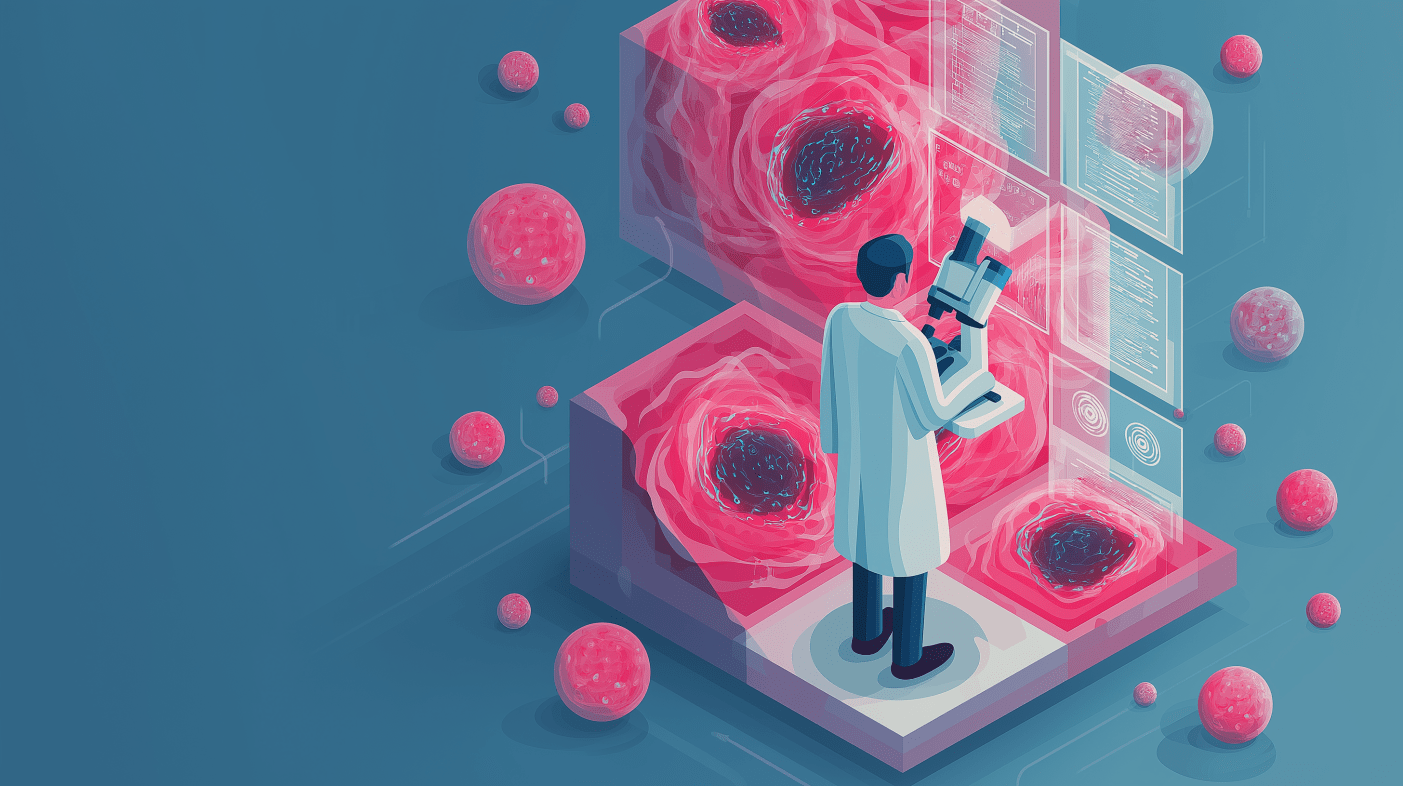
MORGAN, short for Multi-Omic Regulatory Genomics using Artificial Neural Networks, is meant to predict how a human cell reacts to a genetic tweak or a drug. Get that right, and you can spot disease mechanisms and new drug targets on a computer, before touching a lab bench. It is the same idea behind a foundation model of the chest or the AI-biology work at DeepMind’s Isomorphic.
Relation’s pitch is not the model alone. It is the data behind it. Models like this are only as good as what they learn from, and human biology data is thin. So Relation is building automated labs that run cellular experiments at what it calls “superhuman consistency.” They generate “petascale” datasets of how cells respond to interventions over time.