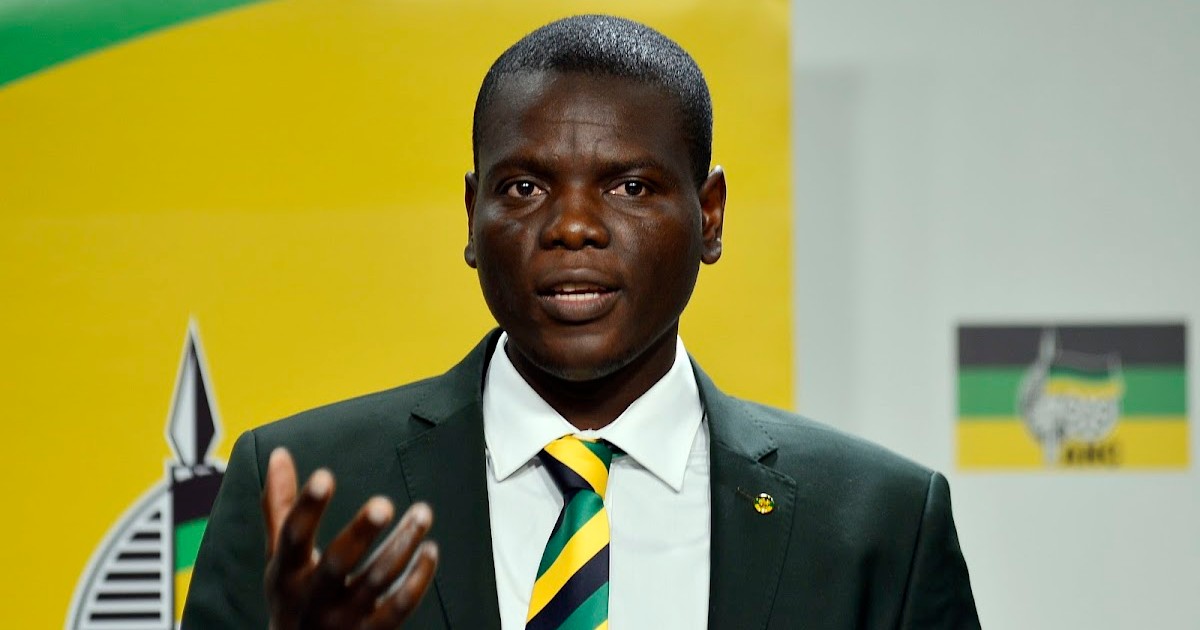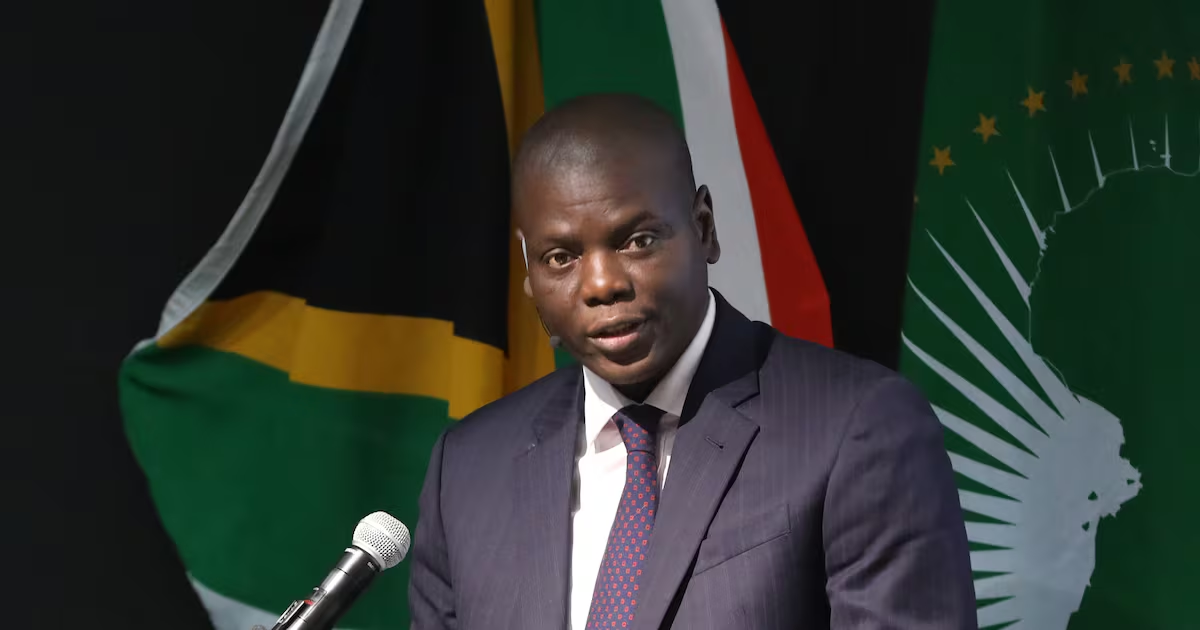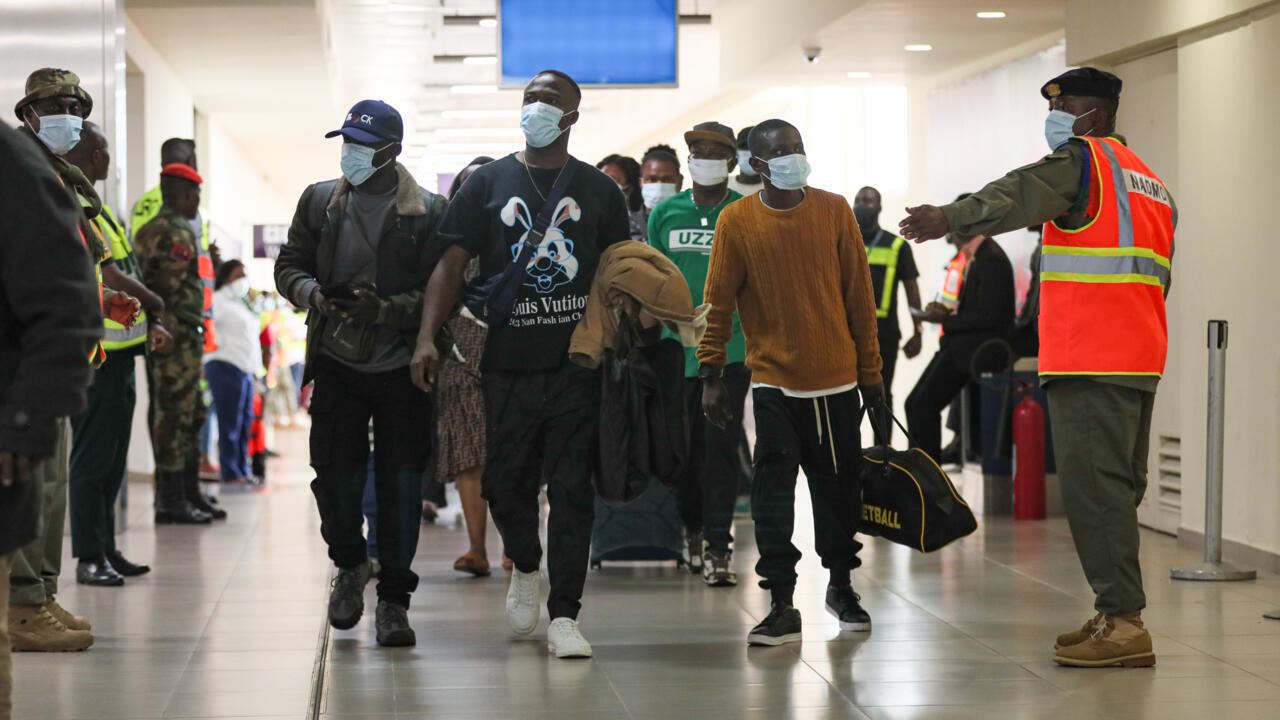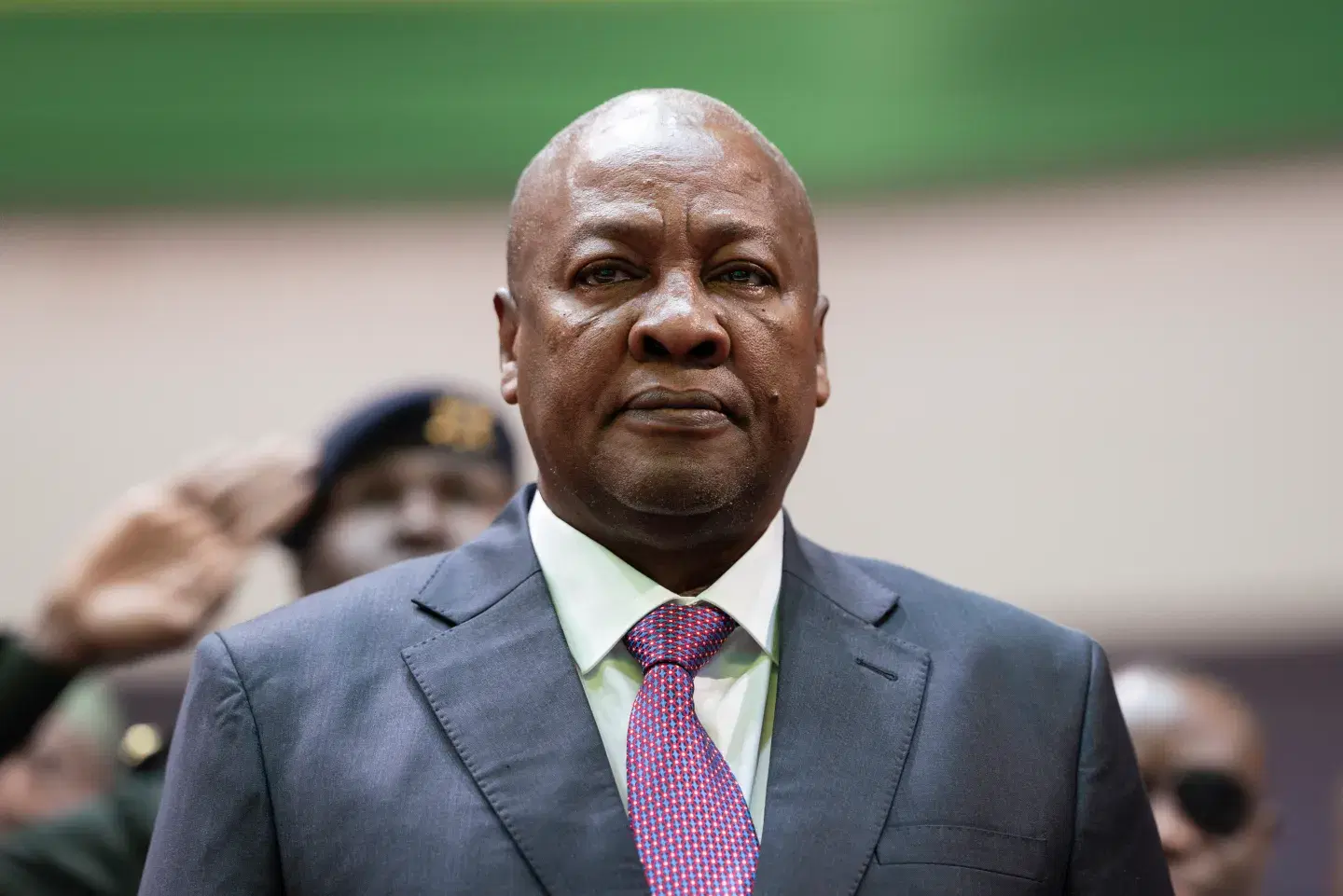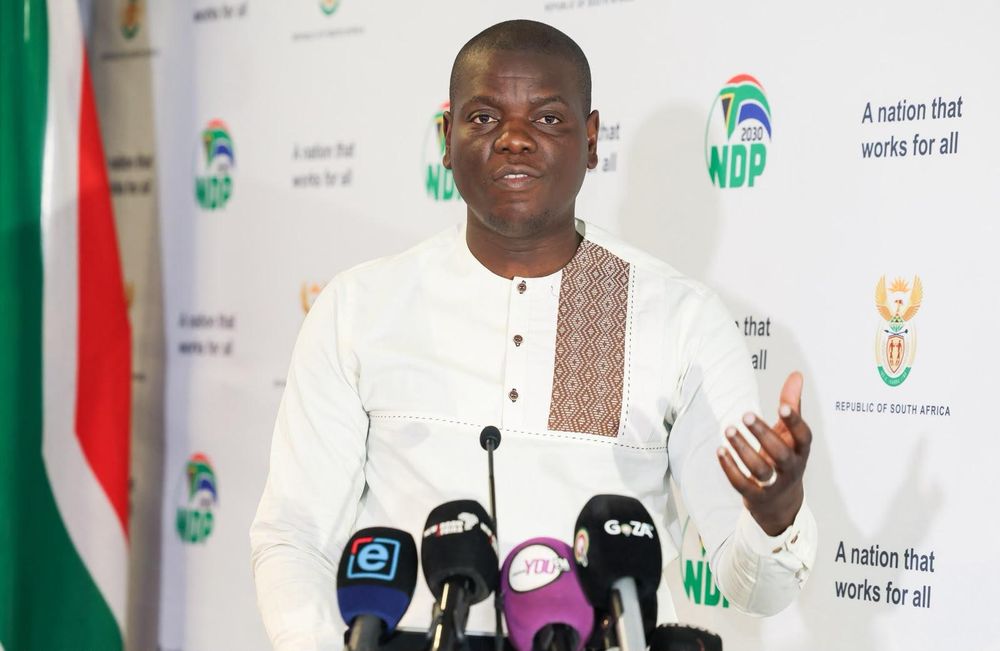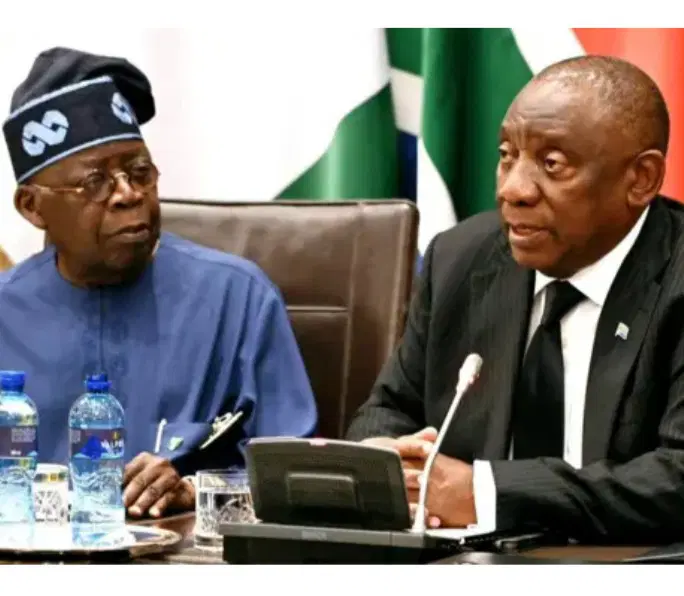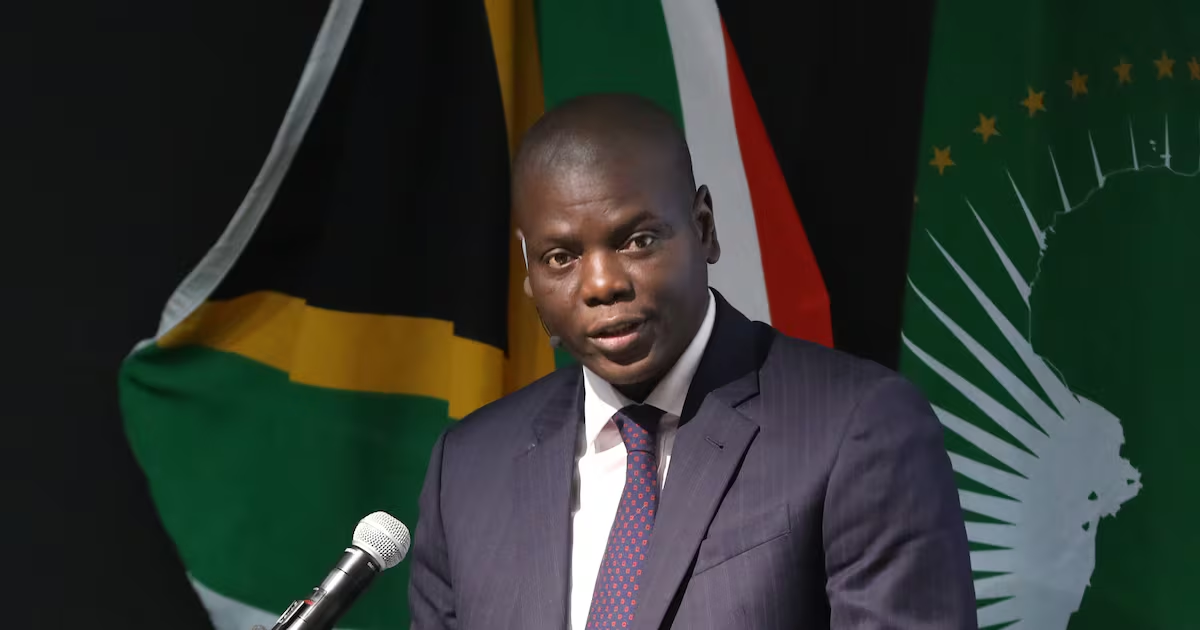
The AU’s executive council did not take up a Ghanaian request to place violence against African migrants in South Africa on the agenda of the bloc’s October summit after South Africa argued the matter belonged in a broader forum.The exchange took place this week at a meeting of AU foreign ministers in Addis Ababa, where Ghana raised the issue during an AU executive council meeting on Wednesday, prompting international relations and co-operation minister Ronald Lamola to respond to the proposal. Ghana had asked that the treatment of African migrants in South Africa be added to the agenda of the mid-year co-ordination meeting set for October in Egypt.The motion to add xenophobia to the agenda was not adopted. South Africa’s proposal for a standalone continental conference on migration stands as the option before the council, with the underlying disagreement between the two countries over how and where the issue should be addressed unresolved.South Africa’s position was that the co-ordination meeting, which draws only 12 heads of state representing the AU Bureau and regional blocs, was not the right setting for an issue of this scope. Lamola told the council South Africa was engaging the African Commission on Human and Peoples’ Rights ahead of a planned visit by its country rapporteur, and was in contact with the commission’s refugee and asylum seeker mandate holders, engagements he described as the appropriate channel at this stage.He referred to a 2015 AU assembly decision and a 2019 Peace and security council communique that had both called for a dedicated continental migration conference that was never convened, and asked the council to finally hold one.The Addis Ababa exchange follows a dispute running since May, when Ghana’s foreign minister Samuel Okudzeto Ablakwa wrote to the AU asking that the xenophobic attacks be discussed at a summit, arguing they violated the African Charter on Human and Peoples’ Rights and ran counter to the spirit of Pan-Africanism. Lamola subsequently traveled to Accra as President Cyril Ramaphosa’s special envoy to meet Ghana’s President John Mahama and Ablakwa and later to iron out the issues, saying the priority should be the underlying drivers of migration rather than attributing blame to one country.Government figures cited at the time showed more than 72,900 foreigners had been repatriated, 354 criminal cases registered and nearly 29,000 immigration-related court matters finalised under South Africa’s enforcement drive.The Ghana engagement was part of a wider diplomatic effort Ramaphosa assigned to Lamola. Two days before the Addis Ababa session, Lamola led a delegation to Abuja for talks with representatives of Nigerian President Bola Tinubu, addressing a separate set of tensions between the two countries over migration, crime and a disputed traditional leadership title also raised in Ethiopia. South Africa and Nigeria agreed to de-escalate tensions between Africa’s two largest economies following talks in Abuja, as both governments moved to contain a diplomatic rift over migration, crime and a disputed traditional-leadership title.Nigeria is Africa’s most populous…— Thando Maeko (@HelloThando) July 28, 2026
AU council rejects Ghana request on SA xenophobia
SA pushes for dedicated migration conference amid regional tensions
590 words~3 min read