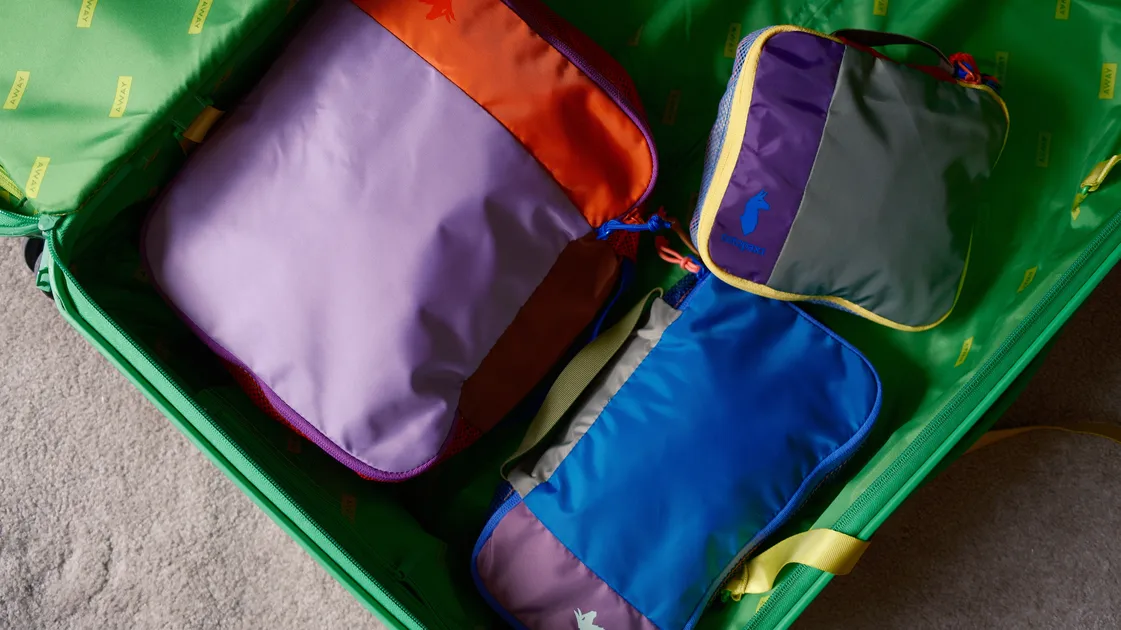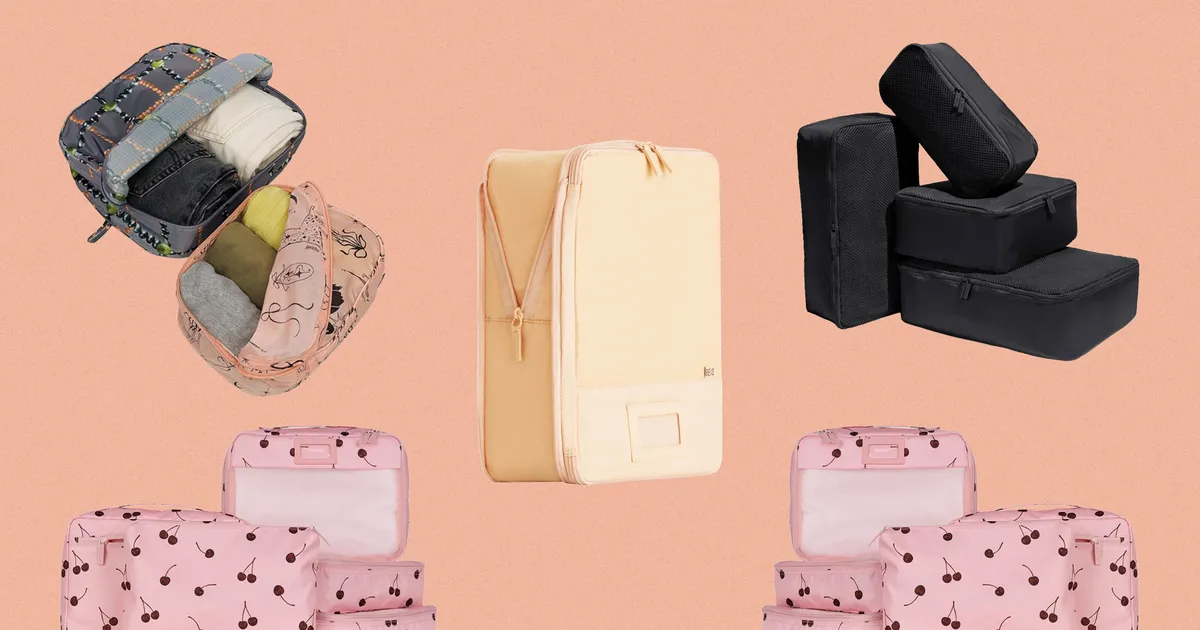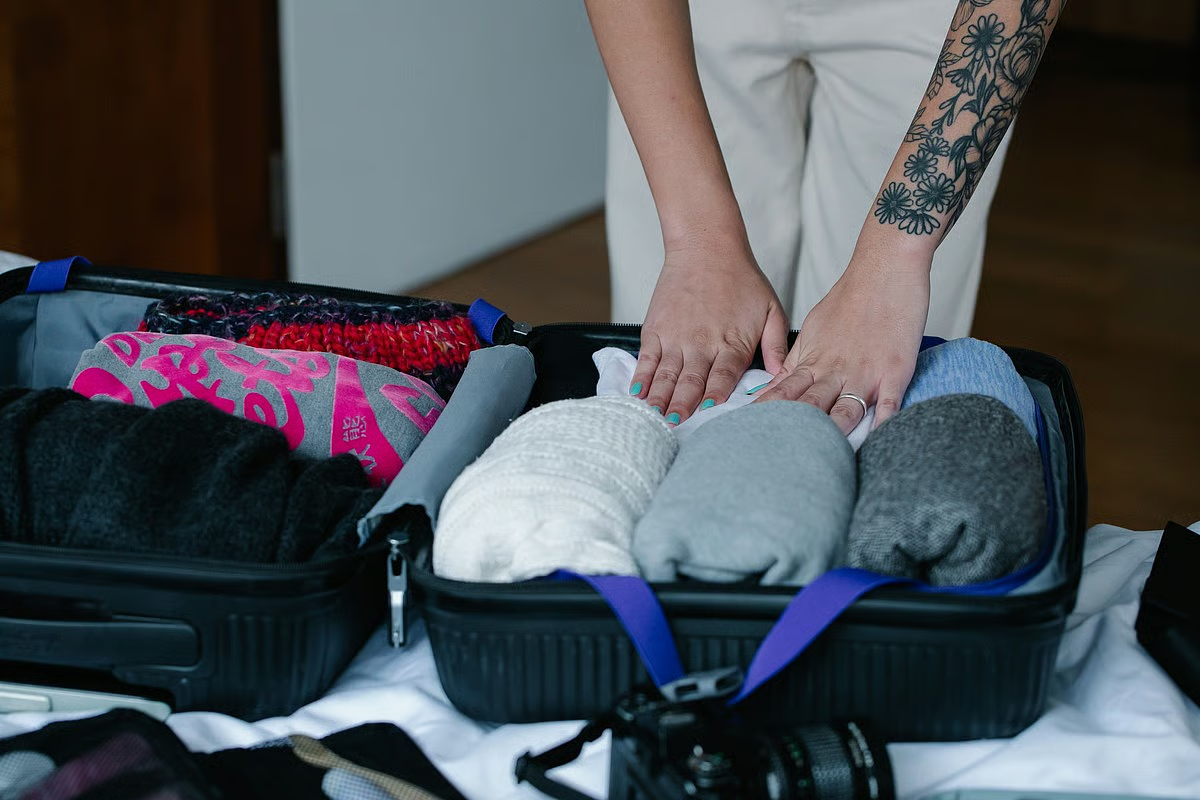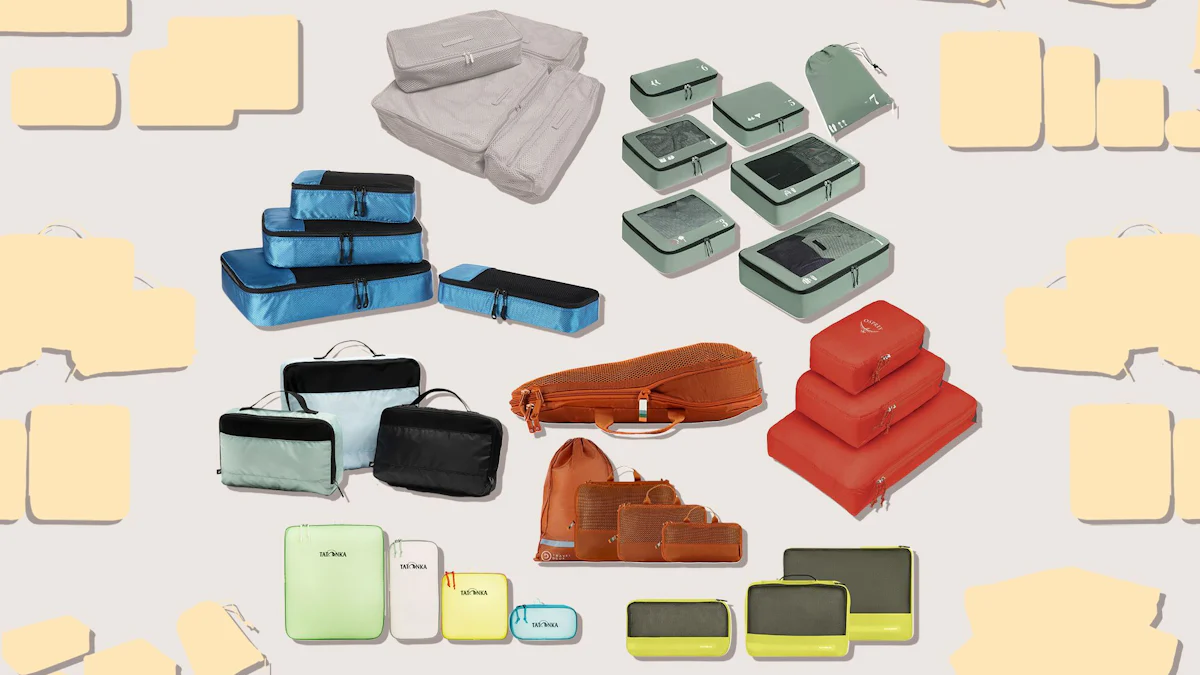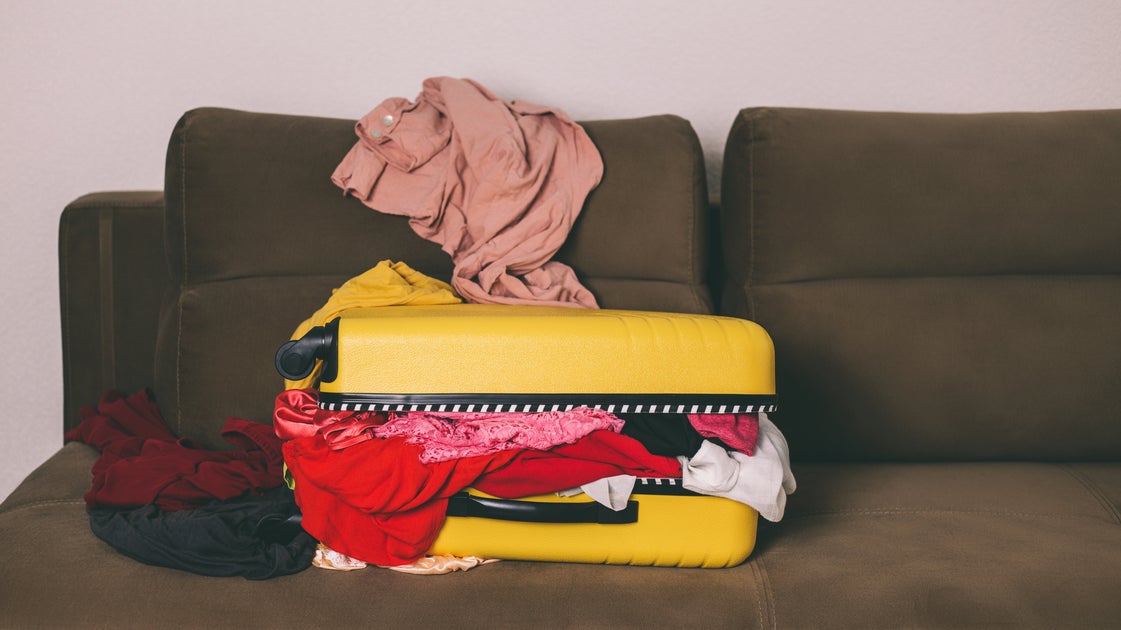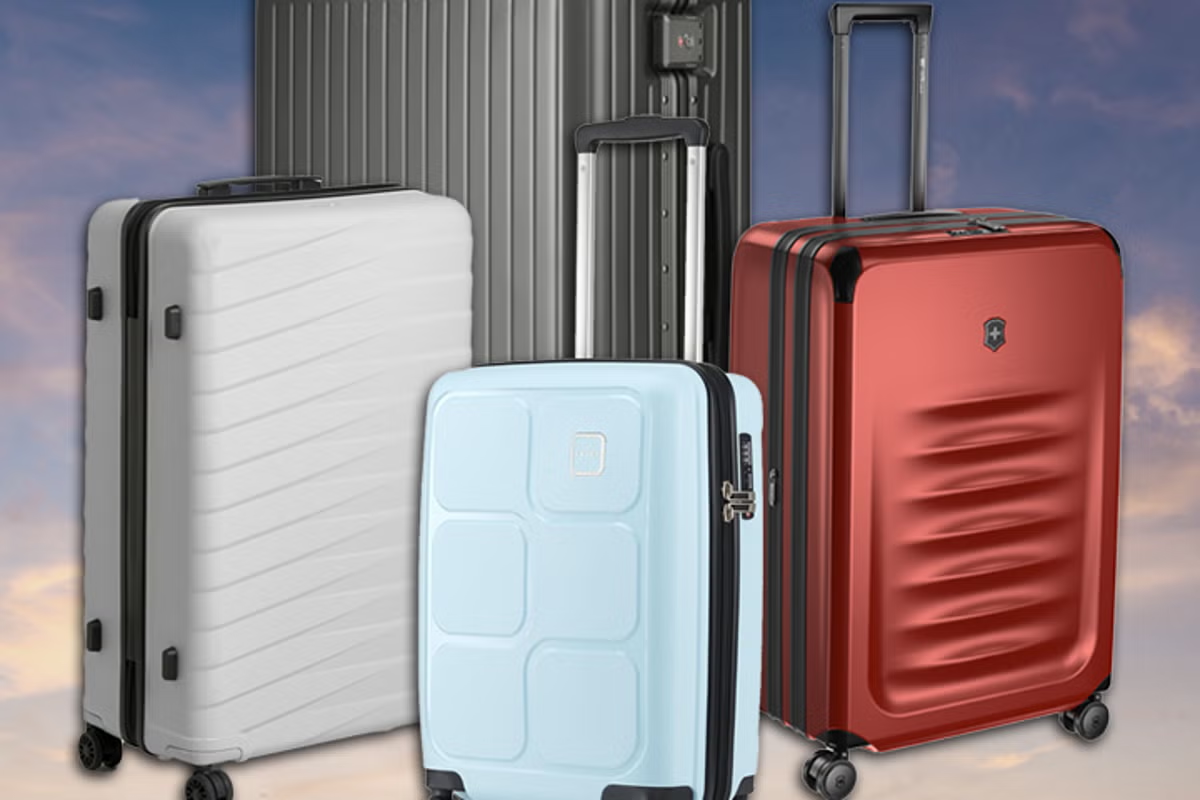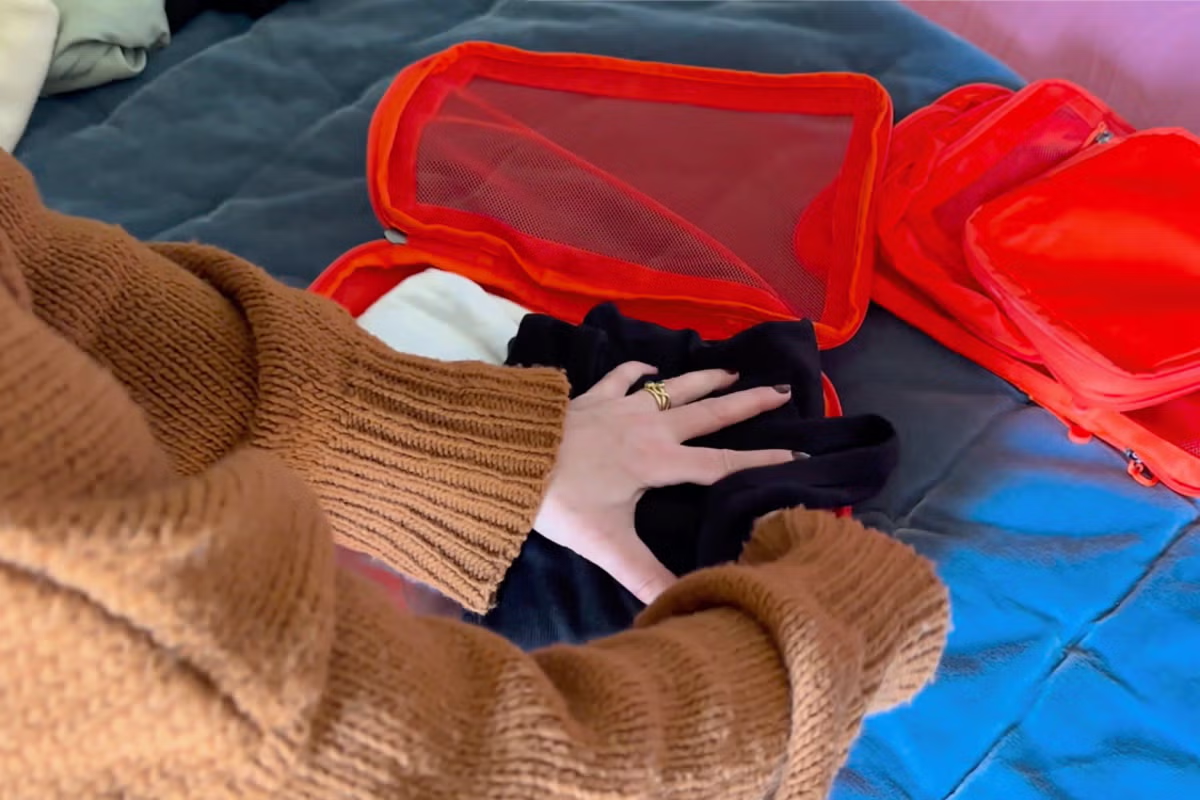
Your questions about packing cubes answeredWhat are the best packing cubes? The best packing cubes depend on the way you intend to use them. For me, after testing spanning years of travels, Yeti’s crossroads packing cubes have been a standout, for incorporating all the features that you might need including a good level of compression, breathable mesh and water resistance. Of course, the more affordable options like the set from Tripp will not offer the compressive power of Pastael or the durability of Briggs & Riley, but they still offer a great value for money if you’re trying packing cubes for the first time. As well as bringing each packing cube with me on my travels, I carried out specific tests, such as submerging them in water, strength testing zips and meshes, and filling them with various clothing types to see if different materials changed their compression power. For a final, fair test, I used them to pack clothes I would usually take on a typical mid-season break in a standard piece of hand luggageCompression: Most people will purchase packing cubes for their compression power, so this was the most important aspect of my testing. Moisture resistance: Who hasn’t sneaked a pre-flight swim in the pool before a flight? For me, a trusty packing cube is one that’ll contain moisture and prevent leakage. Versatility: Some packing cubes are stiffer than others and, if you are only buying one set, it’s important to go for a brand that offers a variety of shapes and sizes to fit different types of luggage. Quality and durability: They might not be as expensive as luggage, but you don’t want to be buying a new set of packing cubes every year, so I was looking for products that would last over time. How do packing cubes work?Many packing cubes are simply fabric holdalls with a zip to help compartmentalise your things, while compression packing cubes work by compressing the air around your clothes to help save even more space. Exactly how they do this will depend on the cube. For some packing cubes, you may need to remove the air manually with a vacuum cleaner. Then there are cubes that don’t require a vacuum cleaner and can instead be compressed with a very strong zip, or by rolling them out, which in turn expels the air inside.My top packing tips as a travel writerIt may seem like overkill, but knowing exactly what you’re taking before you start can help you stay organised. Make a list of everything you really need, too, so you’re less likely to forget something important. To save on space, only bring full outfits for each day or activity, so you won’t bring anything you won’t actually wear. You may also find that rolling your clothes up instead of folding them saves even more space. That said, try to avoid rolling up any stiff or delicate pieces of clothing – anything made of cotton or linen would be a prime example of clothes that should be folded instead. You may want to avoid bringing anything that will get wrinkled easily, unless you’re bringing a portable iron or garment steamer. Speaking of which, your suitcase should be full enough that the contents can’t fall around and crease inside. Make sure to fill every empty space if you can. How to organise your suitcaseStart by deciding how you would like to categorise each packing cube – will you have a different cube for tops and trousers, say, or for each day or member of the family? You may find smaller cubes more useful for weekend trips, while fewer, larger packing cubes may be better suited to longer excursions. The heaviest and widest packing cubes ought to be at the bottom of the suitcase, leaving room for smaller cubes to be arranged around and on top. This will make the suitcase more stable, and you won’t need to remove the biggest cube to reach items at the bottom. Finally, make sure you set aside valuable and fragile items, which will be best kept in their own packing cube –something like Bellroy’s tech kit (£55, Bellroy.com) would be a great option for packing things such as phone cables and electric toothbrushes. Pop this at the top of your suitcase too, to prevent it from being damaged.What to look for when buying packing cubes? When shopping for packing cubes, consider the size of your suitcase and how long you’re travelling for. Compression bags, for example, are better for longer-term storage as opposed to short trips, as you can vacuum pack more clothes – they effectively compress the air out of your garments, helping to create additional space within your luggage. Pay attention to quality, too, making sure the packing cubes have clean lines of stitching that hold the materials tightly together, as well as no loose stitching or fraying ends. Why you can trust IndyBest reviewsAlessia Armenise is a travel journalist and reviewer with a wealth of experience. During her travels around the world, she has tested several products for IndyBest, including the best carry-on luggage. In each of her reviews, Alessia provides her honest opinions and will only recommend products she believes are worth your money.Want more recommendations? Check out our guide to the best hand luggage
8 best packing cubes for an organised suitcase, tested by a travel writer
These luggage organisers have been put through their paces on real-world trips
881 words~4 min read