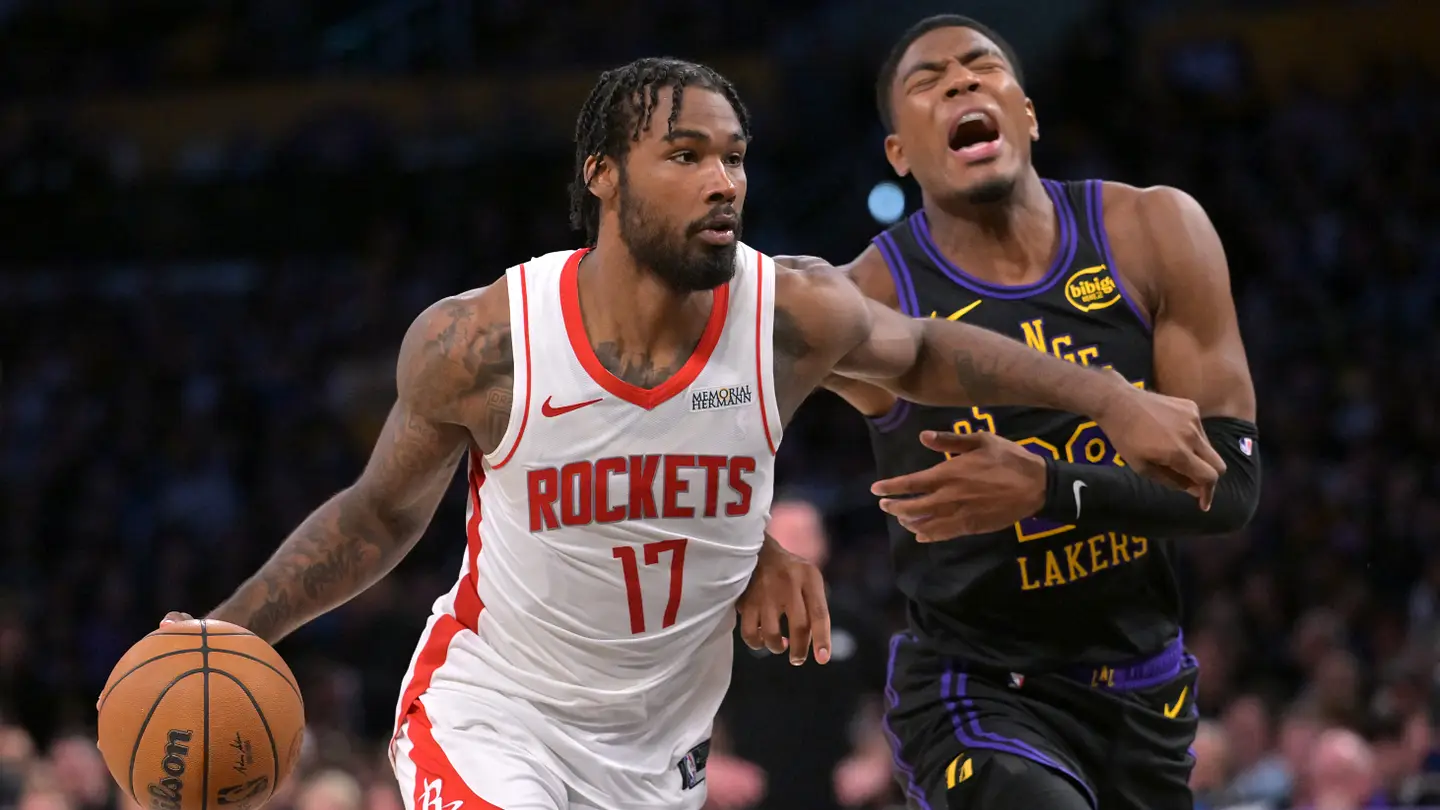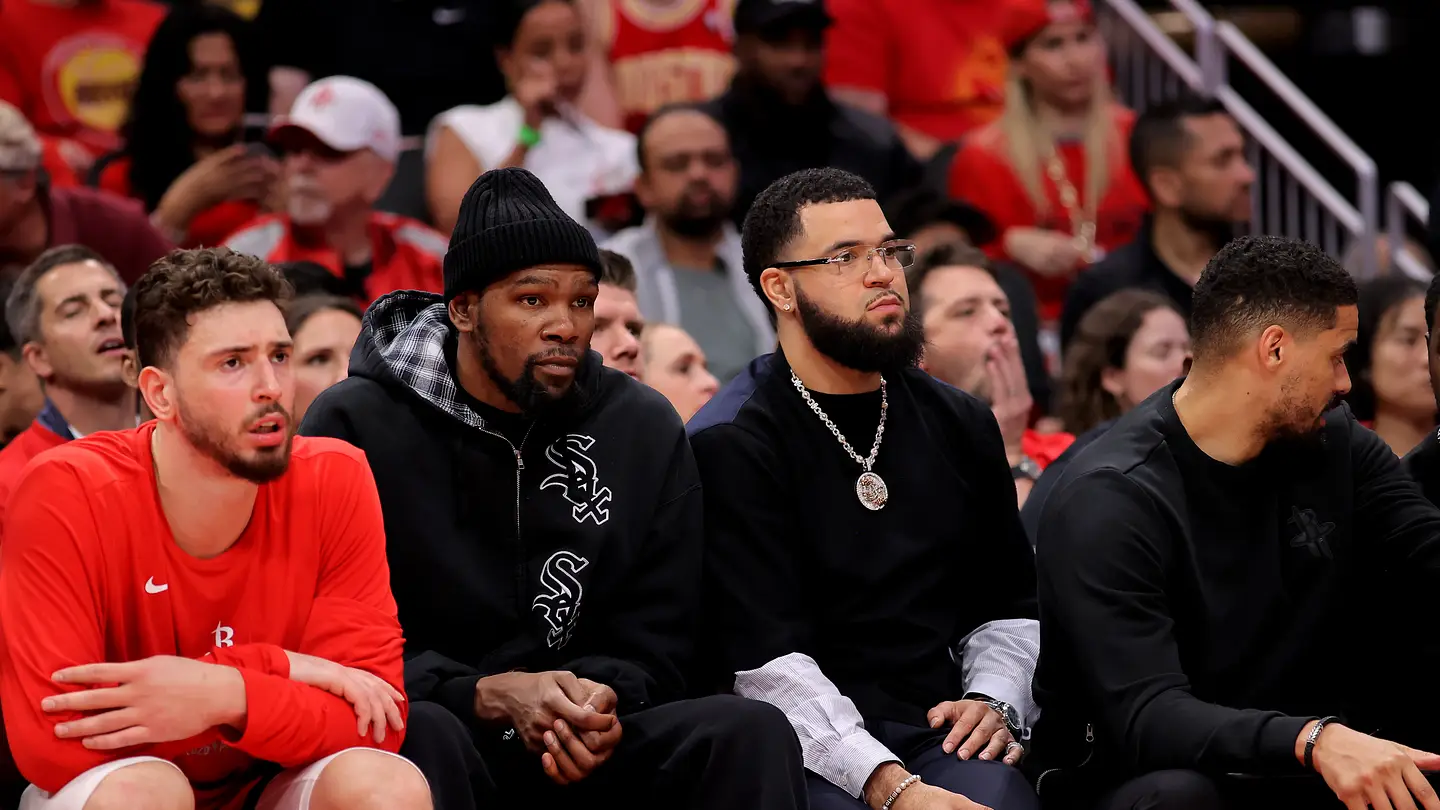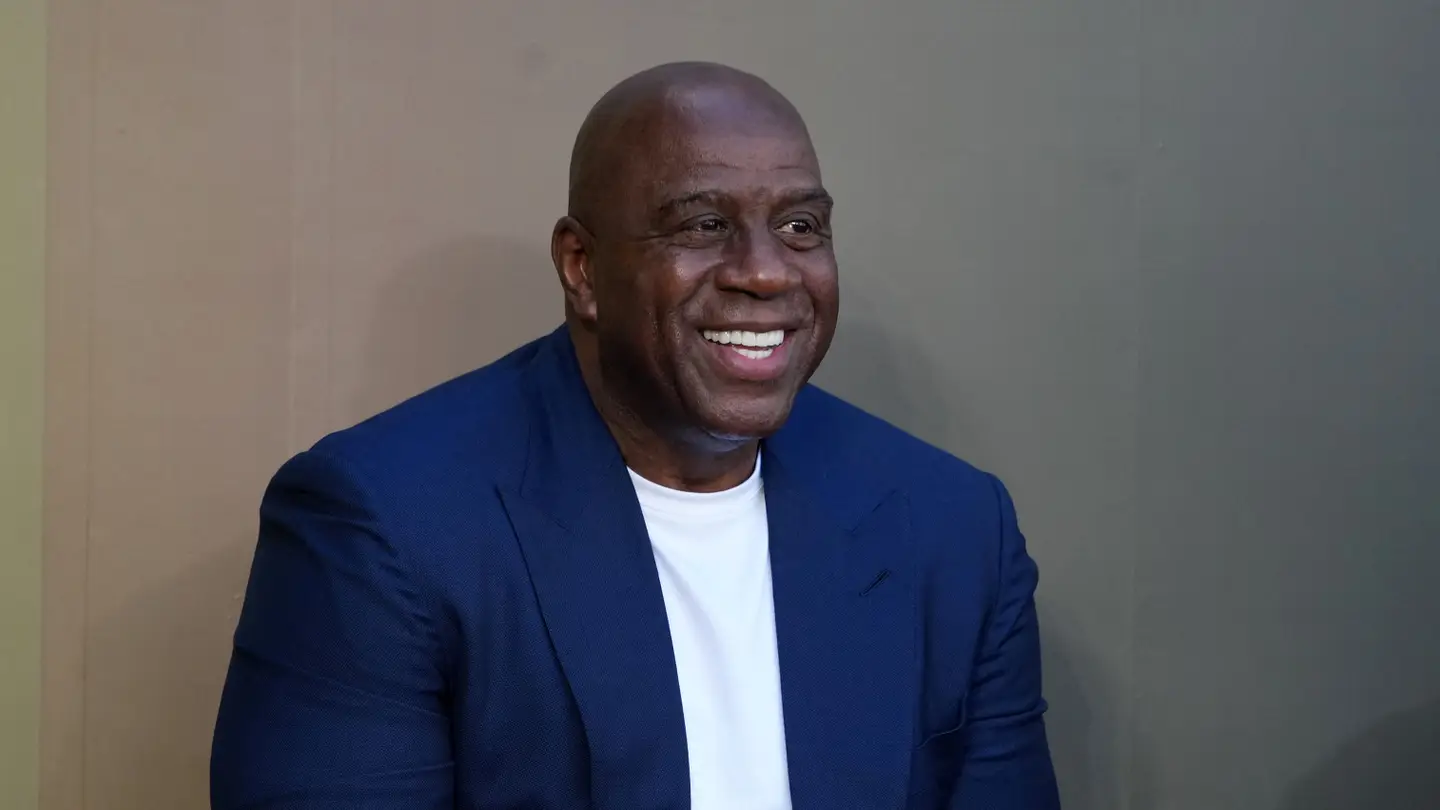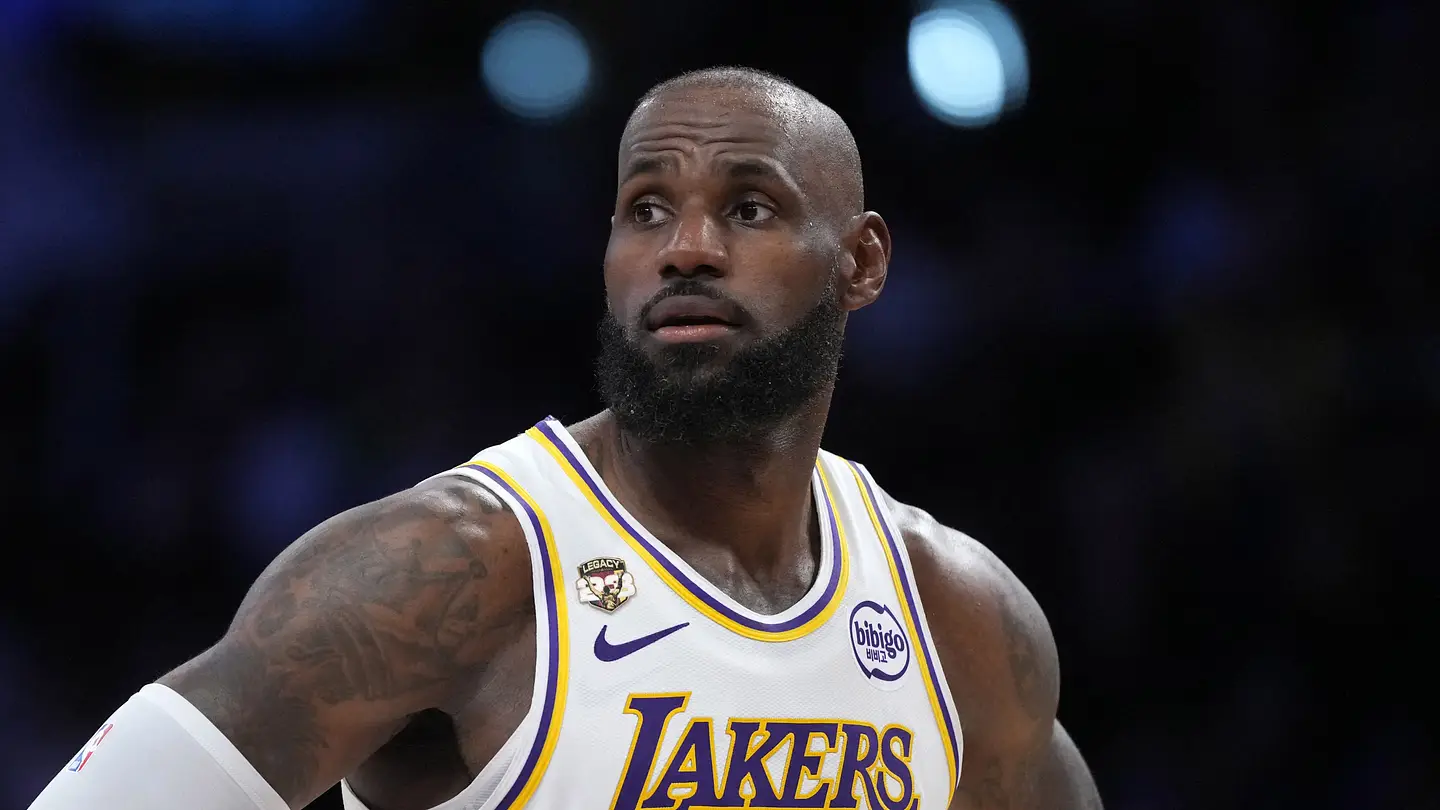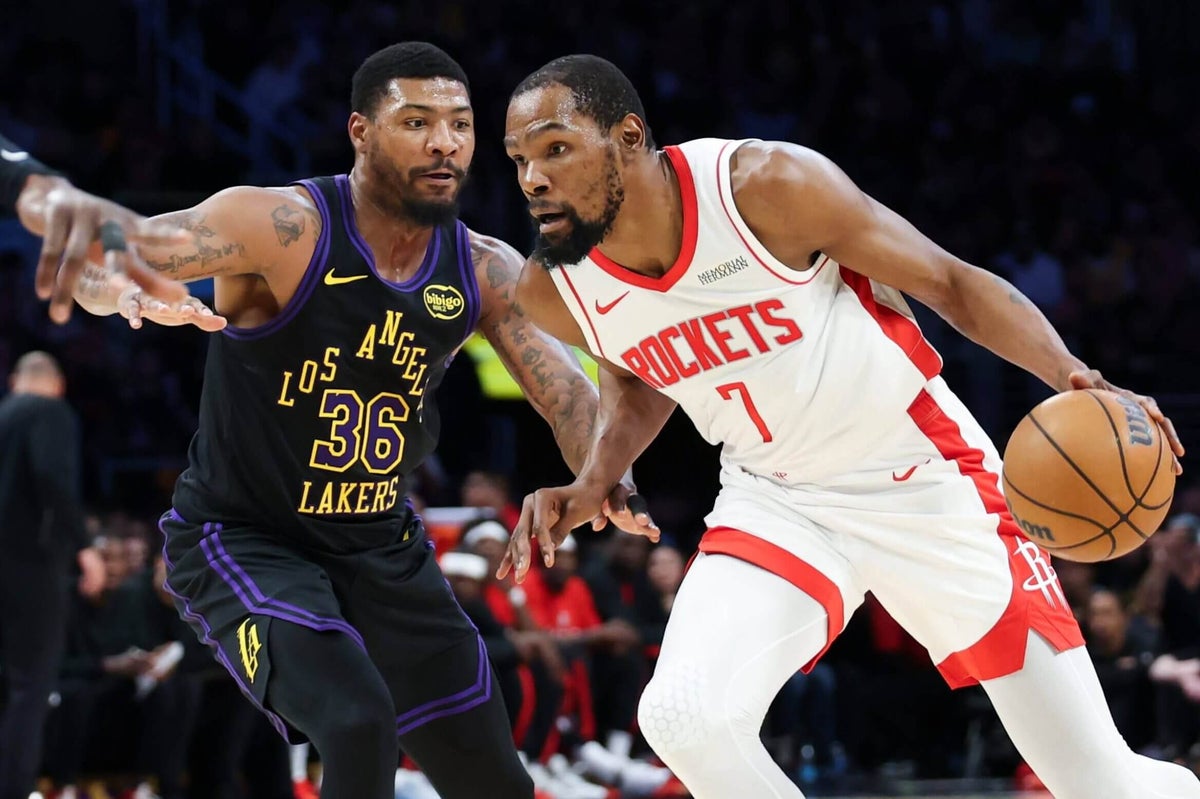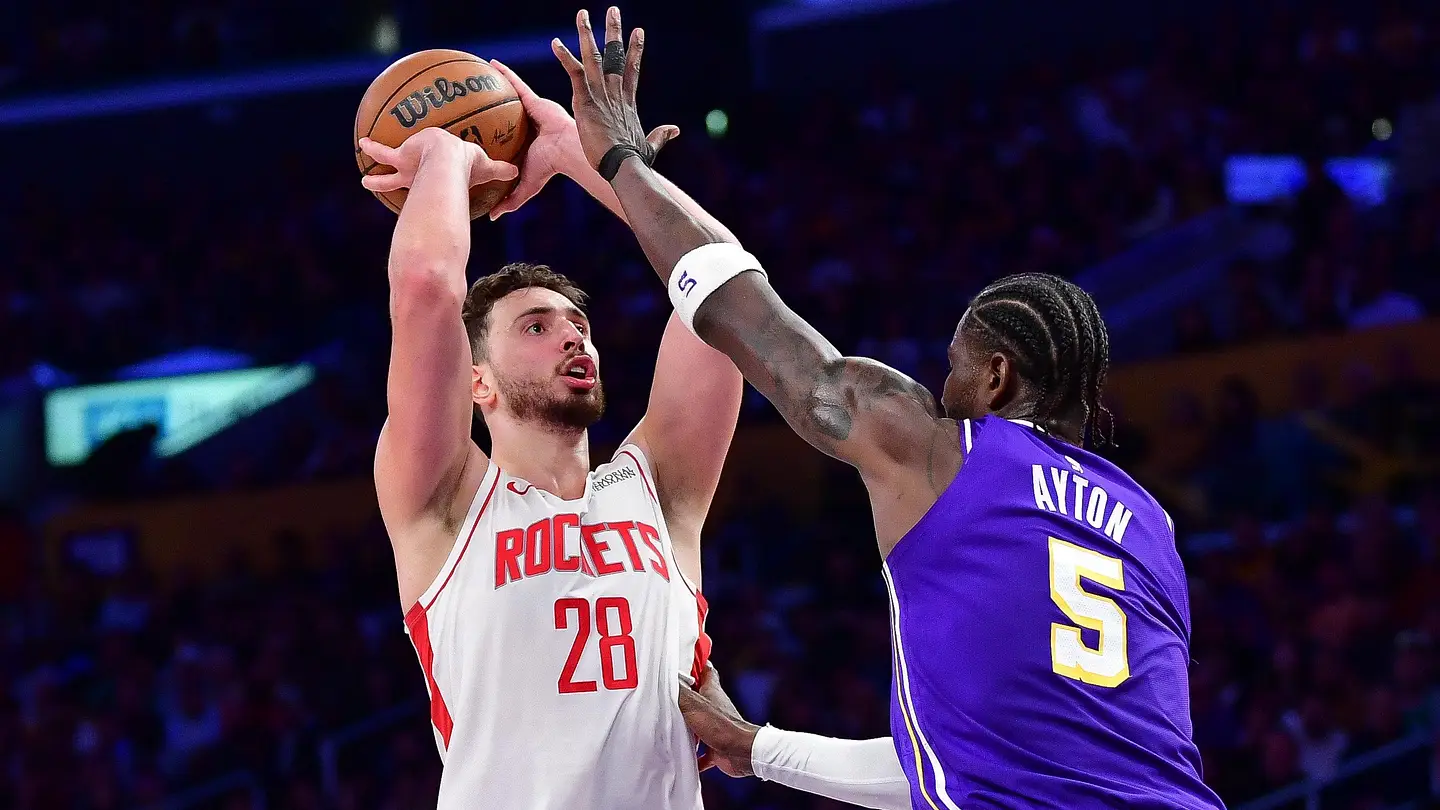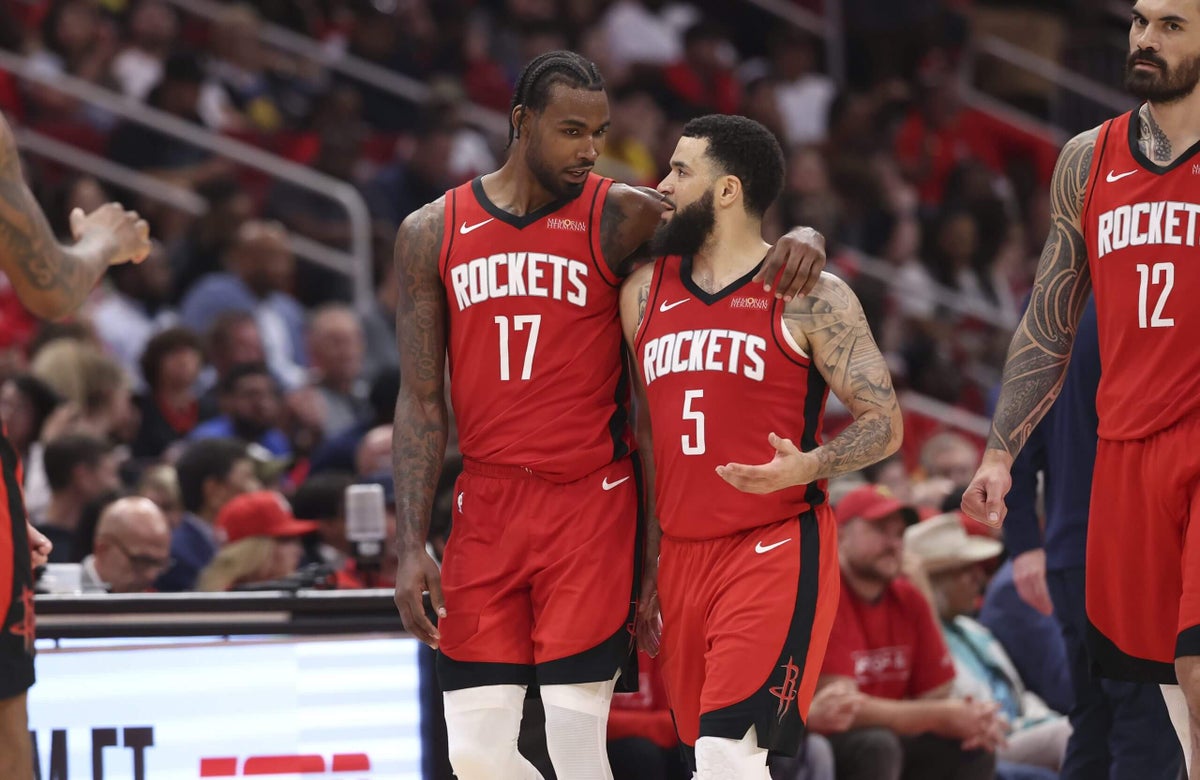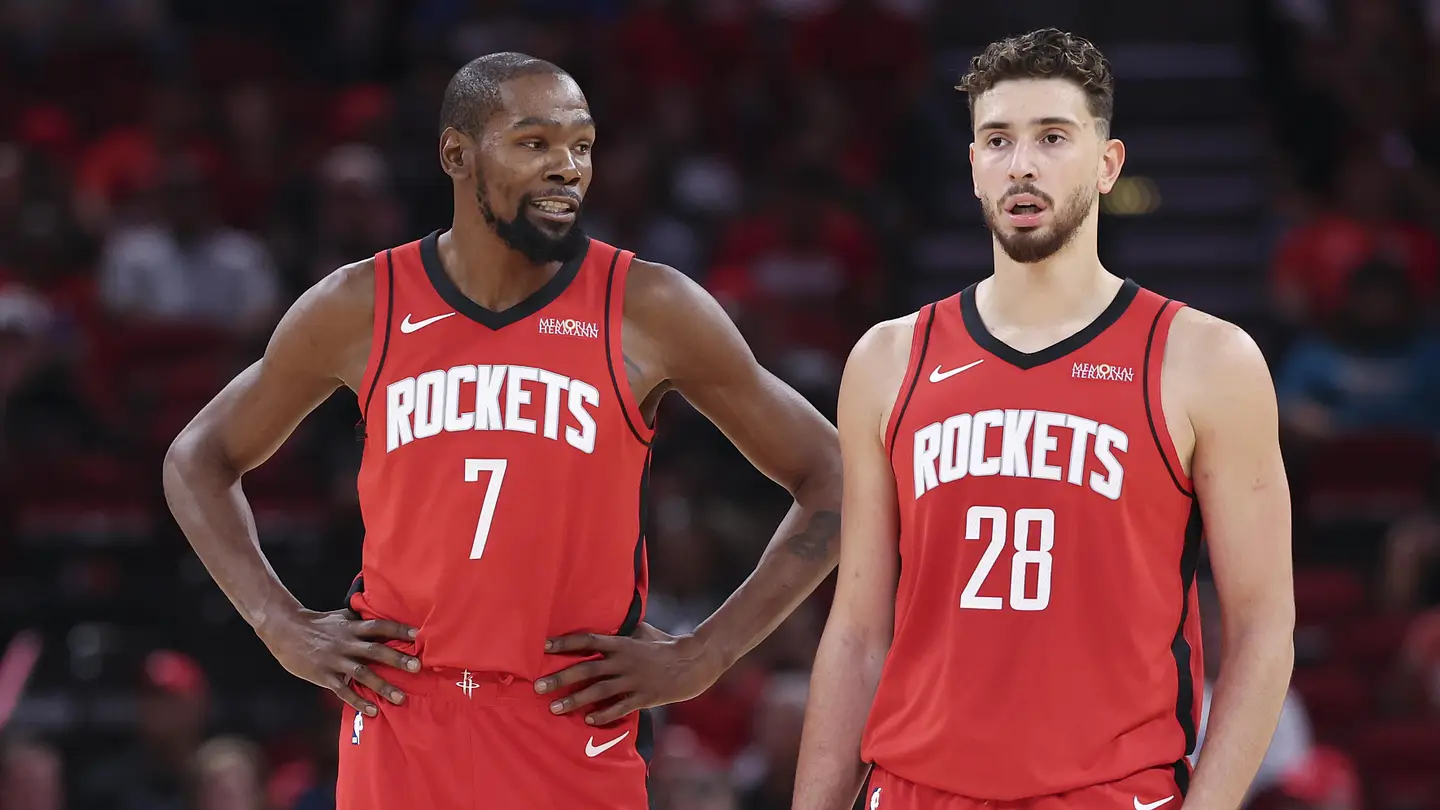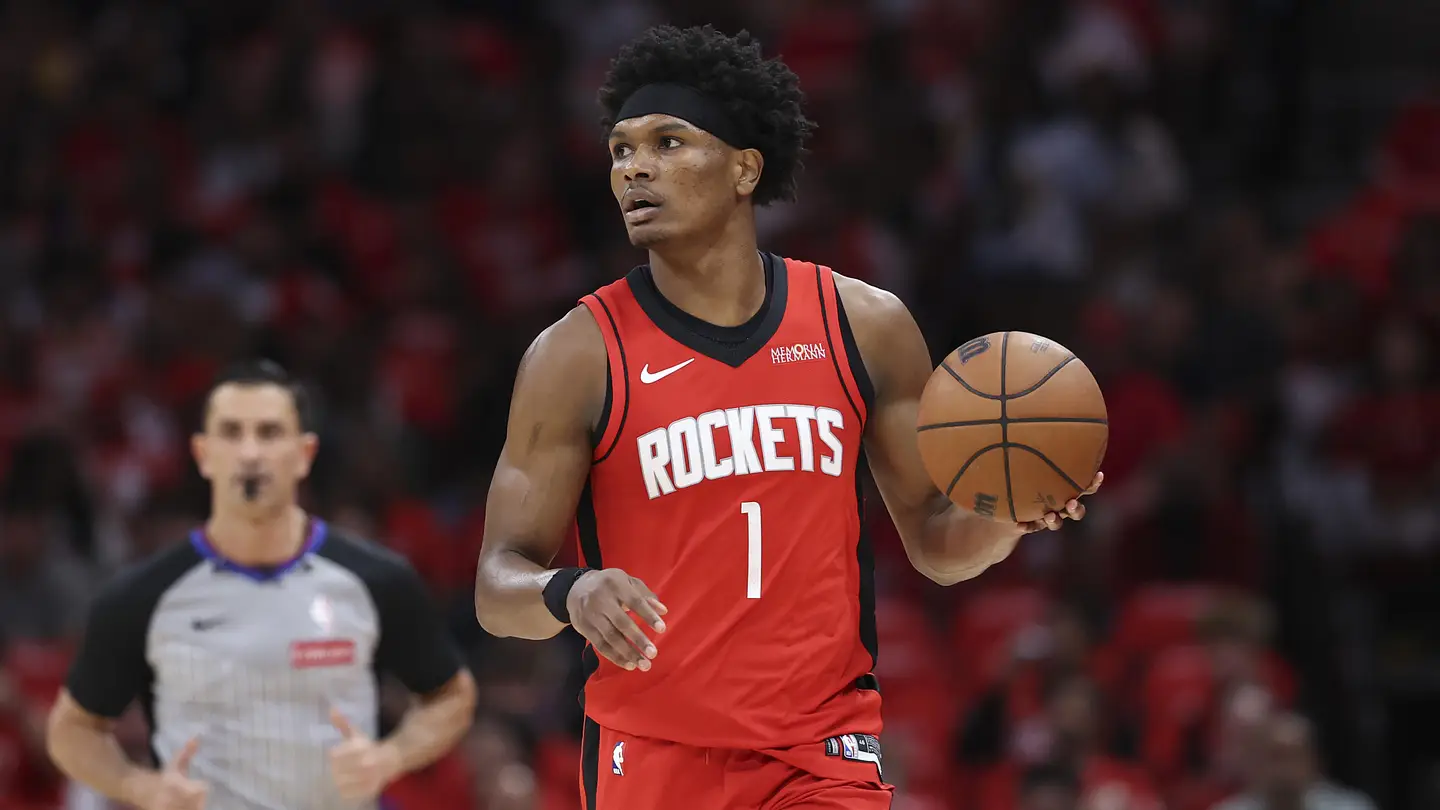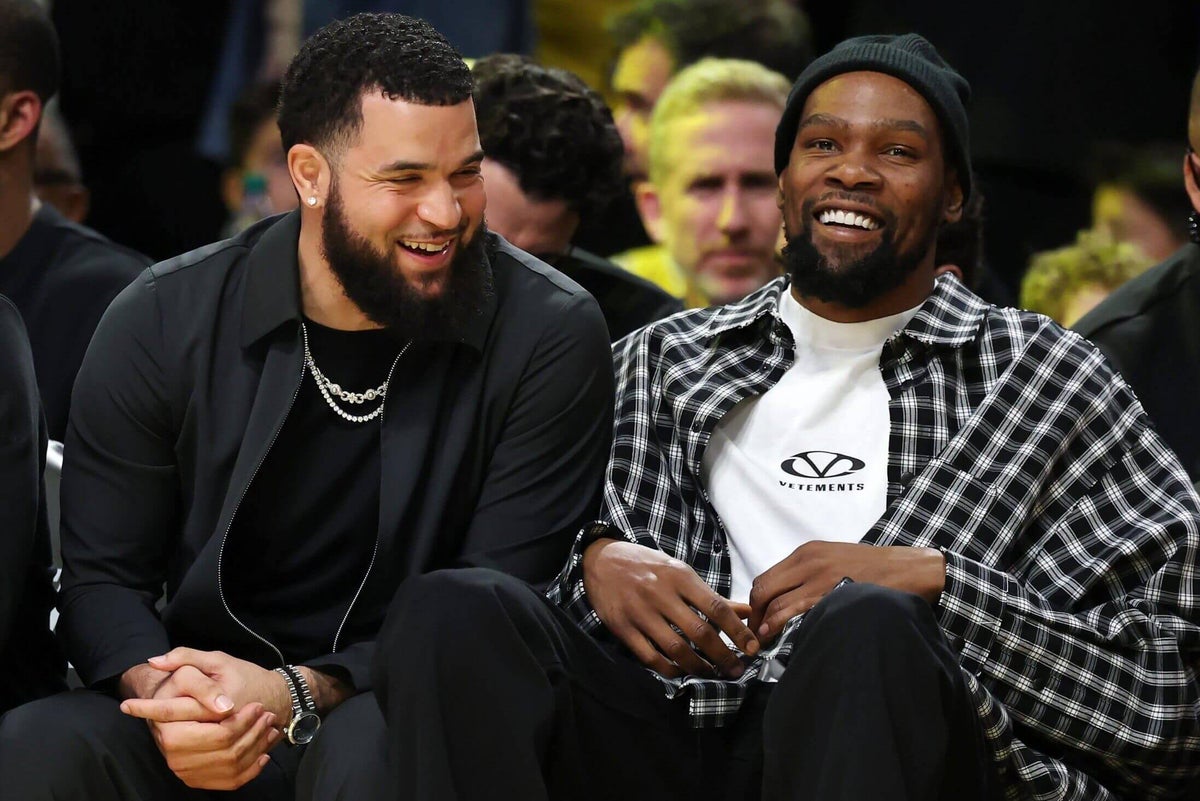
Every offseason is different, but this one has been defined by massive moves of teams looking to join the circle of championship contenders.LeBron James and Jaylen Brown to the Philadelphia 76ers. Giannis Antetokounmpo to the Miami Heat. LaMelo Ball to the Minnesota Timberwolves. Kawhi Leonard to the Toronto Raptors.Despite all the madness, the Houston Rockets decided to take a different route.Instead of making another splashy move like last summer, when they acquired Kevin Durant from the Phoenix Suns, the Rockets and general manager Rafael Stone have decided their path to a title will be fueled by continuity and internal growth.Why LeBron James couldn't retireShakeia Taylor and Jeshua KiddIt’s an understandable decision considering how much young talent Stone has assembled over the past years. The biggest deal Houston handed out this summer was a five-year, $81.5 million extension to Tari Eason to keep him with the team that drafted him in 2022.The only other significant moves were signing veteran guards Marcus Smart to a two-year, $13 million contract and Bogdan Bogdanović to a one-year, veteran-minimum contract.The Rockets certainly had enough assets to get involved in the Antetokounmpo or Brown sweepstakes, but they decided to stick with this group and believe in their trajectory. We can talk about the wisdom of that decision another day, but let’s look into the biggest winners and losers for the Rockets after the work they’ve done this offseason.Biggest winners: Alperen ŞengünLast year, Şengün was an All-Star on a Houston team that won 52 games. Still, it feels like his performance didn’t live up to what the fan base expected, or what he expected of himself. Some of that falls on Şengün, who spoke about the mental and physical hurdles he dealt with last season. He also deserves credit for the enormous offensive responsibilities he had to carry, with Fred VanVleet out for the season with a torn ACL.Now, with VanVleet back and Smart added to the mix, Şengün won’t have to work as hard to get himself into post-up position. He won’t have to organize the offense at the top of the key. He’ll have more people on the floor who are focused on getting him shots, rather than the other way around.Last season, Şengün spent a lot of time dribbling at the top of the key and forcing his way into the teeth of the defense, all while battling double- and triple-teams.In 2025-26, 55.1 percent of Şengün’s field goals were unassisted. That number was 51 percent the previous season when he played with a healthy VanVleet. In 2025-26, Şengün had 463 field goal attempts after dribbling the ball three or more times. He had only 334 attempts after three-plus dribbles the previous season.Alperen Şengün averaged 20.4 points, 8.9 rebounds and 6.2 assists last season for the Houston Rockets. (Jamie Schwaberow / Getty Images)Way too much of Houston’s offense was everyone watching Şengün pound the ball into the ground as he attempted to make something out of nothing. VanVleet and Smart should change that immediately. Don’t underestimate the experience Amen Thompson and Reed Sheppard gained from getting thrown in the fire last season. Having them as secondary playmakers also will help Şengün.Additionally, the return of Steven Adams will be huge after he missed a big chunk of last season with an ankle injury that required surgery. Having someone else to share the rebounding and rim-protection duties will take the pressure off Şengün and allow him to focus on what he does best.Biggest losers: VanVleet’s odds of getting a long-term dealIt might be strange to list VanVleet here after praising him in the previous section, but both can be true.I’m not trying to diminish VanVleet’s importance or how much he still has left in the tank. He’ll be a great asset for the team if he stays healthy.Still, it’s hard to ignore that the 32-year-old is set to make $25 million this season in the final year of his contract. The Rockets could’ve negotiated a longer deal with VanVleet at a lower number, but they chose to pick up his team option instead, which sets him up to be an unrestricted free agent in the summer of 2027.The Rockets will almost certainly ink Thompson to a big extension. Sheppard will be eligible for an extension going into next summer. They also just traded up in this year’s draft to select former Ohio State point guard Bruce Thornton with the No. 31 pick.Eventually, the Rockets have to hand the keys to Thompson and/or Sheppard to become the primary point guard, especially if those guys are taking up a lot of room on the salary sheet.There’s also a chance Houston gets antsy if things don’t go well and jumps back into the trade market for a proven veteran like Kyrie Irving, Dejounte Murray or Jrue Holiday, assuming those guys become available.Again, it’s way too early to start writing the obituary on VanVleet’s time in Houston. He will be a crucial part of this team’s success in 2026-27, but it also makes sense for the Rockets to start preparing for what’s next.Biggest losers: SheppardI don’t want to be too negative with back-to-back losers, but it only makes sense to throw Sheppard here for many of the same questions VanVleet faces in the Rockets’ long-term plans.Sheppard’s future is not in doubt in Houston. If anything, we’ve heard from Stone that he’s excited to see Sheppard work hard this summer to add around 10 pounds to his frame. I maintain the Thompson/Sheppard backcourt pairing can win a lot of games in Houston.But Sheppard’s playing time will almost inevitably have a hard ceiling if VanVleet and Thompson are playing big minutes like they have in the past. Then there’s Smart, who should thrive in lineups next to Sheppard or VanVleet.Rockets coach Ime Udoka is known to lean heavily on the guys he can trust defensively, which played a big part in Sheppard’s waiting so long before getting consistent rotation minutes. Smart’s offense can be shaky, but we know his IQ and disruptive nature on defense will make him a natural fit in Houston.Thornton’s a rookie, and Udoka usually has a short leash for most young guys, but the first-year guard could easily see the court during times when Houston is looking to limit minutes for VanVleet or Smart.There will be a lot of pressure on Sheppard to show he can build on the experience he gained last year and take the next step in his career. If he doesn’t, the Rockets have other guys who can excel with those minutes.Biggest winners: Durant’s bodyOne of the top priorities for the Rockets has to be managing the playing time of their soon-to-be-38-year-old face of the franchise.It’s still astonishing to think Durant, during his 19th NBA season, played the second-most minutes in the league and missed only one game during the regular season because of injury. Durant joined Karl Malone, Clifford Robinson and Michael Jordan as the only players to log 2,800-plus minutes in a season after turning 37.Unfortunately for Houston, Durant’s injury luck ran out once the playoffs began. He suffered ankle and knee injuries that forced him to miss five of his team’s six games during a first-round loss to the Los Angeles Lakers.Last season, the Rockets put an incredible minutes burden on their top players, which resulted in Thompson leading the league in minutes played, Durant coming in second and Jabari Smith Jr. finishing fifth. This season, Houston has to lean on its improved depth with VanVleet and Adams returning, along with the additions of Smart, Bogdanović and Thornton. It has no other choice.Udoka has to get creative and play more three-guard lineups. Maybe he goes back to the double-big lineups with Şengün and Adams. Maybe Eason fully commits to his role and joins the conversation for Sixth Man of the Year.Either way, it would be downright reckless to play Durant that much again. The Rockets got away with it last year (for the most part), but the most important thing for them is making sure their superstar is ready to go once April arrives.Durant put a lot on his shoulders last season to make up for some of the shot creation and size in the paint that were missing due to injuries. One of the benefits of having as much continuity and internal growth this time around is that this group should be able to get away with playing Durant 28 to 32 minutes on certain nights and still be good enough to win.If the Rockets brought back all these guys and still need 38-plus minutes from Durant every night to get wins, there are bigger questions they need to answer.Biggest winners: EasonOne of the key factors in Houston’s being more successful with Durant off the court will be getting improved play from Eason on both sides.Eason started 34 games last season, but his role should be much more defined this season with VanVleet back and Smart (or Sheppard) able to step into a starting role when VanVleet isn’t in the lineup.Eason knows exactly where he fits with this group. His place with the franchise is secure after inking his extension over the summer, which should relieve some of the mental issues he battled last season while his future was still uncertain.“I do think, especially when you’re looking for your first big deal, there’s real pressure that comes with it that I would rather guys not have to go through,” Stone said while speaking to reporters earlier this month. “I’m really hoping (the new deal) eases his mind. … Nothing has been given to Tari. He’s earned everything he’s gotten.”By re-signing Eason, the Rockets got to keep a player that fits really well with their identity as a rugged, defensive-minded franchise. Eason got to stay in a winning environment with a team that understands how to utilize the controlled chaos that makes him such an important contributor.
Kevin Durant’s playing time, Fred VanVleet’s future: Rockets’ offseason wins and losses
Instead of making a splashy move like last summer, the Rockets have decided their path to a title will be fueled by continuity.
1,645 words~7 min read