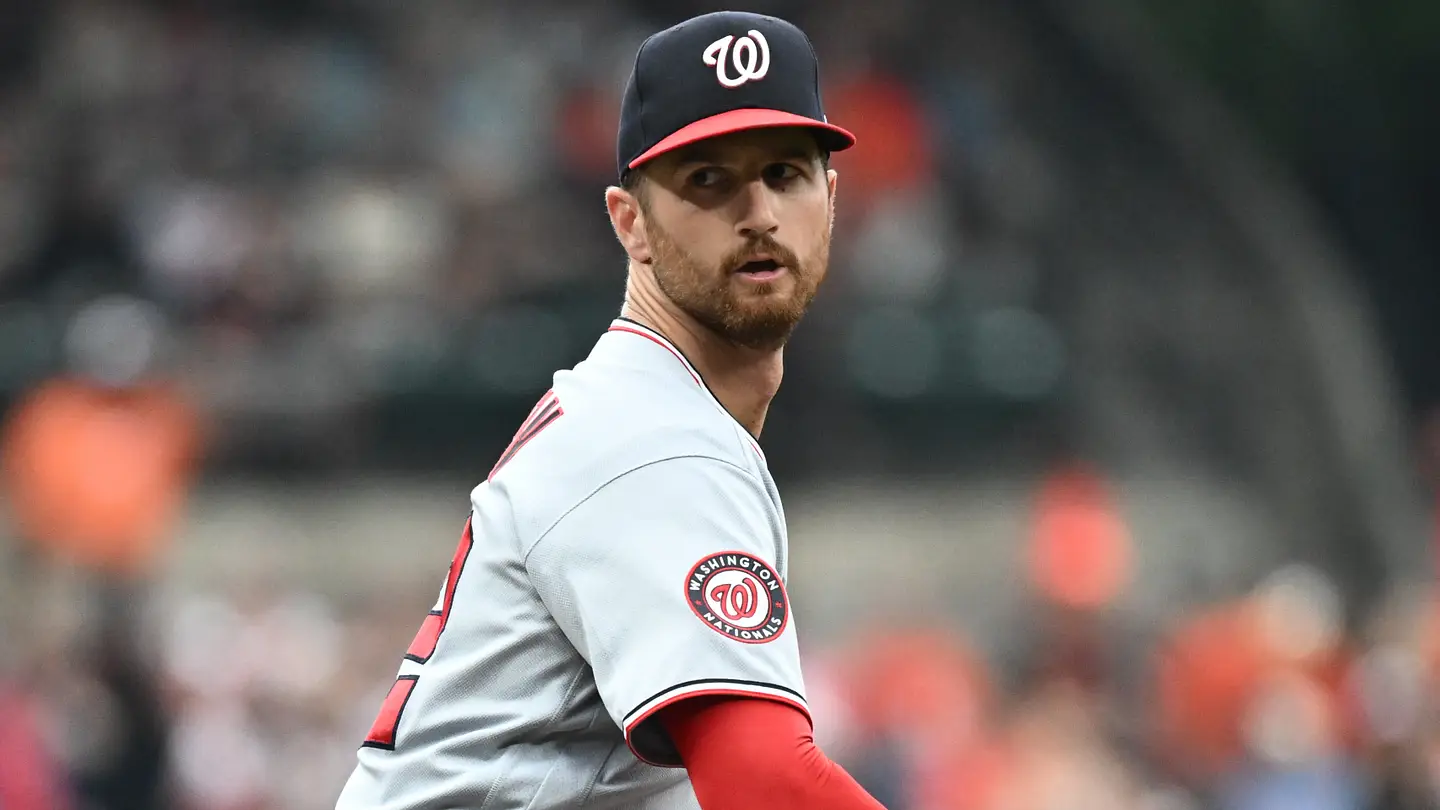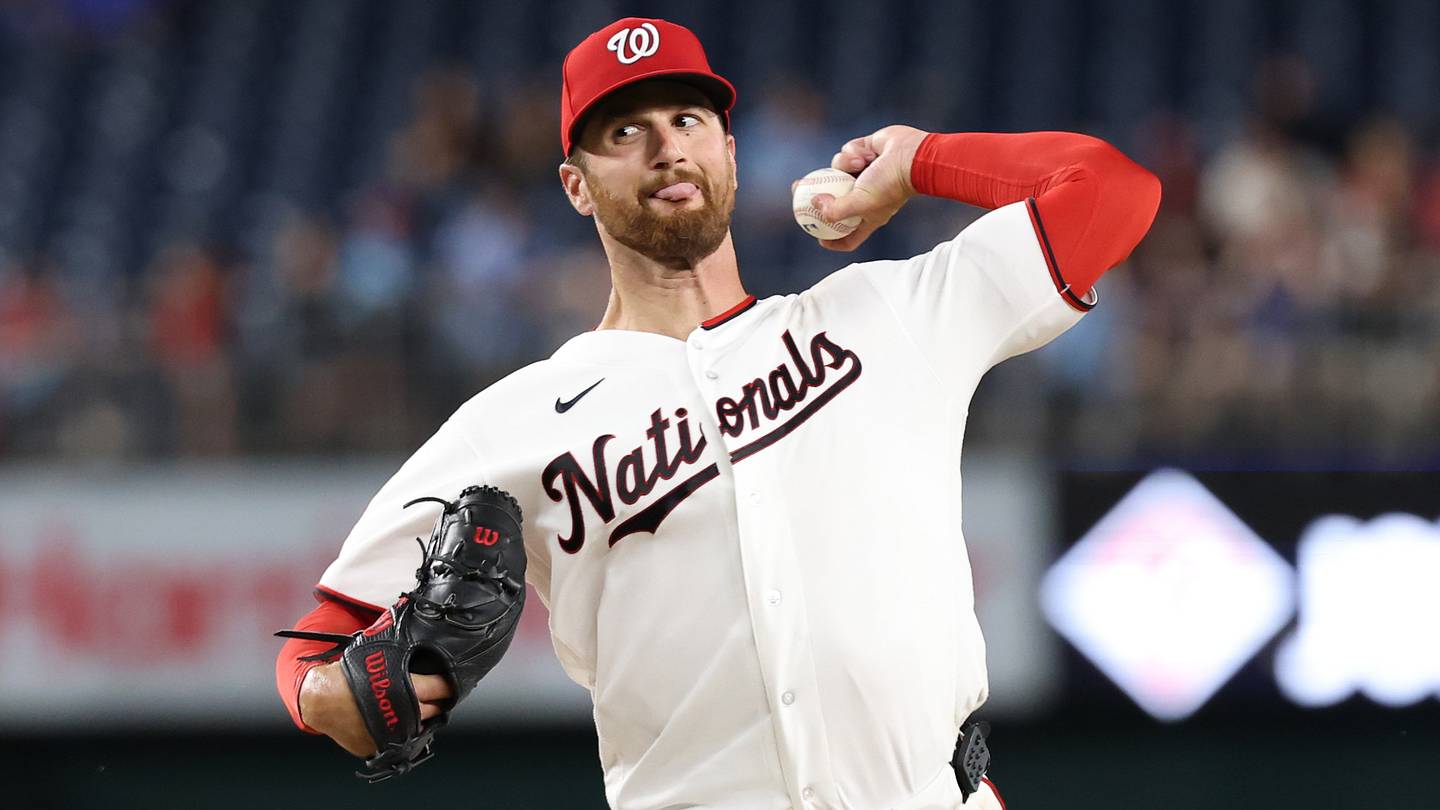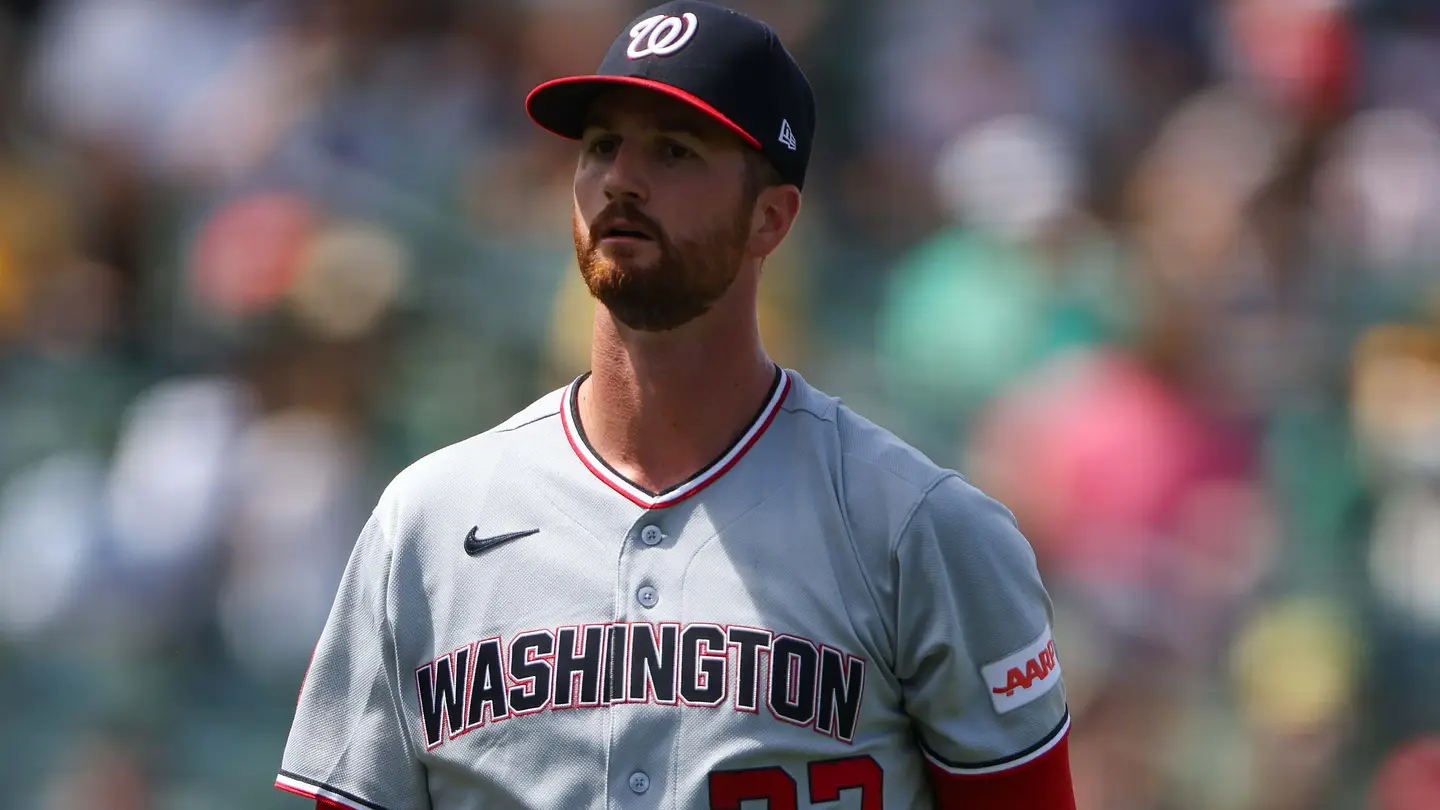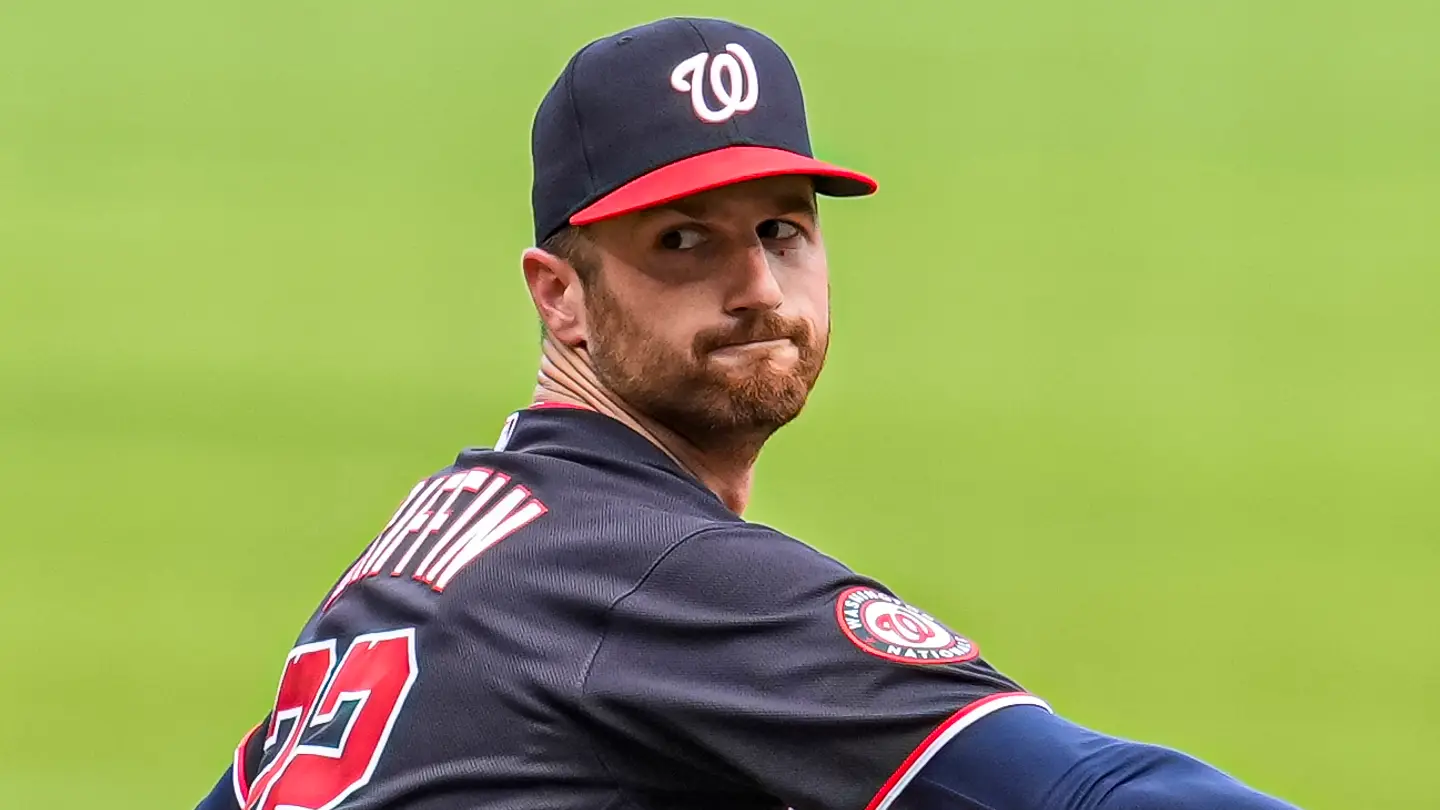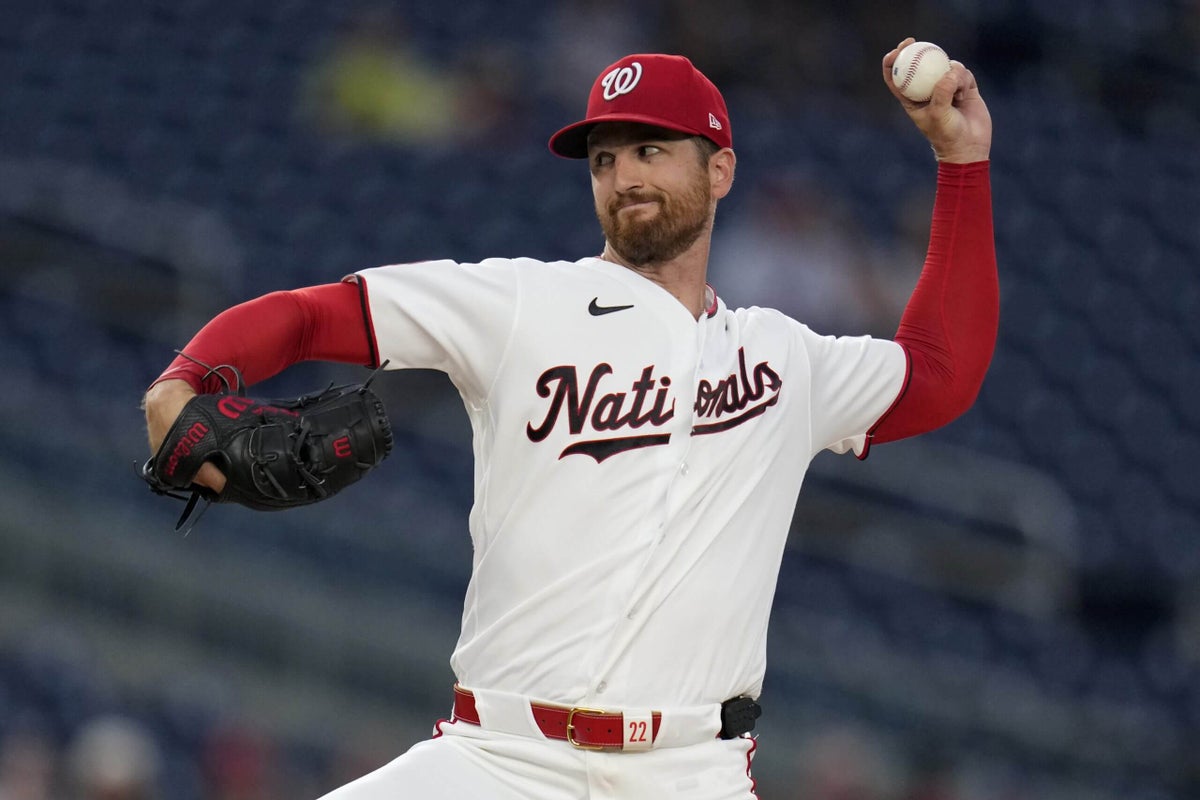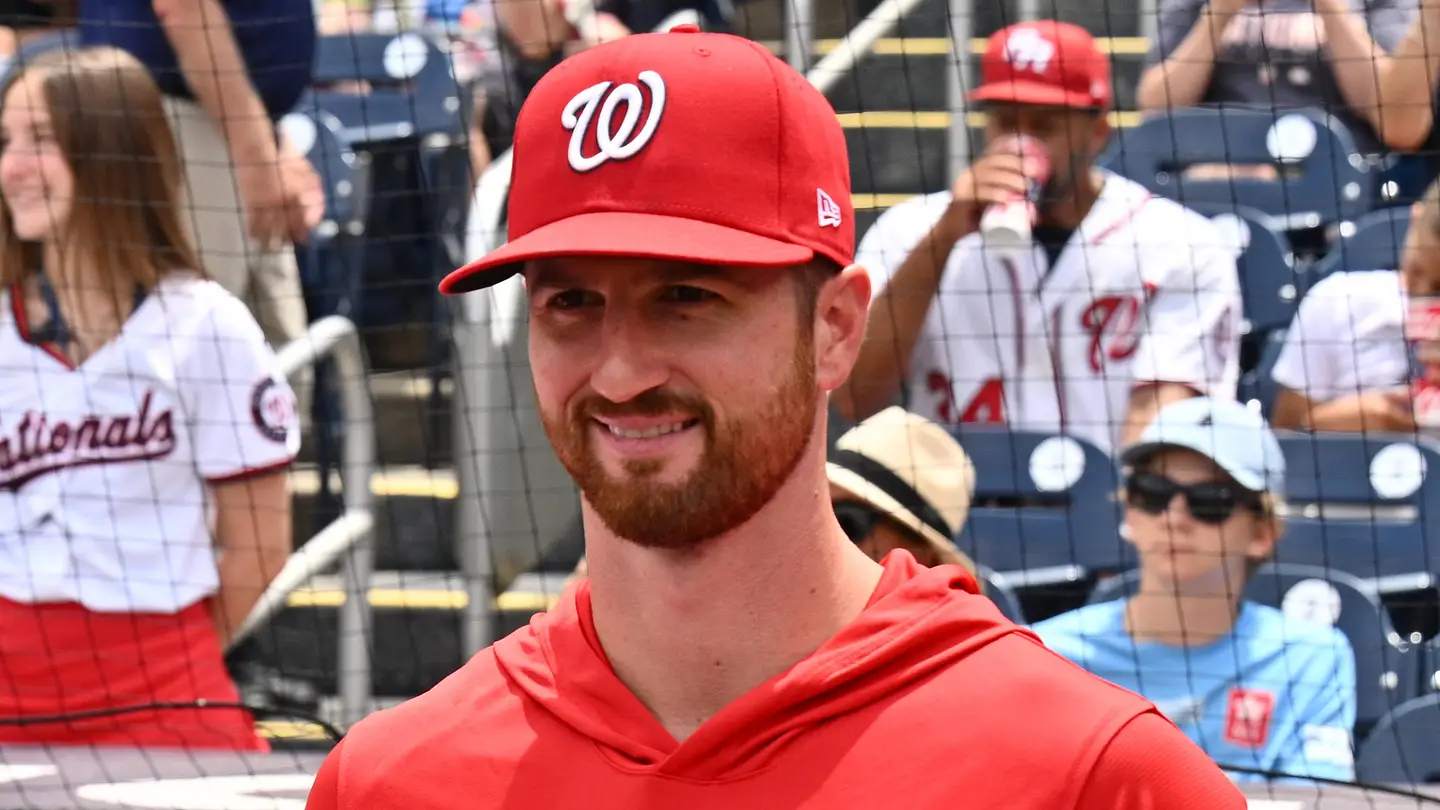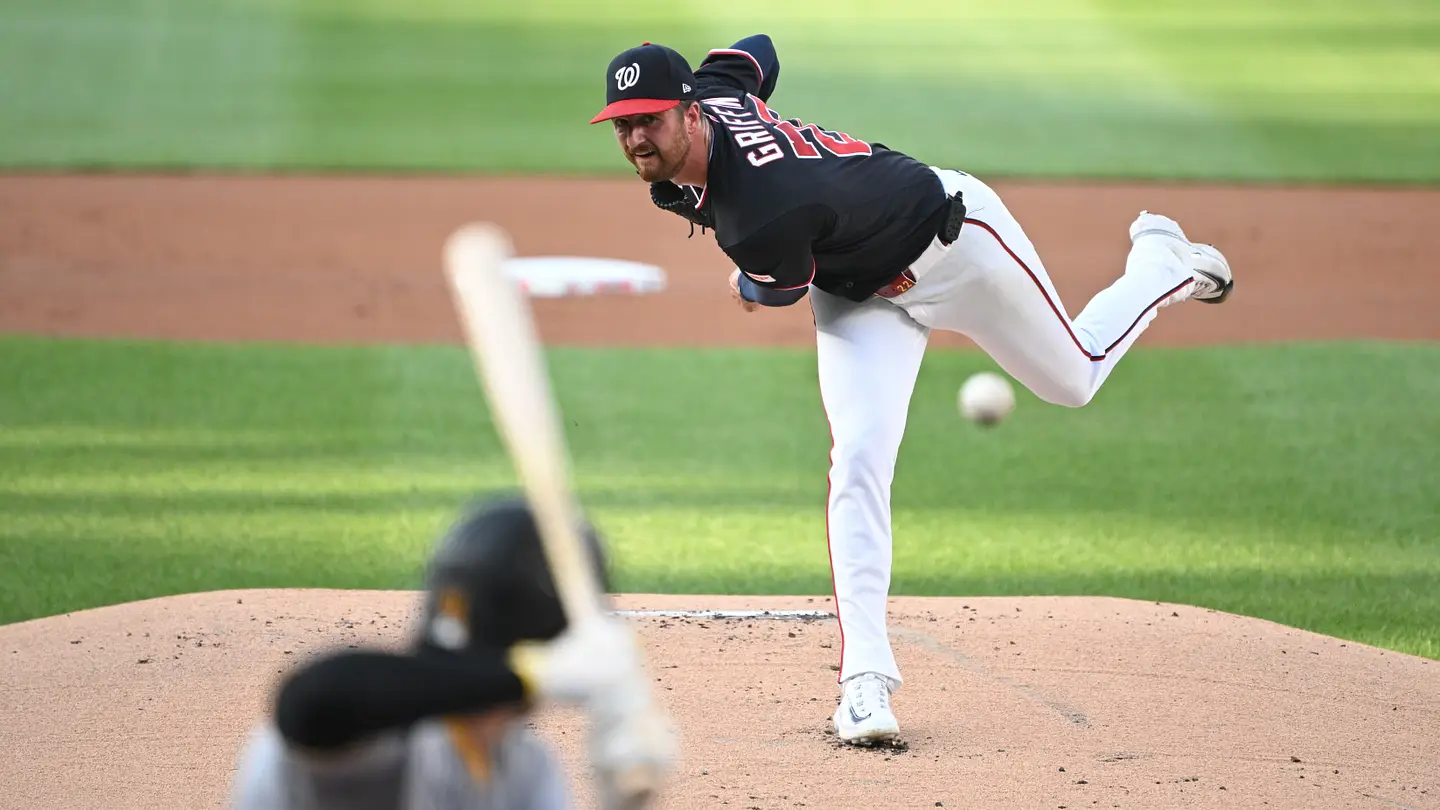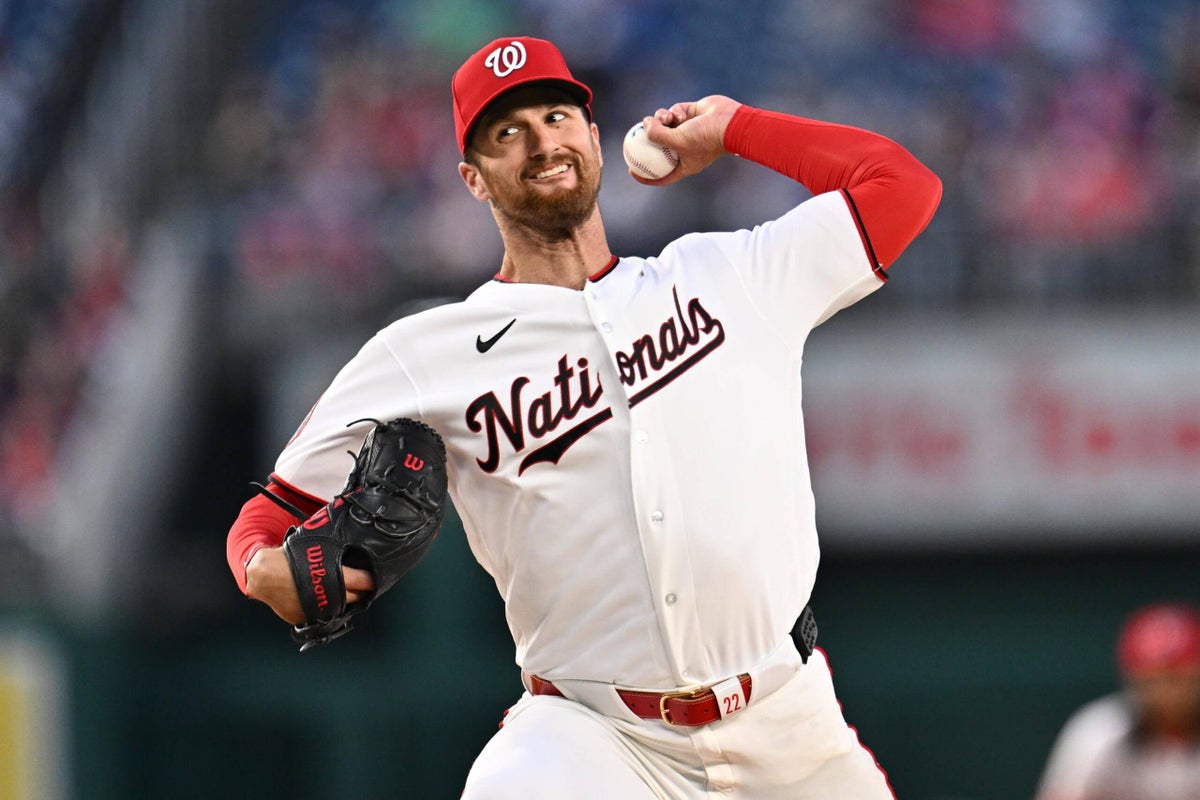
Foster Griffin’s next start is scheduled for Friday in Atlanta, part of a four-game series that will go a long way toward determining how the rest of the 2026 season will play out for his Washington Nationals.For the Nats — blink your eyes again, because they’re still in the hunt for the postseason as August approaches — Griffin’s starts are filled with optimism. He has taken the mound 21 times this season. The Nats have won 17 of those games.In short, the 31-year-old lefty — who went from obscurity after three years in Japan to the All-Star Game this summer — is a huge reason the Nationals are unexpectedly playing meaningful games as Monday’s trade deadline approaches. The trick for Washington President of Baseball Operations Paul Toboni: Make sure that’s still the case as that deadline comes and goes, ideally with Griffin making another start in a Washington uniform next week in Philadelphia.Look, this trade deadline is so different than all those gone by for the Nats this decade. The recent modus operandi, because of their position in the standings and the state of their minor-league system, has been to spend the offseason signing veteran players to one-year deals, hoping they perform well from March to July, and then shipping out the rentals when desperate teams come calling for spare parts.That’s how Mike Rizzo and his front office turned Jon Lester into Lane Thomas. It’s how Jeimer Candelario became DJ Herz. It’s how Amed Rosario begat Clayton Beeter. It’s the way a losing team does business.Why haven't there been many MLB trades yet?Andy McCulloughThe Nationals — 55-54 after Wednesday’s 5-2 loss to the Toronto Blue Jays — are no longer a losing team. So they shouldn’t act like one. One way to do that: Keep Griffin, and maybe beyond the next two months.Now it should go without saying that Toboni’s job is to listen to any offer. That includes Griffin, sure, but it also includes the much larger fish in the Nationals’ suddenly stocked pond. It includes Luis García Jr., the first baseman with a career-high 22 home runs, an .860 OPS and another year of club control to make him more attractive. And it includes — gulp — CJ Abrams, the shortstop who leads the majors with 82 RBI and the National League with a .561 slugging percentage, and who doesn’t become a free agent until after 2028.García and Abrams join outfielder James Wood as the primary drivers behind the Nationals’ best-in-baseball offense. Watching either or both walk out the door would be difficult for the front office and the fanbase. But hypothetical trades can’t be evaluated without knowing what the return haul would be — and how those players coming back would impact Washington for the remainder of 2026 and into the future. There’s a world in which trading any player can make sense.Which brings us back to Griffin. There was a time in the Nationals’ evolution — amid what now feels like an eternal rebuild — that trading Griffin and his 2.76 ERA and 1.032 WHIP would have been obvious. They merely had to see what team offered the best prospect, and pull the trigger. What’s the point in keeping a player on an expiring contract for a team that would lose 90 to 95 games?But these Nationals aren’t on pace to lose 90 to 95 games. Shoot, depending on how the deadline goes down, they could win somewhere between 85 and 90. Which means every Griffin start in August and September would have a direct impact on whether they can push through to the postseason. That alone should be enough to keep him around.But why not take it a step further? Griffin’s story is quietly one of the best in baseball this year. The former first-round pick of the Kansas City Royals endured Tommy John surgery, was designated for assignment, then traded to Toronto, then signed with the Yomiuri Giants. When the Nats signed him to a one-year, $5.5 million deal that brought him back stateside, who could have been sure how his insane, soft-tossing, seven-pitch mix would work in the big leagues?Such a journey can give a player perspective.Couldn’t the Nats take advantage of that? Why not hold onto Griffin through the deadline — again, assuming no one offers an irresponsible package in return — and then make him a real offer of an extension? That should be three years for, say, somewhere from $36 million to $42 million, at least. For a 31-year-old who has had ligament replacement surgery in his elbow and literally played around the world, wouldn’t that seem like life-changing, family-securing money? And for the Nats, wouldn’t shoring up a spot in the rotation with a proven, affordable commodity go a long way toward competing again in 2027 — and beyond?As Monday looms, Toboni and his underlings are in an interesting spot. Their team has over-performed, and they can’t be considered the obvious sellers they figured to be when the season began. Griffin helped put them in that position. They should make sure he does that not just start after start, but year after year.
The Nationals might be tempted to trade Foster Griffin. Here’s why they shouldn’t
The All-Star left-hander could help any contender, but Washington is a contender, too.
870 words~4 min read