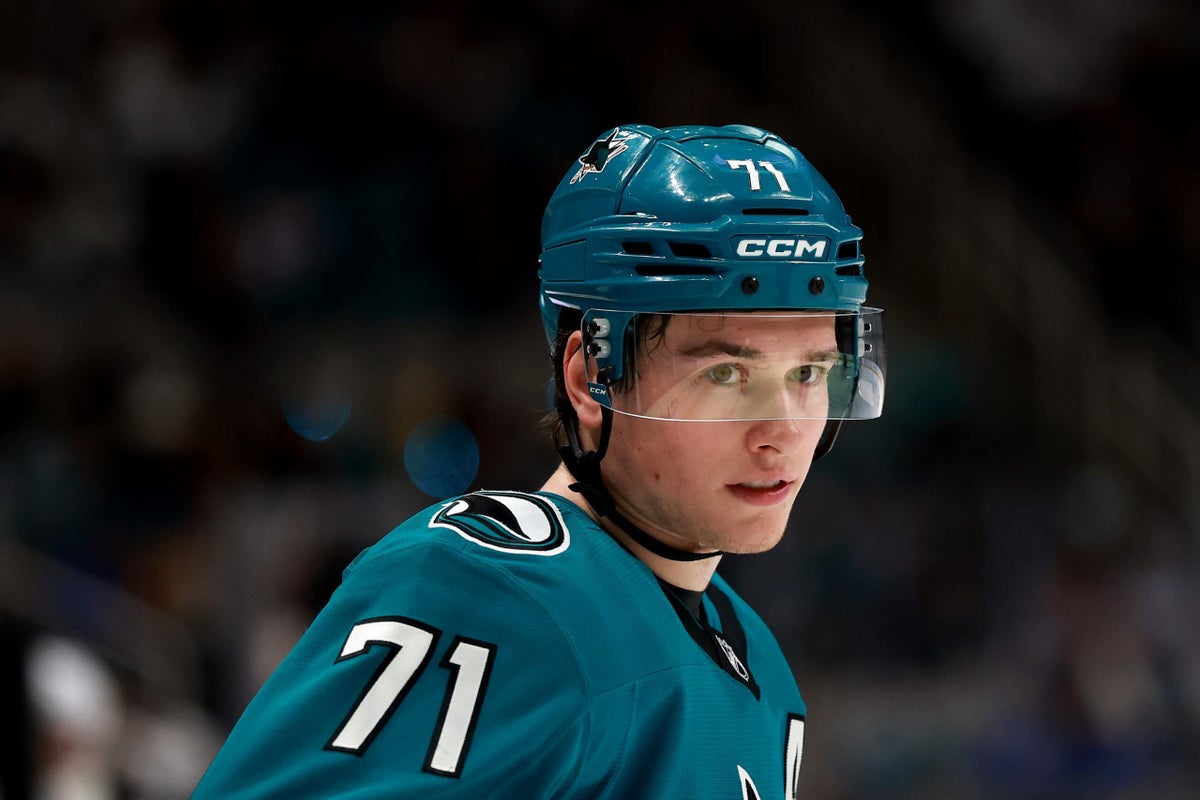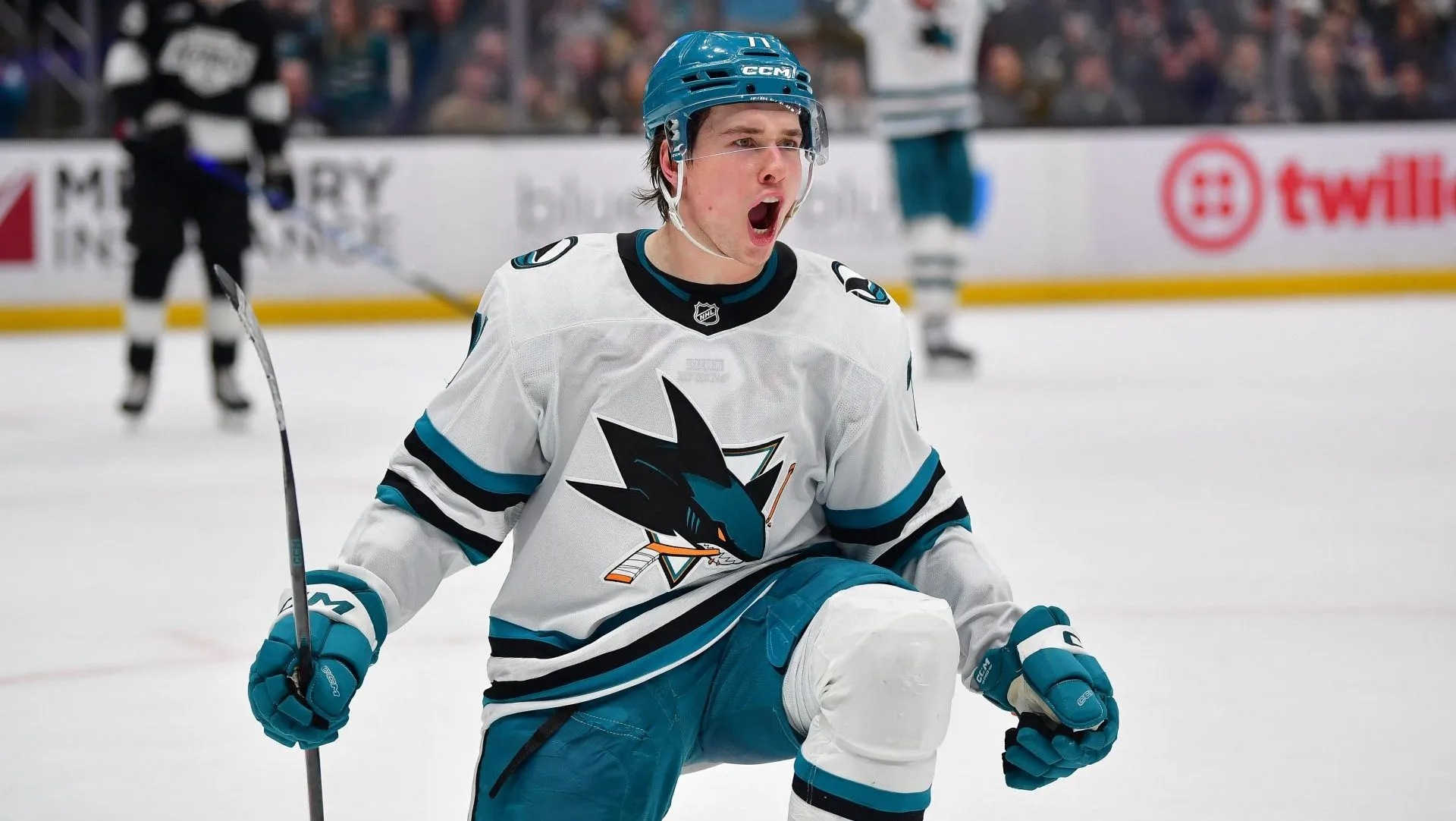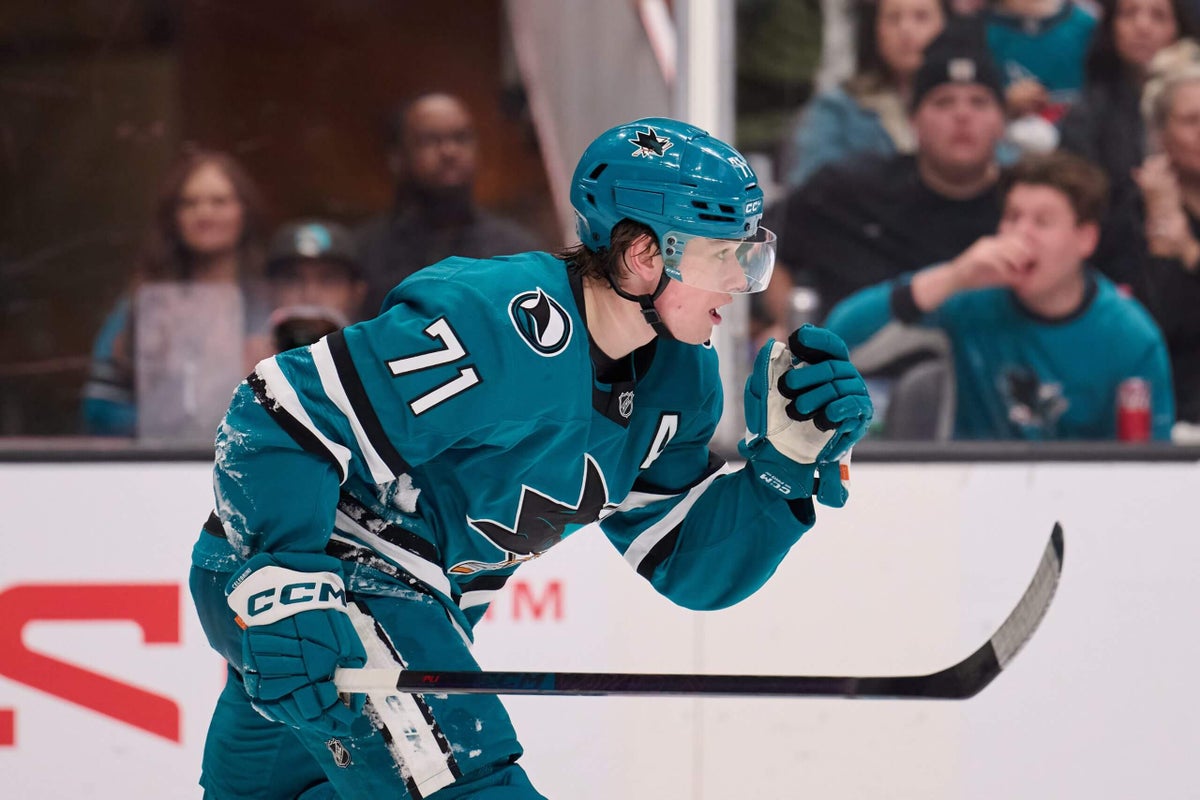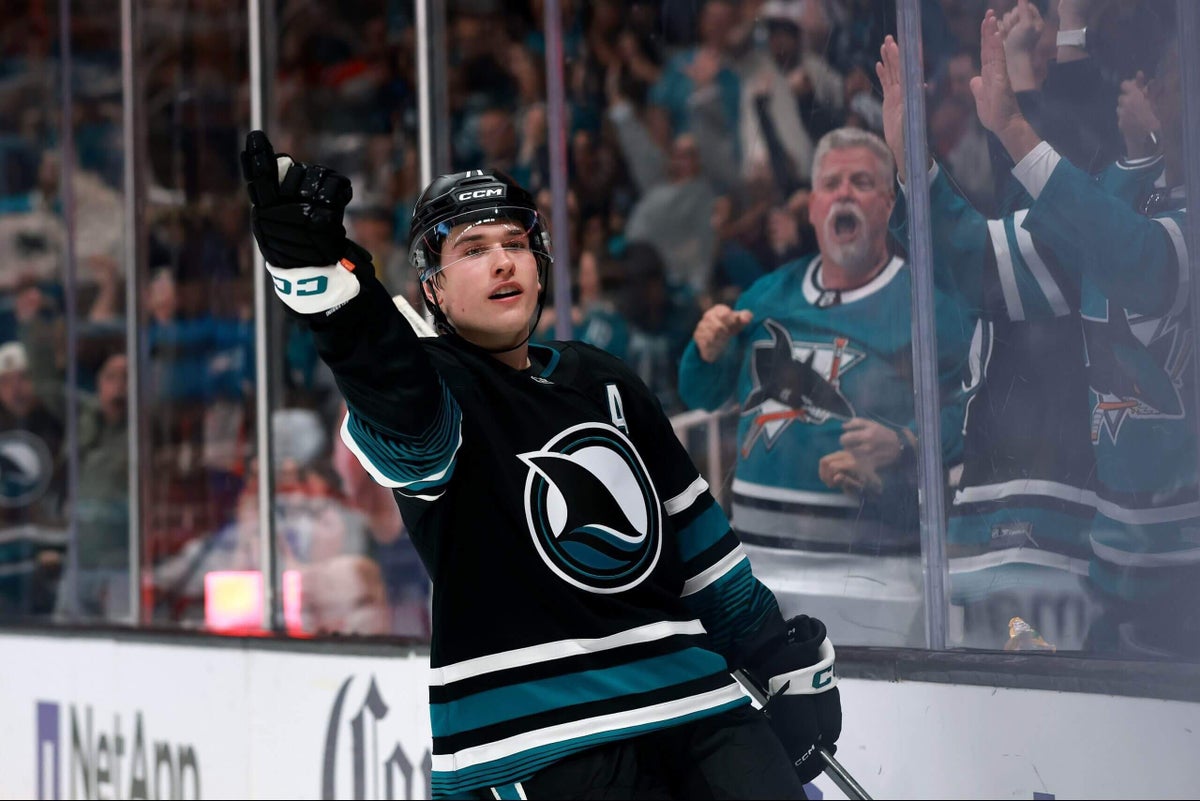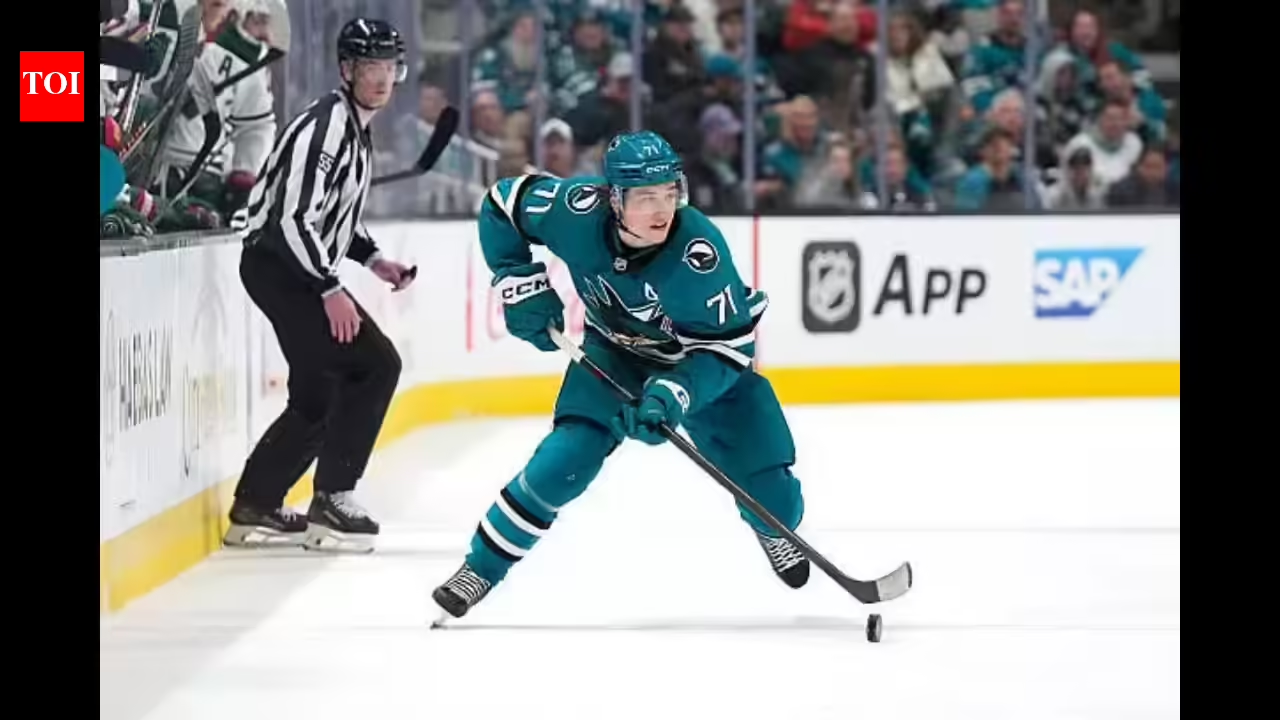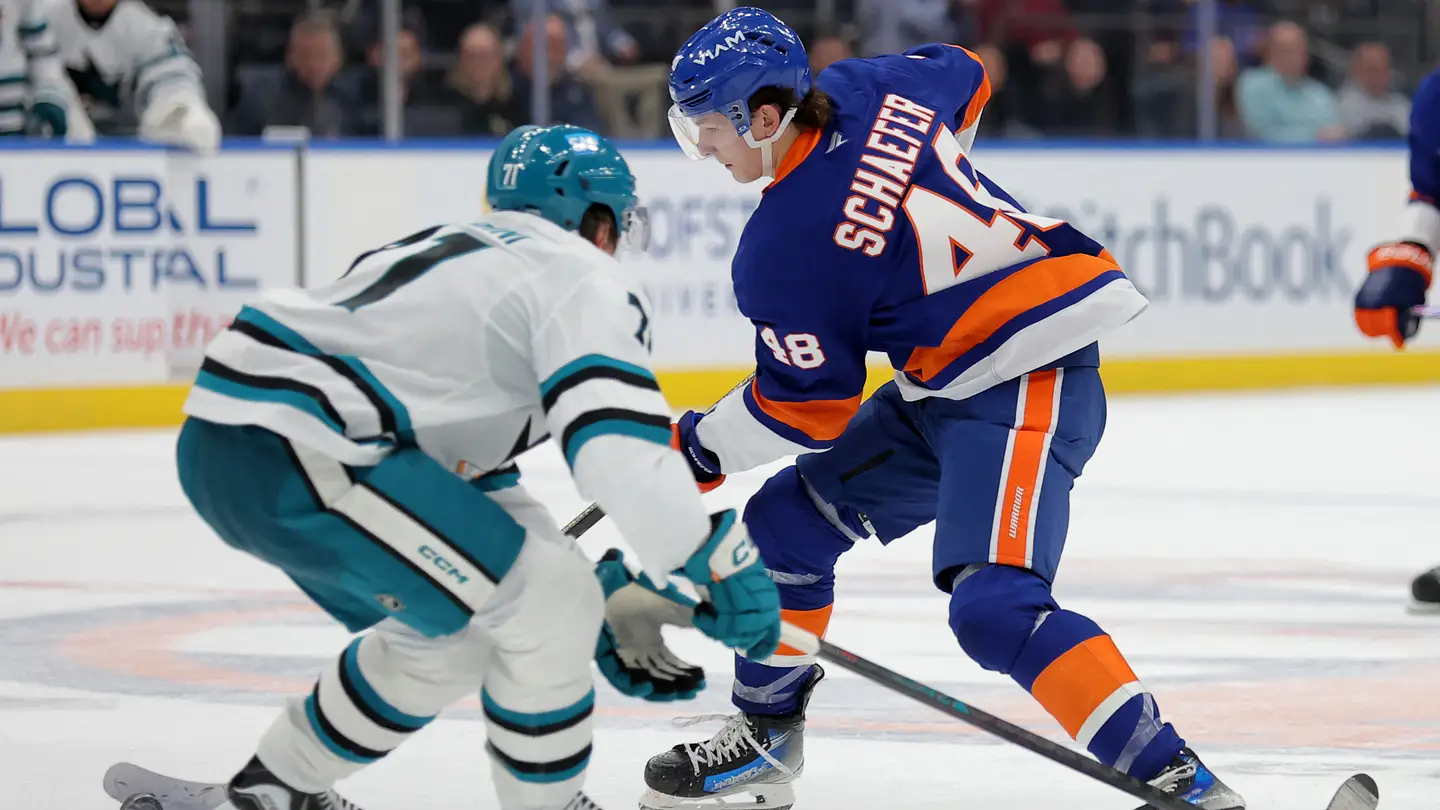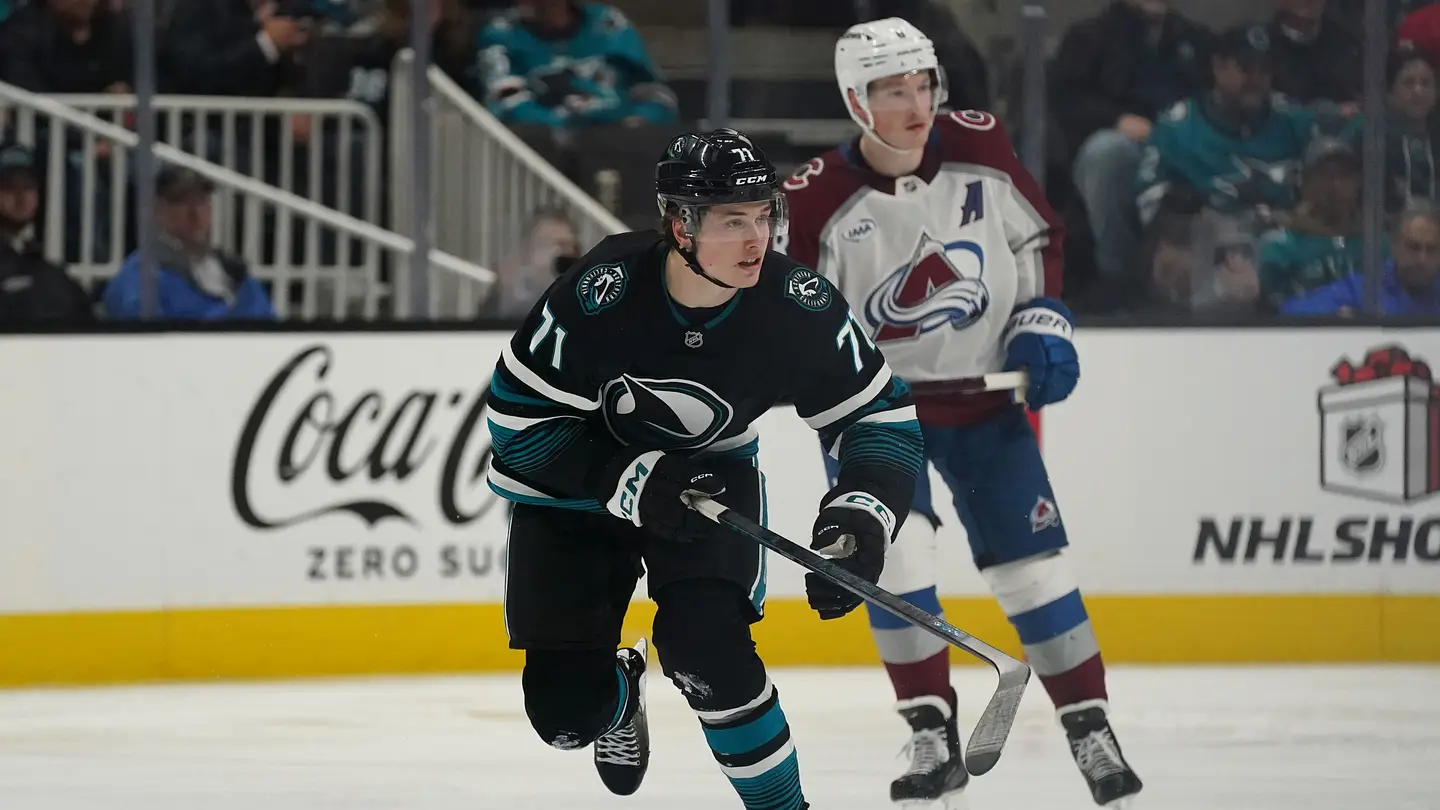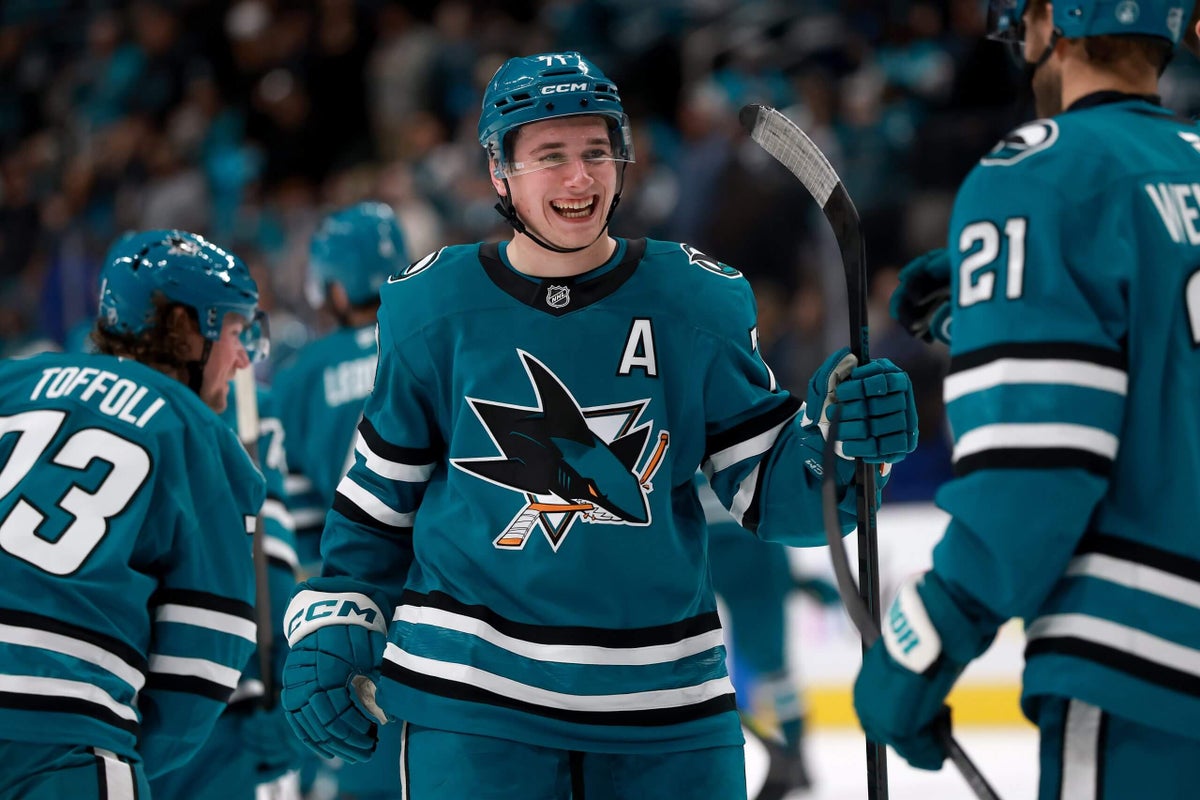
If the historic offer sheet Leo Carlsson signed a few weeks ago was considered an earthquake that shook up the NHL, then Macklin Celebrini’s new $94 million contract extension with the San Jose Sharks stands out as one of the first major aftershocks.It also cements just how quickly and dramatically the NHL’s longstanding salary norms are changing.The reality is that Celebrini was always going to get paid. He could have waltzed into general manager Mike Grier’s office on July 1 and asked for the max — a cap hit of $20.8 million, or 20 percent of next season’s $104 million salary cap — and San Jose would’ve had no choice but to get a deal done.As a franchise player of his caliber, coming off a 45-goal, 115-point season that made him a Hart Trophy candidate as a teenager, Celebrini holds the cards, especially in the NHL’s new world order. Ultimately, in extending for five years beyond his entry-level deal, which expires after 2026-27, the 20-year-old center cut the Sharks a break by taking $18.8 million per year — a $2 million discount from the max, and only $800,000 more than Carlsson’s annual cap hit with the Anaheim Ducks.Can that $18.8 million, which is set to make Celebrini the league’s highest paid player, be considered fair market value? The better question at this point: What even is market value?He could be the NHL's best teenager since Sidney CrosbyHarman DayalThe NHL’s previous high-water mark for a second contract was set by Connor McDavid nearly a decade ago. His 2017 extension was an eight-year deal for $12.5 million a season against a $79.5 million salary cap, which equates to 15.7 percent. Celebrini’s deal exceeds that by paying him 16.6 percent of the $113.5 million cap in 2027-28, the first year of the deal, and he only committed for five years, not the eight to which the Edmonton Oilers locked up McDavid (then already a Hart winner as a league sophomore).So how does Celebrini earn a higher percentage of the cap ceiling, over fewer years, than the greatest player of the era?The Carlsson number is obviously one factor. It’s a game changer that teams are more willing to contemplate offer sheets in an environment where unrestricted free agency is so hollowed out, as it puts immense pressure on teams to fend off such bully offers. No GM who has suffered through bottom-feeding seasons to draft an elite talent like Celebrini wants some middle-of-the-first-round picks in exchange, meaning they would have no choice but to match.So Carlsson getting $18 million likely pushed Celebrini’s number up another $1 million — especially given Celebrini would have been eligible for a $22.7 million cap hit on an offer sheet a year from now. Some team would have likely taken that swing, but San Jose was never going to let it get that far.
Why Macklin Celebrini’s contract spells the end of long-term deals for young NHL stars
It used to be that GMs could expect to save money on restricted free agents, and that going long made sense for those players. No more.
1,276 words~6 min read