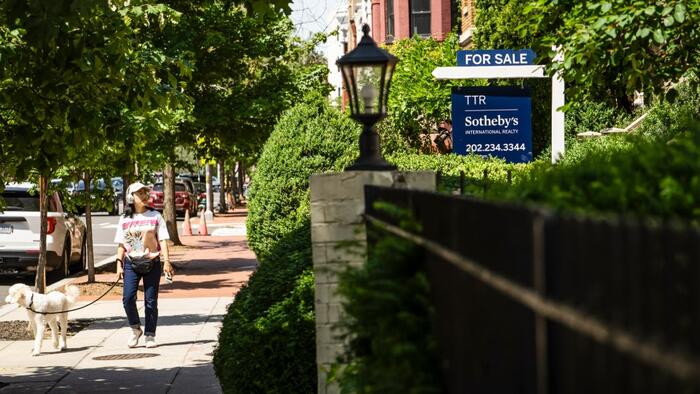
As Congress finalizes the largest housing bill in decades, new industry data and independent housing research are complicating the political narrative that fueled it — suggesting the crackdown on institutional single-family investors may do little to fix affordability while cutting off a rental supply source that had quietly been helping cash-strapped young renters.
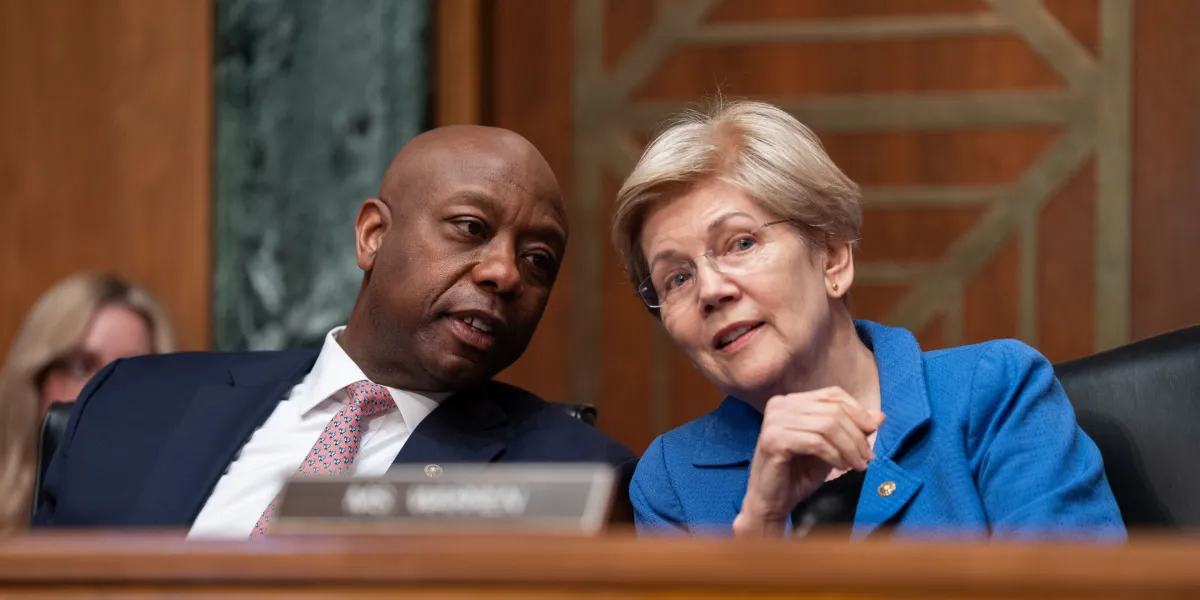
The 21st Century ROAD to Housing Act, which combined House and Senate housing packages and passed with rare bipartisan support from lawmakers including Sen. Elizabeth Warren, Sen. Tim Scott, Rep. Maxine Waters and Rep. French Hill, restricts how many single-family homes large institutional investors can own and imposes new reporting requirements. The bill followed a wave of more than 76 state-level bills in 2026 targeting corporate landlords, reflecting bipartisan appetite for action on an issue voters rank among their top financial anxieties.
The political rhetoric behind the crackdown has been unusually blunt for a bipartisan bill. “These Wall Street types are swooping in to buy up a bunch of single-family homes that should be going to you, to families,” Sen. Elizabeth Warren said in describing the law’s intent. “Let’s be honest, most Americans just can’t outbid a Wall Street billionaire private equity firm. Once private equity owns these homes, they become bad landlords. They raise the rents, charging exorbitant fees, leaving maintenance requests unanswered, and filing unfair evictions.”