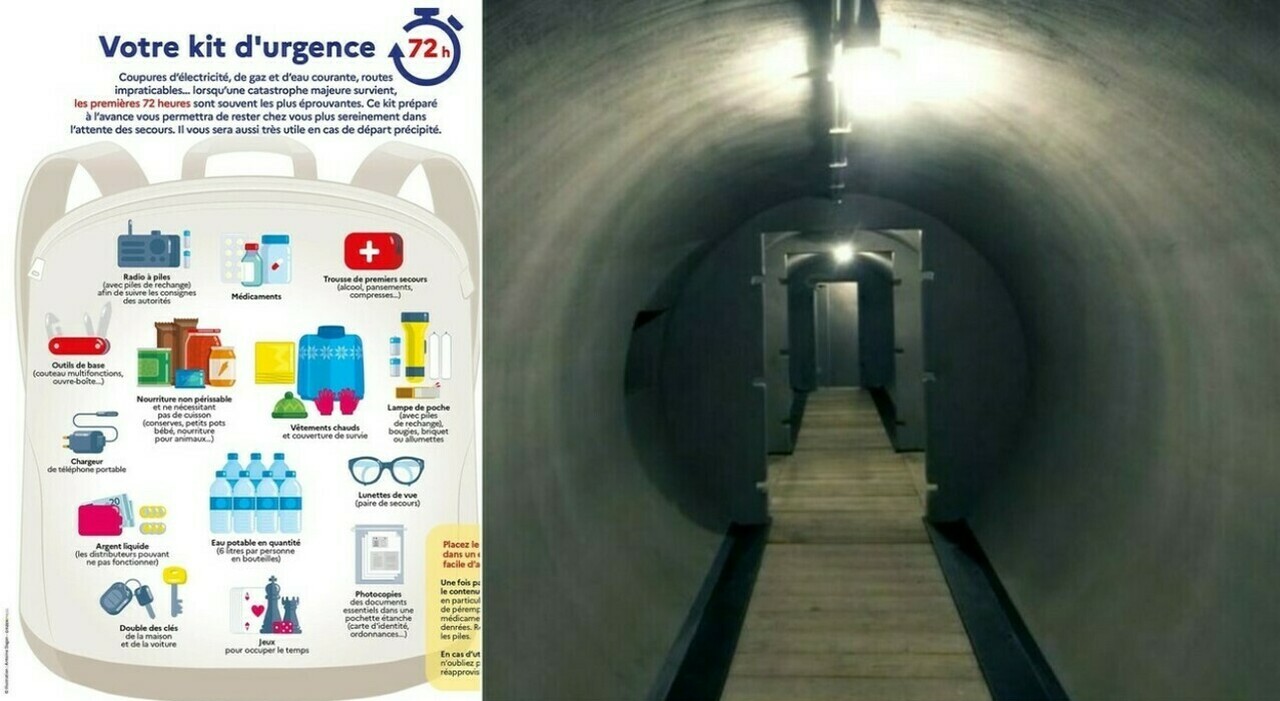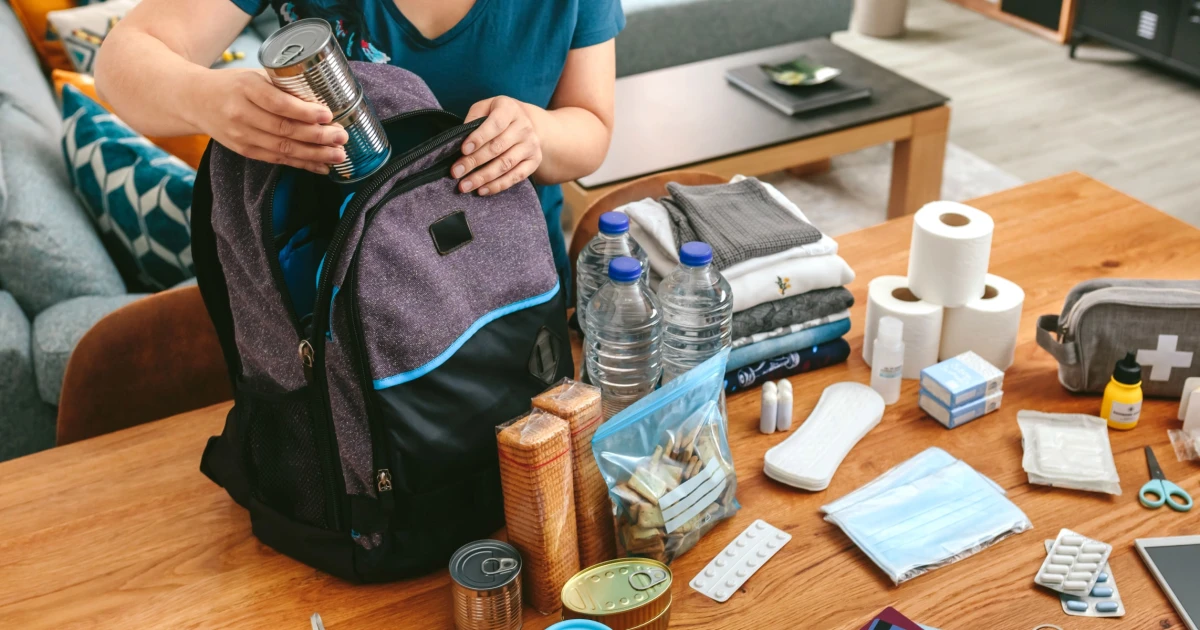
The European Commission outlined guidelines for at least 72 hours of population self-sufficiency during an extreme disruption as part of its preparedness union strategy. For me, that raises a question no emergency kit can answer: who helps me out of bed if personal assistance fails?
I depend on personal assistance around the clock. Through my work on disability inclusion and crisis preparedness, I have seen how quickly a formal right becomes unusable when the support beneath it breaks. A crisis does not need to repeal a right to remove it in practice. It only needs to interrupt the assistance, transport, electricity, communication, or medication that makes the right exercisable.
The EU has begun to recognise this problem. Its Preparedness Union Strategy calls for accessible crisis communication and 72-hour self-sufficiency guidance. The Commission’s enhanced disability strategy adds gap analysis, guidance and training for first responders. These are serious advances.
But recognition is not yet an operational test.
A regional diagnostic covering 38 European countries found that disability inclusion in emergency preparedness remains uneven, fragmented and largely discretionary. Policy commitments often lack operational detail, participation by organisations of persons with disabilities is frequently ad hoc, and continuity of support remains a persistent weakness.