History is often told through the stories of wars, treaties and rulers. Yet the true life of a society lies within its homes, streets, celebrations, ways of raising children, everyday customs and human relationships. This is precisely why memoirs remain indispensable sources for historians: they illuminate the spaces where official records fall silent. "Memoirs of an Arabian Princess from Zanzibar" is not merely an autobiography, but a remarkable historical testimony that offers an insider's account of the social, cultural and intellectual world of 19th-century Zanzibar.
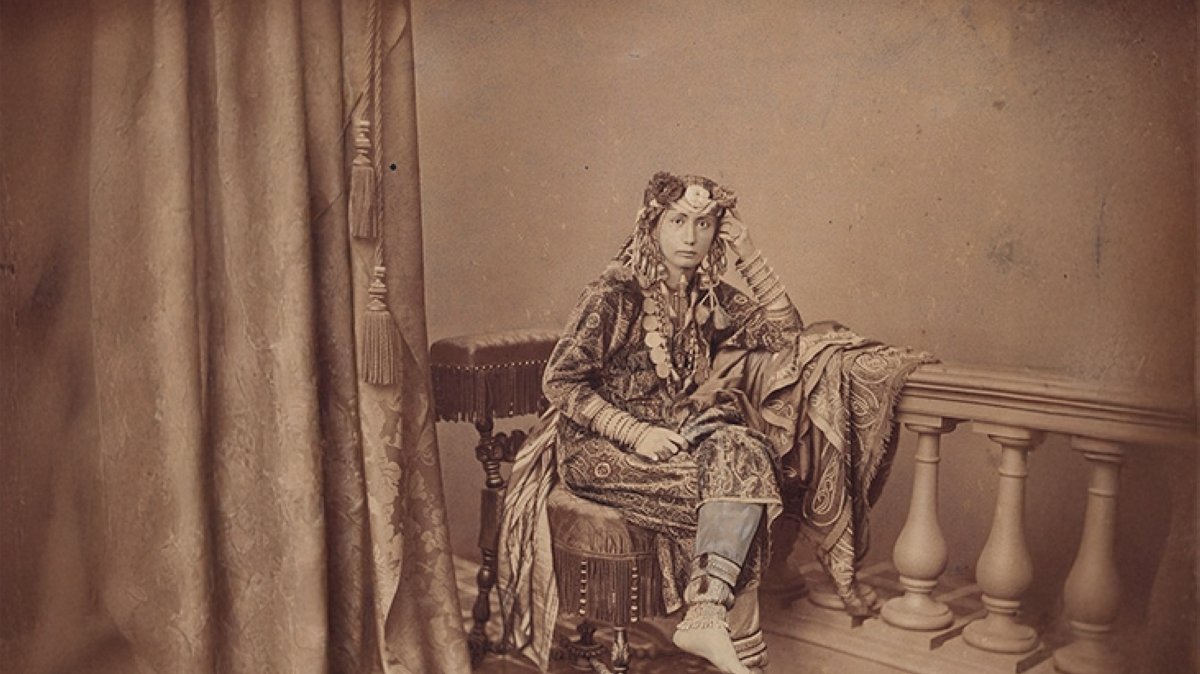
Its author, Sayyida Salme bint Said, later known as Emily Ruete, was the daughter of Sultan Said bin Sultan of Zanzibar. Raised in the island's royal palaces, Salme later married the German merchant Rudolph Ruete and spent the remainder of her life in Germany. Written during her years in exile, the memoir was first published in German in 1886 and holds a significant place in both world literature and historiography as the first known autobiography written by an Arab woman.
Yet the book was never intended simply as a recollection of a princess's childhood. Living in Europe, Salme witnessed firsthand the misconceptions Europeans held about Zanzibar and Arab society. She felt a responsibility to explain the world in which she had been born and raised through her own voice. As a result, the memoir can be read not only as a personal life story but also as an attempt to build a dialogue between cultures.