READ MORE: Tinnitus warning over breathing exercise pushed by Wim HofSee more Daily Mail on Google - save us as a Preferred SourceBy ZOE HARDY, HEALTH REPORTER Published: 10:27 BST, 30 July 2026 | Updated: 10:42 BST, 30 July 2026
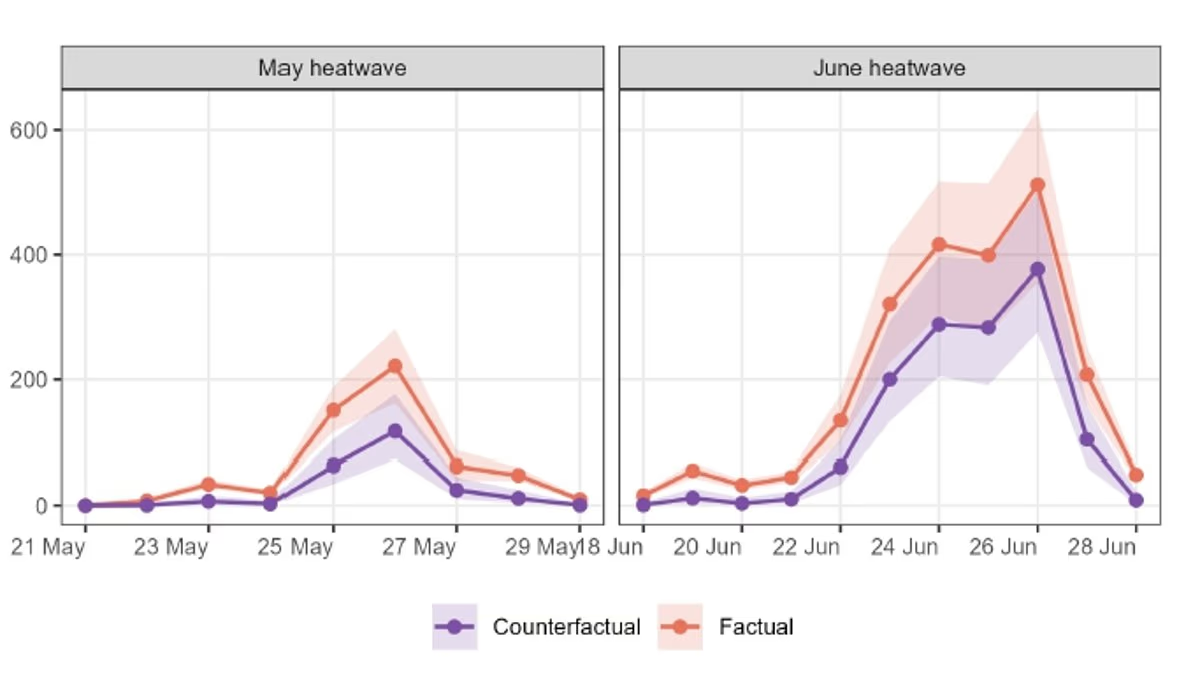
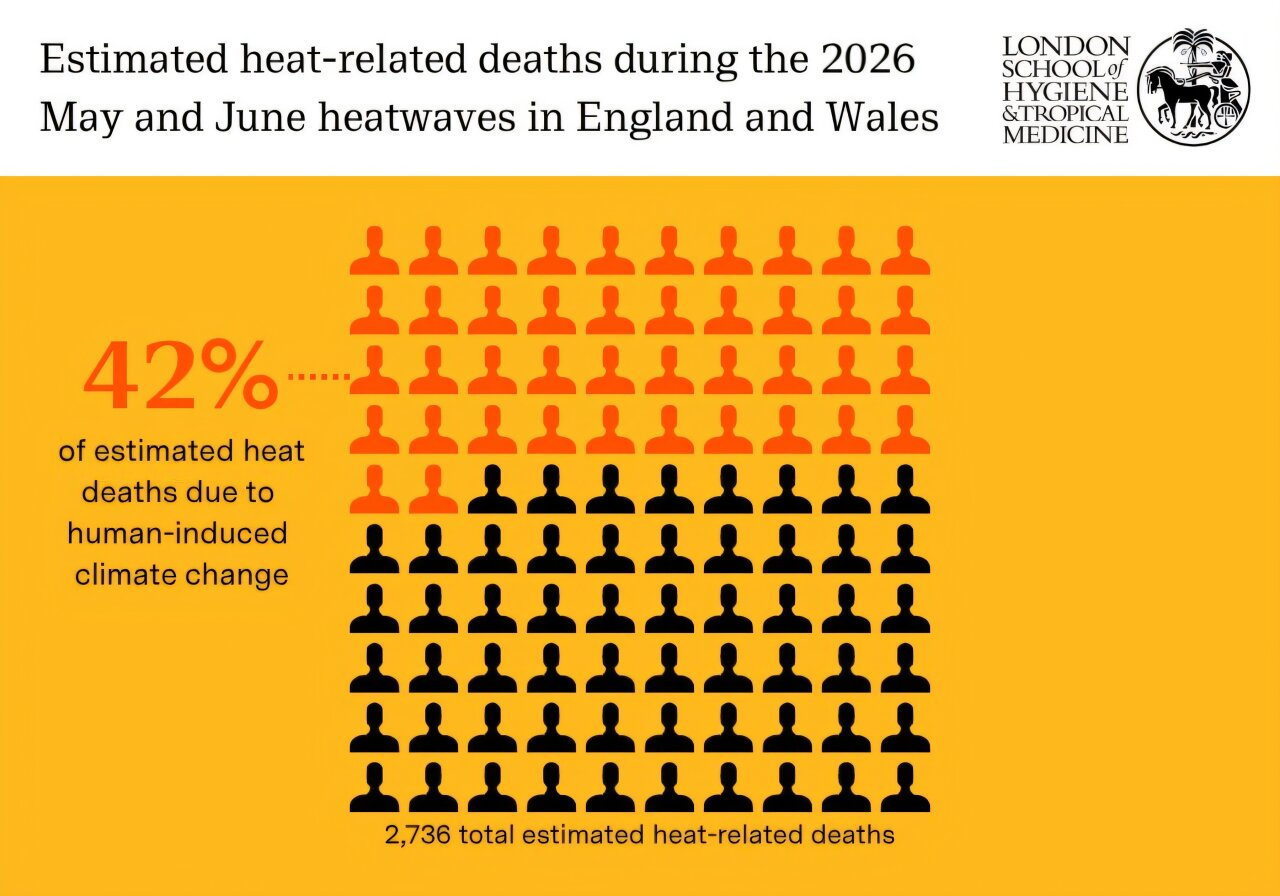
Deaths in Britain linked to soaring temperatures in May and June this year were almost double the entire figure for 2025, with 2,877 deaths linked to hot weather, new data has revealed.The UK Health Security Agency (UKHSA) published the report following two 'exceptional' heat events, with record-breaking temperatures taking a considerable toll on public health. Last year, there were 1,504 heat deaths recorded.Across May and June this year there have already been 2,877 heat-related fatalities, with numbers expected to rise. An estimated 753 deaths were associated with the heatwave between 24-27 May, which occurred 'unusually early' in the year following a period of cooler weather. A further 2,124 deaths have been linked to sustained high temperatures in June. The UKHSA says these are early estimates, but already suggest heat deaths are rapidly approaching the annual record reported in 2022. Britain experienced its hottest ever June day last month after temperatures reached a blistering 38C.Amber and yellow heat health alerts are currently in place, as parts of the UK endure the fourth heatwave of the year so far. A heat episode is defined as days when the average temperature in England is at least 20C. The May heatwave saw a maximum temperature of 35.1 in Kew Gardens, London whilst average temperatures sat at around 23.2C. Daily deaths over this period peaked on 26 May, the hottest day of the heatwave. The June heatwave lasted even longer, from 21 to 28 June, resulting in approximately 266 heat-related deaths a day. 'The estimated 2,877 heat-associated deaths observed across the May and June episodes represent a substantial public health impact,' the UKHSA states. 'The timing of these events are particularly noteworthy. 'Early-season heat can pose particular risks as unusually hot weather may occur before people, communities and services have fully prepared and are ready to respond to hot weather conditions.'