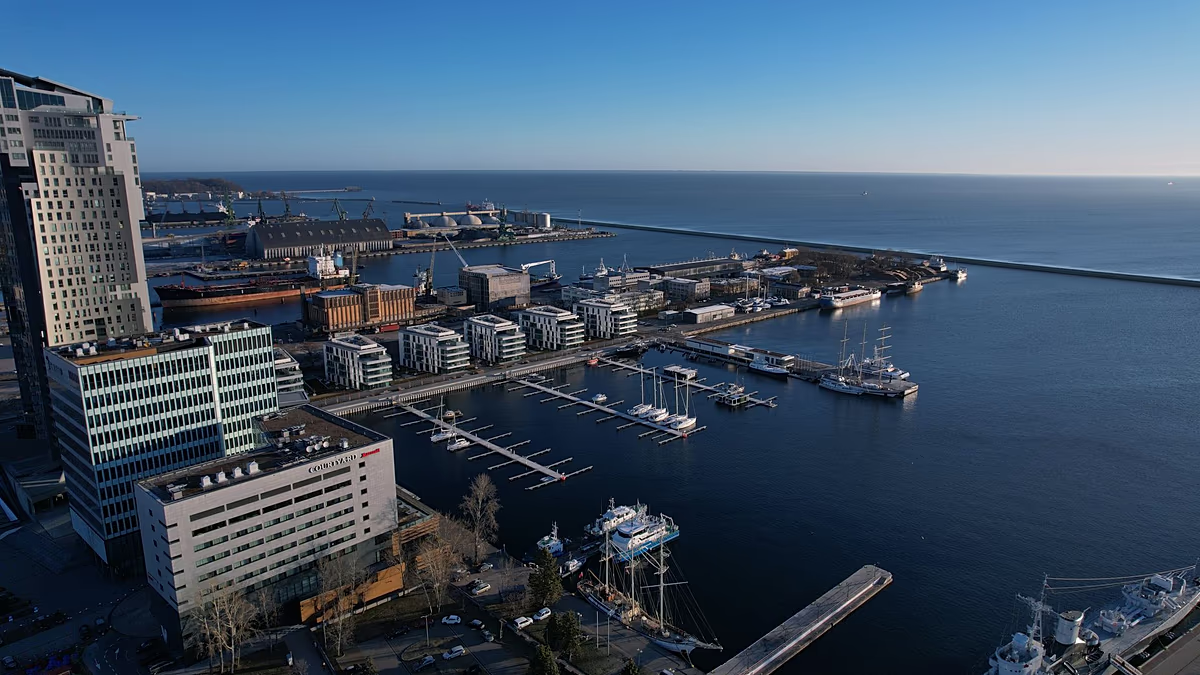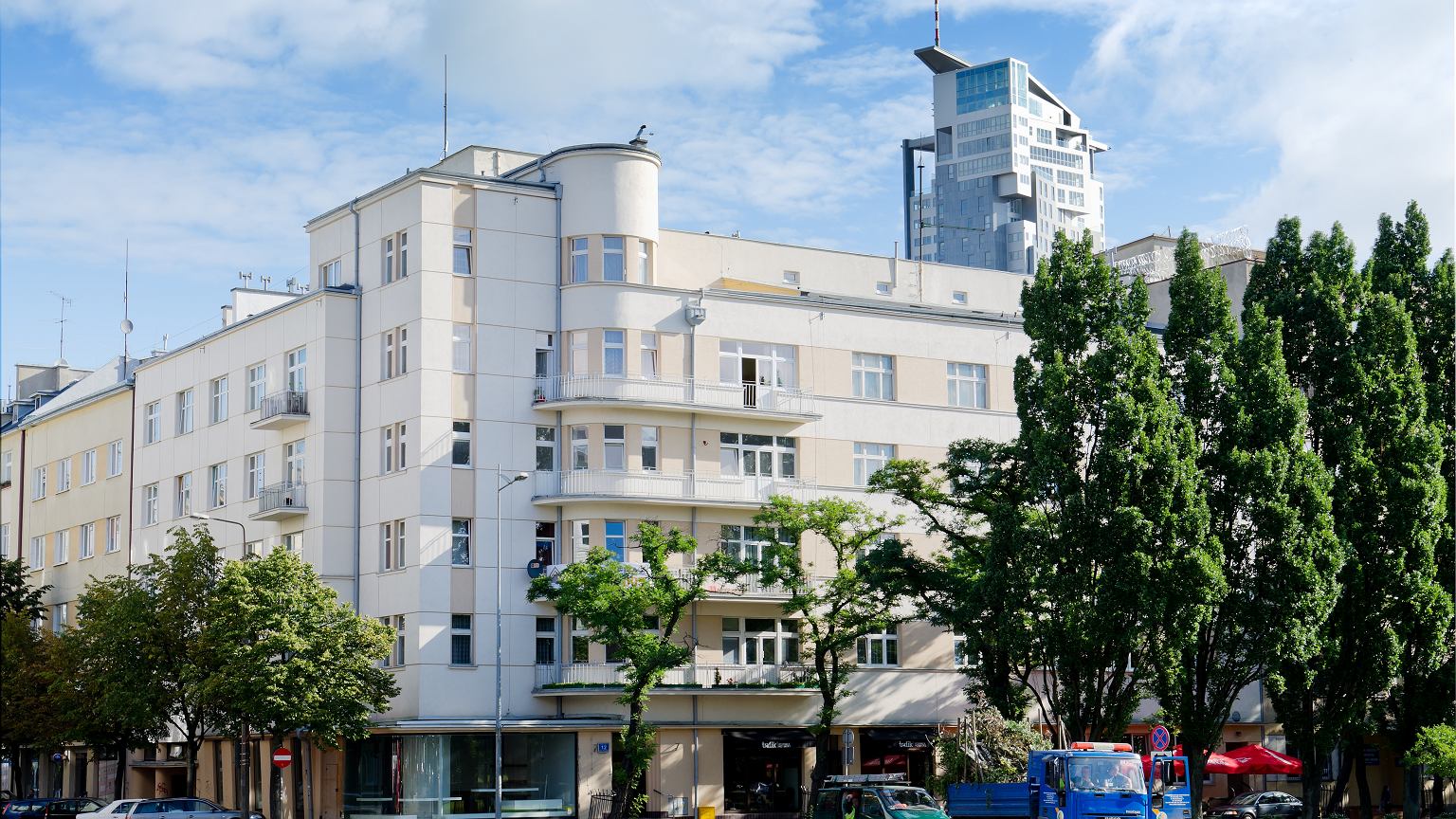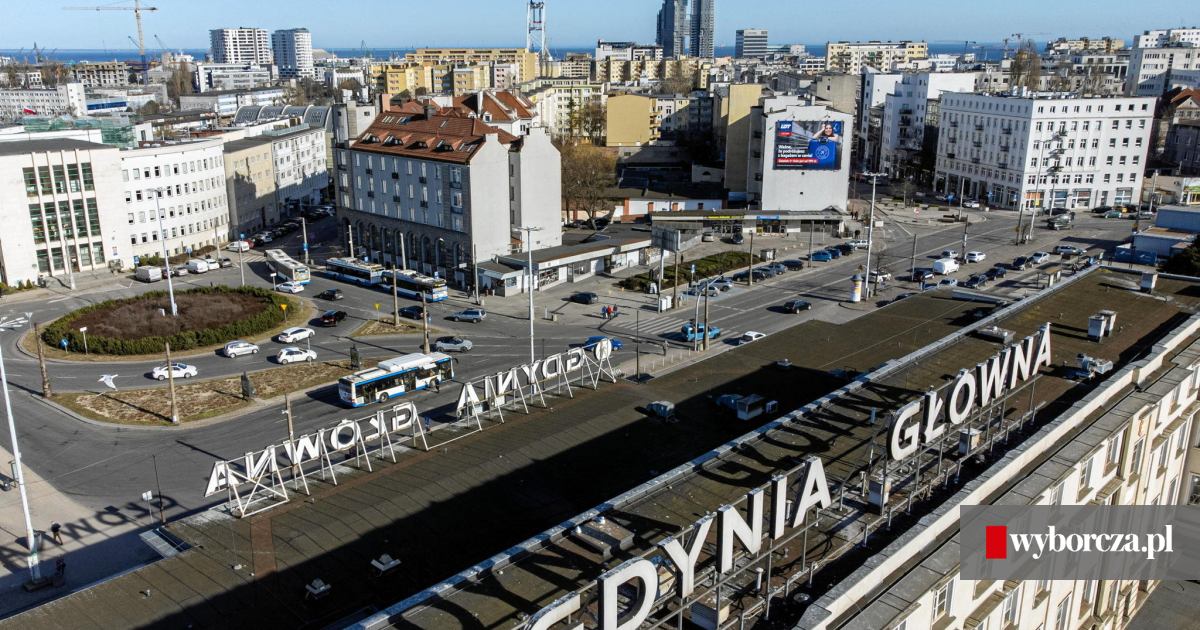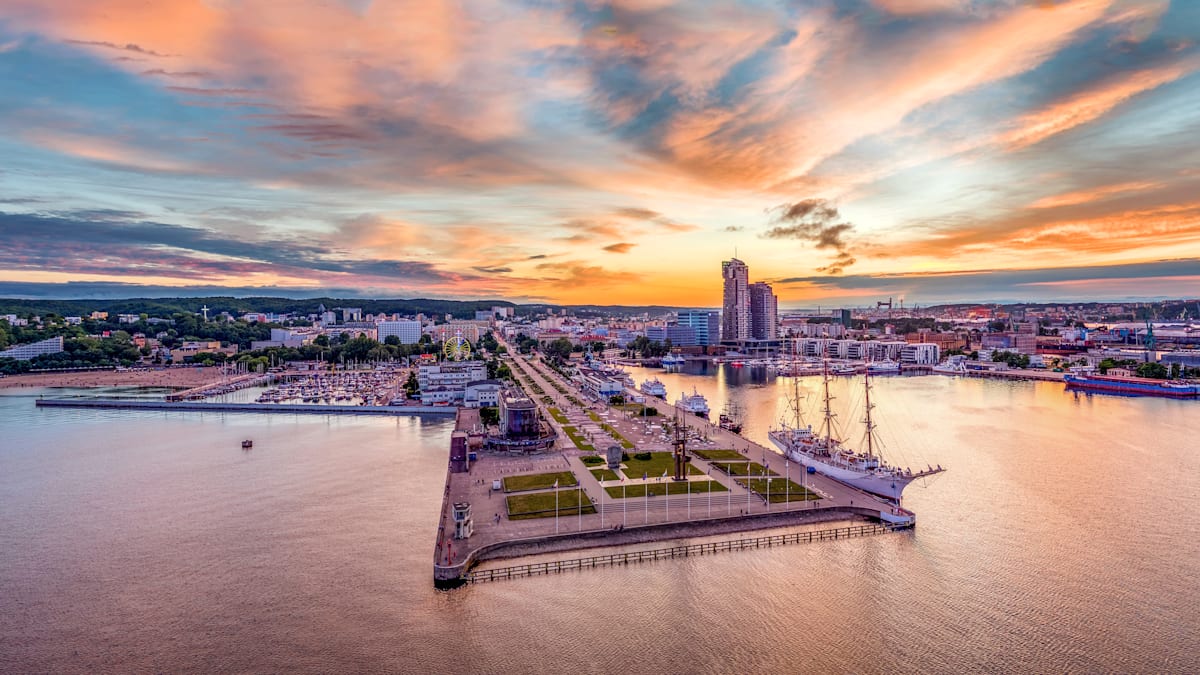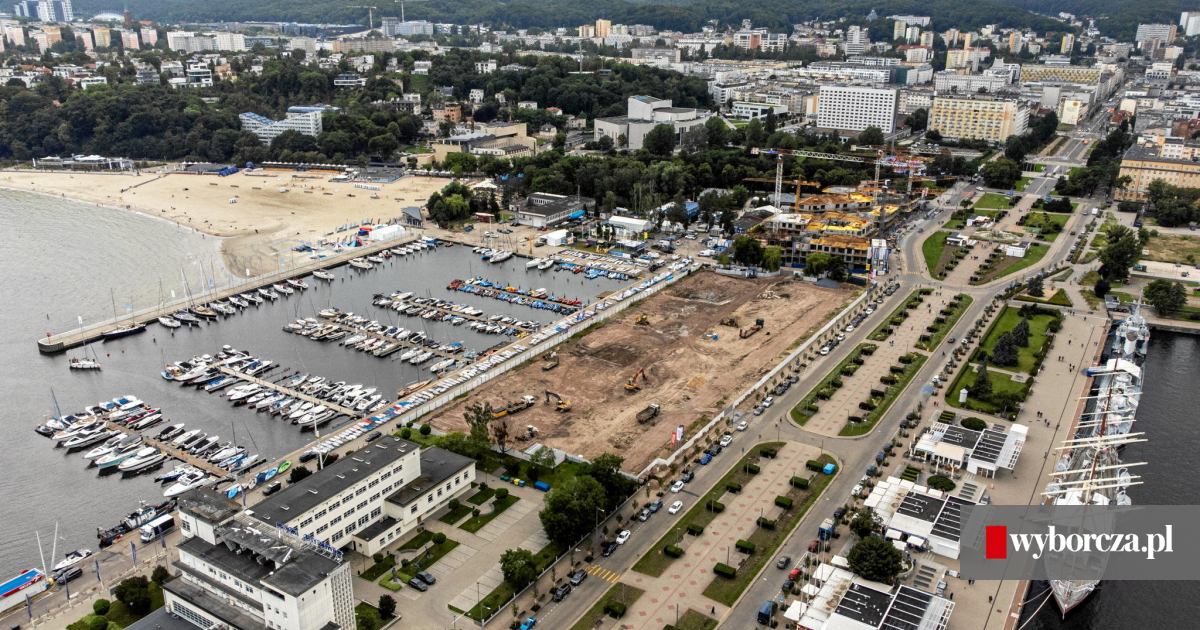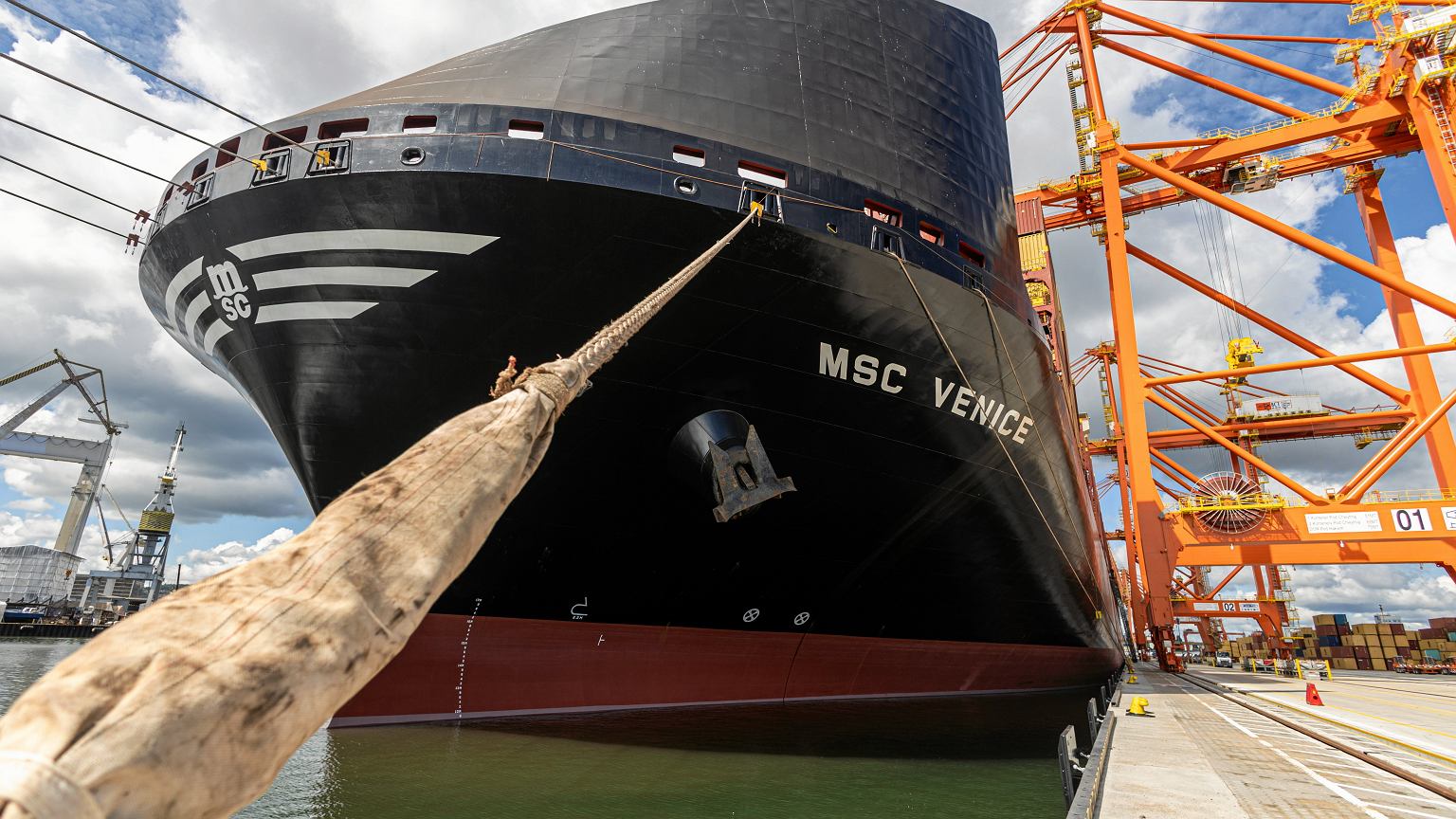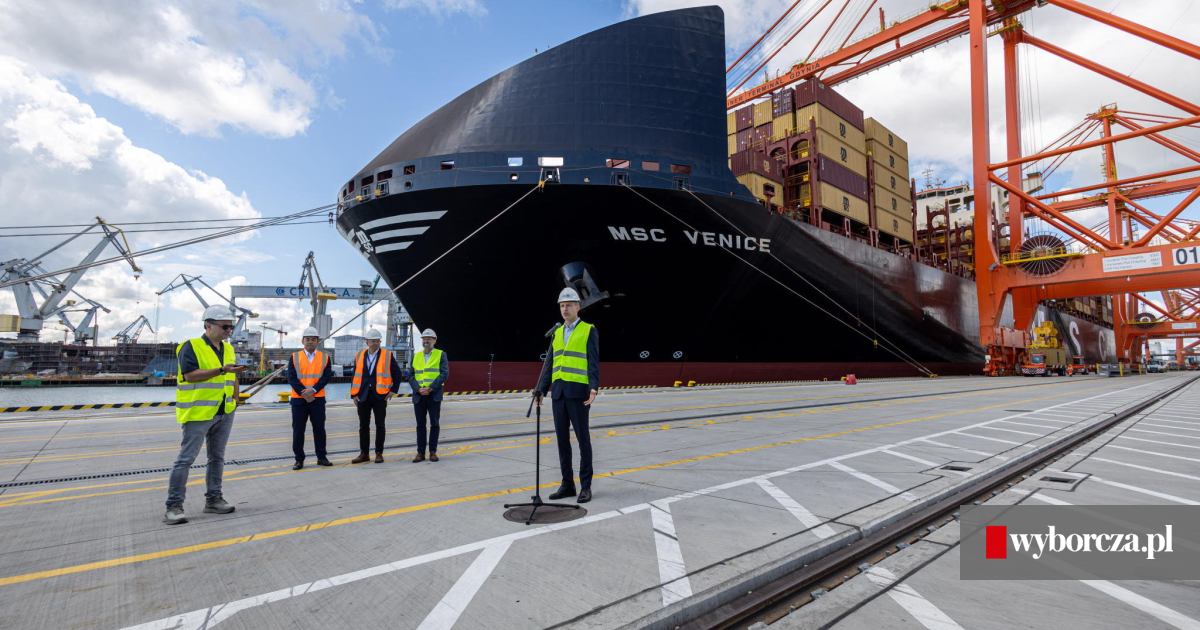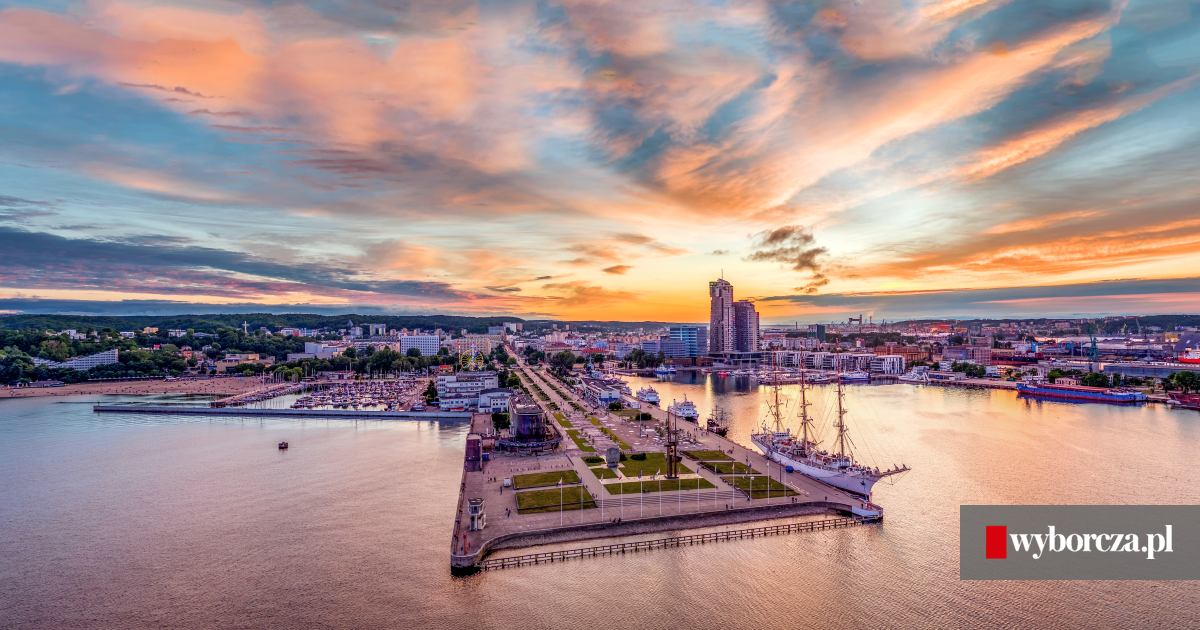
The centre of the modernist Baltic port city of Gdynia, built almost from scratch during the two decades between World War One and World War Two, was added to UNESCO's World Heritage List on Monday as the city celebrates its centenary year.
Nestled north of the historic city of Gdansk, birthplace of Poland's Solidarity labour union movement, and the seaside resort of Sopot, Gdynia was long regarded locally as a poor relation to those places, yet the UNESCO award adds it to a 1,273-strong list ranging from Australia's Great Barrier Reef to the Acropolis in Athens.
The UNESCO award is a landmark or area with legal protection for having special cultural or natural value to humanity.
Gdynia is one of the clearest symbols of the ambitions of interwar Poland after it regained independence in 1918 following 123 years of partition between Russia, Prussia and Austria-Hungary.
"This is an honour for a city that did not look back, but instead boldly looked to the future -- a city built of dreams, courage, and a belief that Poland is capable of creating extraordinary things," Culture Minister Marta Cienkowska wrote on social media platform X.