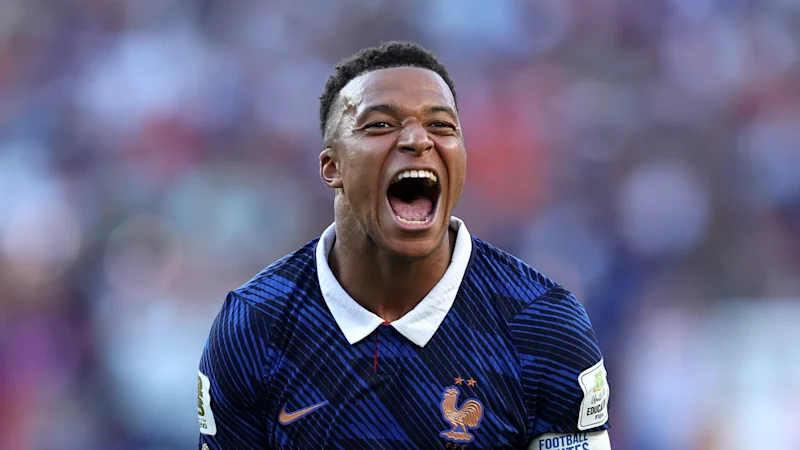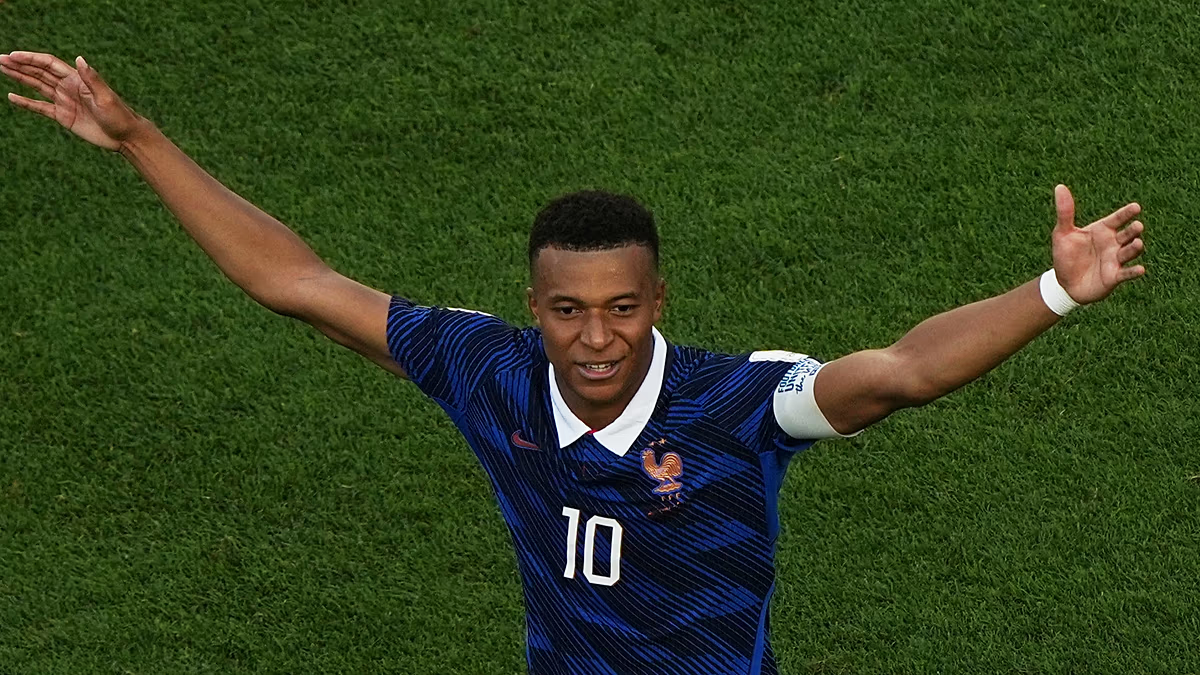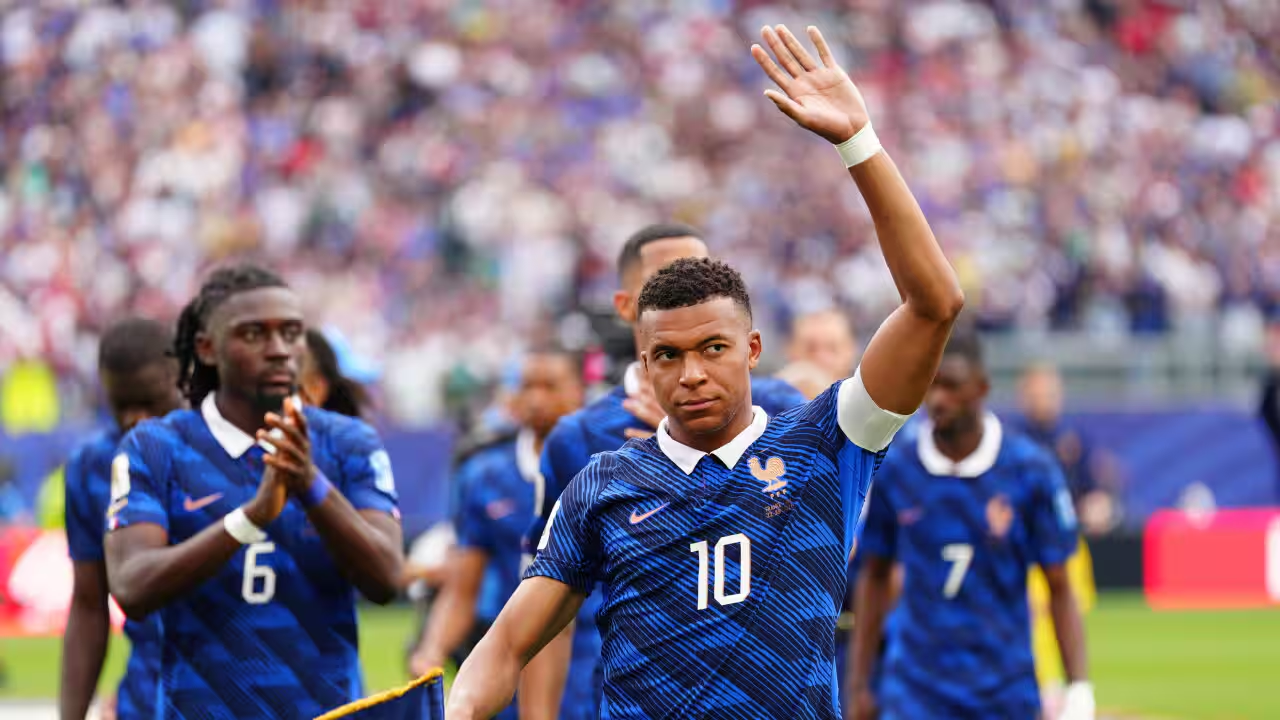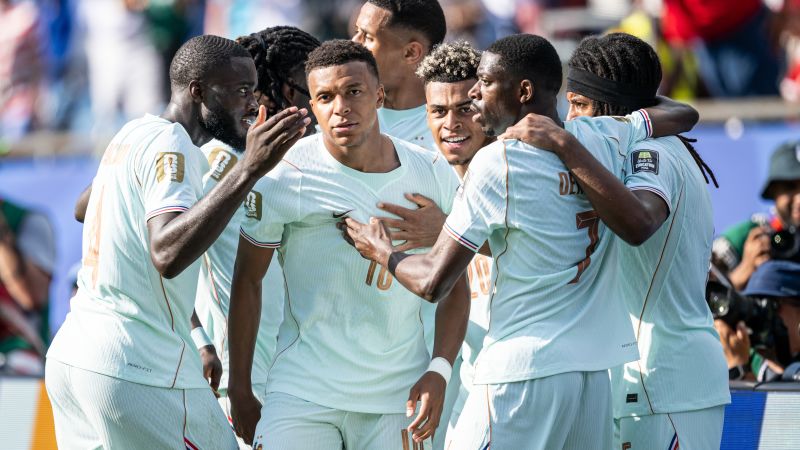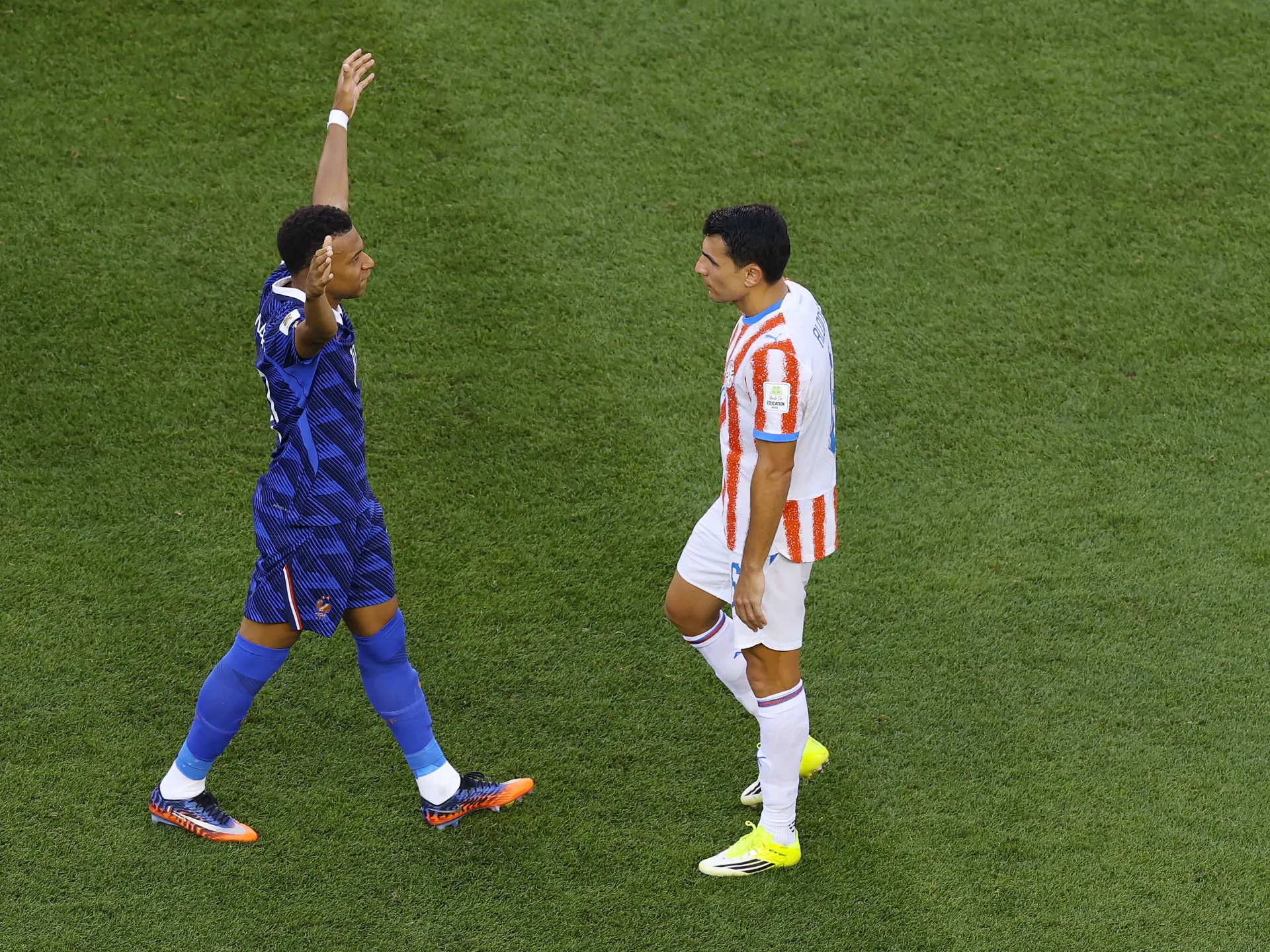
France had just beaten Paraguay to continue another deep World Cup run when the conversation drifted away from football.
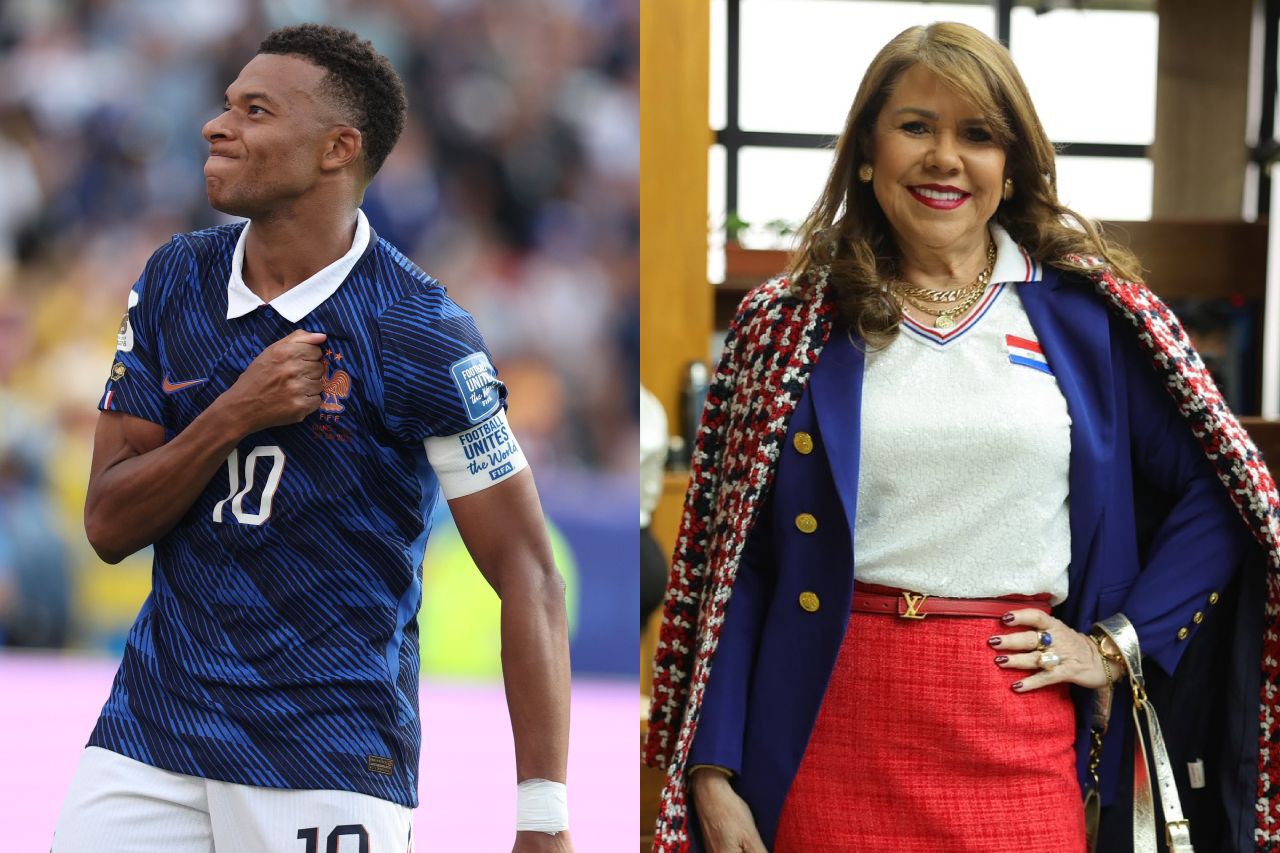
Celeste Amarilla, a Paraguayan senator, had posted racist remarks about Kylian Mbappé and questioned the identity of a French team filled with players of African heritage. Her comments were crude, but the argument behind them was familiar. Versions of it return whenever France reach the latter stages of a major tournament: are these players really French?
It is a strange question to ask of men born, raised and developed in France, wearing the national shirt and singing the national anthem. Yet it persists because Les Bleus have become more than a football team. They are a screen on which people project their hopes, fears and resentments about immigration, race and national identity.
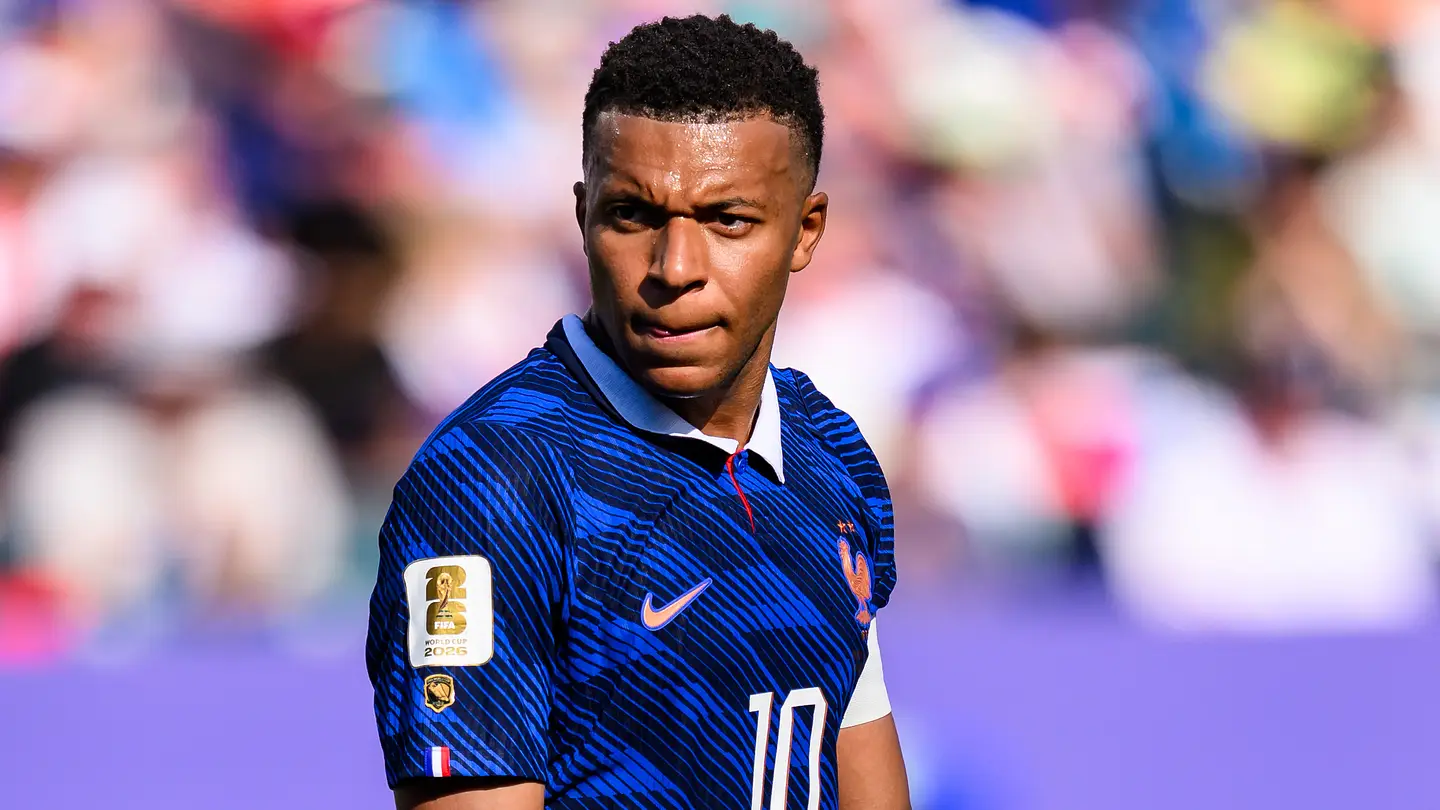
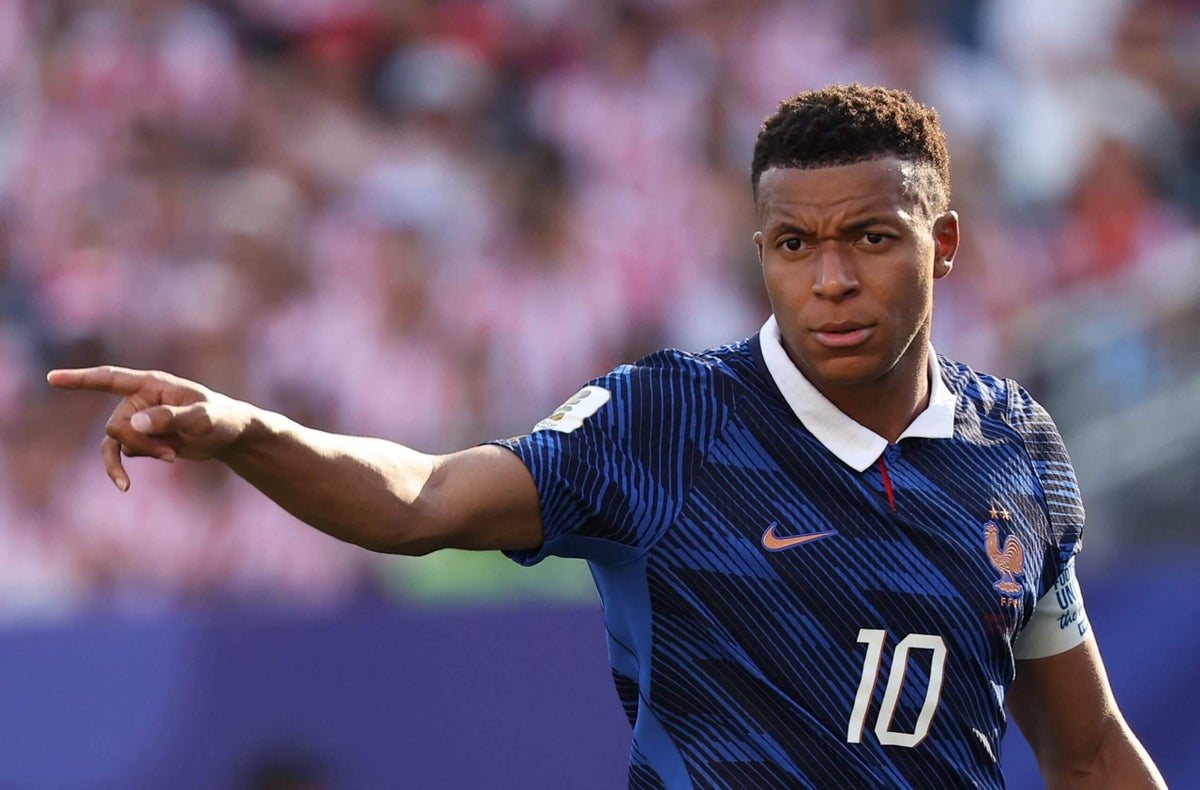
Mbappé sits at the centre of that story.
He was born in Bondy, in the north-eastern suburbs of Paris, to a father with Cameroonian roots and a mother of Algerian Kabyle heritage. His father, Wilfried, coached football. His mother, Fayza Lamari, played handball. Sport was not an escape discovered by chance. It was part of the family’s daily life.