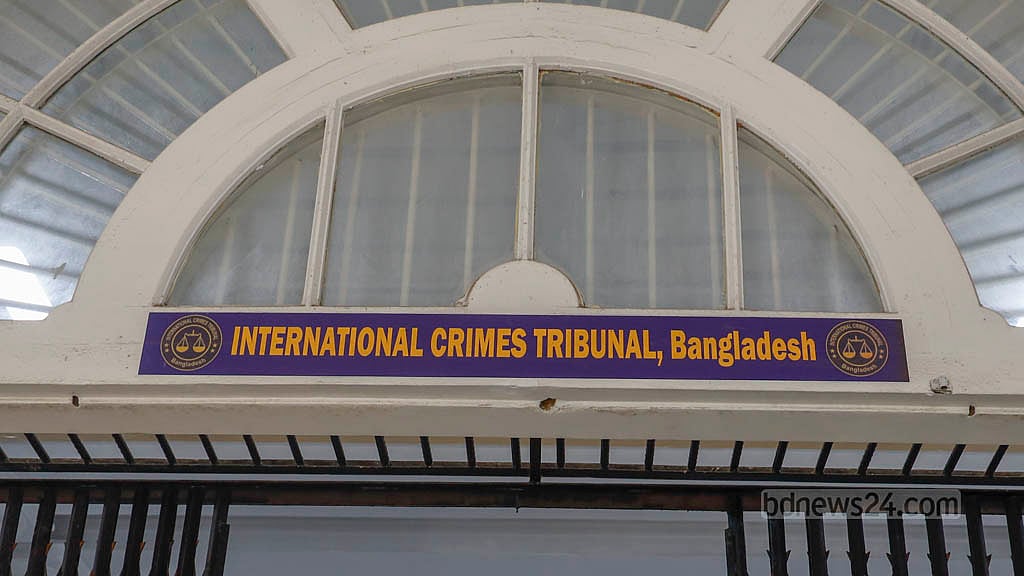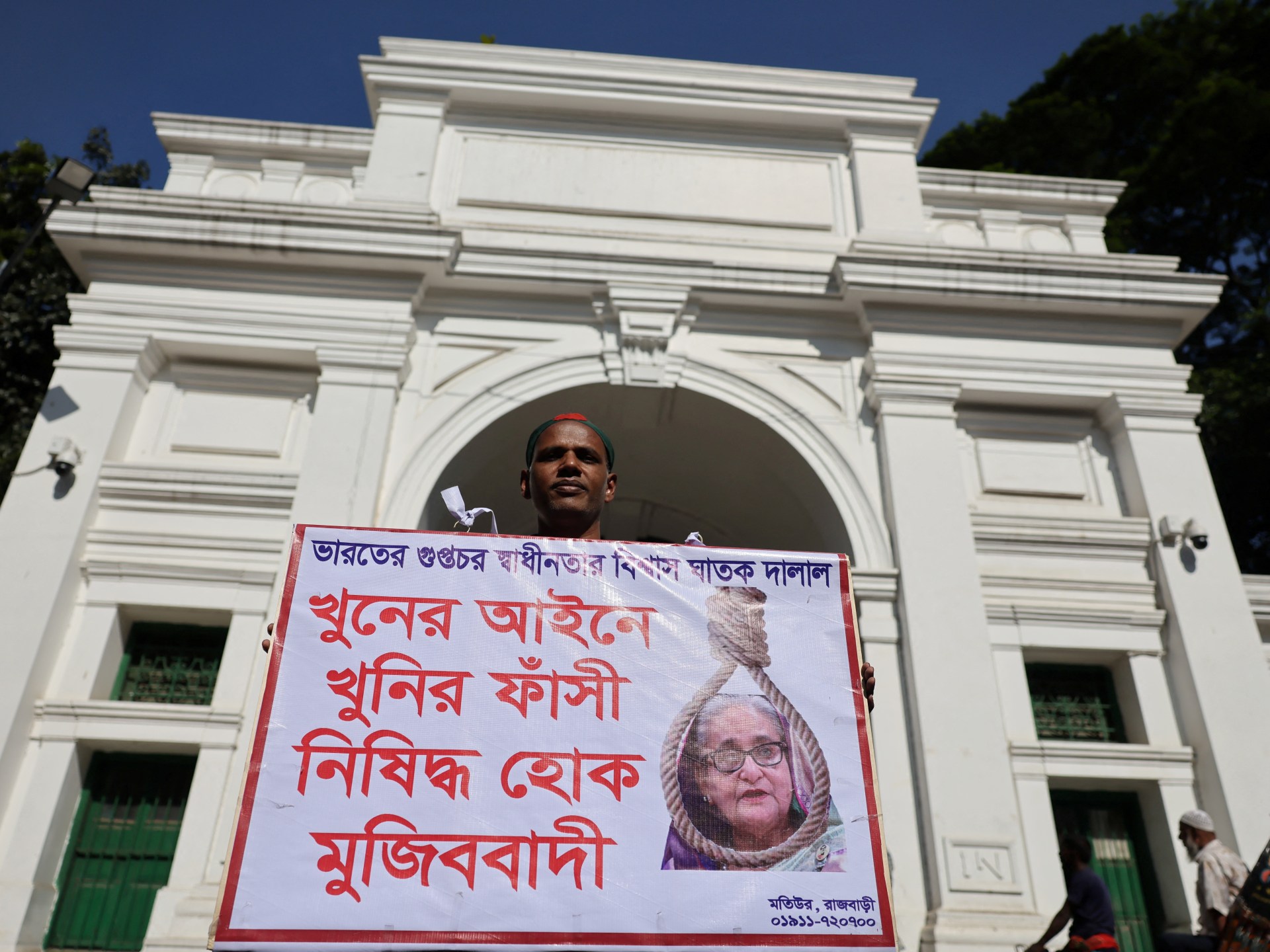
One recurring theme in Bangladesh over the past couple of years has been the demand for justice. Justice for the hundreds of people killed in July and August 2024, during the students-led protests that led to the fall of the Awami League government.
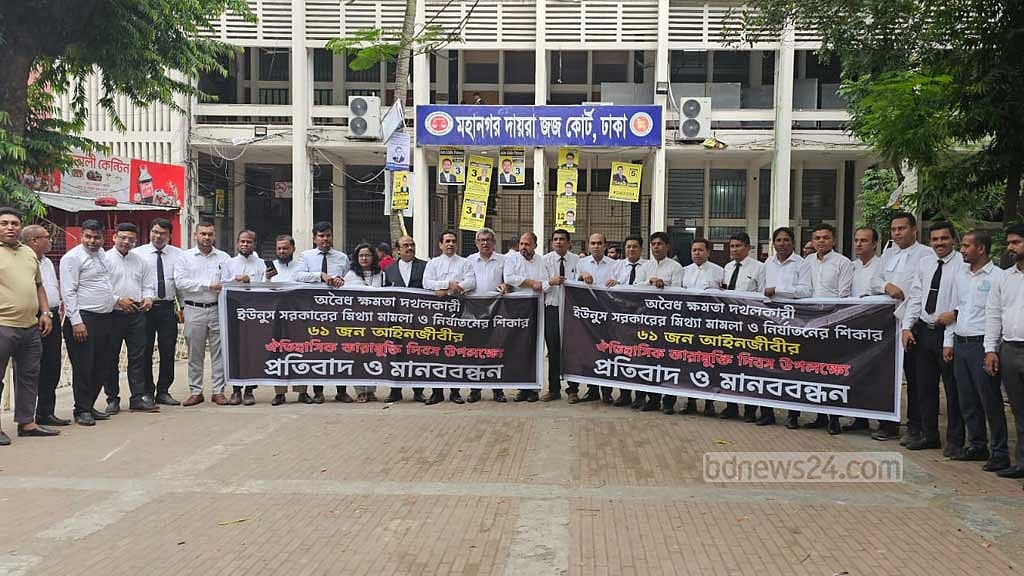
The previous interim government headed by Muhammad Yunus was committed to prosecute those responsible for the 2024 killings. However, a torrent of dubious cases and arbitrary arrests created the impression that there was greater motivation for political revenge than justice.
The current BNP government has also signalled its commitment to justice, but it has hardly veered from the course set by Yunus, allowing hundreds of political opponents to remain in jail without trial or even formal charges.
It seems justice can only be applied “selectively”, where it serves the political interests of the ruling elite. But nowhere is the selective nature of this quest for justice more pronounced than in the case of the Gopalganj Five.
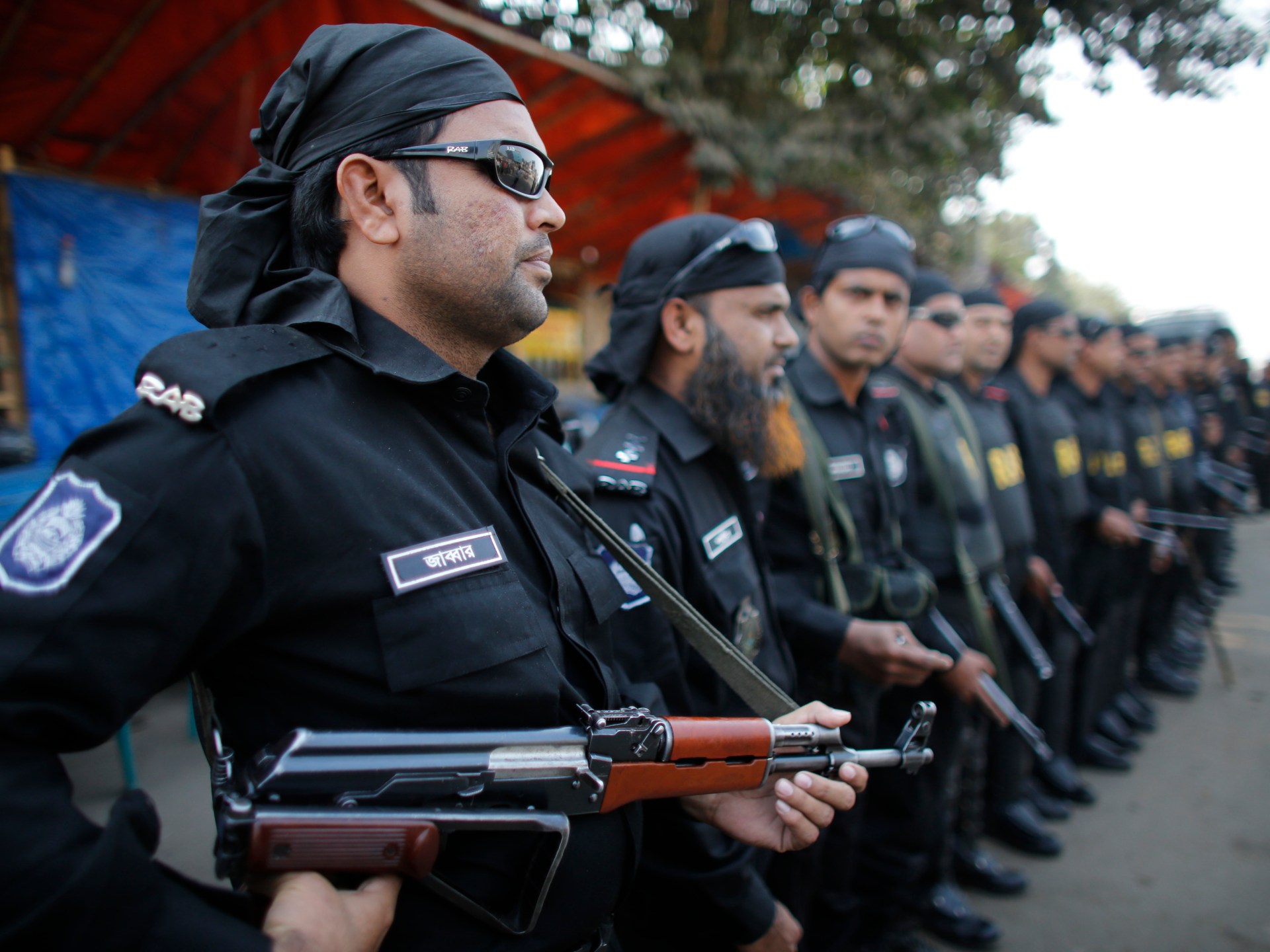
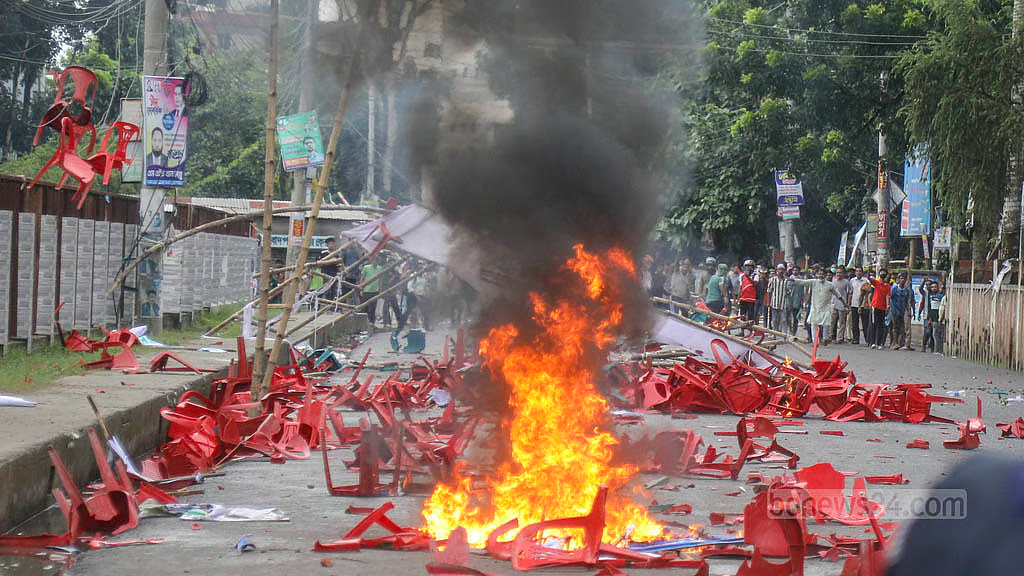
A year ago, five men were shot dead by security forces in Gopalganj town, during widespread violence targeting a rally organised by the National Citizen Party (NCP).