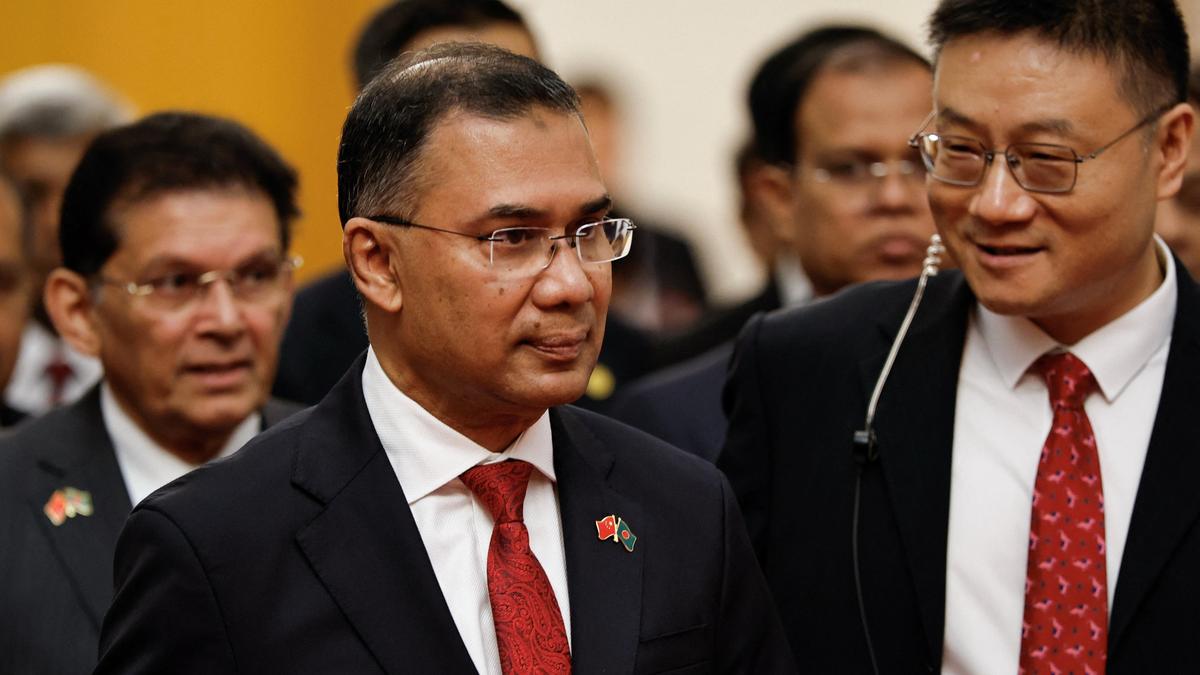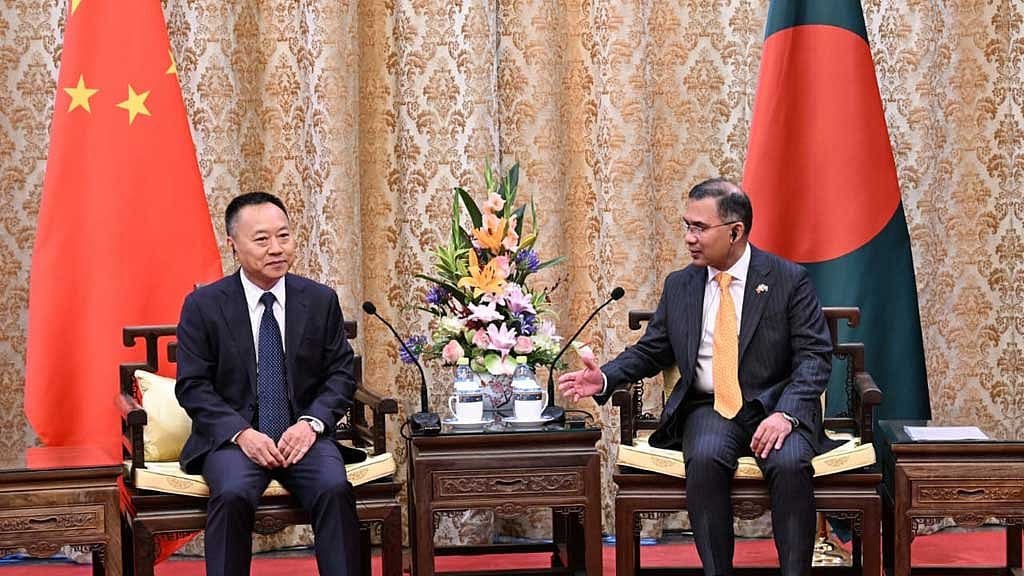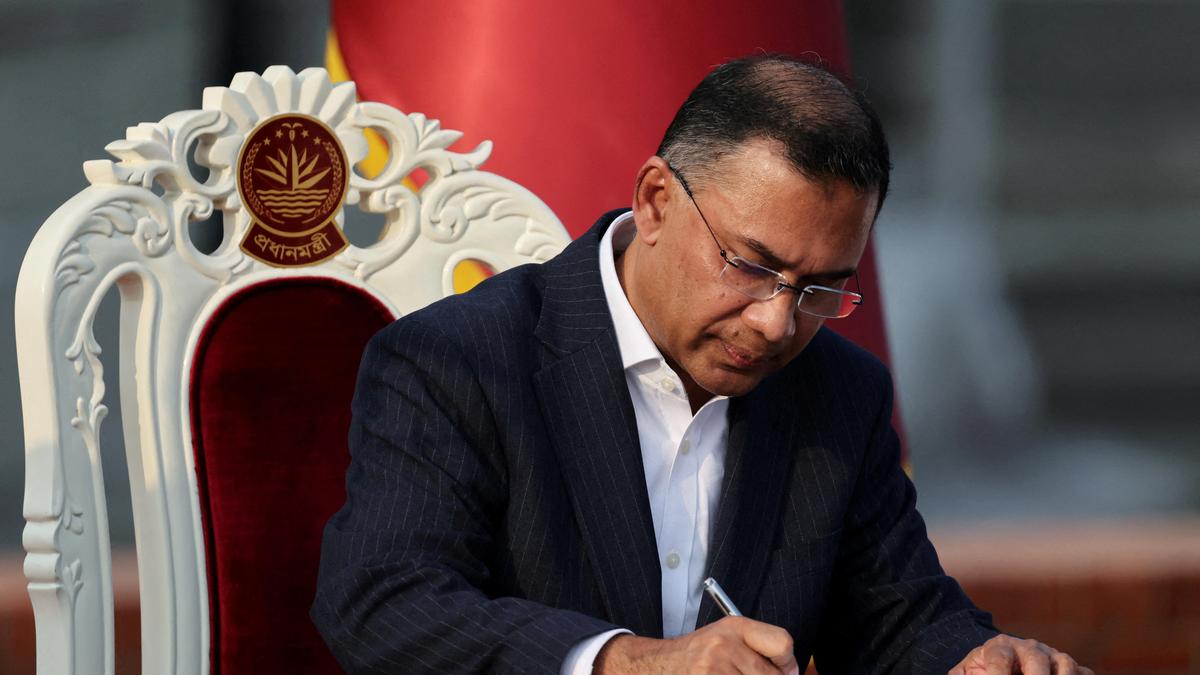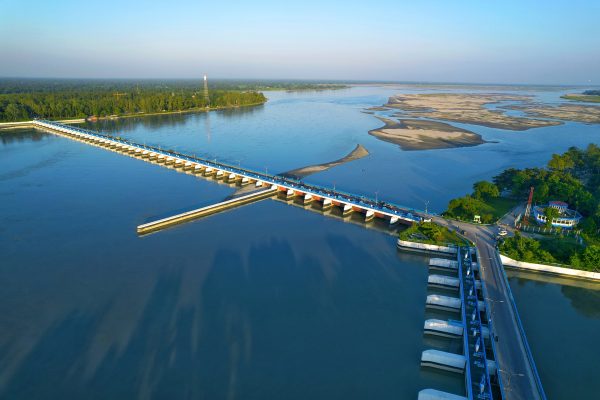
During Bangladeshi Prime Minister Tarique Rahman’s official visit to China in June, the two countries agreed to deepen cooperation on the long-discussed Teesta River Comprehensive Management and Restoration Project. China said it would support the project within its capacity and help expedite its feasibility study, raising fresh hopes for progress on one of Bangladesh’s most politically sensitive infrastructure initiatives.
China may be able to help Bangladesh reshape the banks of the Teesta. It can finance dredging, construct embankments and help create reservoirs to store monsoon water.
But can it guarantee that enough water will cross the border into Bangladesh during the dry season?
That depends largely on upstream water availability, releases, and cooperation from India.
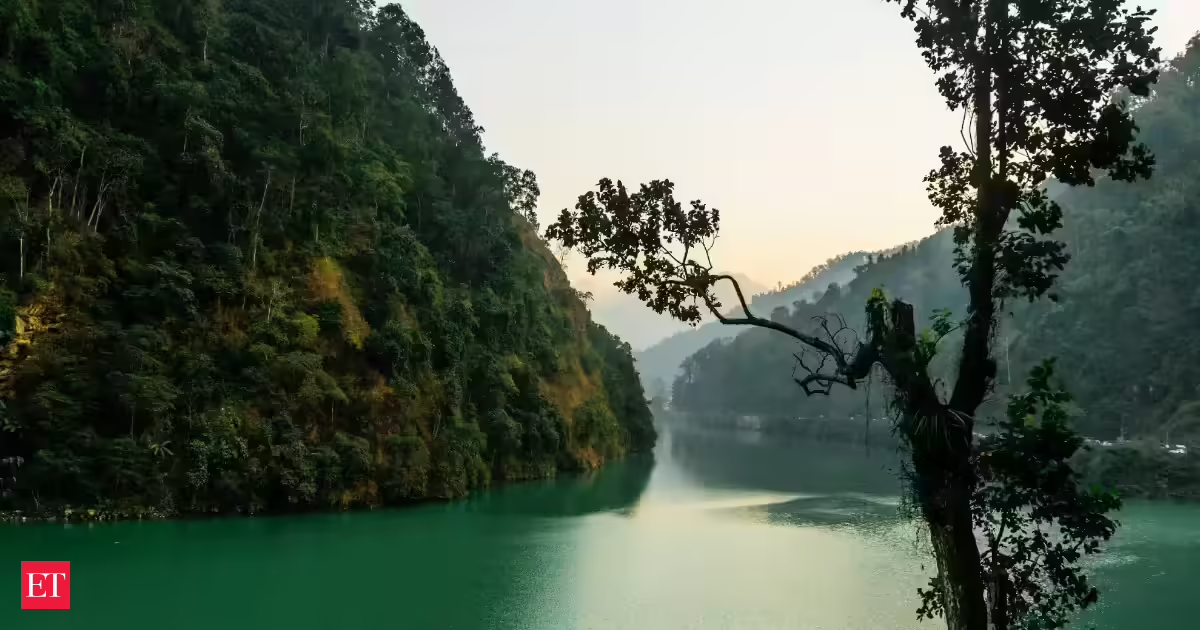
The Teesta is central to agriculture and livelihoods across Bangladesh’s northern districts, but it behaves like two different rivers. During the dry season, its channels shrink and irrigation becomes difficult. During the monsoon, sudden surges cause floods, erosion and displacement.