New report says inequality, not lack of science, is killing us in pandemics.
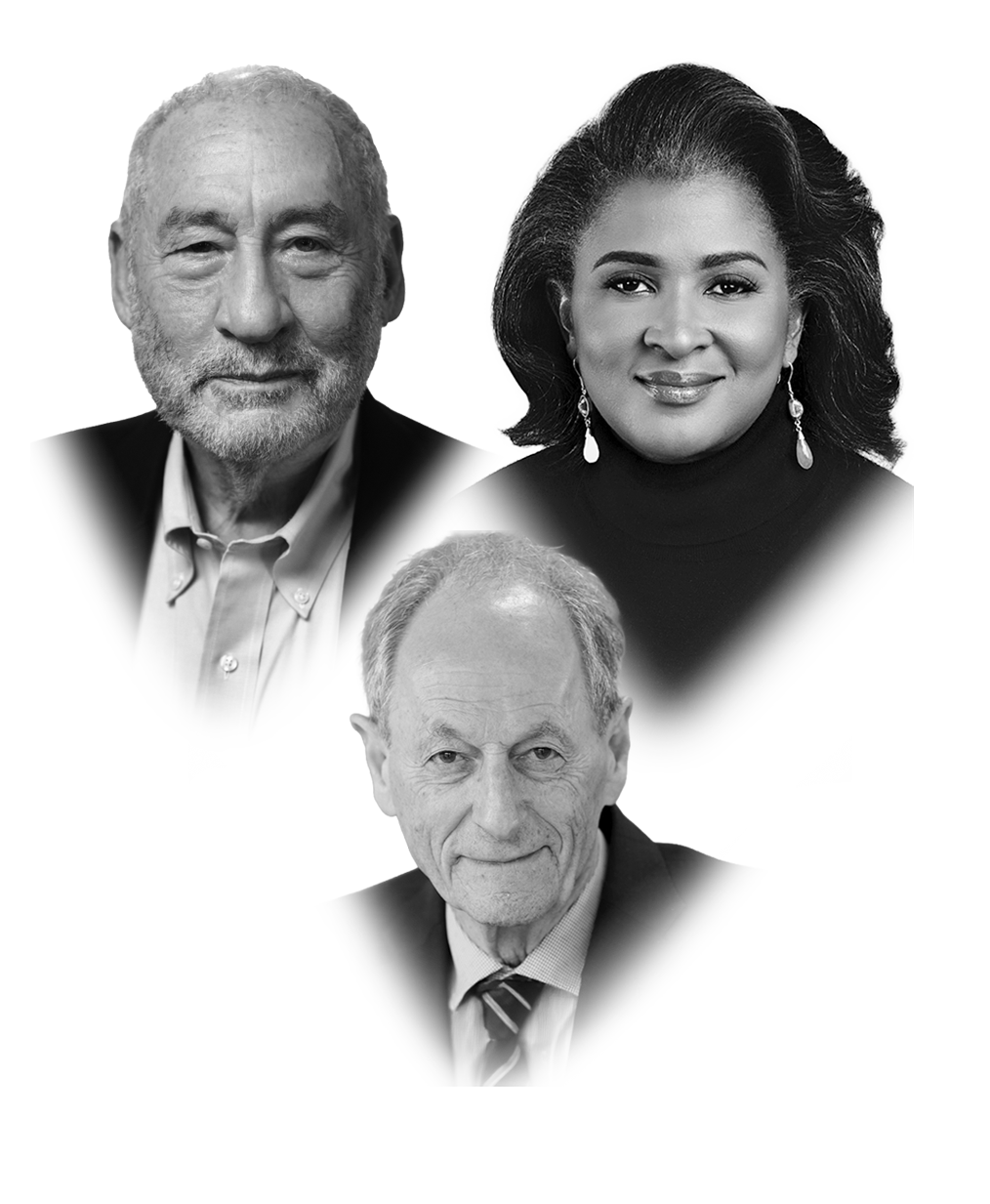
The world has been measuring pandemic readiness completely backwards, putting millions of lives at risk by relying on flawed assumptions about national health security. A landmark analysis published in the New England Journal of Medicine by a coalition of global experts—including Nobel laureate Joseph Stiglitz, epidemiologist Professor Sir Michael Marmot, and former First Lady of Namibia Monica Geingos—reveals that economic inequality, rather than conventional technical preparedness, is the single clearest predictor of how a country survives a global outbreak.
For decades, official rankings such as the Global Health Security Index placed nations like the United States and the United Kingdom at the top of preparedness lists due to their high-tech laboratories, stockpiles, and disease surveillance capabilities. Yet when crisis struck, these high-scoring, wealthy nations suffered some of the highest infection and death rates during both the Covid-19 and AIDS pandemics. Meanwhile, lower-resourced nations with lower technical scores, such as Vietnam and Ethiopia, fared significantly better.
The research shows no meaningful association between traditional understandings of preparedness and real-world success. Technical capacity, while necessary, is fundamentally insufficient if a nation is fractured by deep economic divides.