The Hardware Gambit: Why OpenAI is Risking the Balance Sheet on a "Family of Devices"
Context & Core Event Analysis
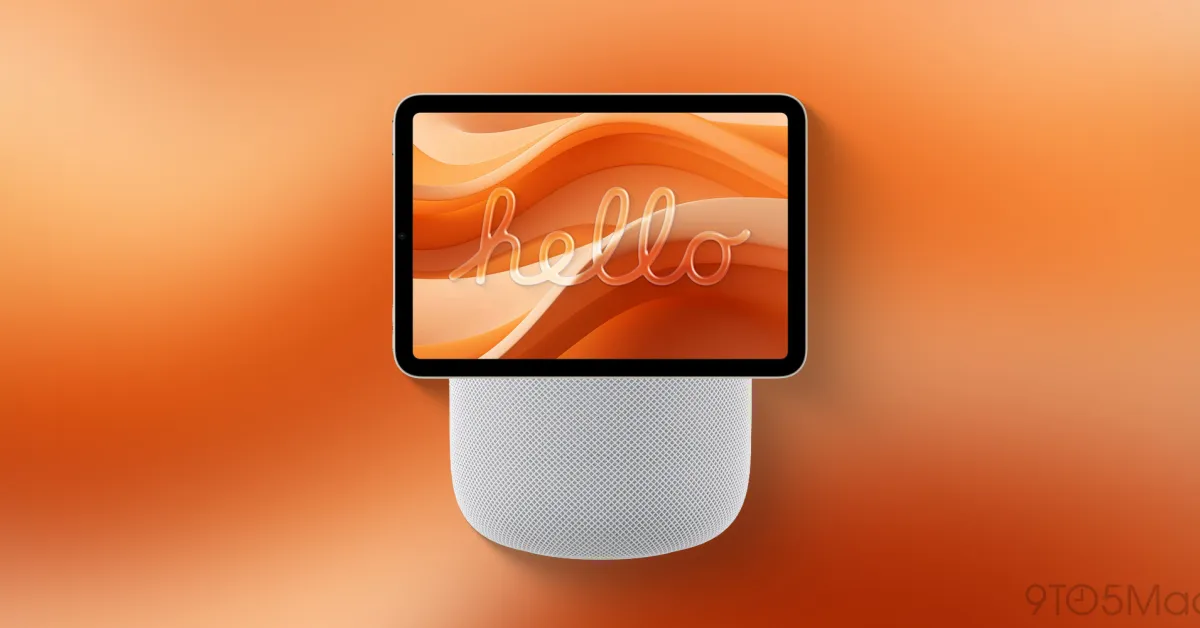
OpenAI’s confirmation that it is developing a "family of devices" marks a critical pivot from a pure-play API and software provider to a vertically integrated ecosystem player. While OpenAI President Greg Brockman stopped short of confirming specific form factors—such as the rumored Jony Ive-designed smart speaker—the strategic intent behind this hardware push is clear: OpenAI is attempting to bypass the mobile operating system duopoly of Apple and Google. Currently, OpenAI relies on iOS and Android to distribute its consumer-facing applications, leaving its distribution pipeline vulnerable to platform fees, API access restrictions, and the strategic positioning of native alternatives like Apple Intelligence and Google Gemini.
The ghost of recent consumer AI hardware failures—such as the Humane AI Pin and the Rabbit R1—hangs heavy over this announcement. Those devices failed not because consumers rejected the concept of ambient AI, but because they attempted to replace the smartphone with subpar, high-latency, cloud-tethered hardware that lacked a mature developer ecosystem and robust local processing. By building its own hardware, OpenAI aims to control the entire user experience loop. This control allows them to capture high-fidelity multimodal data (continuous audio, spatial video, and environmental context) directly at the edge, entirely bypassing the privacy-preserving or competitive filters imposed by legacy mobile operating systems.