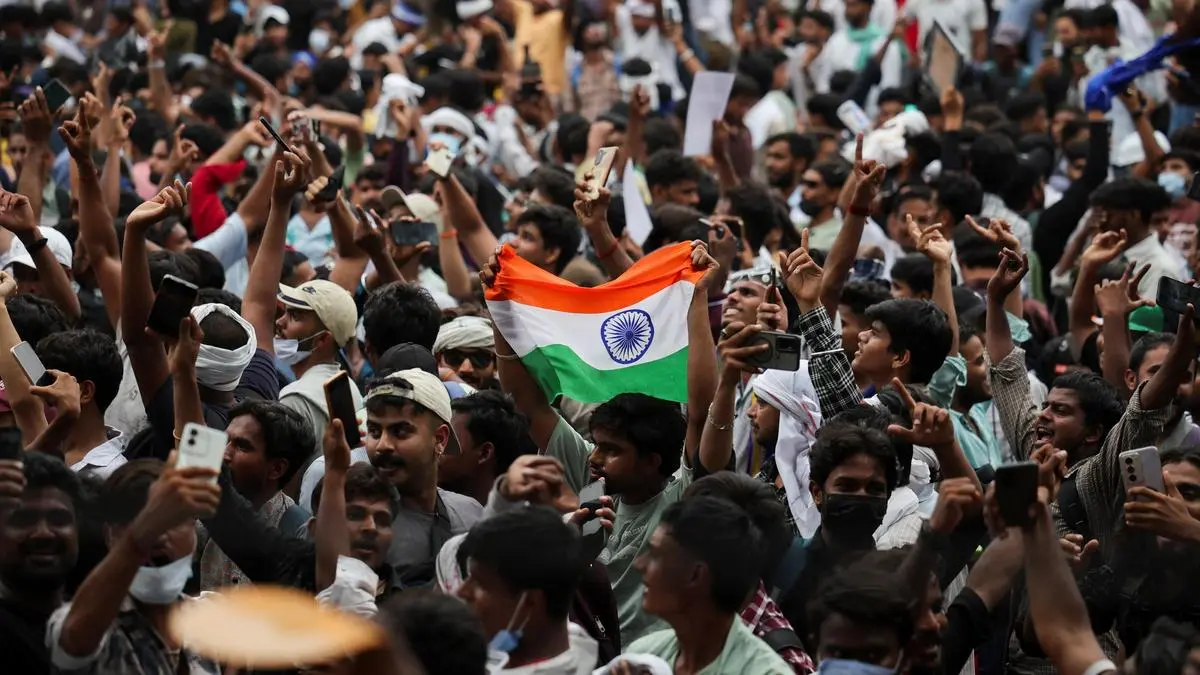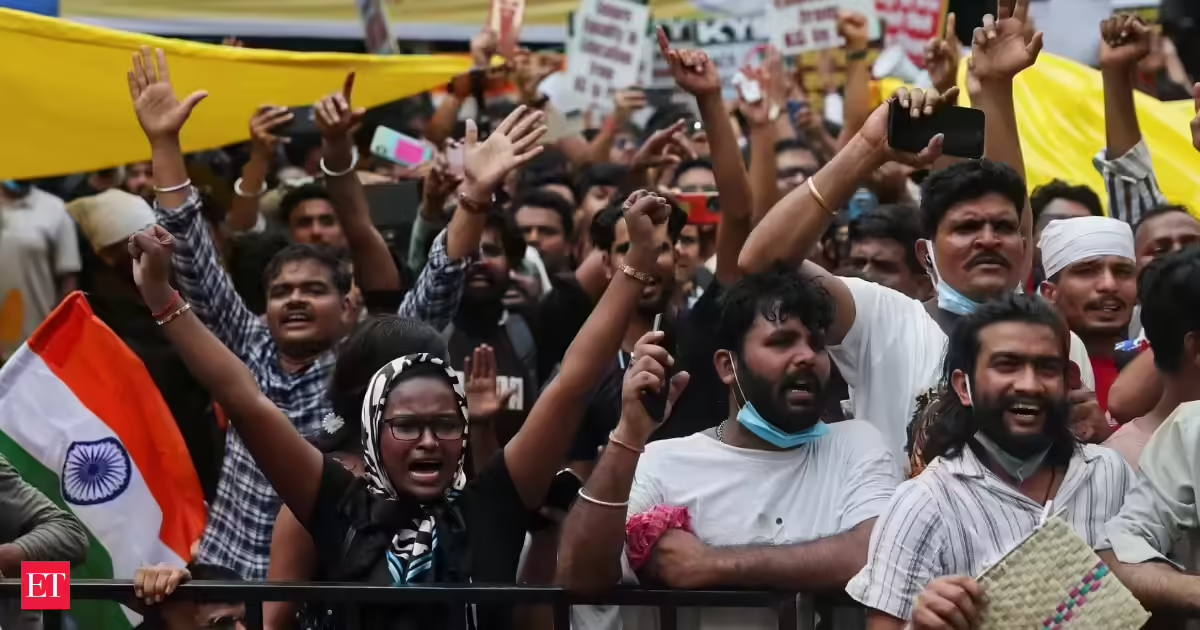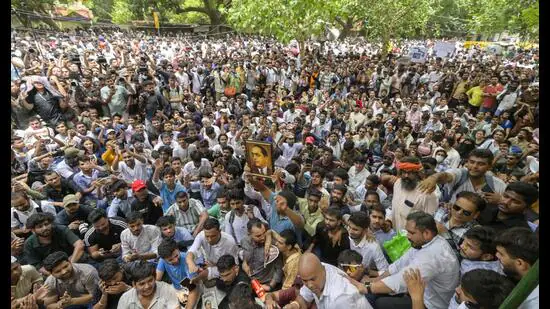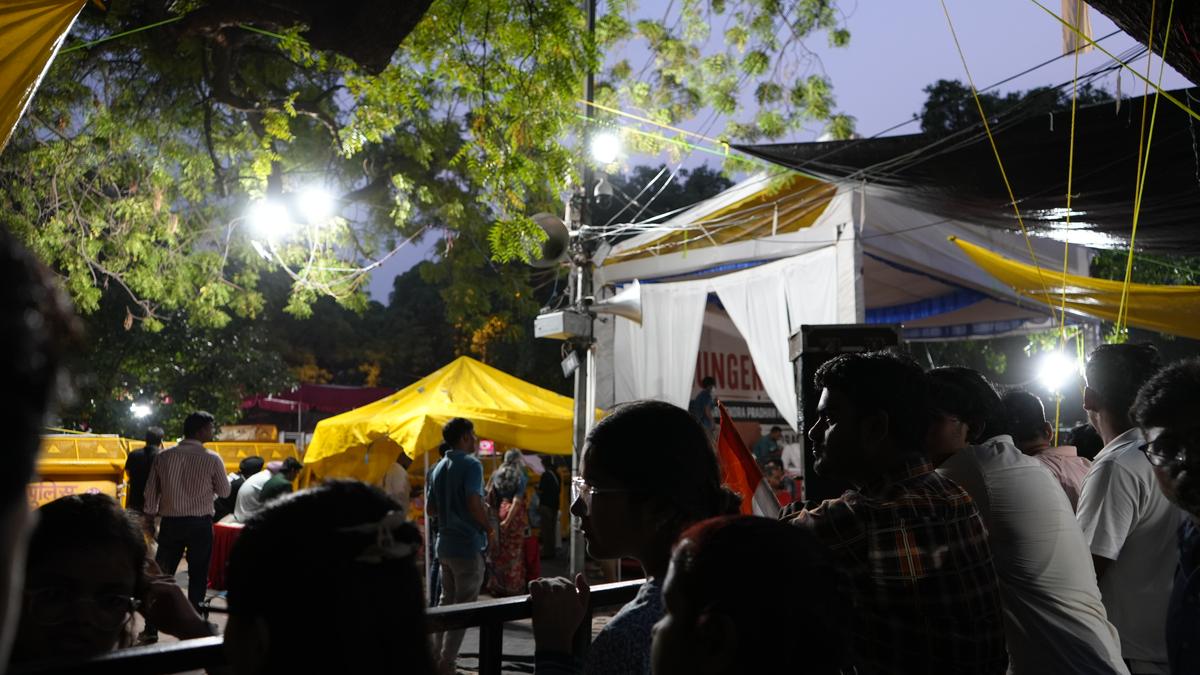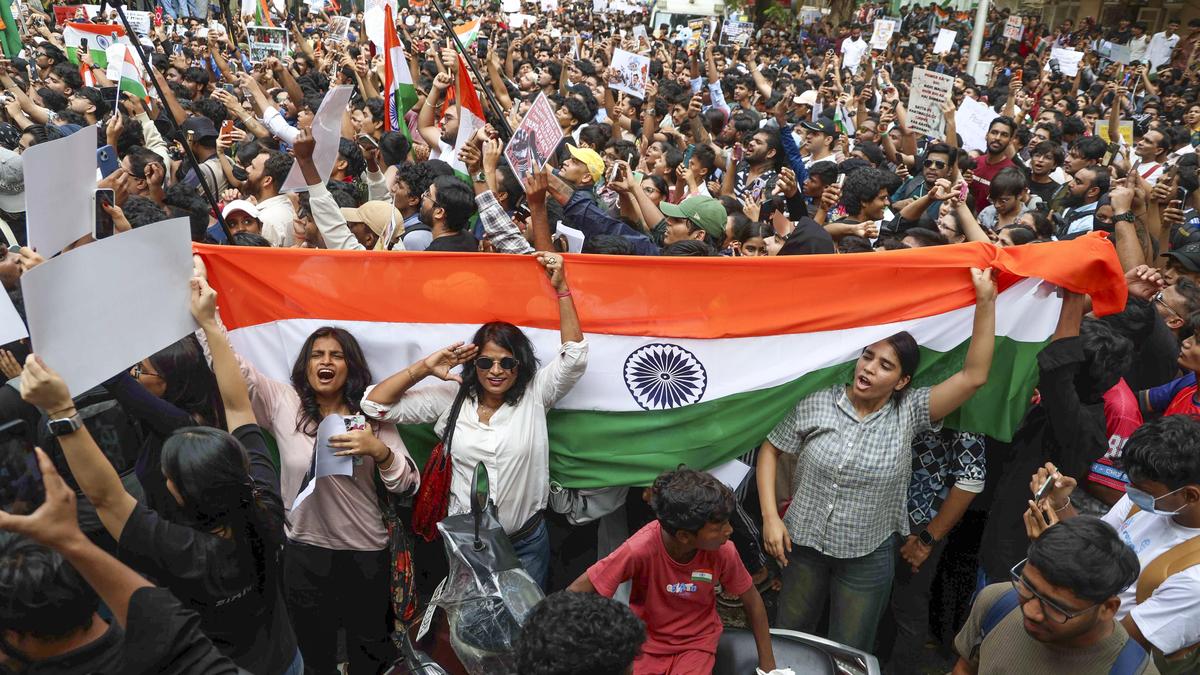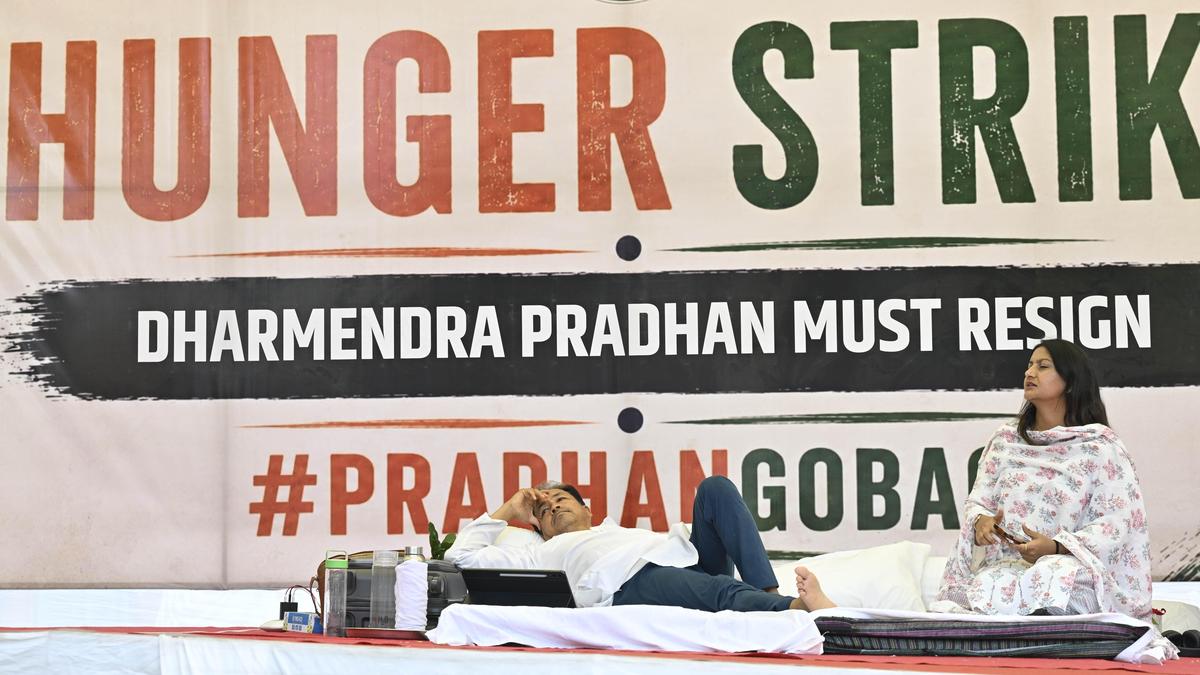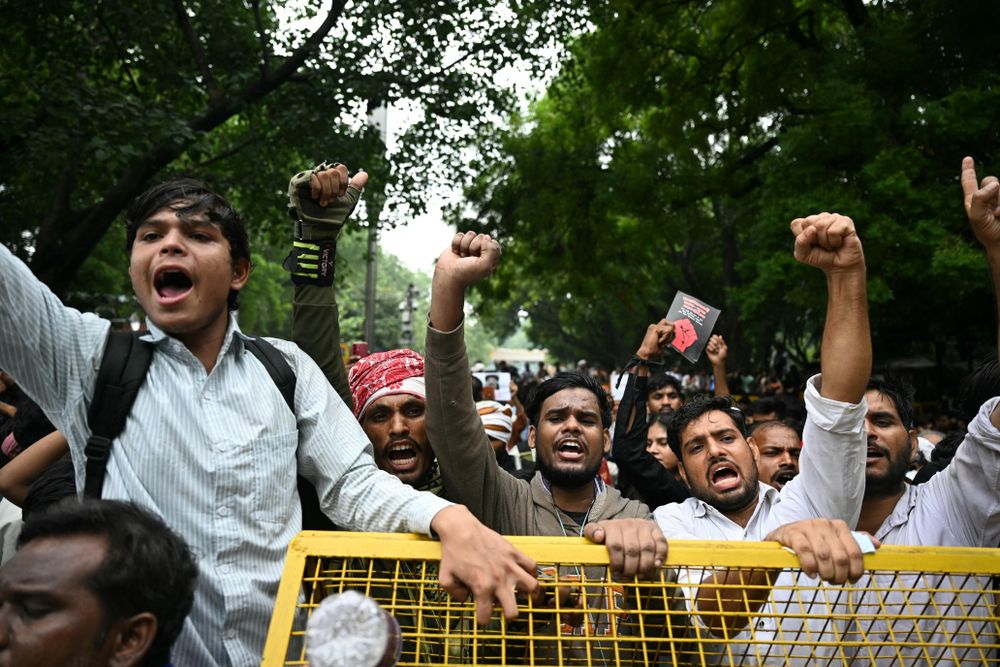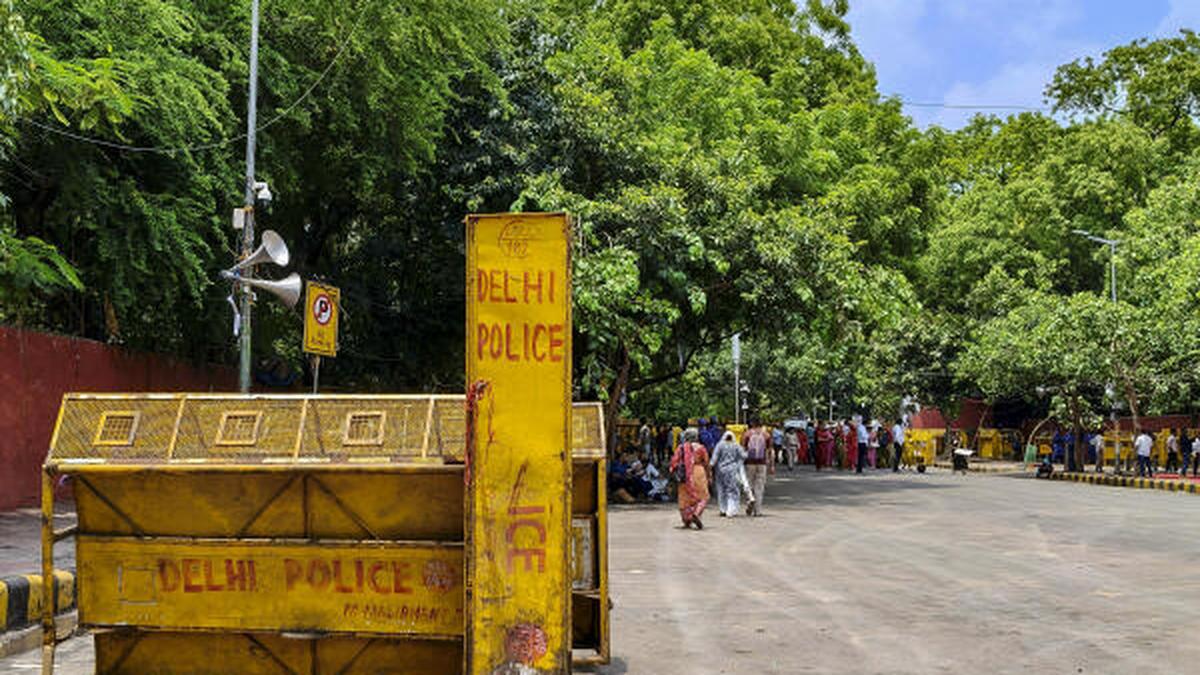
On July 25, 2026, Union Education Minister Dharmendra Pradhan stepped down, fulfilling the central demand of a movement that began with a satirical Instagram page, a few thousand students, left-leaning student groups, and a septuagenarian on a hunger strike who ended up hospitalised. The Cockroach Janta Party (CJP), which set up camp at Jantar Mantar in early June, may have drawn its name from a judge’s remark likening unemployed youth to cockroaches, but its impact was anything but trivial. It succeeded in forcing out a sitting Cabinet minister, a rare instance of a generation, too young to have voted him into office, compelling his exit. That achievement is real and worth stating plainly, before the familiar cynicism returns.(Sign up for THEdge, The Hindu’s weekly education newsletter.)And return it will. The resignation addresses the immediate triggers, the 2026 NEET-UG paper leak and irregularities in CBSE’s on-screen marking. But it leaves untouched the deeper structural pressures that made the system so combustible in the first place. These pressures have been building quietly for over a decade and will persist long after a successor takes charge. The scandal may have been the spark; the underlying crisis remains firmly in place.Join THEdge LinkedIn groupStart with the good news, because there is some, in the technical sense that the numbers went up. According to the Ministry of Education’s AISHE survey, higher education enrolment has climbed steadily, crossing 4.5 crore students in 2023-24, a rise of roughly 31.5% since 2014-15.
After Jantar Mantar, what still needs fixing
Explore the structural issues in India's education system post-NEET leak and the impact of rising graduate unemployment.
1,138 words~5 min read