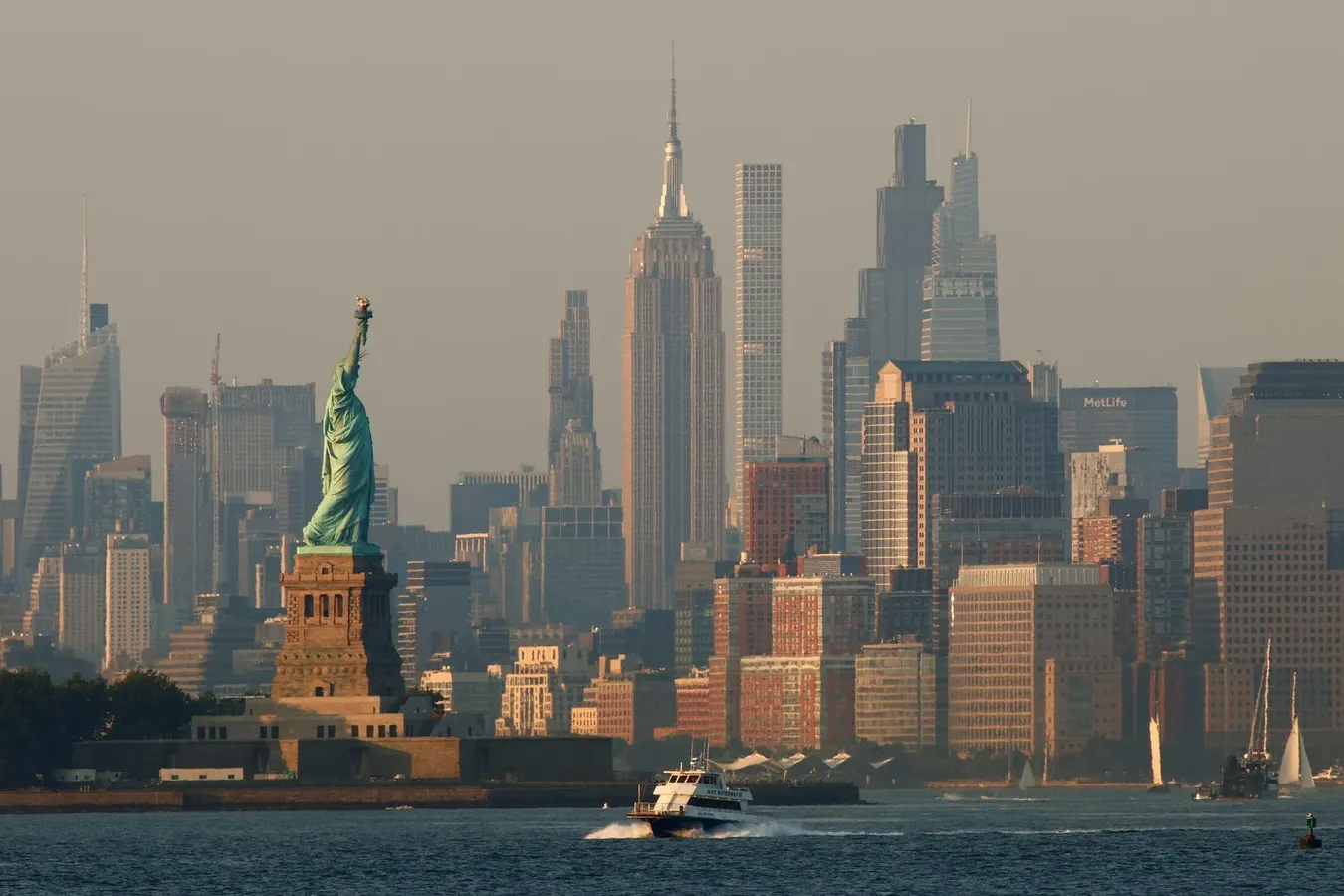
New York City’s pied-à-terre tax was designed to extract money from second-home owners wealthy enough not to live in the city full-time. A side effect no one planned for: it’s pushing middle-class and working homeowners, people who already live in their houses, into estate-planning conversations they’ve never had before, at hourly rates they’ve never had to pay, for advice the wealthy have had access to for generations.
The rush of publicity accompanying the mayor’s office highlighting a list of over 680,000 New York properties that could theoretically be subject to a new tax has inadvertently advertised how public most property data is. And it’s advertised the benefits of seeking some totally legal privacy, or risk inadvertent doxxing, courtesy of Gracie Mansion.
“The wealthy and the ultra-high-net-worth have been in this game for a long time,” said Myles Fischer, a partner who co-leads the Trusts and Estates practice group at Harris Beach Murtha. “The rest are sort of catching up.” And that isn’t cheap. Many middle-class and blue-collar homeowners are “being forced into a situation where they have to sit down with lawyers” to get planning advice that families with means secured years ago. After all, he added, “it’s not that you have to be a rich person to have something worth protecting. We see it from across the board.”