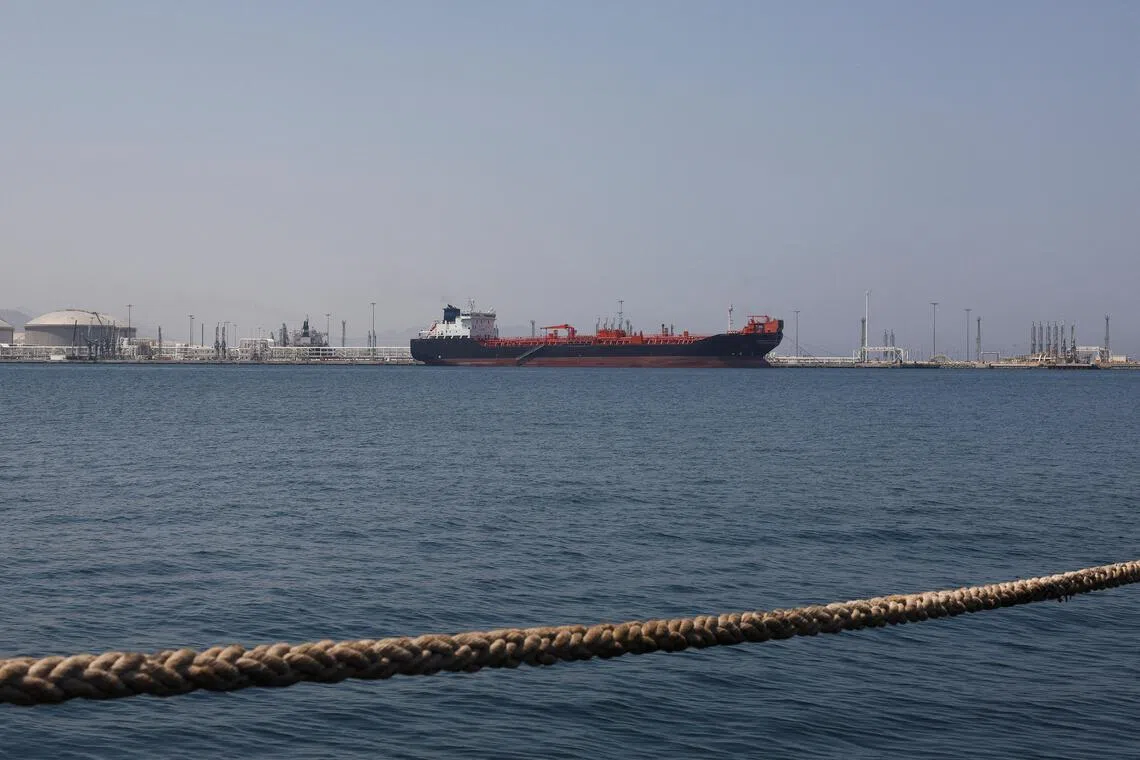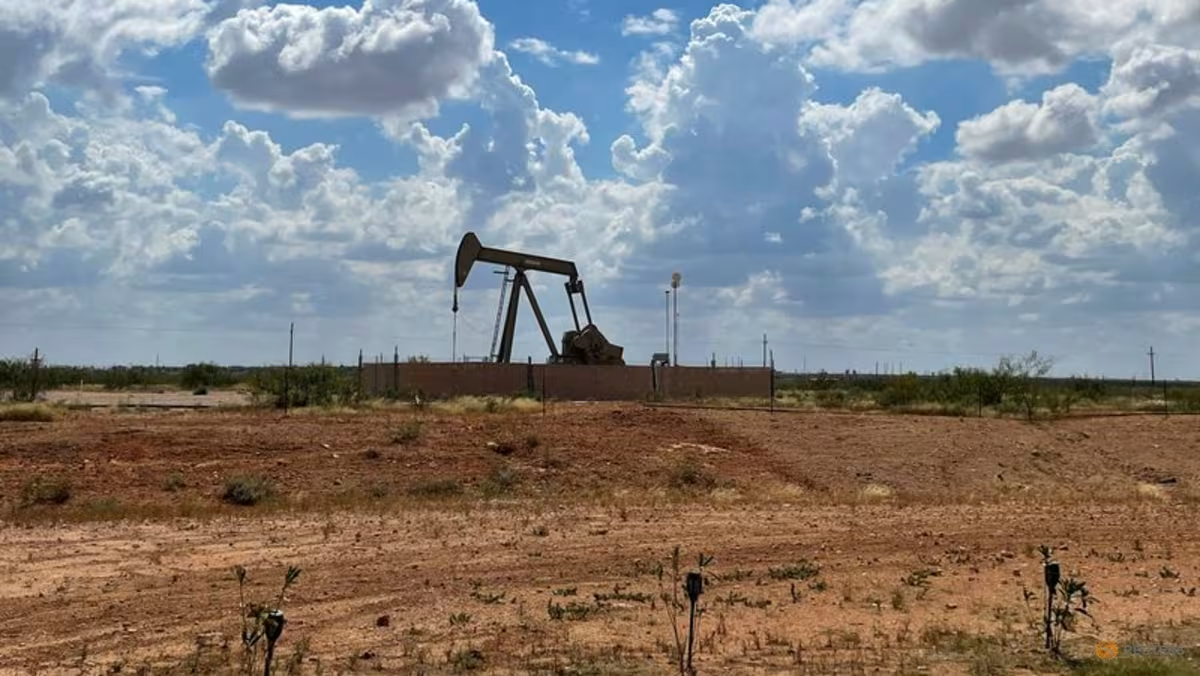
Follow our live coverage here.NEW YORK - Oil declined as the United States wrapped up a fresh wave of strikes against Iran that focused on military targets, while stopping short of hitting bridges and power plants in the Islamic Republic.Brent dropped toward US$89 a barrel after rallying by almost 8 per cent in the previous session, while West Texas Intermediate was near US$83.US forces carried out a “heavy wave” of strikes on dozens of Islamic Revolutionary Guard Corps targets, Central Command said. Earlier, US President Donald Trump told Fox News that Iran would be hit hard after an attack on personnel in Jordan.“The strikes aimed to further diminish threats posed by Iran and its proxies to American forces, commercial shipping, and neighbouring Gulf countries,” Centcom said. Targets included command centres, missile and drone facilities, coastal surveillance and defence sites, and maritime capabilities, it added.Energy markets have been rocked by a fresh round of volatility in July, as investors navigated a pause in hostilities between Iran and the US, followed by renewed fighting.The conflict is spreading, with Houthi rebels in Yemen threatening a blockade of Saudi Arabia, while Riyadh’s forces joined with the US to hit targets in Iraq linked to Tehran-backed militants.“Markets have jumped the gun on hopes of renewed peace, especially considering Iran’s insistence on controlling the strait under any potential deal,” said Bart Melek, global head of commodity strategy at TD Securities. “We continue to see reduced flows and global tightening of the energy market.”Israeli Prime Minister Benjamin Netanyahu – who met with Trump earlier this week – told ABC News they discussed options to resolve the conflict, including negotiating a broader deal, continuing the blockade of Hormuz, or taking further military action.“It’s his decision,” Netanyahu said.In the US, commercial crude stockpiles dropped to the lowest level since 2018, reinforcing signals of a tightening physical market after months of conflict in the Middle East. Meanwhile, holdings in the Strategic Petroleum Reserve dropped for an 18th consecutive week to stand at the smallest since 1983.Inventories may not be front-and-centre, “but the larger-than-expected crude draw, and commercial inventories moving closer to the 400-million-barrel level, are likely to attract more attention,” said Rebecca Babin, senior energy trader at CIBC Private Wealth Group.Some 13 million barrels of oil a day left the Persian Gulf over the past week, according to US Energy Secretary Chris Wright. Half went through the Strait of Hormuz and the rest via bypass pipelines, he told Bloomberg TV.Hormuz – which connects the Persian Gulf to global markets – lies at the heart of the dispute between the US and Iran, with Tehran insisting on control and attacking tankers challenging its authority. To avoid the waterway, Saudi Arabia has rerouted flows through its East-West pipeline that links to the Red Sea, but that pathway is now being challenged by the Tehran-backed Houthis.Traders were also assessing the possible implications for maritime security and energy flows after two ships were struck by projectiles at Egypt’s Mediterranean port of Damietta. Two liquefied natural gas vessels caught fire after being hit, although the origin of the attack remained unclear. Bloomberg
Oil edges lower as US wraps up strikes on Iran military targets
Brent dropped toward US$89 a barrel, while West Texas Intermediate was near US$83. Read more at straitstimes.com. Read more at straitstimes.com.
517 words~2 min read