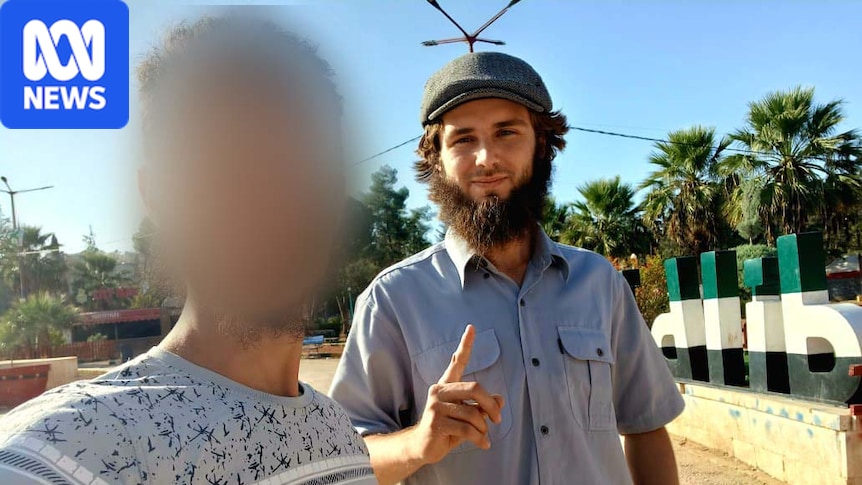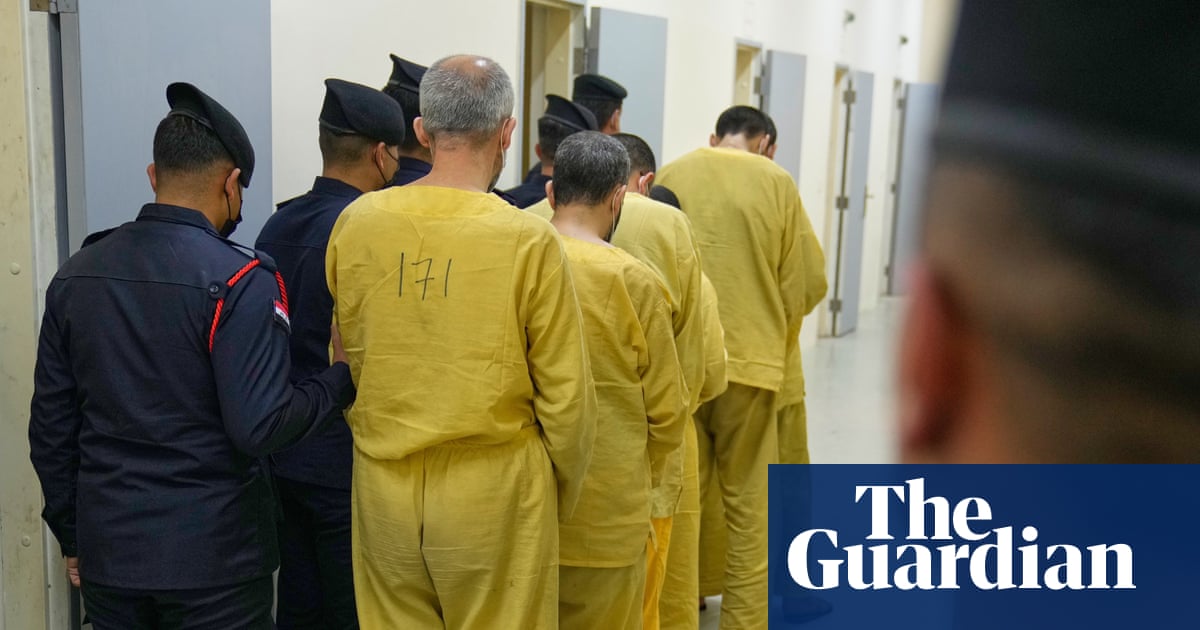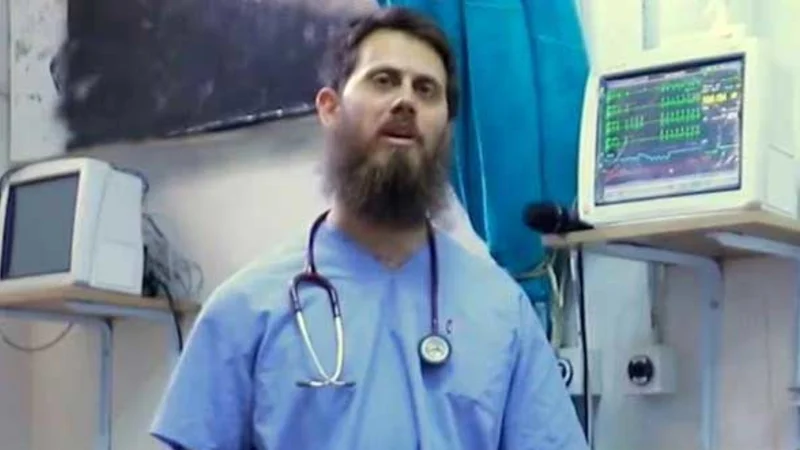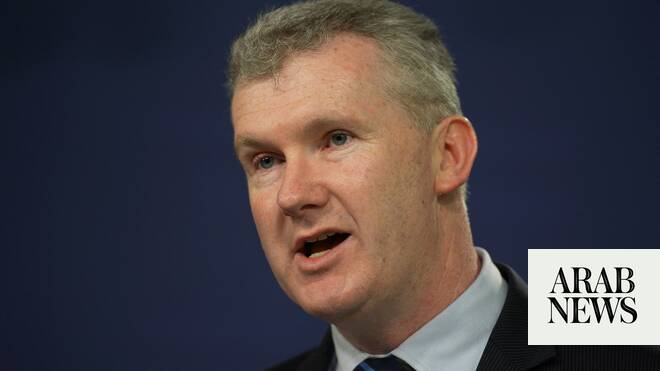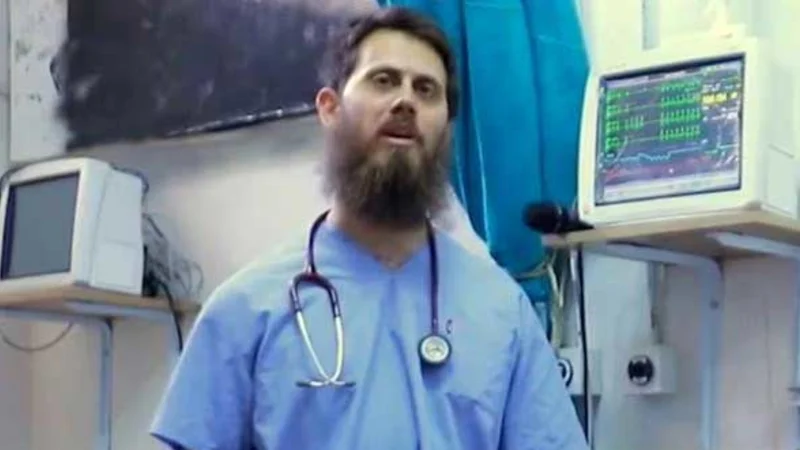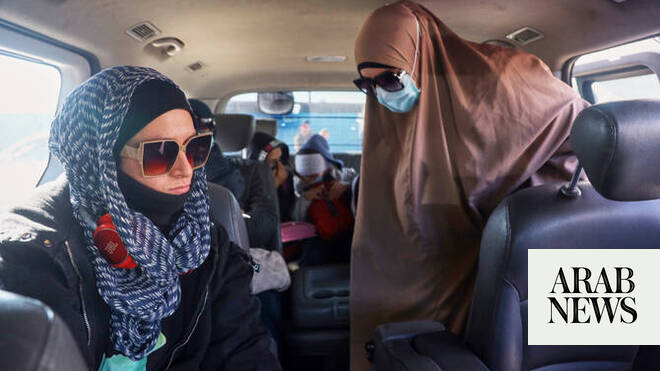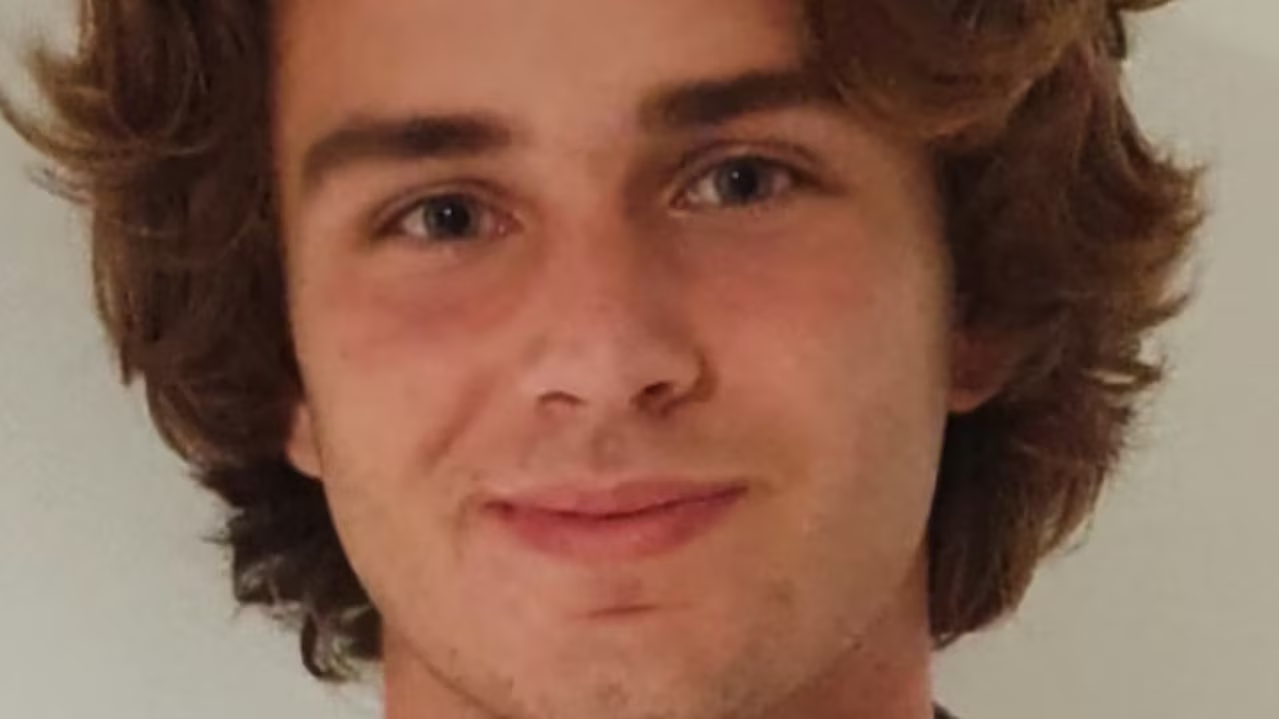
Australia’s Home Affairs Minister has warned Australians need to be “vigilant” about “what comes over the browser” as the family of a Queensland man facing the death penalty for murder in Syria claims online radicalisation drove his actions.Patrick Stevenson was a mobile phone technician on the Gold Coast before moving to northwest Syria in October, according to an ABC investigation.The 20-year-old’s family told the national broadcaster he converted to Islam two years earlier and became radicalised online in the lead up to his move, sharing content from an extremist cleric on social media.Syrian investigators allege Mr Stevenson shot dead 40-year-old Australian citizen Abdullah Glen Charles Burgess on December 31.Mr Burgess had also moved to Syria with his wife and children just months earlier.Mr Stevenson has been in a crowded jail ever since on a premeditated murder charge – an offence that carries the death penalty.Home Affairs Minister Tony Burke said on Thursday that he was “not aware of any specific representations government to government that have been made there”.He also called on Australians to be mindful of what they see online.“We all need to be vigilant now about what comes over the browser,” he said.“Increasingly we are seeing radicalisation and if I look at the caseload we have overwhelmingly people who are born here, who are radicalised online.”Anthony Albanese earlier said Australian officials were “giving support to both of those families”. “Legal processes will take their course overseas, of course, and that is appropriate,” Mr Albanese told the ABC’s News Breakfast.“I feel for the families of the person who’s lost their life and we’re connected with them and providing support for them.“We’re also providing support for the family of the person who’s been charged.”The ABC reported that Mr Stevenson, who is diagnosed with ADHD and learning disorders, became close to Mr Burgess in the lead up to the killing.Syrian authorities at first treated the death as accidental but then opened a terrorism investigation probing Mr Stevenson’s “possible affiliation with ISIS”.That investigation was closed in February when the case was referred to a civilian criminal court.Australia has no diplomatic presence in Syria and relations remain severely strained as Canberra maintains a terrorist designation for Hay’at Tahrir al-Sham – the dissolved Islamist group that toppled dictator Bashar al-Assad and now runs the country.If convicted, Mr Stevenson could avoid the death penalty if Mr Burgess’s widow grants him forgiveness or accepts blood money.Read related topics:Brisbane
Death penalty fears for Aussie in Syria
Australia’s Home Affairs Minister has warned Australians need to be “vigilant” about “what comes over the browser” as the family of a Queensland man facing the death penalty for murder in Syria claims online radicalisation drove his actions.
402 words~2 min read